


The pervasive issue of untreated tooth decay in young children across the United States is creating a significant public health burden, frequently culminating in emergency department visits and, in severe cases, complex surgical interventions. While emergency room physicians can address immediate pain and infection, they typically lack the capacity to resolve the underlying dental problem. This often leaves children vulnerable to ongoing discomfort and recurrent infections, necessitating further medical attention and, sometimes, extensive procedures like surgery under general anesthesia. However, a groundbreaking clinical trial has provided robust evidence for a low-cost, minimally invasive liquid treatment, silver diamine fluoride (SDF), that holds the potential to revolutionize pediatric dental care and alleviate this crisis.
A Simple Solution Emerges from Decades of Use
Silver diamine fluoride, a liquid solution of silver ions and fluoride, offers a remarkably straightforward approach to managing tooth decay. Unlike traditional methods that involve drilling and filling cavities, SDF is applied directly to the affected tooth surface using a small sponge-tipped applicator. This quick, painless process, taking mere seconds per tooth, can effectively halt the progression of decay without the need for injections, sedation, or the anxiety often associated with dental procedures.
The Evolution of SDF: From Off-Label Use to Clinical Validation
While SDF has been a staple in dental cabinets in many countries for decades, its journey to widespread acceptance and official approval for cavity treatment in the United States has been a lengthy one. Dentists in the U.S. have been utilizing SDF off-label since 2014, when it received approval from the Food and Drug Administration (FDA) as a medical device primarily for reducing tooth sensitivity. This off-label use, while beneficial, lacked the comprehensive clinical trial data required by the FDA for formal approval as a drug specifically for treating tooth decay. Such rigorous evidence is crucial for ensuring both the safety and efficacy of a treatment, especially when administered to vulnerable populations like young children.
Recognizing this gap, researchers at the University of Michigan embarked on a pivotal Phase III clinical trial designed to generate the definitive data needed to support SDF’s approval for cavity treatment. This large-scale study, meticulously conducted and recently published in the prestigious journal JAMA Pediatrics, involved a diverse cohort of 830 children under the age of six. The participants were recruited from a variety of settings, including dental offices, pediatric medical practices, and Head Start and Early Head Start programs across Michigan, New York, and Iowa, reflecting a broad cross-section of the U.S. population.
Groundbreaking Trial Results Demonstrate SDF’s Efficacy
The findings from the University of Michigan-led trial are profoundly encouraging. The study revealed that SDF successfully arrested tooth decay in a significant proportion of affected baby teeth. When applied every six months, the treatment was found to stop decay in over half of the cavities treated in the participating children. This is a stark contrast to traditional cavity treatments, which typically involve the removal of decayed tooth structure and the placement of a filling. SDF, conversely, works by directly painting the liquid onto the decayed area, where the silver ions kill bacteria and form a protective layer, while the fluoride strengthens the remaining tooth structure and aids in remineralization.
"This is a very effective and safe treatment – even in children as young as 1," stated Margherita Fontana, a professor of dentistry at the University of Michigan School of Dentistry and the lead investigator of the study. Her sentiment underscores the profound impact this treatment could have on the youngest and most vulnerable patients.
Tooth decay, often referred to as cavities, remains the most prevalent chronic disease among children in the United States, affecting more than 40% of this age group. The consequences of untreated cavities extend far beyond discomfort. They can lead to excruciating pain, severe infections that can spread to other parts of the body, significant disruptions to sleep and eating patterns, missed school days, and a cycle of repeated medical and dental appointments, placing a considerable strain on families and healthcare systems.
A Lifeline for Hard-to-Reach and Anxious Patients
Professor Fontana highlighted that SDF’s non-invasive nature makes it an ideal candidate for specific patient populations who often face significant barriers to conventional dental care. This includes very young children who may struggle to cooperate with traditional procedures, older adults with diminished dexterity or cognitive function, individuals with developmental or physical disabilities, and those who experience severe dental anxiety. Furthermore, SDF offers a vital alternative for individuals with limited access to conventional dental services or those who find it challenging to tolerate standard dental procedures. The simplicity and speed of application can overcome many of these hurdles, offering a pathway to pain relief and infection control for those who might otherwise go untreated.
Addressing the Aesthetic Drawback: A Trade-Off for Health
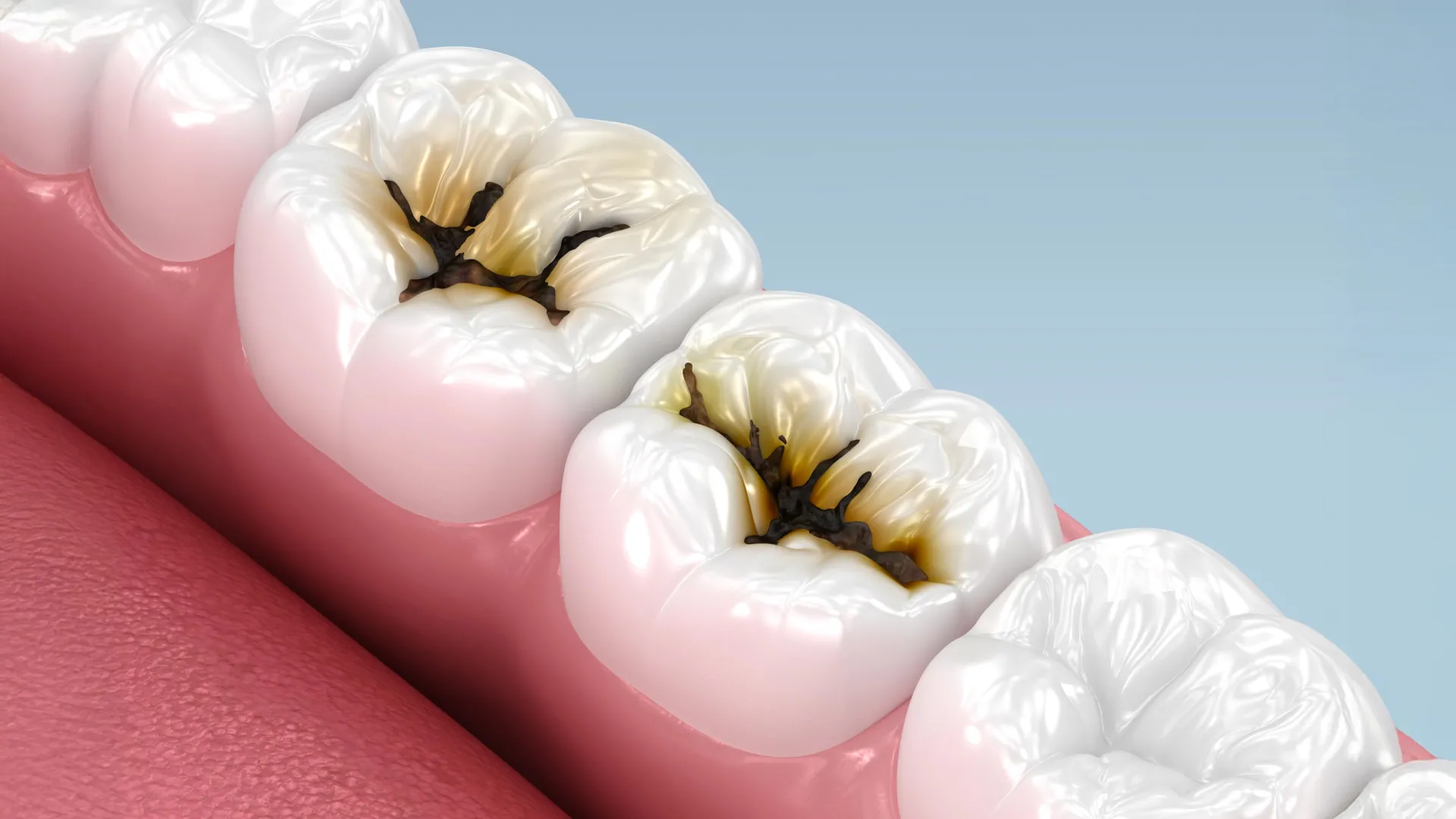
Despite its remarkable clinical benefits, SDF does present one visible drawback: the silver component permanently darkens the decayed portion of the tooth. While this aesthetic change is a consideration, the overwhelming consensus among researchers and clinicians is that the health benefits—arresting decay, preventing pain, and avoiding more invasive procedures—significantly outweigh this cosmetic effect, especially in primary (baby) teeth which will eventually be replaced.
"If we want more children and families to benefit from this treatment, we need rigorous evidence showing both that it works and that it’s safe," Fontana emphasized. "From a public health perspective, if we want broader implementation across the United States, including in medical settings, we need carefully collected data in U.S. populations, and we now have that." This statement reflects the scientific imperative to move beyond anecdotal evidence and off-label use to a position where widespread adoption is supported by robust, population-specific data.
The research journey for this critical study began in 2018 and persevered through the unprecedented challenges posed by the COVID-19 pandemic, demonstrating the dedication of the research team to advancing pediatric dental health.
Bridging the Gap in Pediatric Healthcare
Fontana further elaborated on the critical role SDF could play in the broader healthcare landscape. "In medicine, clinicians want high-quality evidence before changing practice," she explained. "It is important to have data they can refer to because young children often see pediatricians years before they ever visit a dentist; broader acceptance could allow many more cavities to be treated while a referral to a dental home is successful, and before they become painful, infected, or require surgery." This suggests that SDF could serve as a crucial bridge, enabling pediatricians to manage early-stage decay in their offices, thereby preventing the escalation of dental problems before children establish a consistent relationship with a dental provider.
Paving the Way for FDA Approval and Expanded Access
The comprehensive data generated by this trial is poised to significantly accelerate the FDA approval process for SDF as a drug specifically indicated for the management of tooth decay. The study was a collaborative effort involving researchers from esteemed institutions including New York University, the University of Iowa, and Indiana University, with substantial support from the NIH’s National Institute of Dental and Craniofacial Research, which provided over $12 million in funding.
This financial and institutional backing underscores the national importance placed on finding effective solutions for childhood tooth decay. The manufacturer of the specific SDF product tested in the study, Elevate Oral Care, supplied their Advantage Arrest 38% SDF, and the clinical trial results are now being utilized by the company to submit a dental caries drug application to the FDA.
Amr Moursi, a professor of pediatric dentistry at New York University College of Dentistry and a co-principal investigator on the study, expressed optimism about the findings’ potential to democratize access to effective dental care. "Our results support FDA approval of SDF for managing arrest of tooth decay in young children," Moursi stated. "Removing SDF from off-label status would be an important innovation which could lead to increased utilization by providers, enhanced payments by insurers and more consistent product quality." The de-listing from off-label status is a critical step, as it often leads to greater insurance coverage, standardized training for providers, and a more reliable supply chain, ultimately benefiting more families.
SDF: A Versatile Tool for Short-Term and Long-Term Management
The utility of SDF extends beyond immediate cavity arrest. For many children with early-stage decay in their primary teeth, repeated SDF applications every few months can effectively manage the condition until the tooth naturally exfoliates. This is a significant advantage, as it avoids the need for fillings or more invasive treatments on teeth that are soon to be lost.
In adult patients, SDF can serve a dual purpose. It can act as a long-term management strategy for decay, particularly for individuals who face ongoing challenges with access to restorative dental care. Alternatively, it can provide temporary protection and infection control, stabilizing the decay until a more definitive and affordable restorative procedure can be performed.
"For almost anyone, this can arrest the decay and stop the infection and the pain it causes," Professor Fontana concluded. "This could benefit many people." The broad applicability and profound impact of SDF, supported by this rigorous new evidence, signal a potential paradigm shift in how tooth decay is managed, offering hope for improved oral health outcomes for millions of children and adults across the nation. The implications of this research are far-reaching, promising to reduce emergency room visits, alleviate pain and suffering, and potentially decrease overall healthcare costs associated with untreated dental disease.