


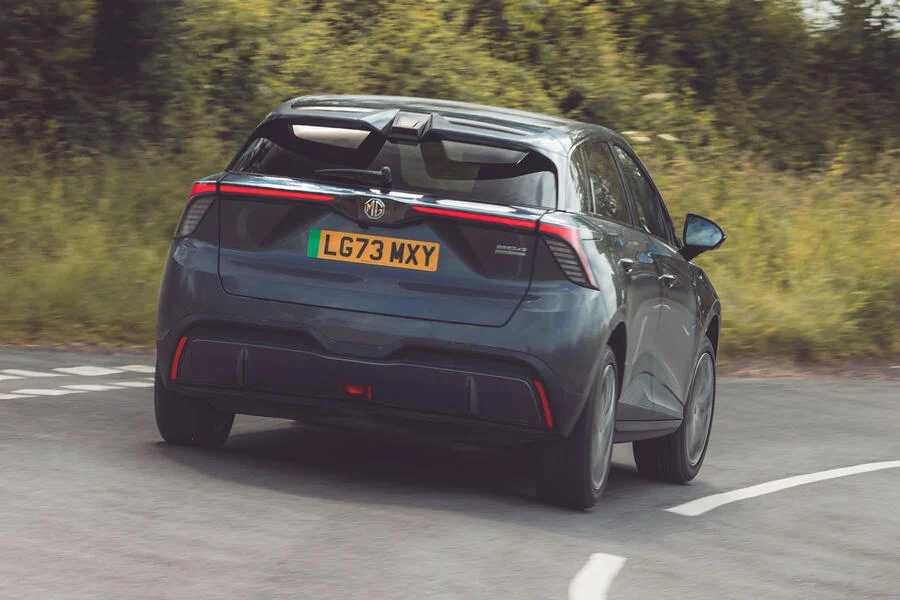
The MG 4 EV represents one of the most significant shifts in the United Kingdom’s automotive landscape since the brand’s acquisition and relaunch under SAIC Motor. When it arrived on British shores, it was hailed as a "game-changer," offering a rear-wheel-drive electric platform with competitive range and modern aesthetics at a price point that undercut established European and Japanese rivals by thousands of pounds. However, as the vehicle enters the secondary market, a clearer picture of its long-term viability, build quality, and reliability has emerged, presenting a complex narrative for potential used car buyers.
The Strategic Emergence of the MG 4 EV
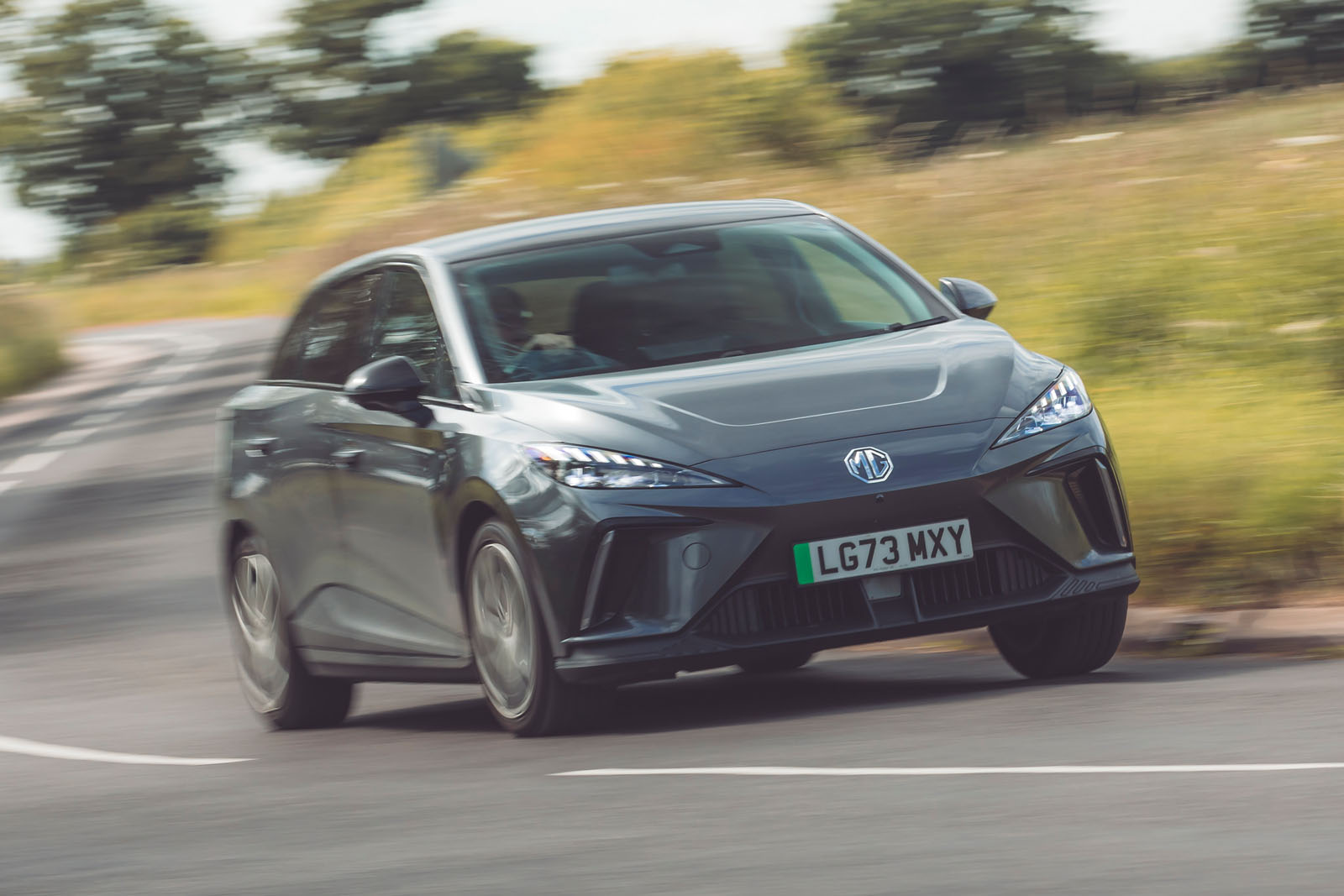
Launched in late 2022, the MG 4 EV was the first model to utilize MG’s Modular Scalable Platform (MSP). This dedicated battery-electric vehicle (BEV) architecture allowed for a thin "One Pack" battery system and a 50:50 weight distribution, characteristics typically reserved for premium sports sedans. By moving away from the converted internal combustion engine (ICE) platforms used for the earlier MG ZS EV, the manufacturer was able to maximize interior space and improve driving dynamics significantly.
The initial reception from the motoring press was overwhelmingly positive. In April 2023, industry analysts noted that while the MG 4 did not necessarily pioneer new battery chemistry or autonomous technologies, its ability to deliver a competent, high-range electric experience for the price of a mid-spec petrol hatchback was a direct threat to the Volkswagen ID.3 and the Nissan Leaf. This aggressive pricing strategy helped MG secure a substantial share of the UK EV market, appealing to both fleet buyers and private owners transitioning to electric mobility.
Chronology and Model Evolution
The MG 4 lineup has expanded rapidly since its debut, with several iterations entering the market in a short window. Understanding the timeline is crucial for used buyers, as early models—often referred to as "Phase 1" cars—differ from later production units in terms of software capabilities and hardware refinements.
In late 2022 and early 2023, the range launched with the SE and Trophy trims, featuring 51kWh and 64kWh battery options. The SE was positioned as the value choice, while the Trophy added a suite of luxury and safety features. By mid-2023, MG introduced the "Extended Range" variant, utilizing a 77kWh battery to push the WLTP range to 338 miles, targeting long-distance commuters.
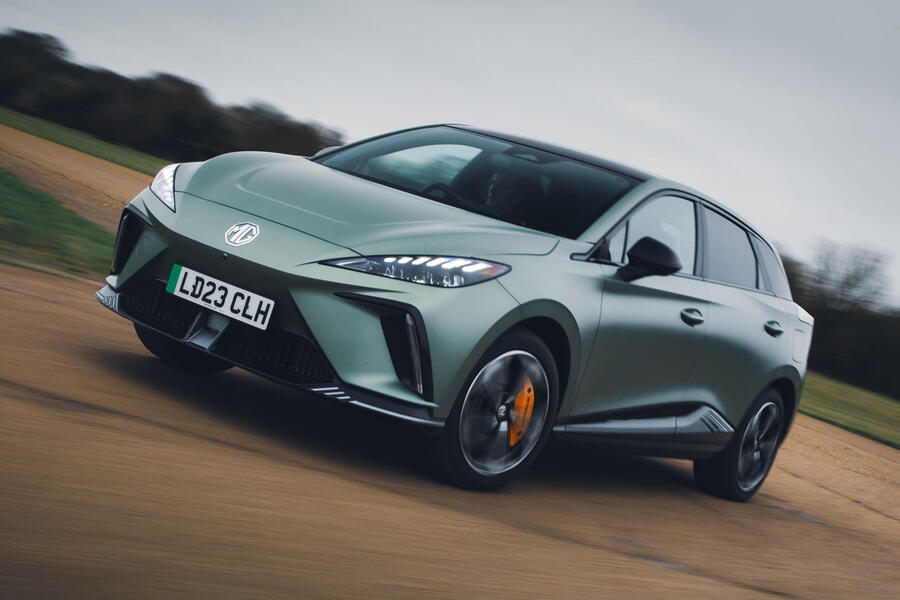
The most radical addition arrived in late 2023: the MG 4 XPower. This dual-motor, 429bhp "hot hatch" variant redefined the performance-per-pound metric, capable of reaching 62mph in just 3.8 seconds. While the XPower garnered headlines for its acceleration, which outperformed the Volkswagen Golf R and various premium sports cars, it also highlighted the limitations of the MG 4’s chassis. The softly sprung suspension, designed for urban comfort, struggled to contain the massive torque of the dual-motor setup, leading many reviewers to recommend the standard rear-wheel-drive models for a more balanced daily driving experience.
Technical Specifications and Trim Analysis
For the used buyer, the MG 4 offers a variety of configurations. The entry-level SE trim, while basic, provides the essential EV experience. However, the Trophy trim remains the most sought-after on the second-hand market. It introduces a comprehensive technology package, including:
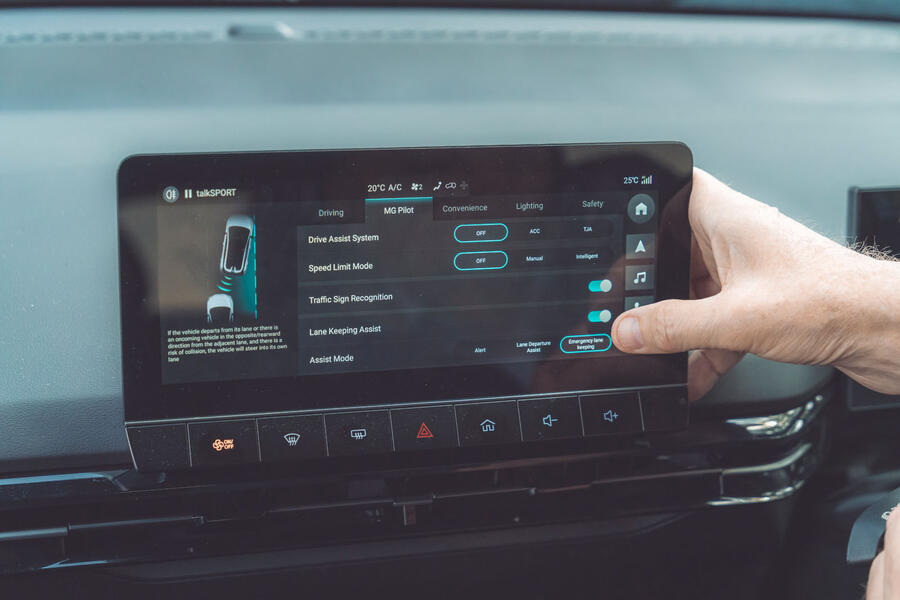
- Safety Systems: Blind-spot monitoring and lane-change assist.
- Connectivity: Wireless Apple CarPlay and Android Auto (though early units may require wired connections).
- Comfort: Heated front seats and a heated steering wheel, which are essential for maintaining EV range during winter months by reducing the need for cabin heating.
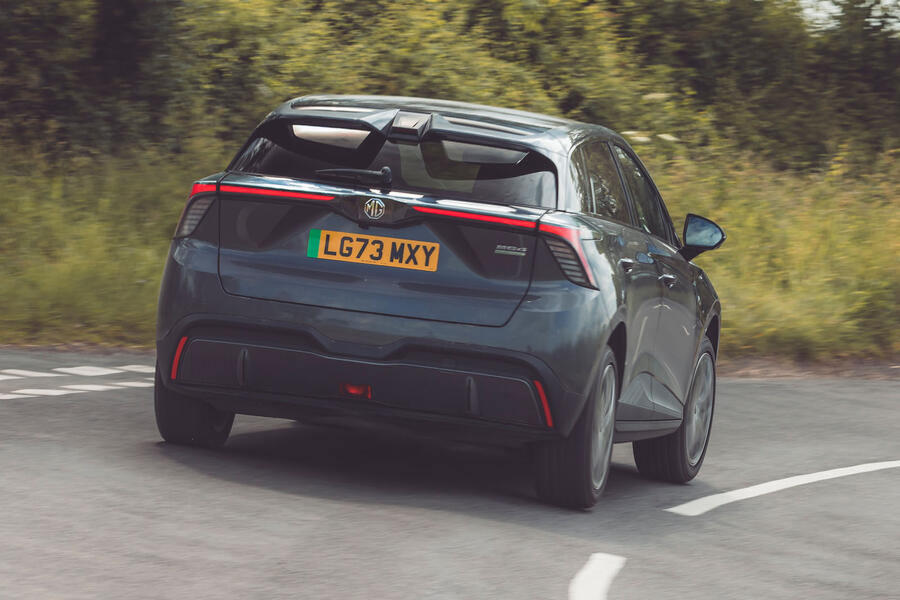
- Visibility: A 360-degree camera system, compensating for the somewhat restricted rear visibility caused by the car’s high waistline and sharp C-pillar design.
The range figures are divided into three tiers: the 51kWh battery (approx. 218 miles), the 64kWh battery (approx. 270–281 miles), and the 77kWh battery (up to 338 miles). Real-world performance varies based on driving style and ambient temperature, with owners reporting a 15–25% drop in efficiency during peak winter conditions.
Reliability Data and Consumer Feedback
Despite its commercial success, the MG 4’s reputation has been tempered by its performance in reliability assessments. In the 2024 What Car? Reliability Survey, the MG 4 finished at the bottom of the electric car class. The data revealed that 30% of owners had experienced one or more faults with their vehicles.
The issues reported span several categories, ranging from minor annoyances to significant mechanical failures:
- Infotainment and Software: Owners have frequently reported "glitches" in the central touchscreen, including slow response times and sudden reboots. While some users, such as long-term owner Chris Boek, mitigate these issues by using third-party interfaces like Android Auto, the underlying software remains a point of contention.
- Drivetrain and Mechanicals: More serious reports include oil leaks from the rear differential and complete failures of the charging port. These issues can lead to significant downtime.
- Build Quality: Early production units (22 and 72-plate cars) have been criticized for inconsistent panel gaps and interior durability. The use of hard, scratch-prone plastics on high-touch areas, such as door tops, has been noted as a weakness. Furthermore, the driver’s seat upholstery in high-mileage examples has shown premature wear, sometimes within the first 15,000 miles.
The survey also highlighted challenges in the aftersales experience. MG reportedly covered repair costs in only 55% of cases, with nearly 40% of owners facing repair bills exceeding £1,000. Furthermore, the speed of repair was a concern, with 68% of affected vehicles spending more than a week in the workshop due to parts shortages or diagnostic delays.
Warranty and Ownership Costs
MG’s seven-year/80,000-mile warranty is a significant selling point, providing a safety net for major components like the battery and motor. However, potential buyers must read the fine print. The interior trim and certain "wear and tear" items are only covered for 12 months. This means that rattles, vibrations, or prematurely worn seat bolsters in a two-year-old car may not be eligible for warranty repair.
The insurance profile of the MG 4 is also notably higher than some of its competitors. With insurance groups ranging from 27 to 40, it is more expensive to cover than a Hyundai Kona Electric or a Kia Niro EV. This is partly due to the high performance of the motors and the rising costs of repairing EV battery casings and specialized sensors.
From a taxation perspective, as of 2024, all MG 4 models are subject to an annual VED (Vehicle Excise Duty) rate of £195, as the UK government moves to equalize tax burdens between electric and internal combustion vehicles.
Navigating the Used Market: Price Tiers
The used market for the MG 4 currently offers a wide spectrum of opportunities and risks.
- £7,000 – £10,000: In this price bracket, buyers will encounter high-mileage examples or vehicles with a "Category S" (Structural) insurance write-off status. The prevalence of write-offs in the MG 4’s history is often attributed to the difficulty of sourcing replacement parts and the high cost of certifying battery safety after a collision.
- £14,000 – £18,000: This is the "sweet spot" for many buyers, where low-to-mid mileage SE and Trophy models (64kWh) from 2022 and early 2023 reside.
- £20,000+: This bracket includes late 2023 and 2024 models, including the XPower and the Extended Range variants, many of which are still covered by a significant portion of the original manufacturer warranty.
Buyers are advised to prioritize "Phase 2" cars (generally mid-2023 onwards). These later models often feature refined software that supports over-the-air (OTA) updates, which "Phase 1" cars lack. The addition of a "one-pedal driving" mode in later software versions significantly improves the urban driving experience and energy recuperation.
Broader Impact and Market Implications
The MG 4 EV has served as a litmus test for the acceptance of Chinese-manufactured electric vehicles in the West. Its success has forced European manufacturers to accelerate their development of affordable EVs, such as the Renault 5 E-Tech and the Volkswagen ID.2.
However, the reliability concerns associated with the MG 4 highlight the "growing pains" of rapid brand expansion. For the used car market, the MG 4 remains a high-reward, moderate-risk proposition. For those who prioritize driving dynamics, range, and modern styling at a discount, it is an unparalleled option. Conversely, for those who value seamless software and a proven track record of reliability, the MG 4 requires a more cautious approach, ideally backed by a comprehensive service history and a clear understanding of the warranty limitations.
As the UK moves toward the Zero Emission Vehicle (ZEV) mandate, the MG 4 will continue to be a common sight on the roads. Its legacy will likely be defined by whether MG can address the aftersales and build quality criticisms that have surfaced during its first two years in service. For now, it stands as a testament to the democratization of electric performance, provided the buyer does their due diligence.