


BEIJING – China’s Commerce Ministry on Thursday delivered a stern warning to the United States, threatening retaliatory measures after the U.S. Federal Communications Commission (FCC) added advanced foreign-made robotic devices, including humanoids, to a list restricting their import. Beijing accused Washington of repeatedly disregarding its "restrained stance" on product bans, asserting that the latest move "severely damages China-U.S. economic and trade stability." The escalating dispute underscores the intensifying technological rivalry between the world’s two largest economies, setting a tense backdrop for upcoming high-level diplomatic engagements.
The FCC’s decision, announced on Tuesday, cited cybersecurity concerns as the primary justification for expanding its "covered list" of equipment deemed a national security risk. While the official statement from the FCC did not explicitly name China, the context of previous bans and the immediate reaction from Beijing leave little doubt about the intended target. The move allows retailers to continue importing models previously approved by the FCC but significantly tightens the regulatory environment for new foreign-produced robotic technologies entering the U.S. market. This action marks a notable expansion of U.S. restrictions beyond telecommunications infrastructure and specific software applications into the rapidly evolving field of advanced robotics, a sector considered critical for future economic and military competitiveness.
Mounting Trade and Tech Frictions
The Commerce Ministry’s online statement, translated by CNBC, urged the U.S. to rescind its decision, warning of unspecified "countermeasures" should Washington fail to comply. This direct challenge from Beijing signals a potential deepening of the economic chasm between the two nations, which have been locked in a protracted trade and technology dispute for several years. The U.S. has consistently expressed concerns about intellectual property theft, forced technology transfers, and the potential for Chinese state-backed entities to exploit technological products for espionage or military advantage. Beijing, conversely, views these restrictions as protectionist measures designed to stifle China’s technological ascent and maintain American dominance.
Industry analysts were quick to assess the implications of the FCC’s announcement. Marc Einstein, a research director at Counterpoint Research, highlighted the immediate impact on Chinese robotics firms. "This is bad news for Chinese humanoid producers planning their IPOs in the coming months," Einstein stated, noting the significant capital investment required for these companies and the potential chilling effect of market access restrictions. He further elaborated on China’s potential strategic responses, suggesting two primary "cards" Beijing could play: "to further restrict rare earth sales to American companies and further restricting Chinese market access for American companies like Tesla and NVIDIA." Such moves would reverberate across global supply chains and significantly impact major American technology and automotive players deeply embedded in the Chinese market.
A Broader Strategy of Decoupling
The FCC’s latest action is not an isolated incident but rather part of a broader, concerted effort by the U.S. government to mitigate perceived national security risks associated with Chinese technology. Over recent years, the U.S. has targeted a range of Chinese companies and technologies, including telecommunications giants like Huawei and ZTE, social media platforms like TikTok, and advanced semiconductor manufacturing equipment. The rationale often centers on the opaque nature of Chinese corporate ownership, the potential for state influence, and the cybersecurity vulnerabilities that could arise from critical infrastructure relying on foreign-made components.
The "covered list" itself has been a key instrument in this strategy, initially focusing on telecommunications equipment and services from specific Chinese firms. Its expansion to include advanced robotic devices signifies a recognition by U.S. policymakers of the growing importance of robotics and artificial intelligence (AI) in critical sectors, from manufacturing and logistics to defense and smart cities. Humanoid robots, in particular, represent the cutting edge of this technology, with potential applications ranging from service industries to hazardous environment operations, making their security a paramount concern for national security strategists.
The Race for AI and Robotics Dominance
The timing of this escalation is particularly noteworthy, coming as U.S. President Donald Trump is scheduled to host Chinese President Xi Jinping in September. The highly anticipated summit is expected to address a range of contentious issues, with technology and trade likely dominating the agenda. Tensions over the tech race have intensified dramatically in recent months. U.S. Treasury Secretary Scott Bessent had previously indicated the U.S. could sanction China over alleged "AI model theft," signaling Washington’s increasing willingness to employ punitive measures to protect its technological advantage.
However, President Trump offered a nuanced perspective on Thursday, indicating that the U.S. might adopt a more cautious stance on AI controls. Speaking publicly, he suggested a need to balance security concerns with the imperative to maintain American technological leadership over China, implying that overly restrictive domestic policies could inadvertently cede ground to rivals. This delicate balancing act highlights the complex policy dilemma facing the U.S. government: how to safeguard national security without stifling innovation or harming American competitiveness in a rapidly evolving global technological landscape.
Market Reaction and Industry Landscape
The immediate market reaction to the FCC’s ban was visible in Asian trading. Hong Kong-listed UBTech, one of China’s leading humanoid robotics companies, saw its shares briefly fall more than 6% in Thursday morning trading, reflecting investor anxiety over restricted access to the lucrative U.S. market. UBTech, along with Unitree and Agibot, are significant players in the global humanoid robot market, collectively accounting for the top three positions by installation market share last year, according to data from Counterpoint Research. Tesla’s Optimus robot, a highly anticipated entrant into the humanoid space, ranked fifth globally, underscoring the fierce competition and diverse players in this emerging sector.
The U.S. market represents a substantial growth opportunity for robotics companies, particularly given the increasing demand for automation across various industries. Restrictions on market access can significantly impede the growth trajectory of Chinese firms that have invested heavily in research, development, and manufacturing capabilities. For companies like Unitree and Agibot, which have reportedly filed to go public, the ban could complicate their IPO prospects, potentially deterring investors wary of geopolitical risks and limited market reach.
Navigating the New Regulatory Landscape
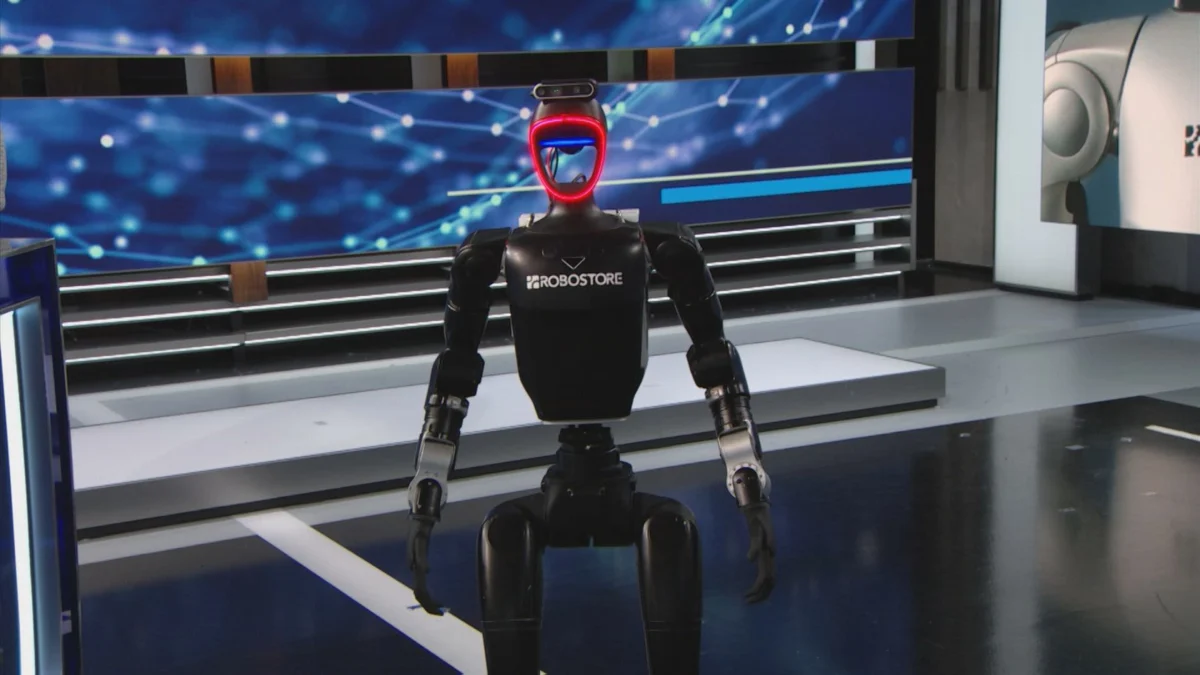
For companies like Robostore, a distributor of Chinese humanoid robots in North America, the FCC’s decision necessitates a rapid strategic pivot. CEO Teddy Haggerty confirmed in a statement to CNBC that Robostore has been proactively "preparing by expanding its U.S.-based capabilities." While Haggerty did not elaborate on specific details, such preparations could involve diversifying supply chains away from banned Chinese manufacturers, investing in U.S.-based assembly or manufacturing facilities, or exploring partnerships with non-Chinese robotics developers. The goal would be to ensure continued market access and compliance with evolving U.S. regulations, albeit potentially at a higher cost or with significant operational adjustments.
The broader implications extend beyond individual companies to the global robotics ecosystem. The U.S. and China are two of the largest investors and innovators in AI and robotics. A significant decoupling in this sector could lead to the fragmentation of global standards, slower overall technological progress due to reduced collaboration, and the emergence of distinct, incompatible technological ecosystems. Such a scenario could force other nations and companies to choose sides, further complicating international trade and technological cooperation.
Potential Chinese Countermeasures and Global Impact
The threat of Chinese countermeasures looms large. Einstein’s assessment of potential actions – restricting rare earth exports and limiting market access for U.S. companies – carries significant weight. China dominates the global supply of rare earths, critical minerals essential for manufacturing a vast array of high-tech products, including electric vehicles, renewable energy technologies, and advanced electronics. Weaponizing these exports, as China has done in the past during diplomatic disputes, could severely disrupt numerous U.S. industries.
Similarly, restricting market access for major American companies like Tesla and NVIDIA in China, which represents a massive consumer base and a critical production hub, would inflict substantial economic pain. Tesla’s Gigafactory in Shanghai is a cornerstone of its global manufacturing strategy, and NVIDIA’s advanced GPUs are indispensable for China’s burgeoning AI sector. Such measures would not only serve as direct retaliation but also signal China’s determination to protect its own industries and assert its economic leverage on the global stage.
As the U.S. continues to expand its "covered list" and China vows to defend its economic interests, the tech rivalry is set to intensify. The robotics ban is a significant new front in this ongoing conflict, highlighting the strategic importance both nations place on cutting-edge technologies. The upcoming Trump-Xi summit in September will provide a critical opportunity, or a potential flashpoint, for leaders to address these escalating tensions, with the future of global technological cooperation and trade hanging in the balance. The world watches closely to see whether diplomacy can temper the growing friction or if the two economic superpowers are destined for further technological balkanization.
Matthew Tan contributed to this report from CNBC.