


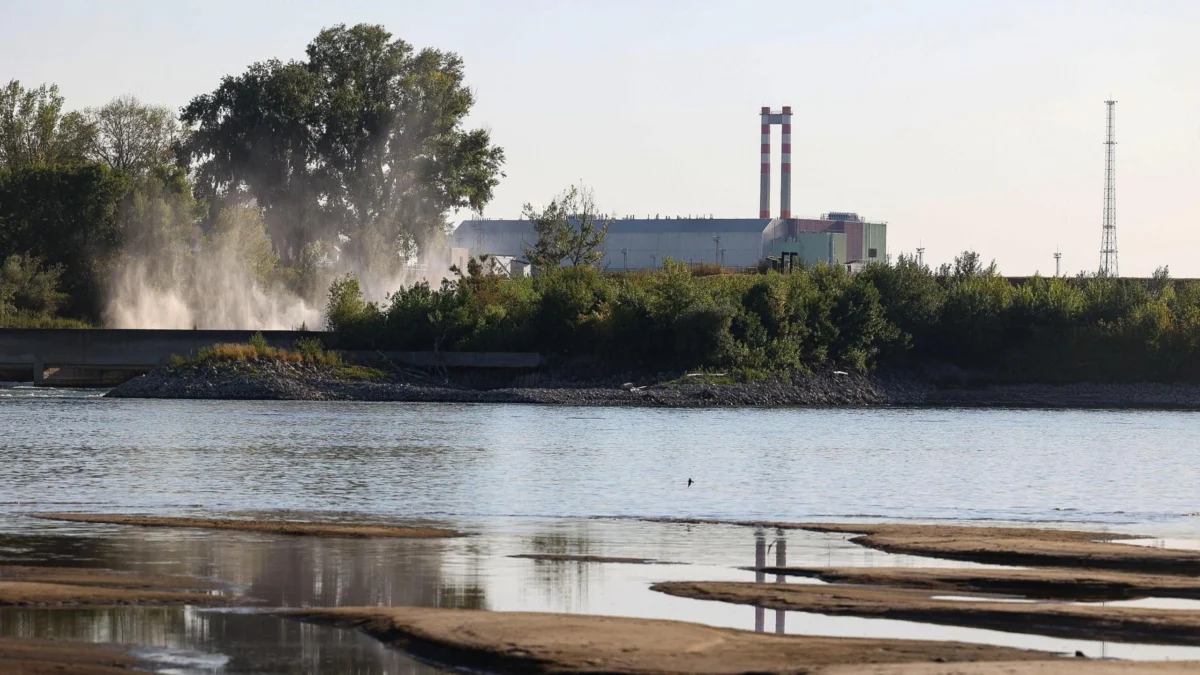
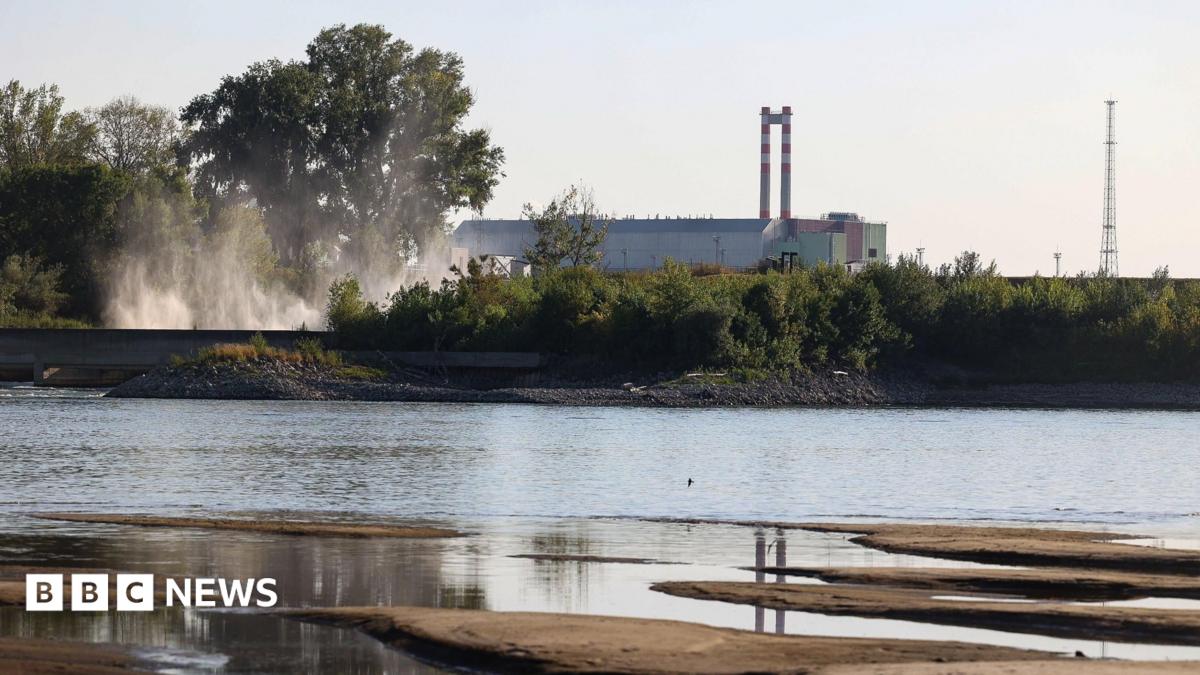
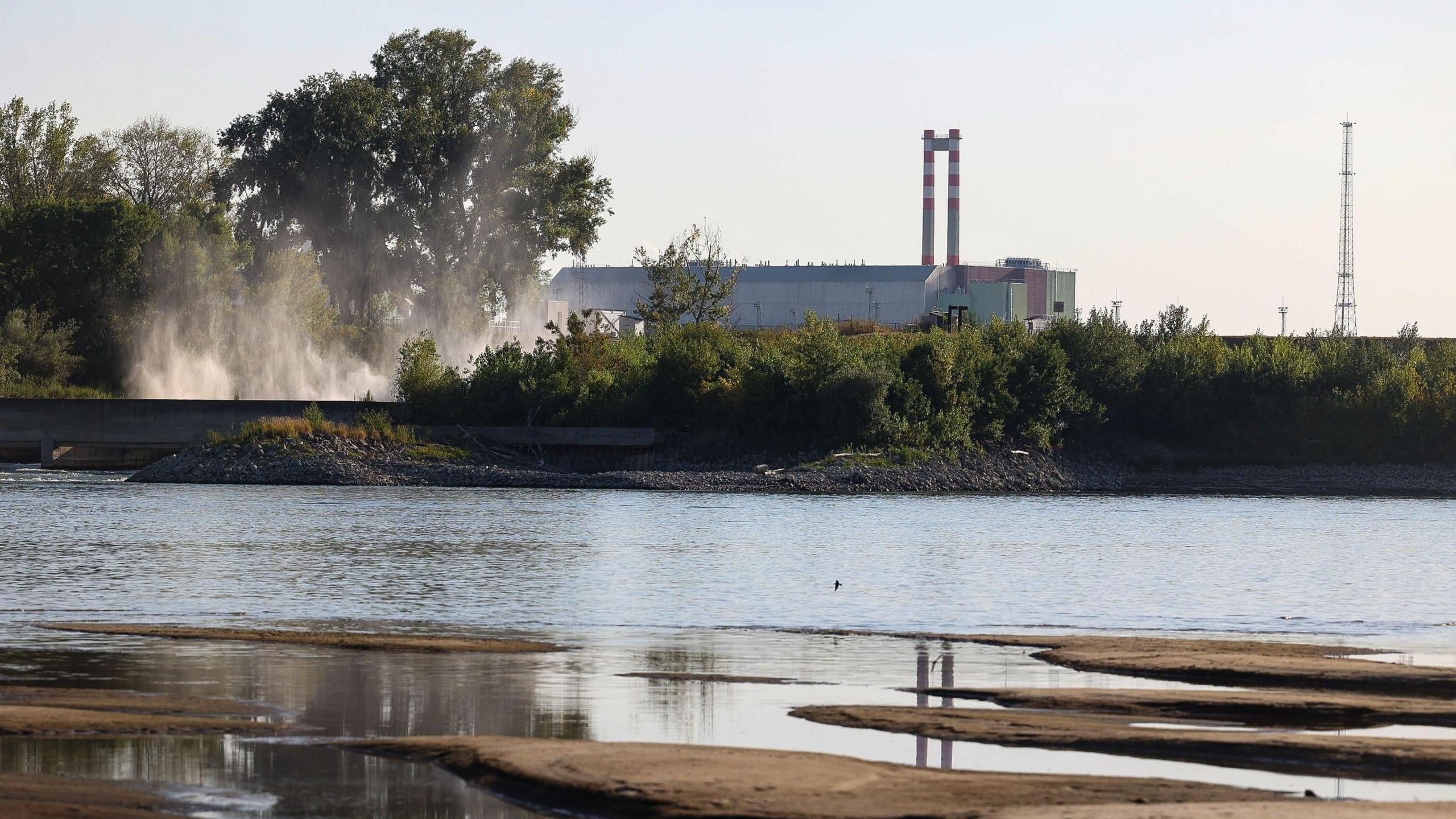
Hungary’s sole nuclear power plant, Paks, faces an unprecedented complete shutdown as the River Danube, its critical cooling source, has reached record low water levels, rendering the plant’s suction nozzles unable to access the necessary water. This critical development, announced by Prime Minister Péter Magyar, casts a stark shadow over Hungary’s energy security, with the nation’s energy supply projected to become "critical" from Monday, exacerbated by an enduring heatwave pushing temperatures towards 37°C for the coming week. The Paks facility, a Soviet-era plant, is the cornerstone of Hungary’s energy infrastructure, typically supplying over 50% of the country’s electricity. Its forced cessation of operations underscores the severe and escalating impact of climate change-driven drought and extreme heat across Europe, highlighting vulnerabilities in critical infrastructure.
The Hungarian Crisis Unfolds: Paks on the Brink
The Paks Nuclear Power Plant, located approximately 100 kilometers south of Budapest, comprises four VVER-440 pressurized water reactors, boasting a combined output of around 2,000 megawatts (2 GW). For decades, it has reliably provided a significant portion of Hungary’s energy, reducing reliance on fossil fuels and contributing to the nation’s energy independence. The current crisis, however, has exposed a profound dependency on stable environmental conditions, particularly the water levels of the Danube. The cooling systems of nuclear power plants require a constant, substantial flow of water to dissipate the heat generated during electricity production. When the river level drops below a certain threshold, as it has now, the plant’s intake structures are simply unable to draw in enough water, necessitating a shutdown to prevent overheating and potential damage.
Prime Minister Magyar’s warning of a "critical" energy situation from Monday signals the immediate and profound disruption this shutdown will cause. The government has already appealed to citizens to drastically limit energy consumption during peak hours, specifically between 17:00 and 22:00. This includes curtailing the charging of electric vehicles and the use of air conditioning – measures that will undoubtedly test public patience amidst scorching summer temperatures. Furthermore, Magyar hinted at the potential implementation of a "rotational shutdown regime" for electricity consumers, a drastic measure where power is periodically cut to different areas to balance the national grid. The government is reportedly compiling a list of industrial and residential consumers whose electricity and water usage could be limited, indicating the severity of the impending energy crunch. This situation could have significant economic repercussions, impacting industries, businesses, and daily life across Hungary.
Romania’s Struggle for Power: Cernavoda Reactors Affected
The energy crisis is not confined to Hungary. Neighboring Romania is also grappling with the Danube’s critically low levels, impacting its own nuclear energy production. One of Romania’s two nuclear reactors at the Cernavoda power plant has already been shut down earlier this week. The Cernavoda plant, equipped with two CANDU reactors, each with a capacity of 706 megawatts, is a vital component of Romania’s energy mix, typically generating approximately 20% of the nation’s power. State-owned company Nuclearelectrica, which operates Cernavoda, is reportedly making strenuous efforts to keep the second reactor operational, but the continuous decline in Danube water levels poses an immense challenge. Should the second reactor also be forced offline, Romania, like Hungary, would temporarily lose all its domestic nuclear energy production, intensifying the regional energy supply crisis. The reliance on the Danube for cooling is a shared vulnerability for these Eastern European nations, underscoring the interconnectedness of their energy security with environmental health.
The Danube: A Continent’s Artery Under Threat
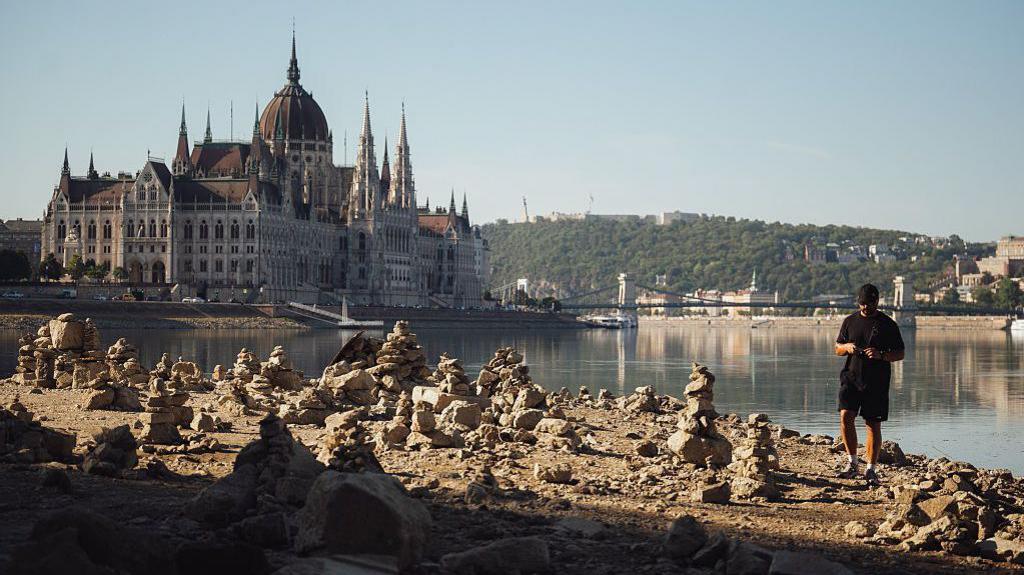
The River Danube, Europe’s second-longest river, is a colossal artery that flows 2,857 kilometers (1,775 miles) through 10 countries and drains parts of nine others, making it an indispensable lifeline for approximately 80 million people. Its waters support a vast array of human activities, from providing drinking water and irrigation for agriculture to powering industrial operations, facilitating inland navigation, and supporting a burgeoning tourism industry. The current water levels, described as the lowest in 30 to 50 years in several countries, represent an ecological and economic catastrophe in the making.
The impact on shipping and commerce is particularly severe. Large stretches of the river have become impassable for larger vessels, bringing river traffic to a standstill in critical sections, notably in Bulgaria, Serbia, and Romania. This disruption creates significant logistical bottlenecks for the transport of goods, including grain, coal, and oil, vital for regional economies. The cost of transporting goods by river typically rises sharply during low water periods as vessels must carry lighter loads to navigate shallower channels, or entirely cease operations, forcing a costly and less efficient shift to road or rail transport.
A stark illustration of this crisis occurred earlier this week when the Viking Ullur cruise ship, carrying 186 passengers, ran aground near Vidin, a Bulgarian city on the border with Romania. Border police were forced to evacuate the passengers, who were reportedly running low on food and water, as another rescue boat dispatched to assist was also unable to get close enough due to the shallow conditions. Ivan Zhekov, head of river supervision at Bulgaria’s maritime administration agency, expressed profound concern to BTA news agency, stating, "I have never heard of such low levels over the years. There has certainly not been a similar situation since 1990." This sentiment is echoed across the basin, with Serbian hydrologist Dejan Vladiković noting that the Danube’s levels have not been this low in 50 to 60 years.
Data from Romania’s National Institute of Hydrology paints a grim picture: the average river flow where the Danube enters the country is typically around 4,700 cubic meters per second in July. However, this week, it plummeted to less than a third of that, registering at 1,600 cubic meters per second, with forecasts predicting a further drop to 1,500 cubic meters per second by Tuesday. Such dramatic reductions in flow not only hinder navigation but also raise concerns about water quality, aquatic ecosystems, and the overall health of the river.
Echoes of History: River Reveals Hidden Past
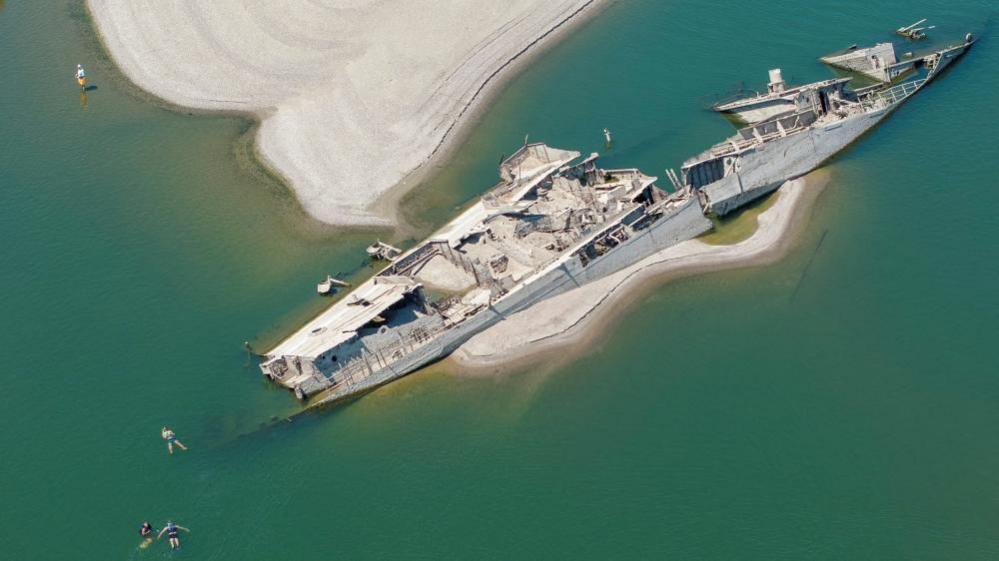
While the immediate consequences of the low Danube levels are dire, the receding waters have also brought to light fascinating, albeit eerie, glimpses into history. Across the river’s extensive basin, previously submerged artifacts have resurfaced, offering unique archaeological and historical insights. In Croatia, the remains of a sunken Hungarian cargo ship, dormant for decades, have become visible. More dramatically, in Serbia, the hulks of a German river flotilla from World War II have emerged from the depths near Prahovo. These vessels, scuttled by Nazi forces in 1944 to block the Soviet advance, typically lie hidden beneath the water, but now stand exposed, a stark reminder of wartime history.
Perhaps the most ancient discovery comes from the northeastern Bulgarian city of Ruse, where a resident found bones on the exposed Danube riverbed. Experts have since determined these to be the remains of a mammoth, identifying a lower jaw, two tusks, and what appears to be a rib. Such discoveries, while captivating, serve as a potent visual metaphor for the unprecedented nature of the current drought, revealing parts of the riverbed that have not seen daylight in generations, or even millennia.
A Continent Under Siege: Broader Climate Context
The crisis along the Danube is not an isolated event but a stark manifestation of a broader, accelerating climate crisis gripping Europe. According to the Copernicus Climate Change Service, Europe is warming at twice the global average rate, making it the fastest-warming continent. This accelerated warming directly translates into more frequent, more intense, and longer-lasting heatwaves, coupled with significant reductions in rainfall, particularly during critical spring and summer months. The current heatwave, with temperatures soaring to 37-40°C across much of Southeast Europe, is a direct consequence of this trend.
The combination of extreme heat and prolonged drought is exerting immense pressure on Europe’s vital water resources, not just the Danube. Rivers like the Rhine in Germany, the Po in Italy, and the Loire in France have also experienced critically low levels this summer, disrupting shipping, impacting agriculture, and straining cooling systems for power plants. The shrinking rivers and parched landscapes are fueling a devastating wildfire season across the continent. Vast areas of France, Spain, Greece, and Turkey have experienced some of the most intense and widespread wildfires in living memory, leading to hundreds of thousands of evacuations and immense ecological destruction. The fire-prone conditions are now expected to spread towards central Europe, indicating a deepening crisis.
Serbian hydrologist Dejan Vladiković highlighted that the current problems are not solely attributable to the ongoing heatwave but also to a significant deficit in rainfall during the preceding spring months. This long-term precipitation deficit, combined with rapid evaporation due to extreme heat, has depleted water reserves in rivers and groundwater tables alike. Climatologists in the region do not anticipate any significant improvement in river levels until mid-September at the earliest, suggesting a protracted period of stress for energy grids, transportation networks, and ecosystems.
The Path Forward: Policy and Adaptation
The unfolding crisis underscores the urgent need for robust climate adaptation strategies and a fundamental rethinking of energy and water management across Europe. Governments are faced with immediate challenges of maintaining energy supply and mitigating economic disruption, but also with the long-term imperative of building resilience against increasingly frequent and severe climate events.
In the immediate term, Hungarian and Romanian authorities are exploring all options to maintain energy stability. This could include increased electricity imports, potentially from other European countries that may themselves be under strain, or activating backup power generation capacities, which often rely on more carbon-intensive fossil fuels. Such measures, while necessary for short-term stability, run counter to broader climate goals.
For the longer term, the vulnerabilities exposed by the Danube crisis will likely accelerate discussions around energy diversification. While nuclear power is a low-carbon energy source, its reliance on vast quantities of cooling water makes it susceptible to drought. Investment in renewable energy sources like solar and wind, which are less water-intensive, may see renewed impetus. Furthermore, improving energy efficiency and promoting demand-side management become critical tools for reducing overall energy consumption.
Water management strategies will also need to be re-evaluated and strengthened. This includes better forecasting and early warning systems for droughts, investments in water-saving irrigation technologies, efficient urban water use, and potentially even exploring advanced water treatment and reuse technologies. Cross-border cooperation among the 19 nations of the Danube basin is paramount for coordinated water management, ensuring equitable access and sustainable use of this shared vital resource.
The severe impact on the Danube, a river that has shaped European civilization for millennia, serves as a powerful and visible indicator of the profound challenges posed by a rapidly changing climate. The forced shutdown of nuclear power plants, the crippling of river transport, and the ecological disruptions highlight an urgent need for concerted international action, not just to mitigate climate change, but also to adapt societies and infrastructure to its unavoidable consequences. Without decisive action, such unprecedented crises are set to become the new normal.