



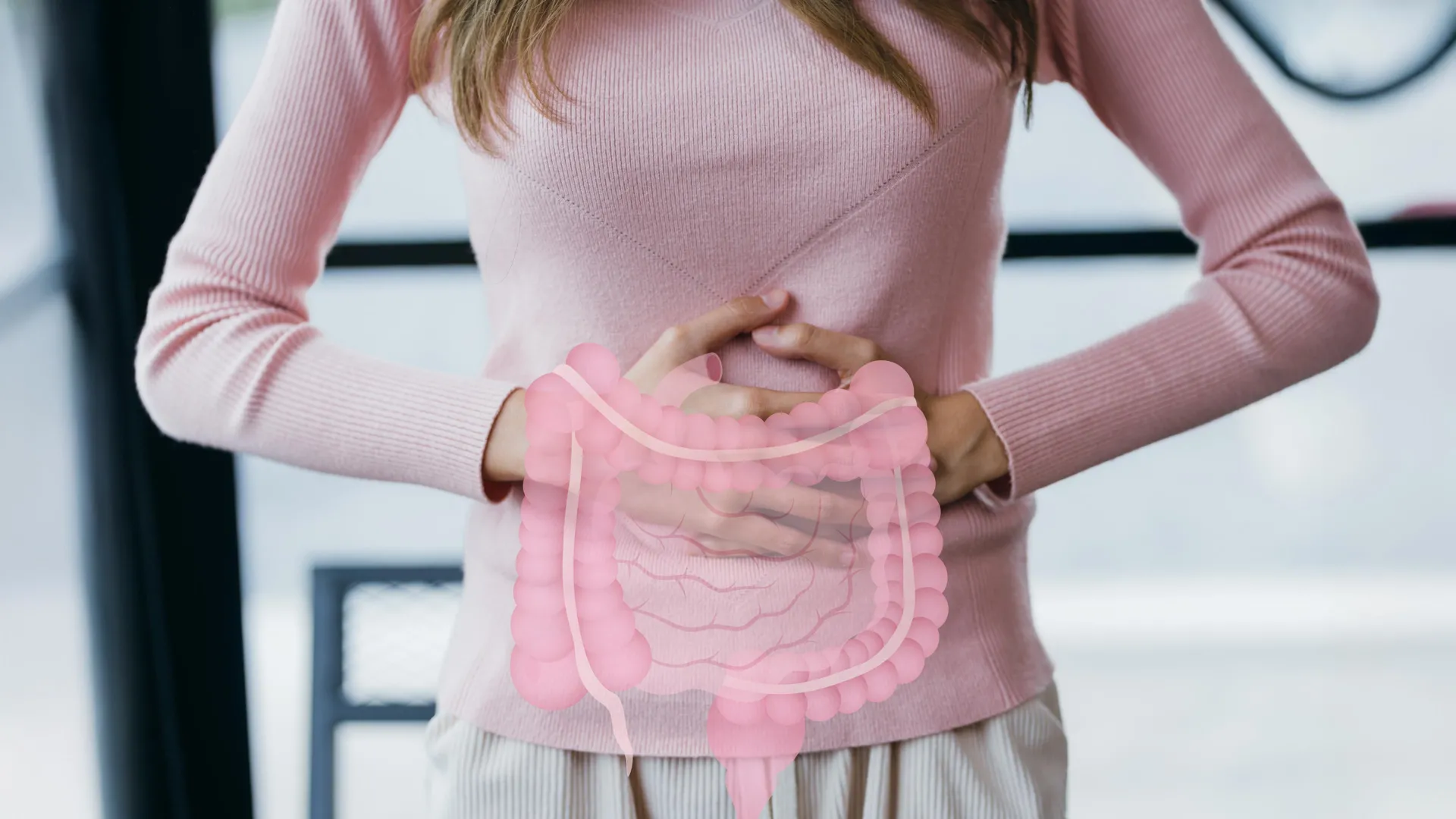
A naturally occurring compound found in rice bran may influence how strongly the intestines contract, according to new research from Toho University. This discovery holds potential implications for dietary interventions targeting gastrointestinal motility disorders such as irritable bowel syndrome (IBS) and inflammatory bowel disease (IBD).
Groundbreaking Research Uncovers Ferulic Acid’s Role in Intestinal Muscle Regulation
The study, spearheaded by a team of researchers including Dr. Keisuke Obara, Dr. Kento Yoshioka, and Professor Yoshio Tanaka from the Faculty of Pharmaceutical Sciences at Toho University, has identified ferulic acid (FA) as a compound capable of reducing intestinal smooth muscle contractions. Their findings suggest that ferulic acid exerts this effect by blocking voltage-dependent calcium channels, a critical component in the cascade of events leading to muscle contraction. This fundamental insight could pave the way for novel dietary strategies aimed at alleviating the debilitating symptoms associated with disrupted intestinal motility.
Ferulic Acid: A Ubiquitous Polyphenol with Emerging Gastrointestinal Significance
Ferulic acid, a prominent member of the polyphenol family, is widely distributed in the plant kingdom, with particularly high concentrations found in whole grains, including rice bran. Its presence in our diet is therefore substantial, particularly for individuals who consume these staple foods. Beyond its recently highlighted gastrointestinal effects, ferulic acid has a well-established reputation for its potent antioxidant and neuroprotective properties. These established benefits have been the subject of numerous scientific investigations, exploring its broader potential in combating oxidative stress and safeguarding neural pathways.
However, the specific impact of ferulic acid on gastrointestinal motility – the complex, coordinated muscular activity responsible for propelling food and waste through the digestive tract – remained largely unexplored until this recent research. This area of study is of paramount importance given the significant health burden imposed by disorders characterized by aberrant intestinal movement.
Understanding Intestinal Motility Disorders: A Growing Public Health Concern
Conditions like Irritable Bowel Syndrome (IBS) and Inflammatory Bowel Disease (IBD) are frequently accompanied by abnormal patterns of intestinal activity. These abnormalities can manifest in diverse ways, leading to either excessive, spasmodic contractions that can cause pain and diarrhea, or reduced motility, resulting in constipation and bloating. The intricate balance of intestinal muscle function is crucial for efficient digestion, nutrient absorption, and waste elimination. When this balance is disrupted, the quality of life for affected individuals can be severely compromised, leading to chronic discomfort, social isolation, and a significant reduction in overall well-being.
The Toho University research team embarked on their investigation with a clear objective: to ascertain whether ferulic acid could directly influence these critical intestinal contractions, offering a potential natural modulator for these disordered states.
Experimental Evidence: Ferulic Acid Dampens Intestinal Muscle Activity
The researchers conducted a series of meticulously designed experiments using guinea pig ileal longitudinal smooth muscle (ILSM) preparations. The ileum, a segment of the small intestine, is a critical site for digestion and absorption, and its muscle activity is representative of broader intestinal motility. Their findings were compelling: ferulic acid demonstrably reduced contractions in these muscle tissues.
Crucially, this inhibitory effect was observed across a range of signaling molecules known to stimulate intestinal contractions. These included acetylcholine, a primary neurotransmitter involved in muscle activation; histamine and prostaglandin F2α, inflammatory mediators that can also influence gut motility; and serotonin, a key regulator of various physiological processes, including gastrointestinal function. The ability of ferulic acid to counteract the stimulatory effects of these diverse signaling pathways underscores its potentially broad-acting influence on intestinal muscle tone.
Reversibility and Dose-Dependence: Key Characteristics of Ferulic Acid’s Action
Further analysis revealed important characteristics of ferulic acid’s inhibitory action. The effect was found to be reversible, meaning that upon removal of ferulic acid, the normal intestinal contractions would resume. This reversibility is a vital consideration for any potential therapeutic intervention, suggesting that its effects are not permanent and could be managed by adjusting intake levels.
Moreover, the study demonstrated a clear concentration-dependent relationship. Higher concentrations of ferulic acid led to more pronounced reductions in muscle contractions, a finding that is typical of many pharmacological and physiological interactions. This dose-response relationship provides a quantifiable measure of ferulic acid’s potency and offers a basis for future dose-finding studies.
Mechanism of Action: Noncompetitive Inhibition and Calcium Channel Blocking
The researchers also delved into the precise mechanism by which ferulic acid exerts its effects. They observed that its action was noncompetitive. This is a significant finding, indicating that ferulic acid does not simply bind to the same sites as the signaling molecules, thereby blocking their access to receptors. Instead, its interference suggests a more fundamental impact on the cellular machinery responsible for muscle contraction.
Subsequent experiments, utilizing models of vascular smooth muscle cells, provided a crucial piece of the puzzle. These experiments revealed that ferulic acid effectively reduced the surge in intracellular calcium levels that occurs when smooth muscle is stimulated. Calcium ions play an indispensable role in initiating and sustaining muscle contraction across various tissue types, including the smooth muscles of the intestine. The observed reduction in intracellular calcium strongly suggests that ferulic acid’s primary mechanism of action involves the inhibition of voltage-dependent calcium channels.
By impeding the influx of calcium into smooth muscle cells, ferulic acid effectively dampens the signaling pathway required for muscle tightening and contraction. This molecular insight provides a robust explanation for the observed reduction in intestinal motility.
Potential Therapeutic Implications and Considerations
The findings of this research open up exciting possibilities for managing gastrointestinal disorders. For individuals experiencing diarrhea-predominant IBD, where excessive intestinal contractions can lead to rapid transit and discomfort, ferulic acid could potentially act as a natural regulator. By calming hyperactive smooth muscle, it might help to slow down intestinal transit, thereby alleviating symptoms such as urgency and frequency of bowel movements.
However, the research team rightly points out that the same effect might not be universally beneficial. In individuals with constipation-predominant IBS, where slow intestinal movement is already an issue, further slowing of motility by ferulic acid could exacerbate constipation and related symptoms. Similarly, in healthy individuals, an unintended slowing of intestinal transit could lead to discomfort and digestive issues. Therefore, a nuanced understanding of individual patient profiles and the specific nature of their motility disorder will be crucial in determining the appropriate application of ferulic acid.
The Road Ahead: Bridging the Gap Between Lab and Clinic
Despite the promising results, the researchers emphasize that significant work remains before ferulic acid can be integrated into clinical practice. A key point of consideration is the concentration of ferulic acid used in the in vitro experiments. These concentrations were higher than the systemic blood levels typically achieved through normal dietary intake of ferulic acid-rich foods.
However, the researchers posit that concentrations within the gastrointestinal tract itself could potentially be higher following the consumption of ferulic acid-containing foods or supplements. This is because the compound would come into direct contact with the intestinal lining. Further investigation is warranted to accurately assess these localized concentrations and their physiological relevance in humans.
The study lays a critical foundation for future research. It provides a strong rationale for investigating whether ferulic acid could be developed into dietary interventions or supplements specifically designed to modulate gut movement. The next essential step will be to conduct rigorous clinical trials in human subjects. These trials will be indispensable for:
- Confirming the effects: Verifying whether the observed effects in animal models translate to humans.
- Identifying beneficiaries: Determining which specific patient populations, based on their underlying gastrointestinal conditions, are most likely to benefit from ferulic acid intervention.
- Establishing safety and efficacy: Precisely defining safe and effective intake levels and understanding any potential side effects.
Broader Impact and Future Directions
The discovery of ferulic acid’s role in regulating intestinal smooth muscle contractions represents a significant advancement in our understanding of how dietary components can influence digestive health. As research continues, it is plausible that ferulic acid, or compounds derived from it, could become valuable tools in the therapeutic arsenal for managing a range of gastrointestinal disorders. This could lead to more personalized and natural approaches to digestive care, reducing reliance on pharmaceutical interventions for some patients.
The timeline for these advancements is inherently uncertain, but the current research provides a clear roadmap. Initial studies in the early 2020s likely focused on the broad antioxidant properties of ferulic acid. This new research, emerging from Toho University, marks a significant shift towards understanding its specific physiological roles within the gastrointestinal system. Future research will likely involve further in-depth mechanistic studies, pharmacokinetic and pharmacodynamic analyses in humans, and ultimately, well-designed clinical trials. The journey from laboratory discovery to widespread clinical application is often a lengthy one, but the potential benefits for millions suffering from digestive ailments make this a compelling area for continued scientific exploration.