
A devastating avalanche on Broad Peak, the world’s twelfth highest mountain, has led to the recovery of two climbers’ bodies and sparked an intensive, yet currently suspended, search and rescue operation for a 10-person expedition. The incident, which unfolded on Thursday, has cast a somber shadow over the climbing community, highlighting the extreme perils inherent in high-altitude mountaineering. The Alpine Club of Pakistan, a pivotal organization in coordinating the rescue efforts, initially reported the discovery of four bodies but later clarified that two complete bodies and a body part had been located. The recovered individuals have been identified as Nadhira Ahmed Abdullah Al Harthy from Oman and Pur Bahadur Gurung from Nepal, both accomplished mountaineers whose lives were tragically cut short by the mountain’s unforgiving nature.
The broader expedition, comprising a multinational team, was under the leadership of Nirmal Purja, the celebrated Nepal-born climber renowned for his unprecedented feat of summiting all 14 of the world’s 8,000-meter-plus peaks in just over six months in 2019. The remaining members of the team face an uncertain fate. Seven climbers were reportedly spotted by aerial drones during Friday’s operations, but their condition remains unknown, a critical detail that can only be ascertained once rescue teams manage to reach their precarious locations. The whereabouts of one final climber, Pakistani national Sohail Sakhi, remain entirely unknown, adding another layer of anxiety to an already desperate situation. The search operation, severely hampered by adverse weather conditions and the extreme altitude, was reluctantly suspended at nightfall on Friday and is slated to resume at sunrise on Saturday, a race against time where every passing hour significantly diminishes the prospects of survival.
The Initial Chaos and Clarifications
The immediate aftermath of such a high-altitude disaster is often fraught with confusion, and the Broad Peak incident was no exception. Early reports from the Alpine Club of Pakistan, relayed to the media, indicated the discovery of four bodies. This information, while initially alarming, was later corrected to reflect the recovery of two complete bodies and a body part. This miscommunication underscores the immense challenges faced by ground teams and communication networks in relaying precise information from such remote and hostile environments. The clarification brought a degree of accuracy to the grim reality, confirming the loss of Nadhira Ahmed Abdullah Al Harthy and Pur Bahadur Gurung. Al Harthy, hailing from Oman, represented her nation’s growing presence in the challenging world of high-altitude climbing, while Gurung, a Nepali national, was a highly respected figure within the Sherpa community, known for his extensive experience and skill. His unfortunate demise is a significant loss to the professional guiding community, where his expertise was highly valued.
Profiles of the Expedition Members and Their Ambitions
The 10-person expedition was a confluence of seasoned veterans and ambitious climbers, each bringing their unique aspirations to the formidable slopes of Broad Peak.
Nirmal Purja (Nimsdai): The Visionary Leader
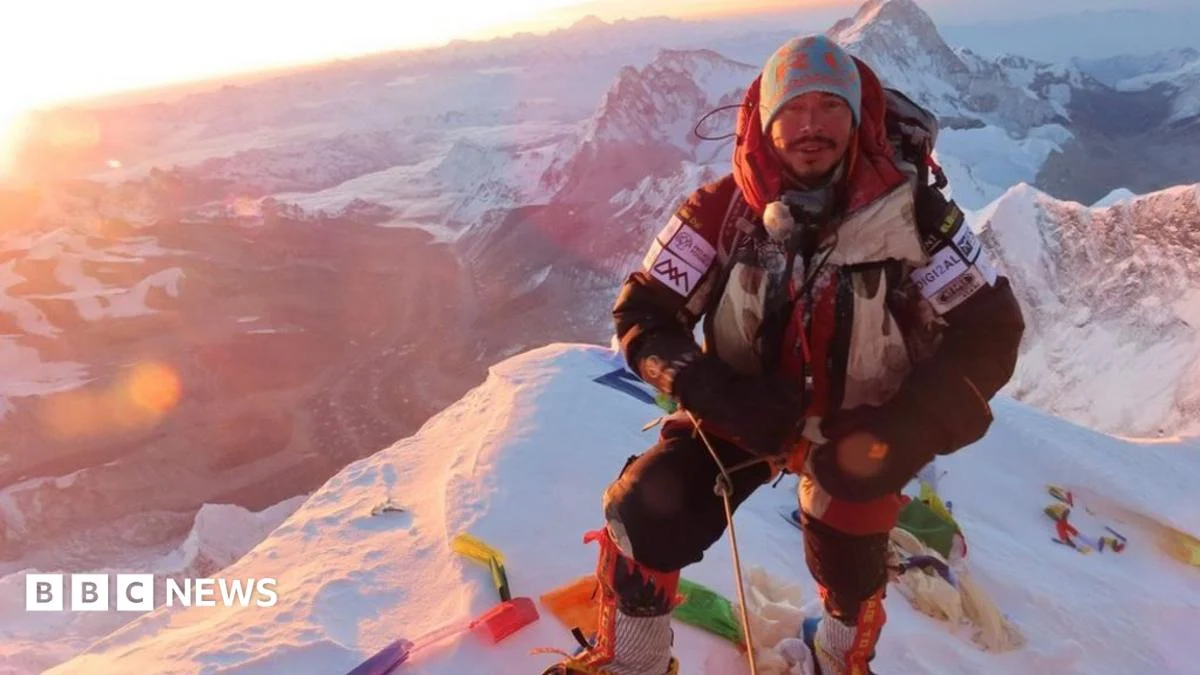
At the helm of this ill-fated expedition was Nirmal Purja, a name synonymous with audacious mountaineering feats. Purja, a former Gurkha and Special Boat Service (SBS) operative within the British Armed Forces, transitioned from a distinguished military career to rewrite mountaineering history. His "Project Possible 14/7" in 2019, where he conquered all 14 of the world’s 8,000-meter peaks in a mere six months and six days, shattered previous records and solidified his reputation as one of the most capable and driven high-altitude climbers alive. His journey into mountaineering began somewhat spontaneously in 2012 when, after a trip to Everest Base Camp, he decided to summit Lobuche East (6,119m) – his first peak. His involvement in the historic first winter ascent of K2 in 2021 further cemented his legendary status. The initial reports of movement from his GPS tracker, followed by the inability of helicopters to visually confirm his location, created a tense period of hope and despair. The subsequent discovery of another team member’s smashed tracker led rescuers to suspect that the earlier GPS readings might have been erroneous or a "glitch," adding to the uncertainty surrounding his condition and that of his team. His leadership on such a challenging peak underscores the inherent risks even for the most experienced.
Nadhira Ahmed Abdullah Al Harthy (Oman): A Pioneering Spirit
Al Harthy’s presence on the expedition highlighted the increasing diversity in high-altitude mountaineering. As a climber from Oman, her participation in such an ambitious endeavor on one of the world’s highest peaks was a testament to her personal courage and a source of national pride. Her tragic passing is a profound loss for her family and her country, which has been closely following her adventurous pursuits.
Pur Bahadur Gurung (Yukta) (Nepal): The Experienced Sherpa
Pur Bahadur Gurung, affectionately known as Yukta, was a highly respected figure in the Nepali mountaineering community. Certified by the International Federation of Mountain Guides Associations (IFMGA), Gurung was not just a climber but a professional guide whose expertise was crucial in navigating the treacherous terrains of the Himalayas and Karakoram. He was reportedly very close to completing the coveted "14 peaks challenge" himself, an aspiration that adds a poignant layer to his untimely demise. His loss reverberates deeply within the Sherpa community, which forms the backbone of high-altitude expeditions.
Mallory Geis (USA): The Aspiring Adventurer
Among the climbers whose condition remains unknown is American Mallory Geis. Her social media posts in mid-June, expressing excitement about her "first big kid climbing expedition in Pakistan" and showcasing her new boots, painted a vivid picture of her enthusiasm and readiness for the challenge. Tagged in posts from a travel company, Moving Mountains, her journey was being followed by many. Her status, along with others spotted by drone, is a source of intense concern.
Sohail Sakhi (Pakistan): The Missing Link
Sohail Sakhi, a Pakistani national and a member of the expedition, is the sole climber whose location remains entirely unknown. He was reportedly associated with Mallory Geis through the Moving Mountains company. The discovery of his smashed GPS tracker further complicated the search efforts, leading rescuers to believe that the earlier perceived movements from other trackers might have been misleading. The lack of any visual confirmation or further signals from Sakhi makes his situation particularly dire.
Kili Pemba Sherpa (Nepal): The Everest Veteran
Another significant name among those whose fate is uncertain is Kili Pemba Sherpa. A living legend in his own right, Pemba has summited Mount Everest an astonishing 15 times, a testament to his unparalleled skill and endurance. He was also a crucial member of the historic K2 winter expedition in 2021 alongside Purja, showcasing his ability to operate in the most extreme conditions. Furthermore, Pemba gained international recognition for guiding double amputee Chinese climber Xia Boyu to the summit of Everest in 2018, a remarkable feat of courage and compassion. His vast experience offers a glimmer of hope for his survival, but the harsh realities of an avalanche at such altitude cannot be understated.
Broad Peak: A Formidable Giant of the Karakoram
Broad Peak, standing majestically at 8,047 meters (26,400 feet) above sea level, is the twelfth highest mountain in the world. Located in the treacherous Karakoram range on the border between Pakistan and China, it is renowned for its sheer scale and the immense challenges it presents to even the most seasoned mountaineers. The mountain’s name is attributed to its massive summit ridge, which is over 1.5 kilometers long. While sometimes considered less technically demanding than its notorious neighbor, K2, Broad Peak is far from an easy climb and is consistently regarded as one of the more challenging 8,000-meter peaks.
The first successful ascent of Broad Peak was achieved in 1957 by a four-member Austrian expedition. Since then, hundreds have attempted its summit, but dozens have tragically lost their lives, underscoring its inherent dangers. The mountain is particularly susceptible to avalanches, treacherous crevasses, and rapidly changing weather patterns that can turn a clear day into a deadly storm in mere hours. The "death zone" above 8,000 meters, where oxygen levels are critically low, places immense physiological stress on the human body, leading to a heightened risk of frostbite, altitude sickness, and impaired decision-making. Broad Peak’s deadliest year on record was 2013, when at least six fatalities were recorded, a grim reminder of the mountain’s unforgiving nature. The current incident adds another tragic chapter to its formidable history, emphasizing that even with modern equipment and extensive experience, the raw power of nature can be overwhelming.
The Grueling Search and Rescue Operation
The search and rescue operation on Broad Peak exemplifies the extraordinary complexities and dangers inherent in high-altitude recovery missions. Initiated after reports of an avalanche on Thursday, the efforts quickly escalated on Friday with the deployment of two Pakistan Army rescue helicopters. These specialized aircraft, carrying rescue personnel and additional equipment, represent the pinnacle of high-altitude aerial capabilities, yet even they are constrained by the extreme environment.
The challenges faced by the rescue teams are manifold. Poor weather conditions, including high winds and limited visibility, often ground helicopters and make ground movement perilous. The sheer altitude itself is a formidable adversary, with the thin air and extreme cold posing life-threatening risks to rescuers. Furthermore, the terrain is treacherous, characterized by unstable snowfields, icefalls, and deep crevasses that can swallow a person whole. The initial reliance on GPS trackers provided fleeting hope, but the subsequent discovery of a smashed tracker, coupled with the inability of helicopters to visually confirm locations, highlighted the limitations of technology in such a chaotic and expansive environment.
Naila Kiani, the communications lead for the Alpine Club of Pakistan, articulated the grim reality facing the missing climbers. She stated that the chances of survival in such harsh conditions after more than 24 hours were "very slim." The combination of exposure to extreme cold, potential injuries from the avalanche, lack of shelter, and the physiological toll of high altitude drastically reduces the window for survival. However, Kiani also offered a glimmer of hope, adding, "miracles do happen," a sentiment echoed by the mountaineering community which has witnessed improbable survivals in the past. The suspension of the search until Saturday morning due to deteriorating weather was a painful but necessary decision, prioritizing the safety of the rescue personnel while acknowledging the diminishing odds for those still on the mountain.
Official Responses and Broader Implications
The Alpine Club of Pakistan has been at the forefront of coordinating the rescue efforts, issuing regular updates and expressing profound solidarity with the affected families and the international mountaineering community. In their official statements, they conveyed prayers for the safety and successful rescue of all climbers, emphasizing their commitment to supporting the operation. This response reflects the tight-knit nature of the global climbing community, where a tragedy on one mountain reverberates across continents.
The incident on Broad Peak serves as a stark reminder of the inherent risks and unforgiving nature of high-altitude mountaineering. Despite advancements in gear, weather forecasting, and rescue techniques, the 8,000-meter peaks remain formidable adversaries. The allure of these giants, pushing human endurance to its absolute limits, continues to draw adventurers, but each season brings its share of triumphs and tragedies. This event will undoubtedly prompt renewed discussions within the mountaineering community regarding safety protocols, expedition planning, and the psychological preparedness required for such endeavors. For the families of those lost and those still awaiting news, the coming hours will be agonizing. The world watches with bated breath, hoping for a miracle on the slopes of Broad Peak. The corrected reporting from the Alpine Club, while initially confusing, underscores the dynamic and often chaotic nature of disaster response in such extreme environments, where accurate information is painstakingly gathered and verified under immense pressure.