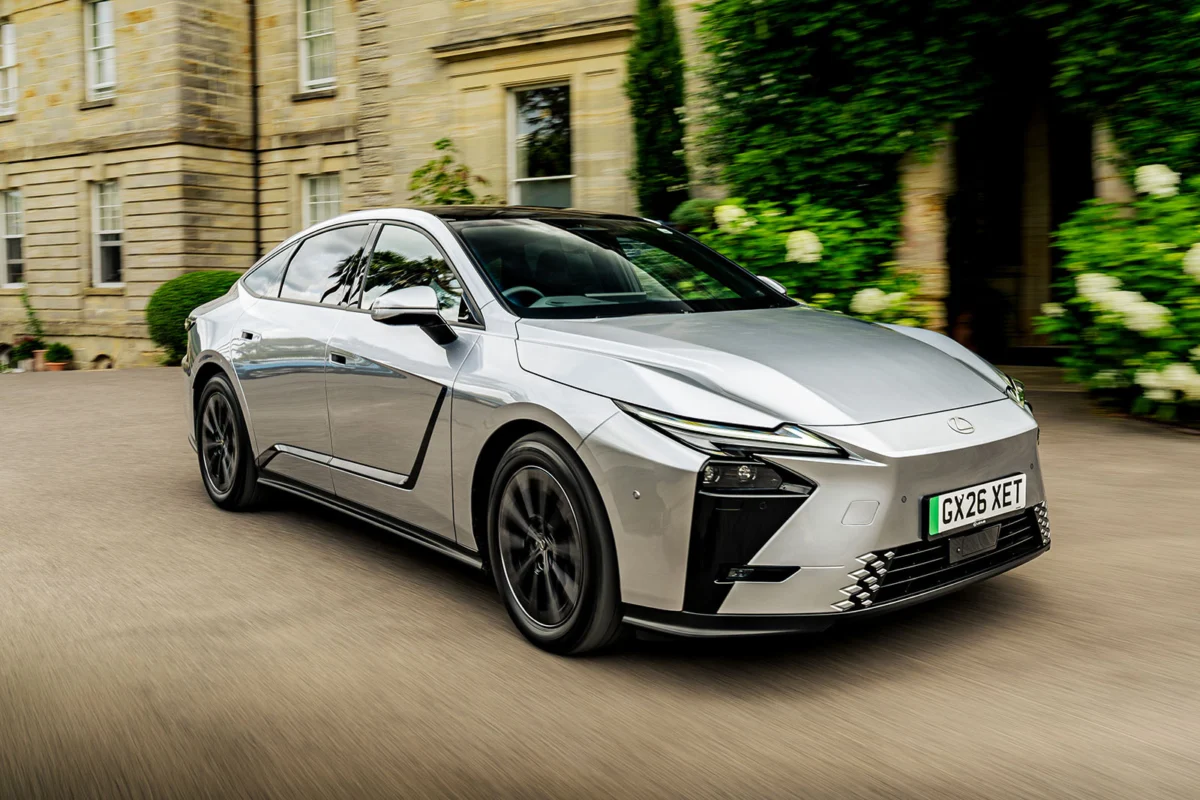
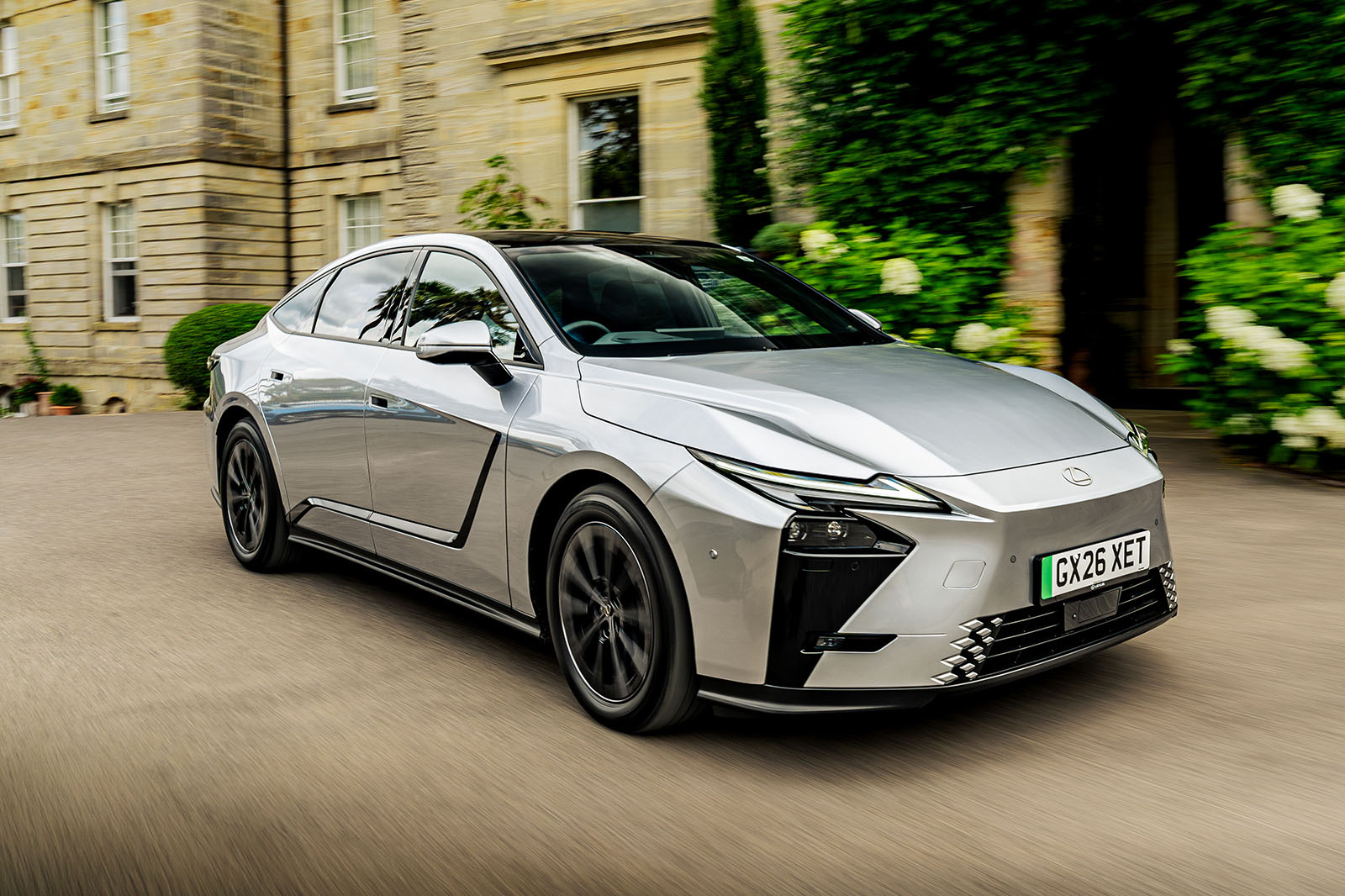
The latest iteration of the Lexus ES has arrived with a significant focus on cabin architecture and digital refinement, marking a pivotal moment in the evolution of the brand’s core executive sedan. Central to this update is an additional 80mm of wheelbase length compared to its predecessor, a structural change that fundamentally alters the interior proportions and elevates the vehicle’s status within the competitive E-segment. This expansion is designed to provide a "limo-like" experience, particularly for rear-seat occupants, positioning the ES as a more formidable rival to established European competitors such as the Mercedes-Benz E-Class and the BMW 5 Series. While the increased length significantly enhances legroom, the vehicle’s silhouette maintains a sleek profile, though this design choice results in a headroom trade-off for taller occupants in both the front and rear rows. Furthermore, the driver’s seating position remains relatively high, a characteristic that some testers suggest could benefit from a greater range of downward adjustment to better suit a sporty driving preference.
Interior Sophistication and the Takumi Grade Experience
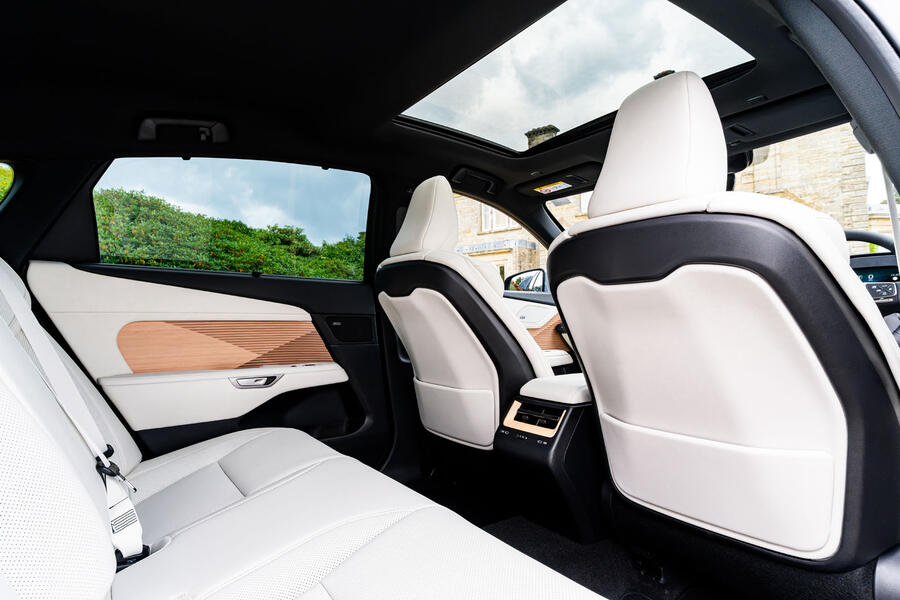
The 2026 Lexus ES continues the brand’s tradition of high-tier craftsmanship, particularly in the range-topping Takumi-grade model. This trim level is specifically engineered to cater to the VIP passenger experience, featuring heated reclining rear seats that emphasize long-distance comfort. The passenger-side rear seat is equipped with a motorized leg rest, while a remote-folding mechanism for the front passenger seat allows the rear occupant to maximize their space, effectively mimicking the executive lounge environments typically reserved for flagship models like the Lexus LS.
While the cabin may not reach the ultra-lavish heights of the previous generation LS, the perceived quality remains exceptionally high. Lexus designers have introduced a new variety of bamboo trim to the door panels, which are integrated with a sophisticated backlighting system. This "hidden-until-lit" aesthetic provides a color-selectable, high-tech ambience that bridges the gap between traditional Japanese craftsmanship and modern digital luxury. The dashboard layout strikes a balance between physical and digital interfaces, retaining tactile controls on the steering wheel spokes and employing capacitive "hidden" buttons above the central air vents. This hybrid approach aims to reduce driver distraction, allowing for the majority of primary functions to be operated without constant reliance on the touchscreen.
The Evolution of LexusConnect Multimedia Hardware
A centerpiece of the 2026 update is the freestanding 14-inch "LexusConnect" touchscreen multimedia system. This unit represents the largest screen ever integrated into a Lexus model and is the first to be developed with significant input from the company’s European design team. The shift toward European design influence suggests a strategic move by Lexus to align its user interface more closely with the preferences of Western markets, which prioritize responsiveness and intuitive navigation.
Technological specifications for the new system are substantial:
- Storage Capacity: The system boasts 256GB of built-in memory, an eightfold increase over the 32GB found in the previous ES. This allows for faster processing of navigation data and higher-resolution graphical assets.
- Voice Recognition: A new natural-language voice assistant can distinguish between the driver and the front passenger, allowing for localized climate control and infotainment adjustments.
- Customization: A new "home" screen layout allows users to create shortcuts for frequently accessed pages, reducing the need for menu diving.
- Electrification Features: A dedicated EV and Charging page has been integrated, allowing drivers to schedule home charging and pre-condition the battery for DC rapid charging—a vital feature for the hybrid and plug-in hybrid variants.
Despite these hardware leaps, the software experience remains a point of contention. While the right-hand navigation bar facilitates jumping between top-level menus and smartphone mirroring (Apple CarPlay and Android Auto), the deeper layers of the system are described as convoluted. Specifically, the system’s tendency to provide audible beeps for every screen interaction has been noted as a potential irritant, requiring users to navigate into the "accessibility" sub-menus to disable the feature.
Chronology of the Lexus ES and Platform Development
The Lexus ES has undergone a steady transformation since its debut alongside the LS 400 in 1989. Originally seen as a more comfort-oriented alternative to the rear-wheel-drive GS, the ES became the brand’s primary executive sedan offering in many markets following the GS’s retirement. The current generation utilizes the Global Architecture-K (GA-K) platform, a highly rigid front-wheel-drive chassis that also underpins the Lexus NX and RX.
The 2026 update represents the mid-to-late-cycle refinement of this platform. The decision to extend the wheelbase by 80mm is a rare move for a mid-cycle refresh, typically reserved for full generational shifts. This suggests that Lexus is doubling down on the "Executive Sedan" nomenclature, ensuring the car remains relevant as consumer preferences shift toward SUVs. The timeline of this update also aligns with stricter European General Safety Regulations (GSR2), which mandate a suite of Advanced Driver Assistance Systems (ADAS).
Technical Analysis of ADAS and User Experience
One of the primary challenges identified in the 2026 Lexus ES is the integration of ADAS. Modern regulations require vehicles to alert drivers to speed limit changes, lane departures, and driver fatigue. However, the execution of these alerts in the ES has been criticized for being overly intrusive. Unlike some competitors that offer a "Custom ADAS" shortcut button—allowing drivers to deactivate specific alerts with a single press—the Lexus system requires users to navigate through multiple menu screens.
Automotive analysts point out that this "laborious process" can detract from the luxury experience. The lack of a programmable shortcut for safety systems is a notable omission in a vehicle that otherwise prioritizes "Omotenashi" (the Japanese philosophy of hospitality). For many drivers, the distraction caused by navigating menus to silence alerts can be counterproductive to the safety goals the systems are intended to achieve.
Market Positioning and Supporting Data
The executive sedan market is currently navigating a period of significant transition. While SUVs continue to dominate sales volumes, the E-segment sedan remains a critical "halo" category for corporate fleets and chauffeur services.
| Feature | 2024 Lexus ES | 2026 Lexus ES |
|---|---|---|
| Wheelbase | 2,870 mm | 2,950 mm |
| Multimedia Screen | 12.3-inch | 14.0-inch |
| System Memory | 32 GB | 256 GB |
| Rear Seat Options | Fixed/Heated | Reclining/Leg Rest (Takumi) |
| Interface Design | Global Standard | European-Led Design |
The 80mm wheelbase increase puts the ES at a 2,950mm wheelbase, which brings it remarkably close to the standard wheelbase of the flagship LS from two generations ago. This "size creep" is a calculated move to offer "class-above" space at a price point that undercuts the long-wheelbase versions of German competitors.
Official Responses and Industry Implications
While Lexus officials have not issued a direct rebuttal to critiques regarding the ADAS interface, the company has emphasized that the "Lexus Interface" is a living software platform capable of over-the-air (OTA) updates. This implies that the menu complexity and the lack of shortcuts could potentially be addressed through future software patches. In official press releases, Lexus has stated that the goal of the 14-inch system was to create a "seamless connection between the driver and the vehicle’s digital ecosystem."
The broader impact of the 2026 Lexus ES update reflects a wider industry trend: the struggle to balance mandatory safety technology with the "serene" environment expected of luxury vehicles. As manufacturers move toward software-defined vehicles, the user interface (UI) and user experience (UX) are becoming as important as mechanical specifications. For Lexus, the hardware—exemplified by the 256GB memory and the European-designed screen—is now in place. The next step in the ES’s evolution will likely focus on refining the software logic to match the physical tranquility that the extended wheelbase and bamboo-trimmed cabin provide.
As the automotive landscape moves toward 2030, the 2026 Lexus ES stands as a testament to the enduring appeal of the traditional sedan, provided it can adapt to the digital demands of the modern era. The combination of increased physical space and upgraded digital infrastructure ensures that the ES remains a centerpiece of the Lexus lineup, even as the brand prepares for a more aggressive push into full electrification.