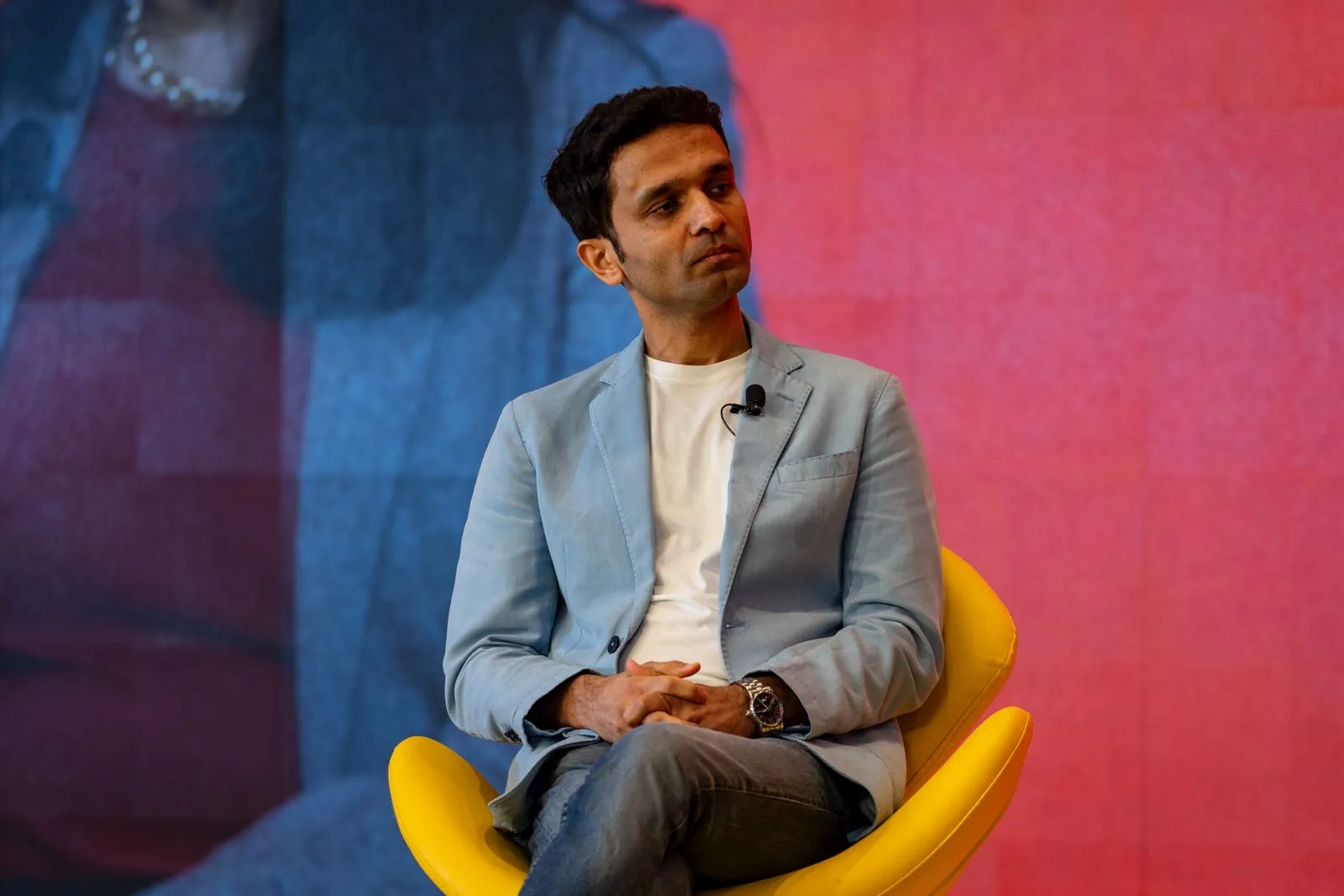
The ambitious collaboration between the Paris-based hospitality giant Accor and the Indian budget hospitality player Treebo Hospitality Ventures has come to an abrupt conclusion, marking a significant shift in the strategic landscape of the Indian mid-scale hotel market. Treebo Co-Founder and CEO Sidharth Gupta confirmed that the two entities have officially called off their discussions regarding a master licensee partnership. This partnership was originally designed to grant Treebo the rights to manage and expand Accor’s mid-market Ibis and economy Mercure brands within the Indian subcontinent.
The termination of the deal, which was initially announced in April 2024, represents a pivot for both companies. For Accor, the partnership was a cornerstone of its aggressive expansion strategy in South Asia, while for Treebo, it represented a major leap from its roots as a tech-driven budget hotel aggregator into the realm of branded, large-format hospitality management. Despite the initial optimism surrounding the synergy between Treebo’s local operational expertise and Accor’s global brand equity, the companies were ultimately unable to finalize definitive agreements.
The Vision Behind the Accor-Treebo Alliance
The partnership was first unveiled as a transformative move for the Indian hospitality sector. At the time of the announcement, the logic appeared sound: Accor, which operated 71 hotels in India at the start of 2024, had set a public goal of reaching 300 properties by 2030. Achieving such a scale would require a rapid acceleration of its footprint, particularly in the mid-scale and economy segments where local demand is highest.
Treebo, backed by investors like Matrix Partners India, SAIF Partners, and Ward Ferry, was seen as an ideal partner to facilitate this growth. Having evolved from a budget hotel aggregator to a full-stack hotel management company, Treebo possessed the technological infrastructure and local market intelligence that global chains often struggle to replicate at scale in India’s fragmented real estate market. The proposed master licensee agreement would have seen Treebo taking the lead on identifying new properties, converting existing unbranded hotels to Ibis or Mercure standards, and managing the day-to-day operations under the Accor brand umbrella.
For Treebo, the deal was a "graduation" of sorts. It provided an opportunity to move up the value chain, managing larger-format hotels with higher Average Daily Rates (ADR) and Revenue Per Available Room (RevPAR). It was intended to diversify Treebo’s portfolio beyond its core "Treebo Trend," "Treebo Tryst," and "Treebo Itsy" brands.
Chronology of the Partnership and Its Dissolution
The timeline of the relationship reflects the complexities of cross-border hospitality agreements. In early 2024, Accor and Treebo began high-level negotiations to address the gap in the mid-market segment. By April 2024, the companies announced a memorandum of understanding (MoU) or a preliminary agreement to explore the master franchise model.
Over the subsequent months, both teams engaged in rigorous due diligence and legal drafting. The focus was on creating a framework that would allow Treebo to maintain brand standards set by Accor’s global headquarters in Paris while navigating the operational idiosyncrasies of the Indian market. However, by late 2024, it became clear that the final "definitive agreements" were stalling.
Sidharth Gupta, in his recent communication, noted that the two sides "couldn’t get over the line" on the specific terms required to close the deal. While he did not specify the exact points of contention, industry insiders suggest that disagreements often arise in such partnerships over brand control, royalty fee structures, and the pace of capital expenditure required to bring Indian properties up to international Ibis and Mercure standards.
By the end of the year, both parties reached a mutual consensus to disengage. Gupta described the decision as mutual, stating that it was better for both companies to pursue their independent paths rather than proceed with a framework that did not fully satisfy both stakeholders.
The Indian Hospitality Context and Supporting Data
To understand why this termination is significant, one must look at the current state of the Indian hospitality industry. India is currently witnessing a "super-cycle" in hotel demand, driven by a surge in domestic tourism, a recovery in business travel, and a government focus on infrastructure development.
According to data from JLL’s Hotel Momentum India (HMI) report, the sector saw a significant increase in RevPAR across major cities in 2024. The mid-scale and economy segments, where Ibis and Mercure operate, have been particularly resilient. Analysts estimate that India requires an additional 2.5 million hotel rooms by 2030 to meet projected demand.
Currently, the Indian market is dominated by a few major players in the branded mid-scale space, including Lemon Tree Hotels, Sarovar Hotels & Resorts, and Ginger (by IHCL). Accor’s Ibis brand, operated largely through a joint venture with InterGlobe Hotels, has established a strong reputation for consistency. However, expanding that footprint into Tier-2 and Tier-3 cities—where the growth is fastest—requires a different operational model than the one used for flagship properties in metropolitan hubs.
Accor’s current portfolio in India remains relatively small compared to its global competitors. Marriott International and IHG (InterContinental Hotels Group) have been aggressively signing deals in the country. Marriott, for instance, has already surpassed the 150-hotel mark in India. For Accor to hit its 300-hotel target, it essentially needs to quadruple its current count within six years—a feat that now looks considerably more challenging without the Treebo partnership.
Official Responses and Strategic Implications for Accor
While Accor has not issued a lengthy rebuttal, the company’s strategy remains focused on the "India story." Accor has historically used a variety of models in India, including management contracts and joint ventures. The failure of the Treebo deal may prompt the French group to double down on its existing partnership with InterGlobe Hotels or seek out other regional management companies with similar tech-enabled capabilities.
The implications for Accor are twofold. First, there is the matter of speed. The master licensee model is designed for rapid "asset-light" expansion. Without Treebo’s pipeline of potential conversions, Accor may have to rely more on greenfield projects or individual management contracts, both of which are slower to execute. Second, there is the challenge of the "middle market." While Accor is highly successful in the luxury (Sofitel, Fairmont) and lifestyle (Ennismore) segments, the volume required for 300 hotels must come from the economy and mid-scale tiers.
Industry analysts suggest that Accor may now look toward a more fragmented approach, signing smaller-scale cluster management agreements rather than a single master licensee for the whole country. This allows for more control over brand standards but increases the administrative burden on the regional corporate office.
Strategic Implications for Treebo Hospitality Ventures
For Treebo, the collapse of the deal is a setback in its quest to enter the "premium" mid-scale market, but it is not a terminal blow. The company has spent the last several years refining its "Hotel甲" (Hotel-in-a-box) technology platform, which automates property management, revenue management, and guest experience.
Sidharth Gupta indicated that Treebo would continue to pursue its "independent path." This likely involves a renewed focus on its own proprietary brands. Treebo has already successfully pivoted from being a pure aggregator to a management company that takes full operational control of its properties. This "manachised" (management + franchise) model has allowed them to maintain higher quality standards than competitors who rely solely on branding.
Treebo may also look for other global partners. As international hotel chains look to de-risk their entry into India, Treebo’s technology stack remains an attractive asset. However, Gupta’s comments about a "clean break" suggest that the company might focus on organic growth in the near term, leveraging its existing 1,000+ hotel network across 120+ cities.
Analysis: Why Master Franchise Agreements Are Difficult in India
The failure of the Accor-Treebo deal highlights the inherent difficulties in master franchise agreements within the Indian context. Such deals require a delicate balance between three parties: the global brand owner (Accor), the master licensee (Treebo), and the individual property owners (the landlords).
- Brand Standard Arbitrage: Global brands like Mercure have strict global design and service standards. In India, many existing hotels that are candidates for conversion have "non-standard" architecture. Negotiating who pays for the renovations—the property owner or the licensee—is a frequent point of failure.
- Technology Integration: Treebo’s competitive advantage is its proprietary tech. Accor, however, requires all its hotels to be on its global distribution system (GDS) and loyalty program (ALL – Accor Live Limitless). Integrating a startup’s agile tech with a legacy global system is a massive technical and financial undertaking.
- Unit Economics: In the economy segment, margins are thin. After paying the global brand a royalty fee and the master licensee a management fee, the property owner must still see a return on investment. If the fees are too high, the deal doesn’t make sense for the landlord; if they are too low, it doesn’t make sense for Accor or Treebo.
Future Outlook for the Indian Mid-Scale Market
The termination of the Accor-Treebo discussions does not signal a cooling of interest in the Indian hotel market. On the contrary, the competition is intensifying. Hyatt recently announced a focus on its Hyatt Centric and Hyatt Place brands in India, while Radisson Hotel Group continues to be one of the most prolific signers of new properties in Tier-2 cities.
The mid-scale segment is currently the "sweet spot" for investors. With the rise of the Indian middle class and increased disposable income, travelers are looking for "predictable quality"—a promise that branded hotels provide over unorganized guest houses.
While Accor and Treebo have decided to part ways, the underlying market drivers that brought them together remain unchanged. Accor still needs a high-volume strategy to reach its 2030 goals, and Treebo still possesses the operational machinery to manage large portfolios. Whether they find new partners or succeed independently will be a key narrative to watch in the evolution of India’s hospitality ecosystem over the next five years.
In the immediate future, the industry will be watching to see if Accor announces a new strategy for the Ibis and Mercure brands in India. For Treebo, the focus returns to its core mission of organizing the fragmented budget sector, perhaps with a more cautious approach to international collaborations. As Sidharth Gupta noted, such outcomes are an occasional reality of complex corporate partnerships, but they often pave the way for more focused, independent growth strategies.