The third-generation Mercedes-Benz A-Class, internally designated as the W176, represents one of the most significant strategic pivots in the history of the Daimler AG brand. By abandoning the innovative but polarizing "sandwich floor" MPV design of its predecessors in favor of a conventional, low-slung premium hatchback silhouette, Mercedes-Benz successfully recalibrated its brand image to appeal to a younger, style-conscious demographic. Today, this model has transitioned from a showroom sensation into a highly sought-after commodity on the secondary market, where entry-level prices have stabilized around the £5,000 mark, offering a premium badge and contemporary aesthetics for the price of a much more mundane used supermini.
The Strategic Evolution: From MPV to Premium Hatchback
To understand the current value proposition of the used W176 A-Class, one must first examine the radical departure it represented from the first two generations of the model. The original W168 A-Class, launched in 1997, was an engineering marvel that prioritized interior space and safety through a unique double-layered floor. However, it suffered from a high center of gravity—famously highlighted by the "Elk Test" rollover incident—and a "frumpy" aesthetic that failed to resonate with the aspirational buyers Mercedes-Benz sought to capture.
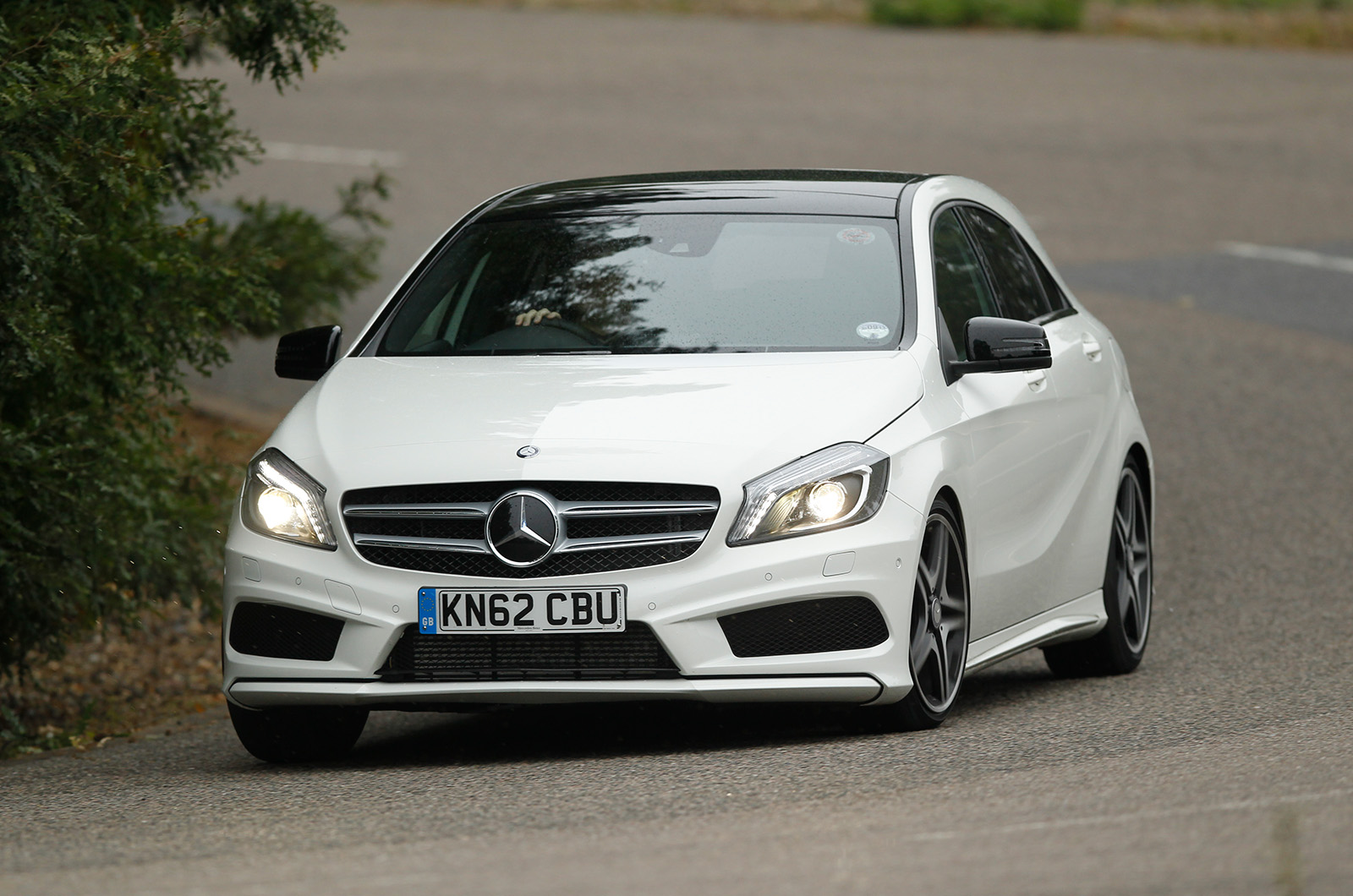
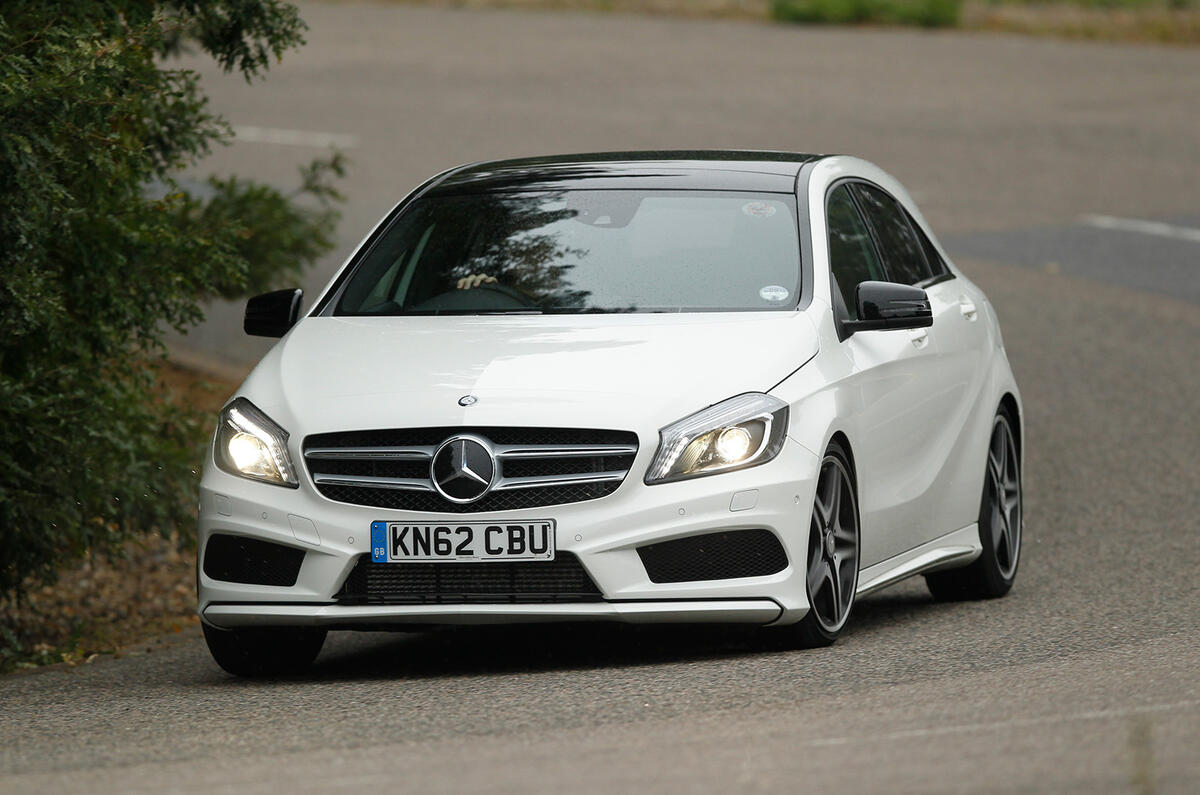
By the time the third generation arrived in 2012, the automotive landscape had shifted. The Audi A3 and BMW 1 Series had demonstrated that there was a massive, profitable market for traditional premium hatchbacks. Mercedes-Benz responded by investing approximately €2.5 billion into the development of the Modular Front Architecture (MFA) platform. The result was a car that was 160mm lower than its predecessor, featuring aggressive swage lines, a prominent grille, and an interior that mimicked the cockpit of the brand’s more expensive sports models.
Chronology of the W176 A-Class (2012–2018)
The W176 enjoyed a six-year production run, punctuated by technical updates and a significant mid-cycle refresh.
- 2012 Launch: The model debuted at the Geneva Motor Show. It initially launched with a range of turbocharged petrol and diesel engines. The A180 and A200 used a 1.6-liter petrol engine, while the A180d utilized a 1.5-liter diesel engine sourced through a partnership with Renault-Nissan.
- 2013 AMG Introduction: Mercedes-AMG launched the A45 AMG, which at the time featured the world’s most powerful series-production four-cylinder engine, producing 355bhp. This model redefined the "hyper-hatch" segment.
- 2015 Facelift (LCI): Mercedes introduced a mid-life update that included revised "diamond" grilles as standard across more trims, new LED headlamps, and an updated infotainment system that eventually supported Apple CarPlay and Android Auto. Engine outputs were slightly increased, and the "CDI" diesel branding was replaced with a simple "d."
- 2018 Discontinuation: Production of the W176 ceased to make way for the fourth-generation W177, which introduced the MBUX "Hey Mercedes" voice control system and a more digitized cabin.
Technical Specifications and Engine Variants
For the used buyer, the diversity of the A-Class engine lineup is a primary consideration. The W176 was offered with a variety of powertrains designed to balance efficiency with the performance expected of a Mercedes-Benz.
Diesel Options
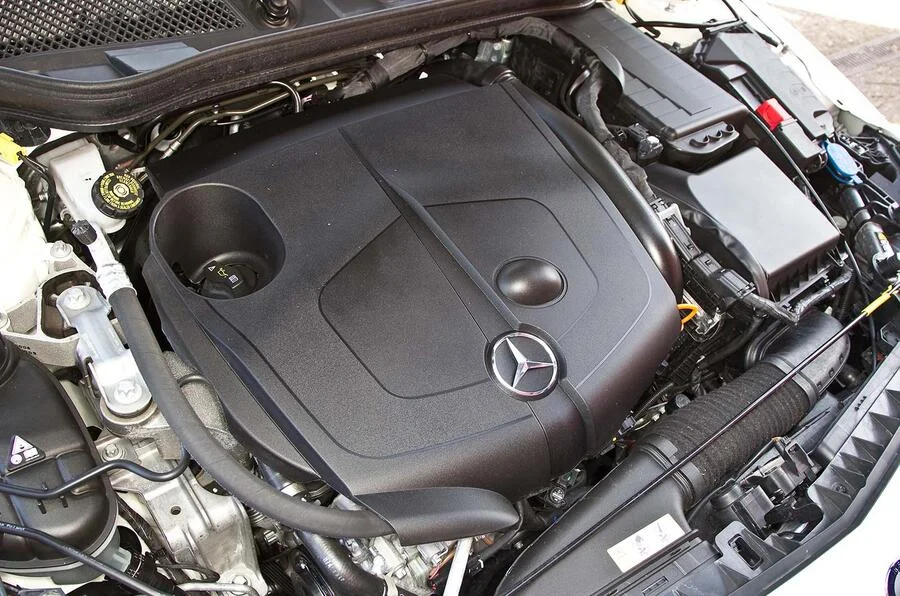
The most common models on the UK used market are the A180d and A200d. The A180d (initially 109bhp) is prized for its economy, with official figures often exceeding 70mpg on the combined cycle. While the 1.5-liter unit is a Renault-derived block, Mercedes-Benz modified the ancillaries, ECU, and engine mounts to ensure it met their standards for refinement. The A200d and A220d utilized Mercedes’ own 2.1-liter four-cylinder diesel, known for its robust torque but criticized by some for being noisier than rivals from Audi.
Petrol Options
The petrol range started with the A180 (122bhp) and A200 (156bhp), both using a 1.6-liter turbocharged engine. These are generally regarded as smoother alternatives for urban drivers who do not cover the mileage necessary to justify a diesel. The A250, featuring a 2.0-liter engine with 211bhp (later 218bhp), offered a "warm hatch" experience, often paired with the 7G-DCT dual-clutch automatic transmission.
The A45 AMG
At the top of the hierarchy sits the A45 AMG. With its 4MATIC all-wheel-drive system and hand-built M133 engine, it remains a performance icon. Used prices for these models remain significantly higher, typically starting at £18,000 for high-mileage early examples.
Market Data and Pricing Analysis
As of 2024, the W176 A-Class has entered a "sweet spot" of depreciation. Data from UK used car aggregators suggests the following pricing tiers:
- The Budget Entry (£4,500 – £6,500): High-mileage (100,000+ miles) early models, typically A180d or A180 petrol in SE or Sport trim. These are often bought by commuters or first-time premium car owners.
- The Value Choice (£7,500 – £10,000): Pre-facelift models (2013–2015) with moderate mileage (60,000–80,000) and higher specifications like the AMG Line, which adds more aggressive styling and firmer suspension.
- The Premium Used (£11,000 – £15,000): Post-facelift (2016–2018) models with lower mileage and desirable options like the "Premium Plus" pack, which includes a panoramic sunroof, electric memory seats, and the larger 8-inch infotainment screen.
According to industry depreciation curves, the A-Class holds its value slightly better than the equivalent Vauxhall Astra or Ford Focus, but it sits just below the Volkswagen Golf in terms of percentage retained value over a three-year period. This makes it an attractive middle-ground for buyers seeking prestige without the "VW tax."
Reliability and Common Issues: What Buyers Should Know
While the Mercedes badge carries an aura of reliability, the W176 is not without its documented faults. Potential buyers are advised to conduct thorough pre-purchase inspections focusing on the following areas:
- Dual-Clutch Transmission (7G-DCT): Early automatic models can suffer from jerky gear changes, particularly between first and second gear. A software update often fixes this, but mechanical wear in the clutch packs can be expensive to rectify.
- Interior Build Quality: While the design is impressive, some owners have reported "creaks and rattles" from the dashboard and door cards, particularly in cars with the firmer AMG Line suspension.
- Sensors: Like many modern German cars, the A-Class is sensitive to sensor failures, particularly wheel speed sensors and Nitrogen Oxide (NOx) sensors on diesel models.
- Rear Visibility: The stylish, sloping roofline and thick C-pillars create significant blind spots, making models equipped with a reversing camera highly desirable.
Official Responses and Industry Impact
At the time of the W176’s launch, Mercedes-Benz executives were vocal about the car’s mission. Dieter Zetsche, then-Chairman of Daimler AG, famously stated that "A is for Attack," signaling the brand’s intent to dominate the compact segment. This aggressive strategy paid off; the A-Class became the brand’s best-selling model in several European markets and succeeded in lowering the average age of a Mercedes-Benz buyer by more than ten years.
Industry analysts note that the W176 also paved the way for a "family" of compact cars. The success of the A-Class hatch allowed Mercedes to spin off the CLA (a four-door coupe), the CLA Shooting Brake (an estate), and the GLA (a compact SUV). For a used buyer, this means that parts and servicing expertise are widely available due to the high volume of shared components across these platforms.
Broader Implications for the Used Car Market
The availability of the A-Class for £5,000 has broader implications for the automotive market. It exerts downward pressure on the prices of non-premium hatchbacks. A buyer faced with the choice between a five-year-old mainstream hatchback and a slightly older Mercedes-Benz for the same price will frequently choose the latter, driven by the perceived status and the higher quality of materials found in the Mercedes cabin.
Furthermore, the W176’s transition to the used market highlights the longevity of modern premium designs. Despite being over a decade old in its earliest forms, the W176 does not look "dated" in the way its predecessors did. Its LED light signatures and sharp creases align with current design languages, ensuring it remains a viable choice for those who want to maintain a modern image on a budget.
Conclusion: A Calculated Purchase
The used Mercedes A-Class (W176) stands as a testament to the brand’s ability to reinvent itself. For the prospective buyer, the current market offers a wealth of choice. While the £5,000 entry point is tempting, savvy buyers often find the best value in the £8,000 to £9,000 range, where they can secure a well-maintained AMG Line model that balances the prestige of the three-pointed star with manageable running costs.
As the automotive world moves increasingly toward electrification and subscription-based features, the W176 represents the peak of the traditional, driver-centric premium hatchback era—a "posh hatch" that remains a definitive catch for the discerning used car shopper.