DS Automobiles is undergoing a significant strategic transformation within the Stellantis portfolio, shifting its identity to a "specialty" brand while preparing a critical product offensive led by the upcoming N°3 supermini. This move represents a calculated retreat from the brand’s previous attempt to compete as a high-volume premium manufacturer, instead focusing on a more curated, design-led niche alongside Lancia. Central to this revival is the N°3, a vehicle tasked with correcting the sales trajectory of the brand by returning to the traditional hatchback proportions that once defined its greatest commercial success. The decision to move away from the crossover-centric approach of the current DS 3 marks a pivotal moment for the French marque as it attempts to stabilize its presence in the UK and European markets.
A Strategic Realignment within Stellantis
The reclassification of DS as a specialty brand comes at a time of broader consolidation within Stellantis, the automotive giant formed by the merger of PSA Group and Fiat Chrysler Automobiles. Under the leadership of CEO Carlos Tavares, Stellantis has organized its 14 brands into distinct clusters to avoid internal competition and maximize resource sharing. DS now sits within the "Premium" and "Specialty" groupings, sharing technical architectures and strategic goals with Alfa Romeo and Lancia.
This new designation implies a shift in expectations. Rather than chasing the mass-market volume of stablemates like Peugeot or Opel, DS is being positioned to prioritize higher margins, bespoke craftsmanship, and a distinct "Parisian" luxury aesthetic. However, the move also raises questions regarding the future of the brand’s global retail network. With Lancia being integrated more closely with Fiat operations in certain regions, the industry is watching closely to see if DS will maintain its standalone "DS Stores" or move toward a multi-brand showroom model to reduce overhead costs in a period of declining registrations.
The N°3: Returning to the Source of Success
The most tangible evidence of this strategic pivot is the development of the N°3. Internal reports and design previews suggest that the vehicle will abandon the high-riding, crossover silhouette of the current DS 3 in favor of a more traditional, low-slung supermini body style. This design direction is a direct homage to the original Citroën DS3, launched in 2009, which remains the brand’s most successful model to date.
The original DS3 was a phenomenon in the B-segment, offering a level of personalization and chic styling that allowed it to compete effectively with the Mini Cooper. Its success was the primary catalyst for the decision to spin DS off into a standalone brand in 2014. By returning to these roots, DS design director Thierry Métroz aims to capture the "spirit of 2009" while utilizing modern electrification platforms.
The N°3 is expected to be built upon the STLA Small platform, a highly flexible architecture designed to accommodate both fully electric and hybrid powertrains. This move aligns with the brand’s commitment to becoming an all-electric entity, a transition that began in earnest in 2024. By leveraging the same underpinnings as the successful Peugeot E-208 and the upcoming Renault 5 rival, the N°3 will benefit from economies of scale while attempting to differentiate itself through avant-garde interior materials and superior acoustic insulation.

Analysis of the UK Market Decline
The urgency behind the N°3’s launch is underscored by a sobering analysis of the brand’s performance in the United Kingdom, historically one of its strongest markets outside of France. Data provided by the Society of Motor Manufacturers and Traders (SMMT) reveals a consistent and steep decline in registrations over the last eight years.
In 2017, DS recorded 9,082 sales in the UK, a figure bolstered by the enduring popularity of the original hatchback and the introduction of the DS 7 Crossback. However, as the brand transitioned away from the traditional supermini to the DS 3 Crossback in 2019, the market response was lukewarm. While the crossover trend was booming globally, the DS 3 Crossback failed to capture the imagination of the "chic" urban demographic that had championed its predecessor.
The following table illustrates the year-on-year decline:
| Year | UK Unit Sales | Percentage Change (YoY) |
|---|---|---|
| 2017 | 9,082 | — |
| 2018 | 5,074 | -44.1% |
| 2019 | 4,299 | -15.3% |
| 2020 | 2,379 | -44.7% |
| 2021 | 2,362 | -0.7% |
| 2022 | 3,674 | +55.5% |
| 2023 | 2,403 | -34.6% |
| 2024 | 1,152 | -52.1% |
| 2025 | 1,015 | -11.9% |
The brief recovery in 2022 was largely attributed to the clearing of pandemic-related supply chain backlogs and the launch of the DS 4, but the momentum was short-lived. By 2025, sales had dwindled to just 1,015 units—a nearly 90% decrease from the 2017 peak. Perhaps most telling is the specific performance of the DS 3 line: in 2018, the aging supermini sold 3,000 units in the UK alone, whereas the modern crossover variant managed only 133 registrations in 2025.
Official Perspectives and Brand Aspirations
Despite the challenging data, leadership at Stellantis remains publicly optimistic about the brand’s long-term viability. DS design director Thierry Métroz has been vocal about the need to "recapitalize" on the brand’s heritage. "We sold 500,000 DS 3 generation-ones," Métroz noted in a recent interview. "It was a success story. It had many, many customers in France, but also in the UK. We must take inspiration from that success because it proves there is a market for a premium, French-designed small car that doesn’t necessarily need to be an SUV."
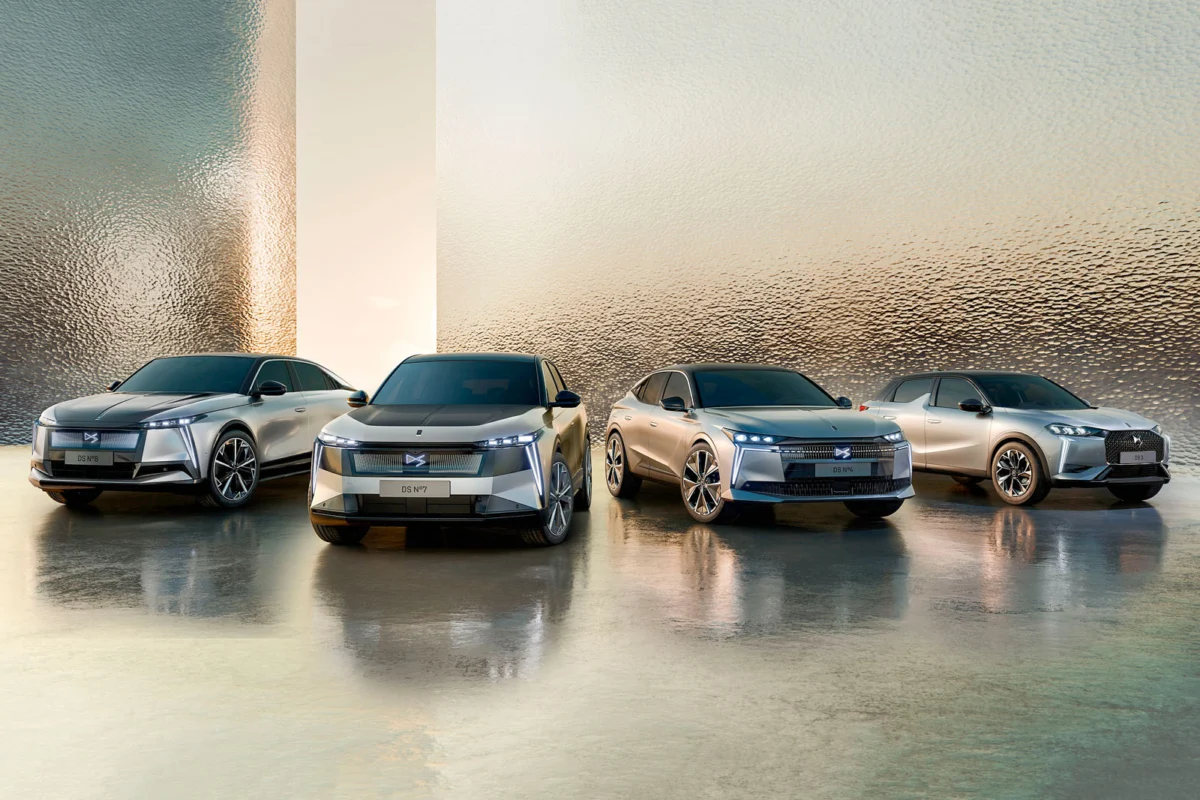
The brand’s executive team has set a clear benchmark for recovery. While the specialty brand status allows for lower volumes than mass-market players, the current levels are deemed unsustainable. The stated goal is to return to a global baseline of at least 55,000 annual sales. This recovery plan relies heavily on a refreshed "N°" nomenclature and a simplified product lineup consisting of the N°3, N°4, N°7, and N°8.
The N°4 will continue to occupy the premium compact segment, while the N°7 and N°8 will serve as the brand’s flagship offerings, focusing on the D and E segments respectively. The N°8, in particular, is expected to be a high-riding fastback that merges the comfort of a sedan with the presence of an SUV, targeting the executive market with a purely electric powertrain.

Broader Implications and Industry Context
The pivot of DS Automobiles reflects a wider industry trend where "premium" is being redefined. As mainstream manufacturers like Volkswagen and Peugeot move their products upmarket with better materials and technology, traditional premium brands are finding it harder to justify their price premiums. By moving into the "specialty" space, DS is attempting to avoid a direct head-to-head battle with the German "Big Three" (Audi, BMW, and Mercedes-Benz) and instead compete on the basis of exclusivity and artistic flair.
Furthermore, the success of competitors like the new Renault 5 and the Mini Cooper SE suggests that the European market is entering a "renaissance of the supermini." High fuel costs, urban congestion, and the efficiency requirements of electric vehicles are making smaller, lighter cars more attractive once again. If the N°3 can offer a compelling electric range—likely exceeding 250 miles on the WLTP cycle—combined with the unique "Clous de Paris" interior finishing and watch-strap leather seats that the brand is known for, it may well find a dedicated audience that the DS 3 Crossback failed to reach.
However, the road ahead remains fraught with risk. The brand must sustain its UK and European dealer operations for at least another year before the N°3 reaches showrooms in significant numbers. During this interim period, the larger N°4 and N°7 models must carry the weight of the brand’s overheads. The drastic drop in 2024 and 2025 registrations suggests that consumer awareness of the brand is at an all-time low, requiring a significant marketing investment to reintroduce the "N°" naming convention to the public.
Timeline for the DS Revival
The rollout of the new DS strategy is expected to follow a strict chronology over the next 24 months:
- Late 2024 – Early 2025: Finalization of the specialty brand integration within the Stellantis European sales network and the launch of the updated DS 7.
- Mid 2025: Official unveiling of the N°8 flagship, showcasing the brand’s new design language and the capabilities of the STLA Medium platform.
- Late 2025: World premiere of the N°3 supermini, with pre-orders opening in key European markets including France, Italy, and the UK.
- 2026: Full commercial launch of the N°3, marking the brand’s return to the high-volume B-segment.
The success of this timeline will determine whether DS Automobiles can reclaim its status as a viable player in the luxury landscape or if it will remain a fringe participant in an increasingly consolidated automotive world. For now, the N°3 stands as the brand’s most important project—a small car carrying the very big hopes of a French luxury icon in transition.