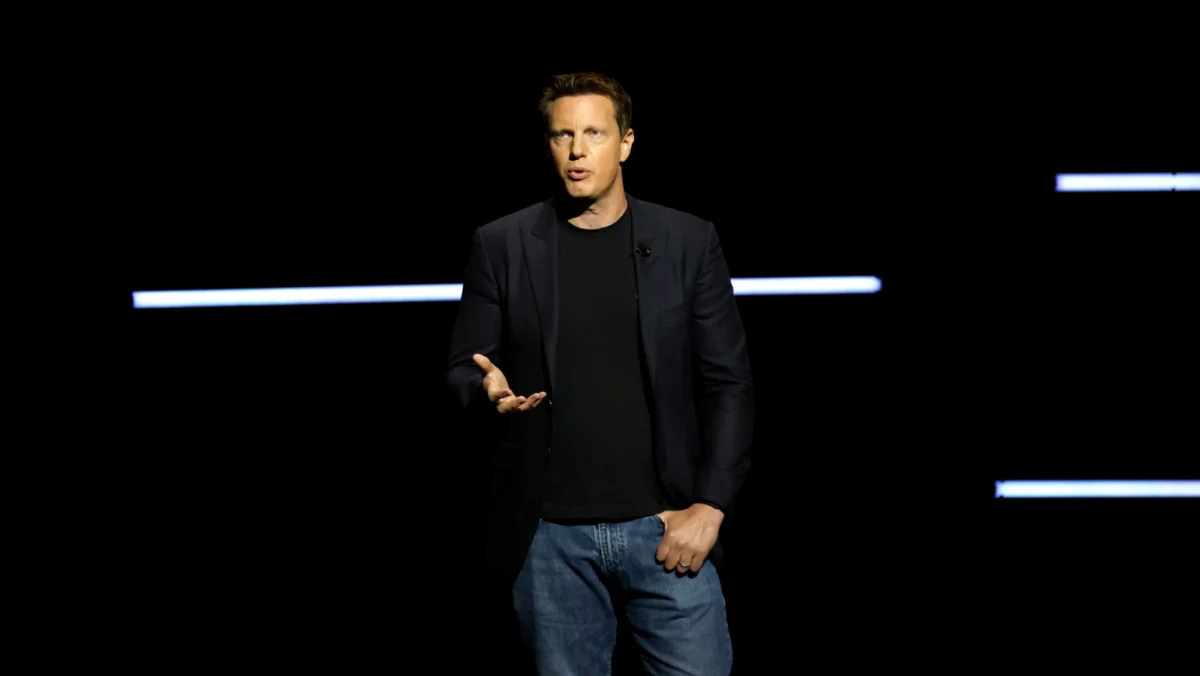
David Ellison, CEO of Skydance Media, has broken his customary silence to address the antitrust lawsuit aiming to block his company’s proposed acquisition of Warner Bros. Discovery. In a pointed op-ed published in The New York Times, Ellison asserts that political motivations, rather than legitimate market concerns, lie at the heart of the legal challenges. He directly confronts the attorneys general who filed the suit, and implicitly the Writers Guild of America, suggesting their actions are influenced by broader political pressures, particularly concerning the ownership of CNN.
"I believe that anyone who oversees a news organization – I am chief executive of Paramount, which owns CBS – shouldn’t put a finger on the scale, especially on matters involving his own company," Ellison wrote, drawing a direct parallel to his leadership role at Paramount Global, a stake he is poised to acquire through the Warner Bros. Discovery transaction. He explained his initial reticence to respond, stating, "So, when California’s attorney general, 11 other state attorneys general and, a day later, the Writers Guild of America sued to stop the deal, I stayed quiet. I quickly learned such restraint has costs. While I was silent, others were happy to write my story for me. No more." This statement signals a strategic shift in his communication approach, moving from private deliberations to public defense of the proposed merger.
Ellison’s op-ed directly links the legal opposition to the pending acquisition of CNN, a prominent news division within Warner Bros. Discovery. While he refrains from explicitly naming President Trump, his reference to repeated discussions of the deal in relation to CNN suggests an awareness of external political discourse that may be fueling the legal challenges. The op-ed strongly implies that the primary concern for the plaintiffs is not market competition but rather the perceived political leanings and intentions of a potential owner of a major news outlet.
Allegations of Political Interference in a Corporate Transaction
Ellison articulates his belief that the opposition to the Skydance deal is rooted in a deeper anxiety about his stewardship of CNN. "I believe this fight is not really about market share… I believe a plainer worry sits beneath the briefs and the news releases: the news. The issue is whether I can be trusted as a steward of Warner’s CNN. There has been speculation about my politics, my loyalties, my intentions," he stated. This directly addresses the underlying concerns that have been voiced, albeit more subtly, by critics and those involved in the legal proceedings.
To counter these perceptions, Ellison emphasizes his commitment to journalistic independence and a balanced approach to news coverage. "Unfortunately, I can’t give anyone a view into my heart and mind, but I can share this: I have regularly voted for candidates of both parties; I hold some views that would be called conservative and others that would be called liberal, just like most Americans; and when it comes to our news operations, I do not aspire to lead these companies to bend their newsrooms to my views. I believe that news should be based on facts and truth," he explained. This statement is a direct attempt to allay fears that his ownership would lead to a politicized news agenda, a common concern when media conglomerates change hands.
He further elaborated on this commitment by reiterating his publicly stated positions on the necessity of fair and impartial news reporting. "And it requires independence. Our journalists will continue to answer to the facts and to all the people they serve – not to any party or cause," Ellison affirmed, aiming to reassure media professionals and the public alike about the future editorial direction of CNN under his potential leadership.
A Deepening Corporate Landscape and Regulatory Scrutiny
The proposed acquisition of Warner Bros. Discovery by Skydance Media, backed by private equity firm RedBird Capital Partners, represents a significant consolidation within the already dynamic and increasingly competitive media and entertainment industry. Skydance, known for its film and television production capabilities, has been strategically looking to expand its influence and operational scope. The potential merger with Warner Bros. Discovery, a titan with a vast library of intellectual property, iconic film studios, and a global television network, including CNN, would create an entity with considerable leverage in content creation, distribution, and intellectual property management.
The antitrust lawsuit, filed by the attorneys general of California and 11 other states, along with the Writers Guild of America (WGA), raises concerns about potential monopolistic practices and the impact on competition within the media landscape. While the specific legal arguments are detailed in court filings, the underlying sentiment expressed by Ellison suggests a perception that these challenges are being amplified by political considerations rather than solely by economic or competitive factors.
Chronology of Events and Legal Challenges
The timeline leading to Ellison’s public statement and the ongoing legal battles can be traced back through several key phases:
- Initial Merger Discussions and Agreements: Skydance Media, under David Ellison’s leadership, engaged in prolonged negotiations with Warner Bros. Discovery’s board and major shareholders, including controlling stakeholder Discovery Inc. and its CEO David Zaslav. These discussions culminated in a preliminary agreement for Skydance to acquire a controlling stake in Warner Bros. Discovery.
- Regulatory and Stakeholder Scrutiny: As the deal progressed, it inevitably attracted the attention of regulatory bodies tasked with overseeing mergers and acquisitions to prevent anti-competitive practices. Simultaneously, industry stakeholders, such as the Writers Guild of America, began to voice concerns about the potential implications for content creators and the broader creative economy.
- Antitrust Lawsuit Filing: In a significant development, the attorneys general of California and 11 other states jointly filed an antitrust lawsuit aiming to halt the proposed transaction. This legal action signaled a robust challenge to the merger, prompting broader media attention and industry speculation. Shortly thereafter, the Writers Guild of America also initiated legal proceedings, echoing and potentially augmenting the concerns raised by the state officials.
- Ellison’s Silence and Strategic Decision: For a period following the lawsuit filings, Skydance and Ellison maintained a relatively low public profile, allowing legal processes to unfold. However, the sustained narrative and the perceived impact of this silence on the public perception of the deal prompted Ellison to break his quietude.
- Op-Ed Publication: David Ellison’s op-ed in The New York Times marks a pivotal moment, shifting Skydance’s strategy from a reactive stance to a proactive public relations effort aimed at shaping the discourse surrounding the proposed acquisition.
Supporting Data and Industry Context
The media landscape in which this transaction is taking place is characterized by intense competition and significant disruption. Legacy media companies, including Warner Bros. Discovery, are grappling with the dominance of streaming giants like Netflix, Amazon Prime Video, and Disney+, as well as the burgeoning influence of technology companies entering the content space.
- Streaming Dominance: The shift to streaming services has fundamentally altered consumer viewing habits and revenue models. Warner Bros. Discovery, through its streaming platforms like HBO Max (now Max) and Discovery+, is actively competing in this space, but faces immense pressure to achieve profitability and subscriber growth.
- Content Value and Intellectual Property: The value of established intellectual property (IP) has become a critical asset for media conglomerates. Warner Bros. Discovery possesses a treasure trove of iconic franchises, including DC Comics, Harry Potter, and a vast catalog of films and television shows from its various studios and networks. Skydance’s interest is partly driven by the potential to leverage and expand these IP assets.
- Consolidation Trends: The media industry has seen a wave of consolidation in recent years, driven by the need for scale, cost efficiencies, and diversified revenue streams. The proposed Skydance-Warner Bros. Discovery deal fits within this broader trend, aiming to create a more formidable player capable of competing on a global scale.
- Financial Pressures: Many traditional media companies are under significant financial pressure, facing declining advertising revenues from linear television and the high costs associated with producing original content for streaming services. Acquisitions and strategic partnerships are often viewed as pathways to financial stability and growth.
Official Responses and Broader Implications
The filing of the antitrust lawsuit by the state attorneys general and the WGA has triggered a wave of reactions and analyses from legal experts, industry observers, and financial analysts.
- State Attorneys General: The collective action by multiple state attorneys general suggests a coordinated effort to scrutinize the potential market impact of the merger. Their filings will likely focus on issues such as reduced competition in content production, potential price increases for consumers, and the impact on labor markets within the entertainment industry.
- Writers Guild of America: The WGA’s involvement underscores concerns within the creative community about the potential for further consolidation to diminish bargaining power for writers and impact the diversity of content creation. The WGA has historically been a vocal advocate for fair compensation and working conditions, and its opposition signals a significant concern for labor rights within the industry.
- Warner Bros. Discovery Board and Management: While the op-ed comes from Skydance, the board of directors and management of Warner Bros. Discovery, led by David Zaslav, will be central to the approval process of any merger. Their stance, influenced by fiduciary duties to shareholders, will be crucial. They have publicly supported the strategic rationale of a potential deal with Skydance.
- Financial Markets: Investors and analysts will closely monitor the legal proceedings and regulatory reviews, as these will significantly impact the stock prices of both Warner Bros. Discovery and the future valuation of Skydance. The outcome of the antitrust challenges could set precedents for future media mergers.
Analysis of Implications
The implications of this legal battle extend beyond the immediate transaction. If the lawsuit is successful in halting the Skydance-Warner Bros. Discovery deal, it could signal a more stringent regulatory environment for large-scale media mergers. This could have a chilling effect on future consolidation efforts, potentially preserving a more fragmented media landscape but also potentially hindering companies’ abilities to achieve the scale needed to compete globally.
Conversely, if Skydance and Warner Bros. Discovery successfully navigate the legal challenges, it could embolden further consolidation and lead to the creation of a more dominant entity in Hollywood. Ellison’s public assertion of political motivations behind the lawsuit, if widely accepted, could also influence public perception of regulatory actions and their potential for partisan influence.
The core of Ellison’s argument rests on the distinction between legitimate antitrust concerns and politically motivated opposition, particularly regarding news operations. His commitment to maintaining CNN’s journalistic integrity, independent of his personal political views, is a central theme of his defense. This focus on media independence is critical in an era where trust in news organizations is paramount and subject to intense scrutiny. The outcome of this legal and public relations battle will undoubtedly shape the future of Warner Bros. Discovery and influence the broader trajectory of media consolidation and regulation in the years to come. Ellison’s decision to engage publicly marks a significant escalation in the campaign to secure the approval of a deal that he clearly believes is vital for the future of the companies involved, and which he asserts is being unfairly targeted.