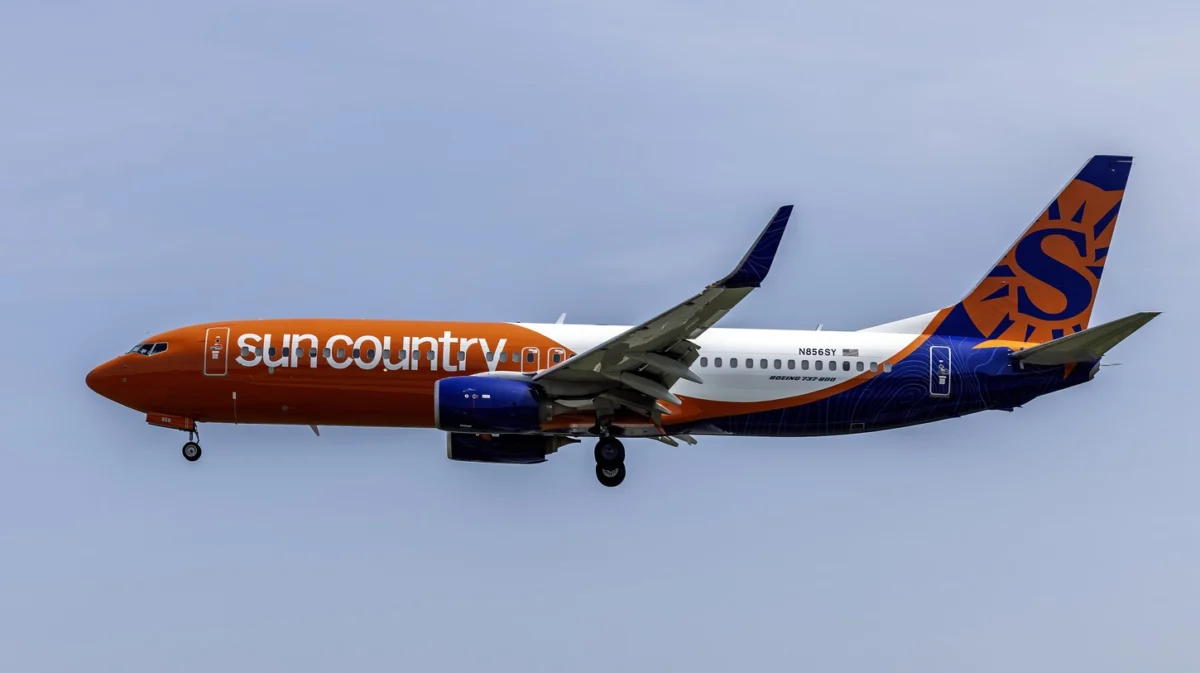
The landscape of the Midwestern aviation market is undergoing a significant shift as Sun Country Airlines, the Minneapolis-based ultra-low-cost carrier (ULCC), grapples with a surge in pilot attrition. Recent reports indicate that the airline is seeing a notable departure of junior pilots from its primary hub at Minneapolis-St. Paul International Airport (MSP). This trend has gained momentum following the closing of the Allegiant merger, an event that has sent ripples through the regional labor market and recalibrated the competitive dynamics between budget carriers and legacy giants.
According to industry data and executive commentary, the primary destination for these departing aviators is Delta Air Lines, the dominant legacy carrier at MSP. The movement of flight deck talent from a niche, leisure-focused airline to a global heavyweight underscores the ongoing "pilot poaching" phenomenon that has characterized the post-pandemic recovery of the United States aviation sector.
The Delta Factor: A Regional Tug-of-War for Talent
The Minneapolis-St. Paul International Airport serves as a unique battleground for this labor struggle. While Sun Country maintains its headquarters and a significant operational base there, the airport also functions as one of Delta Air Lines’ most critical Midwest hubs. This proximity creates a "vacuum effect" where junior pilots, having gained necessary flight hours and experience at Sun Country, find it geographically and professionally convenient to transition to Delta.
During a recent call with analysts, Allegiant CEO Greg Anderson provided insight into the situation, highlighting the specific demographic of the departures. "Sun Country has experienced elevated pilot attrition, concentrated among its junior MSP pilots and largely driven by increased hiring at the largest carrier in the Twin Cities," Anderson noted, explicitly referencing Delta’s aggressive recruitment strategies.
For junior pilots, the allure of a legacy carrier like Delta is multifaceted. Beyond the immediate increase in compensation and benefits, legacy airlines offer a diverse range of career paths, including the opportunity to fly wide-body aircraft on international routes—a prospect that Sun Country’s fleet of Boeing 737s cannot provide. Furthermore, the long-term stability and seniority-based progression at a global carrier often outweigh the rapid promotion cycles sometimes found at smaller ULCCs.
Operational Impact and the Reduction of Off-Peak Flying
The loss of flight deck crew is not merely a human resources challenge; it has immediate implications for Sun Country’s flight schedule and revenue potential. To mitigate the strain caused by the shortage of available pilots, the airline has begun adjusting its operational footprint at MSP.
Management has indicated that the airline will reduce its off-peak flying out of the Twin Cities. This strategic retreat allows the carrier to prioritize its most profitable, high-demand routes during peak travel periods, ensuring that its limited pilot resources are utilized where they generate the highest yield. Off-peak flights, which often cater to budget-conscious leisure travelers on mid-week schedules, are the first to be sacrificed when crew availability becomes a bottleneck.
This operational pivot reflects a broader trend among low-cost carriers: the shift from growth-at-all-costs to a "defensive" scheduling posture. By cutting less-profitable flights, Sun Country aims to maintain reliability on its core schedule, thereby avoiding the costly mass cancellations that have plagued other airlines during periods of labor instability.
Chronology of the Labor Shift
To understand the current attrition at Sun Country, one must look at the timeline of the U.S. pilot market over the last three years:
- 2021-2022: The Post-Pandemic Rebound. As travel demand surged following the lifting of COVID-19 restrictions, legacy carriers found themselves understaffed due to early retirements and voluntary buyouts offered during the height of the pandemic.
- 2023: The Great Hiring Spree. Delta, United, and American Airlines initiated record-breaking hiring cycles. To attract talent, these carriers signed landmark contracts with pilot unions, significantly raising the industry standard for pay.
- Late 2023 – Early 2024: The ULCC Squeeze. As legacy carriers filled their ranks, they began drawing heavily from the "middle tier" of the industry—carriers like Sun Country, Spirit, and Allegiant.
- Mid-2024: Consolidation and Market Shifts. Following major industry movements, including the closing of the Allegiant merger and other consolidation efforts, the competitive landscape for labor tightened. This period marked the beginning of the "elevated attrition" noted by Greg Anderson.
Analysis of the Pilot Pipeline and Junior Aviator Dynamics
The concentration of attrition among "junior" pilots is a critical detail for market analysts. In the aviation industry, junior pilots are typically those in their first few years at a carrier. They often serve as first officers and are essential for maintaining the "pipeline" that eventually produces senior captains.
When a junior pilot leaves for a legacy carrier, the airline loses not just a current employee, but a future captain in whom it has invested significant training costs. The cost of onboarding and training a new Boeing 737 pilot can range from $50,000 to $100,000, depending on their prior experience. High turnover in this demographic forces an airline into a perpetual cycle of recruitment and training, which can inflate operating expenses and reduce overall efficiency.
Furthermore, the "1,500-hour rule" in the United States—which requires pilots to have 1,500 hours of flight time before acting as a first officer for a commercial airline—has created a bottleneck at the entry level. While Sun Country acts as a bridge for pilots moving from regional flying to major carriers, the speed at which they are currently crossing that bridge is faster than the airline’s ability to replenish its ranks.
Official Responses and Industry Sentiment
While the attrition rates are currently high, leadership at related carriers remains cautiously optimistic about the long-term outlook. Greg Anderson described the current situation as "temporary," suggesting that the hiring surge at legacy carriers may eventually reach a saturation point.
"We view it as temporary," Anderson stated during the analyst call. "But just maybe taking a step back, just in general, we have a number of pilots who are looking for the lifestyle and the stability that our model provides."
Industry analysts suggest that Sun Country may need to revisit its pilot contracts to remain competitive. While ULCCs cannot always match the top-tier hourly rates of Delta or United, they often compete on "quality of life" factors, such as more predictable schedules and the ability for pilots to return to their home base every night. For pilots based in Minneapolis, the convenience of staying at MSP is a significant draw, but as the pay gap between Sun Country and Delta widens, that geographic advantage becomes harder to maintain.
Broader Implications for the Twin Cities Market
The struggle for pilots at MSP is a microcosm of the challenges facing the broader U.S. aviation industry. As Delta continues to solidify its dominance at the hub, Sun Country must find a way to coexist without becoming a mere "training ground" for its larger competitor.
For travelers in the Twin Cities, the reduction in off-peak flying could lead to higher fares and fewer choices for non-stop leisure travel. Sun Country has long been the primary alternative to Delta’s premium pricing at MSP. If the carrier is forced to further scale back its operations due to labor constraints, the lack of competition on certain routes could result in an upward pressure on ticket prices across the region.
Moreover, the situation highlights the vulnerability of the ultra-low-cost model in a high-cost labor environment. The ULCC business model relies on low overhead and high aircraft utilization. When pilot shortages force aircraft to sit idle during off-peak hours, the fundamental economics of the airline are challenged.
Conclusion and Future Outlook
Sun Country Airlines finds itself at a pivotal juncture. The elevated attrition of junior pilots to Delta Air Lines is a clear indicator of the intense competition for skilled labor in the aviation sector. While executives characterize the trend as a temporary hurdle linked to broader industry consolidation and the Allegiant merger, the operational reality of reduced flight schedules suggests a more complex challenge.
In the coming months, the industry will be watching to see if Sun Country’s strategy of prioritizing peak-hour flying will stabilize its bottom line. Simultaneously, the pace of hiring at Delta will serve as the primary barometer for when Sun Country might see relief. Until the "legacy vacuum" slows its intake, smaller carriers at major hubs will likely continue to face the difficult task of balancing growth with a diminishing supply of flight deck talent.
The battle for the skies over Minneapolis is no longer just about who can offer the lowest fare—it is about who can keep their pilots in the cockpit. For Sun Country, the mission is to prove that its unique business model can still provide a viable career path for the next generation of aviators in the face of legacy competition.