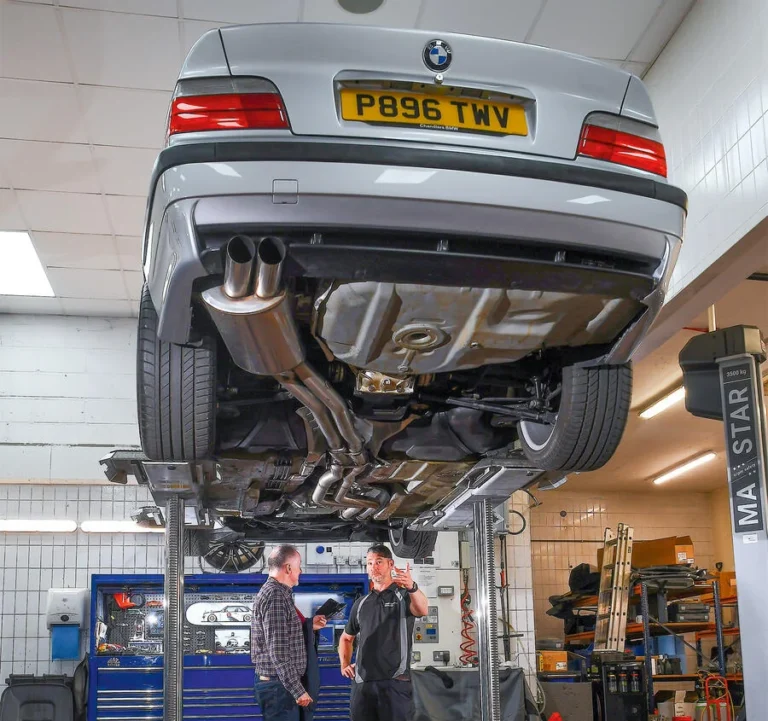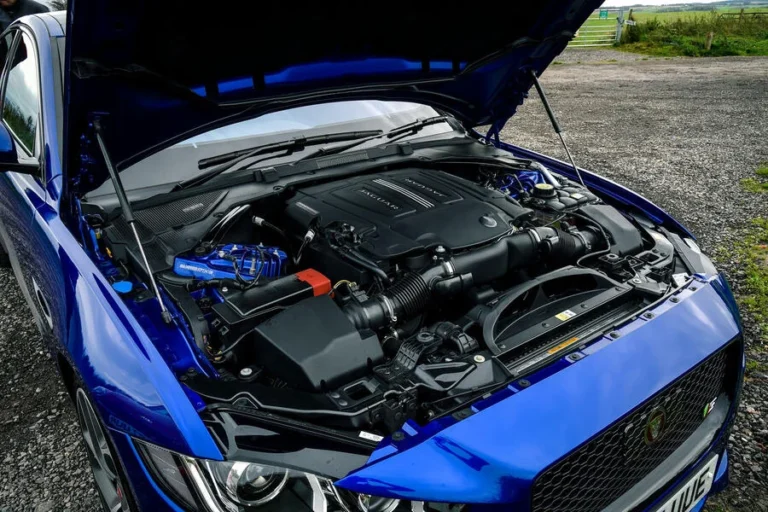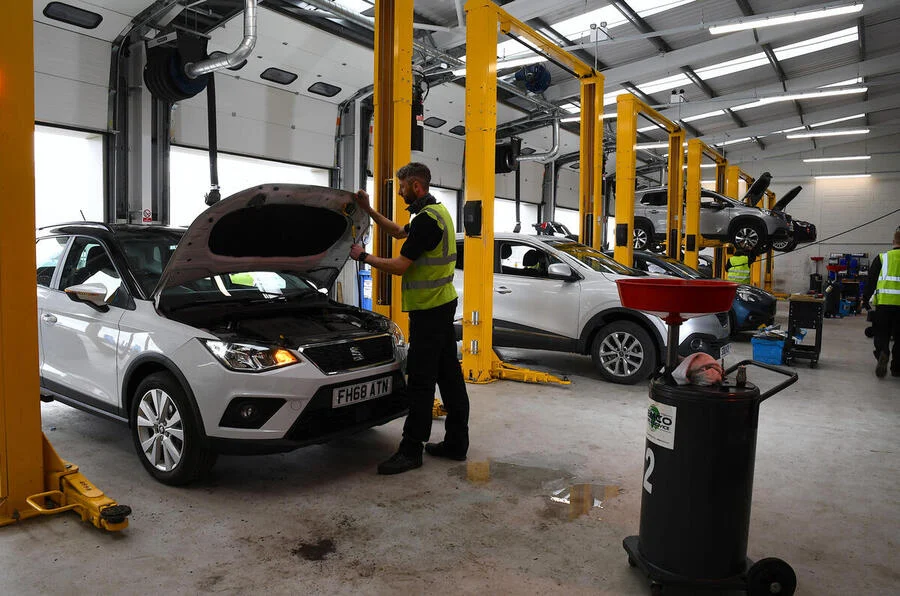
The current price cap has remained largely stagnant since 2010, a period during which the automotive industry has undergone a radical transformation. The IGA’s push for a £95 ceiling is rooted in the escalating costs of equipment, specialized technician training, and the increasing complexity of vehicle systems that must be scrutinized during the annual inspection. As the gap between the cost of delivery and the statutory fee widens, the "loss leader" model of the MOT test is becoming unsustainable for independent garages, which form the backbone of the UK’s maintenance network.
The Economic Context: Sixteen Years of Stagnation
To understand the necessity of the proposed hike, one must look at the economic landscape of 2010 versus the present day. When the £54.85 cap was established, the UK’s economic and technological environment was vastly different. Since then, inflation has significantly eroded the purchasing power of that fee. According to Bank of England inflation data, £54.85 in 2010 would be worth approximately £85 in 2024 terms, and even more by the projected 2026 timeline mentioned in recent industry reports.
The IGA points out that while the cost of the test has remained frozen, the overheads for garages have skyrocketed. Business rates, energy prices, and insurance premiums have all seen double-digit growth. Perhaps most significantly, the wages required to retain skilled technicians have risen as the industry faces a chronic skills shortage. A qualified MOT tester today requires a level of diagnostic expertise and digital literacy that was not demanded fifteen years ago. By keeping the price cap artificially low, the government has effectively forced garages to subsidize the national road safety program, a burden that the IGA argues can no longer be carried.
Technological Evolution and Equipment Costs
Modern vehicles are no longer purely mechanical entities; they are sophisticated computers on wheels. This shift has fundamentally changed the nature of the MOT test. While the basic components—brakes, lights, and tires—remain central, the integration of Advanced Driver Assistance Systems (ADAS), complex Electronic Control Units (ECUs), and hybrid/electric powertrains has increased the duration and difficulty of a thorough inspection.
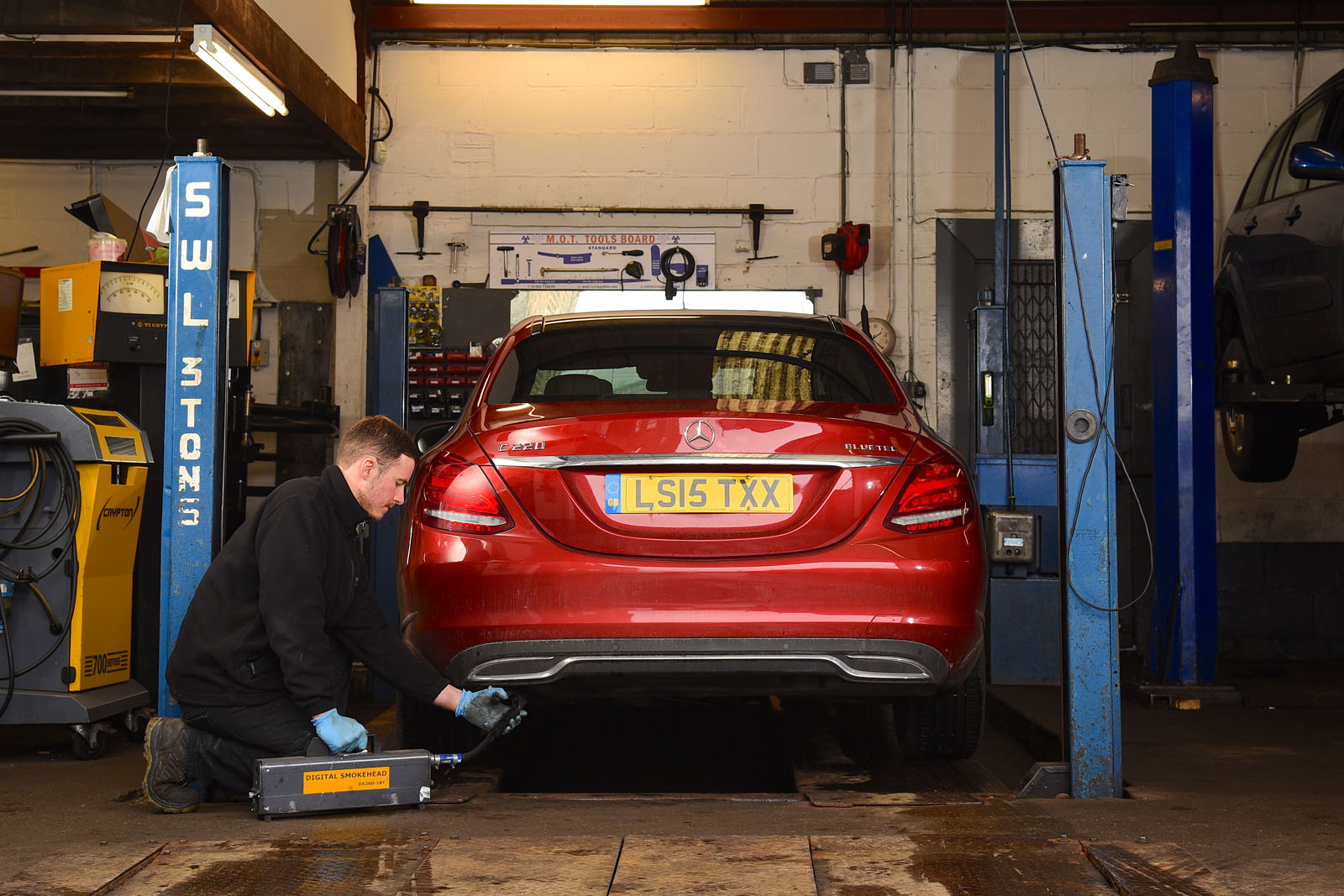
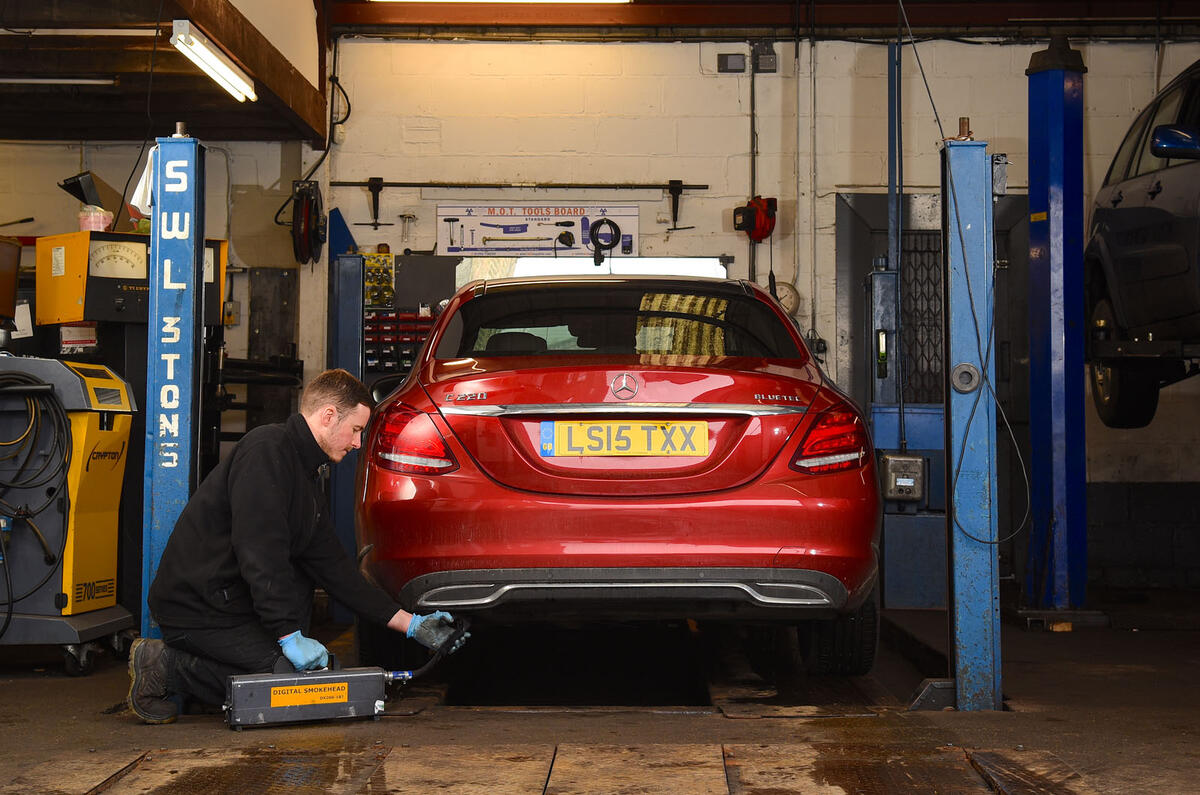
Garages are now required to invest in high-end diagnostic tools and software subscriptions to communicate with a vehicle’s onboard systems. Furthermore, the Driver and Vehicle Standards Agency (DVSA) has introduced mandatory connected equipment, such as decelerometers and emissions testers that automatically upload results to the national database. These units often cost upwards of £10,000 to £15,000 per bay, and they require regular calibration and maintenance. Under the current fee structure, the return on investment for such equipment is marginal at best, discouraging smaller independent workshops from upgrading their facilities.
A Timeline of the MOT Test in the United Kingdom
The MOT test has seen several iterations since its inception, reflecting the changing standards of vehicle safety and environmental protection:
- 1960: The MOT test is introduced by the Minister of Transport, Ernest Marples. It initially applies to vehicles over ten years old and focuses on brakes, steering, and lights.
- 1967: The testable age is reduced to vehicles three years old and over, a standard that largely remains today.
- 1991: Emissions testing is introduced for petrol engines, marking the first major environmental component of the test.
- 2010: The current maximum fee for a Class 4 vehicle (cars) is set at £54.85.
- 2018: Major changes are implemented to how defects are categorized (Minor, Major, Dangerous) and stricter rules for diesel smoke are introduced.
- 2023: The government holds a public consultation on changing the date of the first MOT from three years to four years to save motorists money, a move that was ultimately rejected due to road safety concerns.
- 2026: The IGA proposes the rise to £95 to reflect the modern costs of testing and technician expertise.
Supporting Data: The Reality of the Workshop Floor
The IGA’s proposal is supported by data regarding the average hourly labor rates across the UK. In 2024, the average labor rate for an independent garage is approximately £80 to £100 per hour, while franchised dealers can charge upwards of £150 to £200 per hour. Given that a comprehensive MOT test takes between 45 and 60 minutes to complete correctly, the current £54.85 fee does not even cover the basic labor cost in many parts of the country, let alone the overheads of the facility.
Furthermore, the "failure rate" data suggests that the MOT remains a critical safety net. In the last fiscal year, approximately 30% of all initial MOT tests resulted in a failure. Of those failures, nearly 10% were categorized as "Dangerous," meaning the vehicle posed an immediate risk to road users. The IGA argues that if the fee remains too low, there is a risk of "corner-cutting" or garages exiting the MOT scheme altogether, which would reduce the availability of testing slots and potentially compromise the quality of inspections.
Stakeholder Reactions and Official Responses
The proposal has elicited a range of responses from across the automotive sector. Stuart James, Chief Executive of the IGA, has been vocal about the need for change. "The current MOT fee is a relic of a bygone era," James stated in a recent industry briefing. "If we want to maintain a world-class road safety record, we must ensure that the businesses providing that safety are financially viable. A move to £95 is not about greed; it is about survival and professional standards."
Conversely, consumer advocacy groups have expressed caution. The RAC and AA have noted that while they understand the pressures on garages, any significant increase must be balanced against the "cost of living" crisis facing motorists. A spokesperson for the RAC noted, "Any hike in the MOT cap will be a bitter pill for drivers who are already struggling with high fuel and insurance costs. However, we also recognize that a ‘cheap’ MOT is no substitute for a thorough, professional inspection that keeps everyone safe."
The DVSA has remained neutral but observant, stating that they "regularly review the MOT scheme to ensure it remains effective and provides value for money." While the government has previously been hesitant to increase the cap due to the political optics of rising motoring costs, the IGA’s formal proposal may force a legislative review in the coming parliamentary sessions.
Impact and Implications of a £95 Fee
If the proposal is accepted, the implications for the UK automotive landscape will be profound. Firstly, it would likely lead to a stabilization of the independent garage sector. With a more realistic fee, workshops would have the capital to invest in the latest EV testing equipment and high-voltage safety training, which is essential as the UK transitions toward the 2035 ban on new internal combustion engine vehicles.
Secondly, a higher fee might decouple the MOT test from the "cheap service" bundles that have become common. Currently, many garages offer discounted MOTs as a way to attract customers for more lucrative repair work. A standardized, higher fee could lead to a more transparent market where the value of the inspection itself is recognized, rather than being treated as a loss-making administrative hurdle.
From a safety perspective, a well-funded MOT system ensures that technicians have the time to perform inspections meticulously. Under the current pressure to maintain volume to offset low margins, there is an inherent risk of "rushed" tests. A £95 fee would allow for a more deliberate pace, ensuring that complex electronic faults or subtle structural issues are identified before they lead to accidents.
Conclusion: The Price of Safety
While a 72.7% increase is a startling figure on paper, the IGA’s argument rests on the premise that road safety cannot be bought on the cheap. The UK’s MOT system is often cited as one of the most rigorous in the world, contributing to the country’s relatively low road fatality rates. However, this system relies on a network of thousands of independent businesses that must remain profitable to function.
As vehicles become more complex and the cost of doing business continues to climb, the £54.85 cap appears increasingly disconnected from the service being rendered. The move to £95 would represent a "reset" of the system, aligning the cost of the test with the technical reality of the 2020s. For the motorist, while the immediate cost is higher, the long-term benefit is a more reliable, professional, and accessible network of garages capable of keeping the next generation of high-tech vehicles safe on the road. The discussion between the IGA and the government will likely serve as a litmus test for how the UK values automotive safety in an era of rapid technological change.