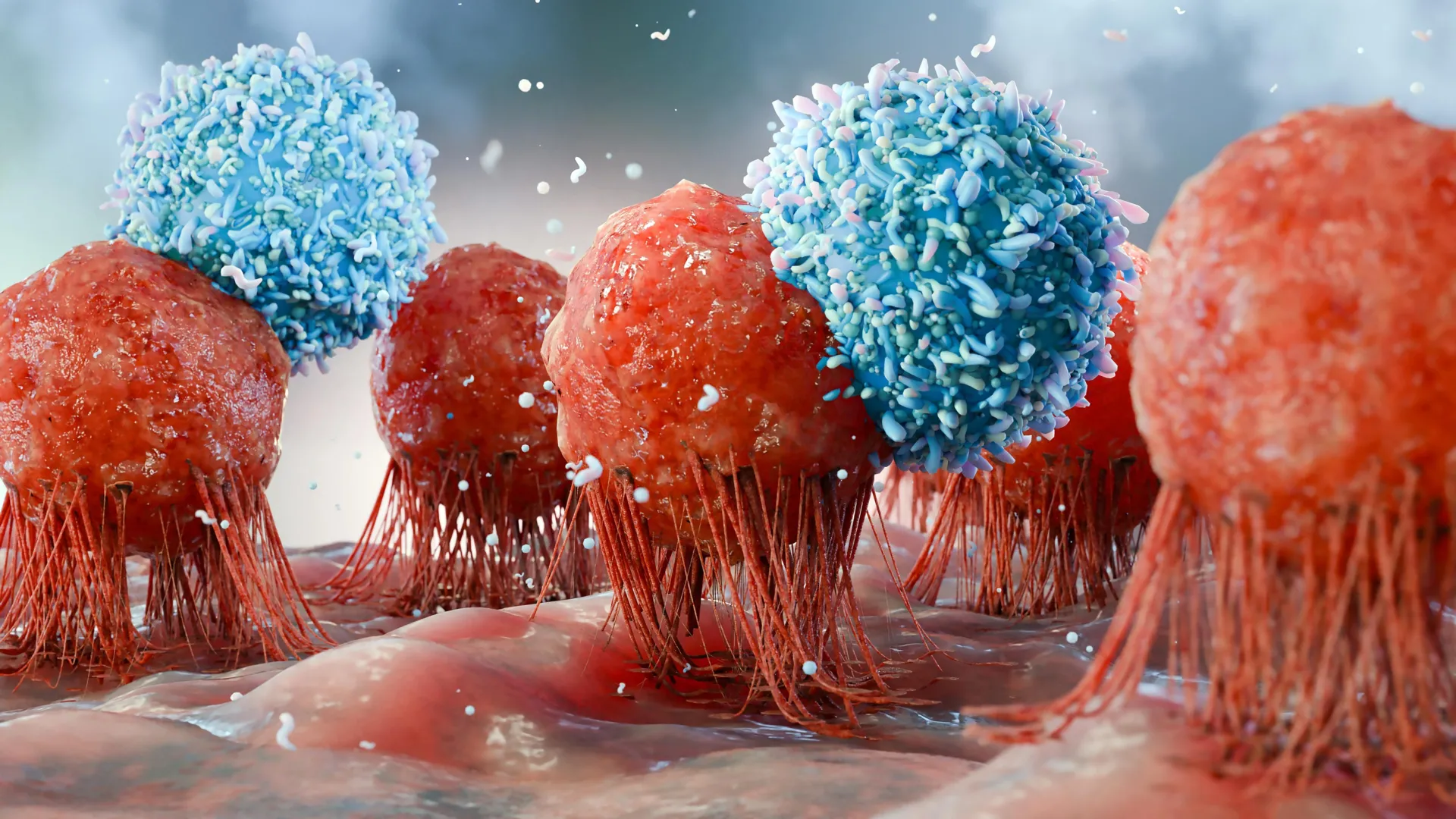
Researchers from Trinity College Dublin and University College Dublin (UCD) have unveiled compelling findings from a study involving obese laboratory mice, suggesting that a yeast-based dietary supplement can significantly bolster the immune cells responsible for combating cancer. The research, published in the esteemed scientific journal Cell Reports, indicates that incorporating this supplement into the diet of obese mice altered the development of their immune cells, leading to more robust anti-tumor responses. This breakthrough offers a potential avenue for restoring immune function compromised by obesity, a condition that notoriously impairs the body’s ability to effectively target and eliminate cancerous cells.
The study, a collaborative effort between Associate Professor Frederick Sheedy of Trinity’s School of Biochemistry and Immunology and Professor Helen Roche of UCD’s School of Public Health, Physiotherapy and Sports Science, and Director of the UCD Conway Institute, explored the concept of "trained immunity" through dietary intervention. Trained immunity, a relatively recent area of immunological research, posits that certain stimuli can "reprogram" innate immune cells, equipping them with a memory of past encounters and enabling a faster, stronger response to subsequent threats, even those it hasn’t directly encountered before. This is distinct from adaptive immunity, which involves specific recognition of pathogens.
Investigating Dietary Training of Immune Cells
At the heart of this investigation was yeast beta-glucan, a naturally occurring polysaccharide found in the cell walls of yeast and fungi. Dr. Anna Ledwith, a postdoctoral researcher in Professor Roche’s group and the lead author of the research paper, articulated the study’s primary objective: "We wanted to investigate whether a common dietary supplement, yeast beta-glucan, could reprogram early-stage immune cells in the bone marrow to produce long-lasting, enhanced anti-tumor immune responses."
The experimental design involved feeding groups of mice either a standard diet or a high-fat diet, with some receiving yeast beta-glucan supplementation over periods ranging from four to twelve weeks. Following this dietary regimen, the mice’s immune systems were challenged with various cancer cell types, including colorectal, skin, and breast cancer cells. A critical aspect of the study was to assess whether the yeast supplementation could counteract the immune dysfunction inherently linked to obesity and, importantly, whether any protective effects would persist even after the mice underwent weight loss.
Understanding the Impact of Obesity on Immunity
Obesity is a global health crisis, affecting over a billion people worldwide and significantly increasing the risk of numerous chronic diseases, including various cancers. Beyond its metabolic consequences, obesity profoundly impacts the immune system. Studies have shown that adipose tissue (body fat) is not inert but actively secretes inflammatory molecules called cytokines, creating a chronic low-grade inflammatory environment. This persistent inflammation can lead to immune cell dysfunction, making individuals more susceptible to infections and less effective in mounting an immune response against cancer.
One of the concerning aspects of obesity-related immune dysfunction is its persistence. Even after successful weight loss, some of the immune system’s defects can remain, a phenomenon that presents a significant clinical challenge. The research team specifically aimed to determine if yeast beta-glucan could not only enhance immune responses in obese mice but also reverse these long-term immune memory deficits.
Key Findings: Dietary Yeast Beta-Glucan Induces Trained Immunity
The results of the experiments provided compelling evidence for the efficacy of dietary yeast beta-glucan. Professor Roche highlighted a pivotal discovery: "This is the first demonstration that dietary delivery of yeast beta-glucan is sufficient to induce trained immunity through reprogramming of bone marrow stem cells. Previous research required injections." This finding is particularly significant because oral administration is a far more accessible and less invasive route for potential human application compared to injections.
The study revealed that yeast beta-glucan consumption directly influenced the hematopoietic stem cells within the bone marrow – the origin of all blood and immune cells. By altering these early-stage cells, the supplement effectively "trained" them to develop into immune cells that were better equipped to recognize and attack cancer cells.
Furthermore, the researchers observed that this dietary intervention successfully restored anti-tumor innate immunity in obese mice. This restoration was not transient; the protective effects were observed to reverse long-term immune memory defects that had persisted even after the mice lost weight. This suggests that yeast beta-glucan can help reset the immune system’s trajectory, mitigating the lasting negative impacts of obesity.
Reversing Persistent Immune Dysfunction
The persistence of immune problems following weight loss in individuals with a history of obesity is a critical area of unmet clinical need. The mouse model provided a valuable platform to investigate this phenomenon. The study demonstrated that while weight loss alone did not fully resolve the immune deficits, the addition of yeast beta-glucan to the diet helped to reverse these persistent immune memory problems. This implies a potential therapeutic role for yeast beta-glucan in helping individuals overcome the long-term immunological consequences of past obesity.
Yeast Beta-Glucan: A Promising Candidate for Cancer Support
Cancer remains a leading cause of mortality globally, spurring continuous research into novel and accessible therapeutic strategies. The search for safe, widely available approaches that can bolster the immune system and potentially synergize with existing cancer treatments is paramount. Yeast beta-glucan emerges as a strong candidate due to its established safety profile and commercial availability. It is already widely marketed as a dietary supplement, often for immune support.
Professor Sheedy expressed optimism about the future implications of the research: "This research paves the way for dietary intervention studies in people living with obesity, chronic infections and other immunocompromised populations. The yeast beta-glucan used, WellmuneTM, from Kerry Group, is already food-grade and commercially available, facilitating rapid clinical trials." The fact that the specific ingredient used in the study is a commercially available product from Kerry Group, known for its ingredients and flavors, streamlines the path toward human trials.
Broader Implications and Future Directions
The findings suggest that a simple dietary supplement could potentially enhance the body’s natural defenses against cancer, acting as an adjunct therapy to conventional treatments like chemotherapy and immunotherapy. Beyond cancer, the researchers believe that yeast beta-glucan supplementation could also improve vaccine efficacy and bolster resistance to infections, particularly in immunocompromised individuals.
The next crucial step is to translate these promising findings from animal models to human clinical trials. Given the safety record and availability of yeast beta-glucan, researchers anticipate that such trials could be initiated relatively quickly. Future studies will focus on confirming whether the observed immune-boosting and cancer-fighting benefits in mice can be replicated in human populations, especially those struggling with obesity, chronic infections, or other conditions characterized by impaired immune function. The potential to enhance vaccine responses and improve resistance to infectious diseases in vulnerable populations further underscores the broad-reaching implications of this research.
The collaborative spirit between Trinity College Dublin and University College Dublin, bringing together expertise in immunology and nutrigenomics, has been instrumental in advancing our understanding of how diet can be leveraged to modulate immune responses. This work represents a significant step forward in exploring nutritional strategies for enhancing immune health and fighting diseases like cancer.