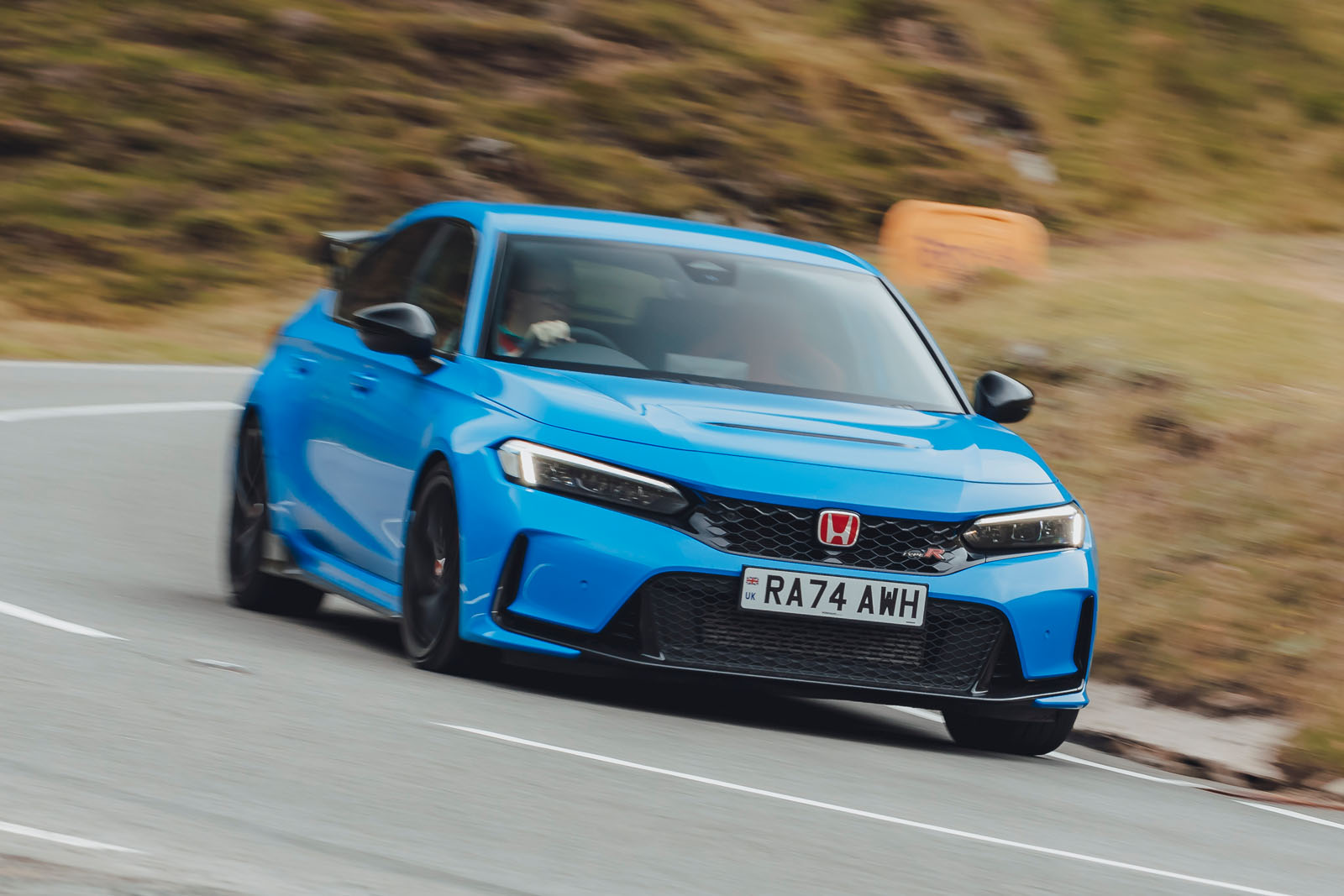
The 11th-generation Honda Civic Type R, known by its chassis code FL5, represents what many automotive historians and enthusiasts consider to be the zenith of internal combustion performance hatchbacks. As the industry pivots toward electrification, the FL5 stands as a tribute to decades of mechanical refinement, offering a blend of track-ready performance and daily-driver utility that few competitors have managed to replicate. Since its debut, the FL5 has been lauded not just for its blistering speed, but for its maturation—a car that transitioned from the aggressive, Gundam-inspired styling of its predecessor, the FK8, to a more sophisticated and understated aesthetic that belies its extreme capabilities.
Engineering Excellence and Interior Ergonomics
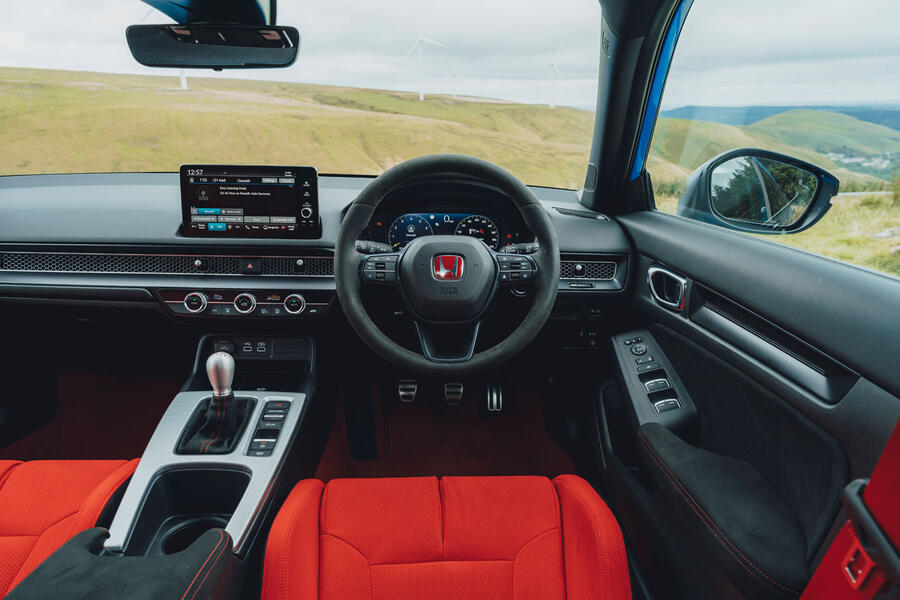
The interior of the FL5 is a masterclass in functional design, rooted in the standard 11th-generation Civic’s cabin but elevated through performance-oriented modifications. One of the most significant achievements of this generation is the balance between digital integration and physical controls. In an era where many manufacturers, most notably Volkswagen with the Golf R, have moved toward capacitive touch sliders and complex sub-menus, Honda has retained physical switchgear for critical functions. The tactile feedback of the climate control dials and the precision of the steering wheel buttons have been cited by critics as the gold standard for ergonomics in the segment.
The cabin is notably spacious for a hatchback. While the Type R loses the middle rear seat—reconfiguring the car as a four-seater to save weight and emphasize its sporty intentions—the remaining passenger space is generous. Legroom in the rear is class-leading, and the front bucket seats, finished in the signature Type R red, provide exceptional lateral support without the punishing ingress and egress common in more focused supercars. From a practicality standpoint, the FL5 offers 410 liters of boot space, significantly outclassing the Ford Focus ST and the Volkswagen Golf R. This makes it one of the few high-performance vehicles capable of serving as a primary family vehicle without compromising on utility.
A Chronology of Development and Market Impact
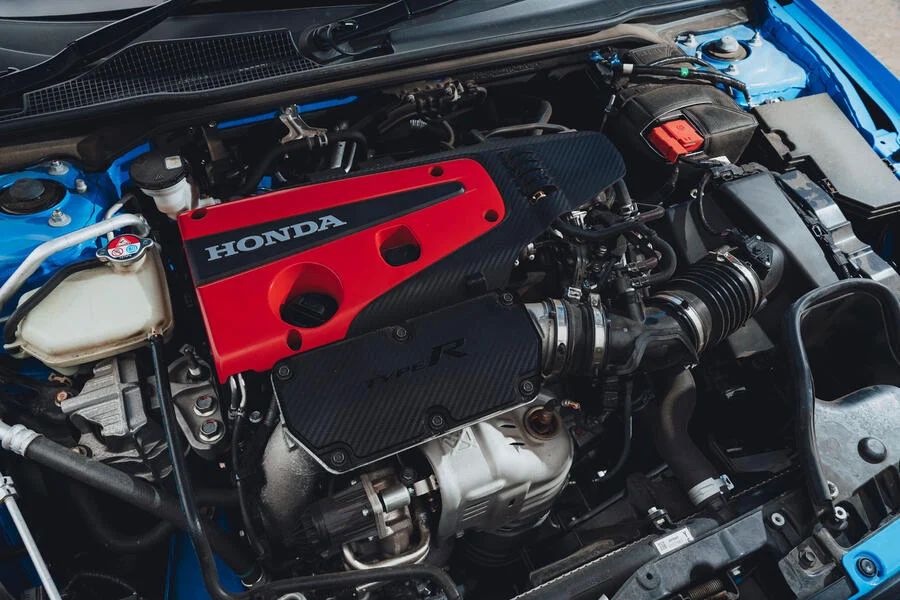
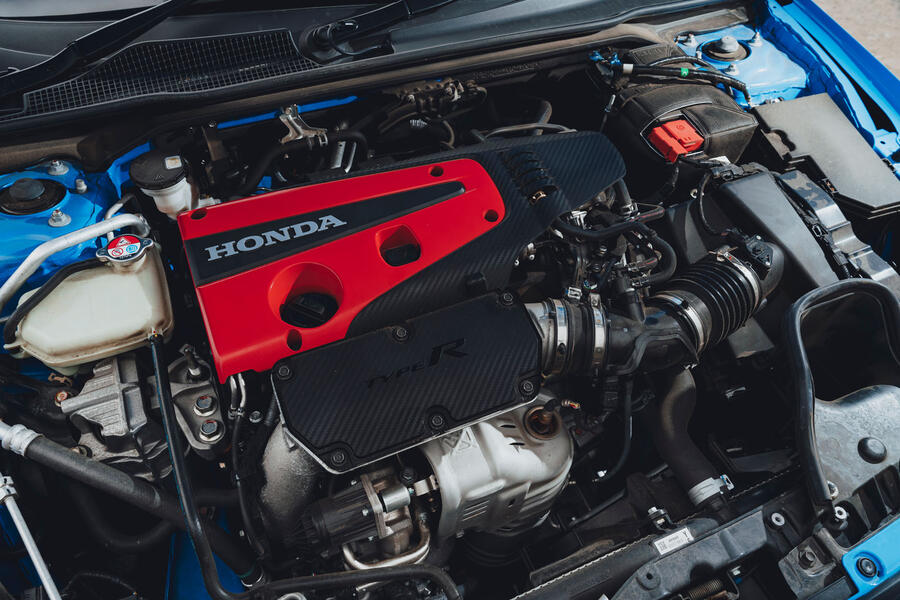
The development of the FL5 was centered on a "Continuous Improvement" philosophy. Following the success of the FK8, Honda engineers focused on refining the 2.0-liter K20C1 turbocharged engine. In the FL5, this unit produces 325 bhp and 310 lb-ft of torque (with slight variations depending on regional fuel grades and emissions standards).
- 2022: The FL5 is officially unveiled, setting a new front-wheel-drive lap record at the Suzuka Circuit in Japan.
- 2023: The car begins global deliveries, facing immediate supply chain constraints that lead to significant dealer markups and long waiting lists.
- 2024: Honda introduces the "Ultimate Edition" in select markets, including the UK, to celebrate the model’s success.
- 2025: As production begins to wind down, the FL5’s status as a future classic is solidified, with used prices remaining remarkably close to original MSRP.
The 2025 Ultimate Edition represents the pinnacle of the range. Priced at £57,905 in the UK, only 10 units were allocated out of a global production run of 40. These models featured the iconic Championship White paint, accented by red racing stripes and extensive carbon fiber components, including the rear wing, door sills, and center console. This edition was designed specifically for collectors, acknowledging the end of an era for pure-ICE (Internal Combustion Engine) Type R models.
Performance Analysis: The Driver’s Perspective
The driving dynamics of the FL5 are characterized by a level of precision that owners often compare to Porsche’s GT department. Steven Baker, a long-term performance car owner, notes that while the price point for a front-wheel-drive hatchback is high, the "scary price" is justified by the mechanical harmony of the vehicle. "The steering, gearchange, and driving position are spot on," Baker observed, highlighting that the car remains comfortable for long-distance travel despite a firm ride and noticeable road noise.
However, the FL5 is a car of dualities. At lower speeds and during daily commutes, it can feel almost too composed. Unlike the FK8, which felt frantic and eager at any speed, the FL5 requires the driver to push toward the limit to truly unlock its character. This "aloof" nature is a byproduct of its immense grip and stability. It was engineered to set lap records, and as a result, its limits are so high that they are difficult to reach on public roads safely.
Technical Specifications and Comparative Data
To understand the FL5’s position in the market, one must look at the data compared to its primary rivals.
| Feature | Honda Civic Type R (FL5) | VW Golf R (Mk8) | Ford Focus ST |
|---|---|---|---|
| Engine | 2.0L Turbo I4 | 2.0L Turbo I4 | 2.3L Turbo I4 |
| Drivetrain | FWD | AWD | FWD |
| Horsepower | 325 bhp | 315 bhp | 276 bhp |
| 0-60 mph | 5.4 seconds | 4.7 seconds | 5.7 seconds |
| Boot Space | 410 Liters | 374 Liters | 375 Liters |
| Transmission | 6-Speed Manual | 7-Speed DSG / Manual | 6-Speed Manual / 7-Speed Auto |
While the Golf R wins on pure acceleration due to its all-wheel-drive system, the Type R is widely considered the superior "driver’s car" due to its lighter weight, more communicative steering, and what is arguably the best manual gearbox currently in production.
Maintenance and Reliability: Buyer’s Guide
For those looking to enter FL5 ownership, the vehicle carries Honda’s reputation for reliability, but it is not without specific considerations. The stiff suspension and low-profile tires (265/30 R19 Michelin Pilot Sport 4S) make the wheels susceptible to buckling or cracking if driven over poor road surfaces or harsh curbing on tracks.
Prospective buyers are advised to check for:
- Service History: Given the car’s track capabilities, many units have been driven hard. Frequent oil changes and brake fluid flushes are essential indicators of a well-maintained car.
- Modifications: While cosmetic mods are common, mechanical "fettling" should be scrutinized. A common and respected modification is the down-sizing to 18-inch alloy wheels. This change reduces unsprung mass and provides a thicker tire sidewall, which improves both ride comfort and impact resistance without sacrificing significant grip.
- Interior Rattles: Despite the high build quality, the firm dampening can lead to minor cabin rattles over time, particularly around the dashboard and door cards.
- Sound Insulation: A known weakness of the FL5 is road noise. Owners have found that adding aftermarket sound-deadening material to the boot floor significantly improves the car’s refinement as a motorway cruiser.
The Global Context: The Acura Integra Type S
In the North American market, the FL5’s mechanical twin is the Acura Integra Type S (DE5). While it shares the same chassis and powertrain, the Acura is tuned for a slightly different audience. It features a more compliant suspension setup, a more premium interior, and a more aggressive exhaust note that lacks the restrictive particulate filters found on European models.
The Integra Type S also includes more sound deadening as standard, addressing one of the primary complaints regarding the Civic Type R. With the Integra Type S scheduled for release in Japan, automotive analysts expect a rise in "grey imports" to the UK and other RHD (Right-Hand Drive) markets. This provides an alternative for buyers who want the FL5’s performance but require a higher level of daily refinement.
Broader Implications for the Automotive Industry
The Honda Civic Type R FL5 represents the end of a specific lineage. As emissions regulations tighten globally, the likelihood of another pure-ICE, manual-transmission performance car from a major manufacturer is dwindling. The FL5 is a "tribute to the skill and commitment" of Honda’s engineers, as noted in contemporary reviews. It serves as a benchmark for what is possible when a front-wheel-drive platform is pushed to its absolute limit.
The market’s reaction—marked by high resale values and a cult-like following—suggests that there is still a significant demand for analog driving experiences in a digital age. When Honda eventually sells the final units of the FL5, the hot hatchback market will lose its most focused competitor. The car’s legacy will not just be its lap times at Suzuka or the Nürburgring, but its ability to remain a practical, usable, and reliable vehicle while offering a level of engagement usually reserved for exotic machinery. For the enthusiast, the FL5 is not just a car; it is a final, loud celebration of the internal combustion engine before the silent era of electrification takes hold.