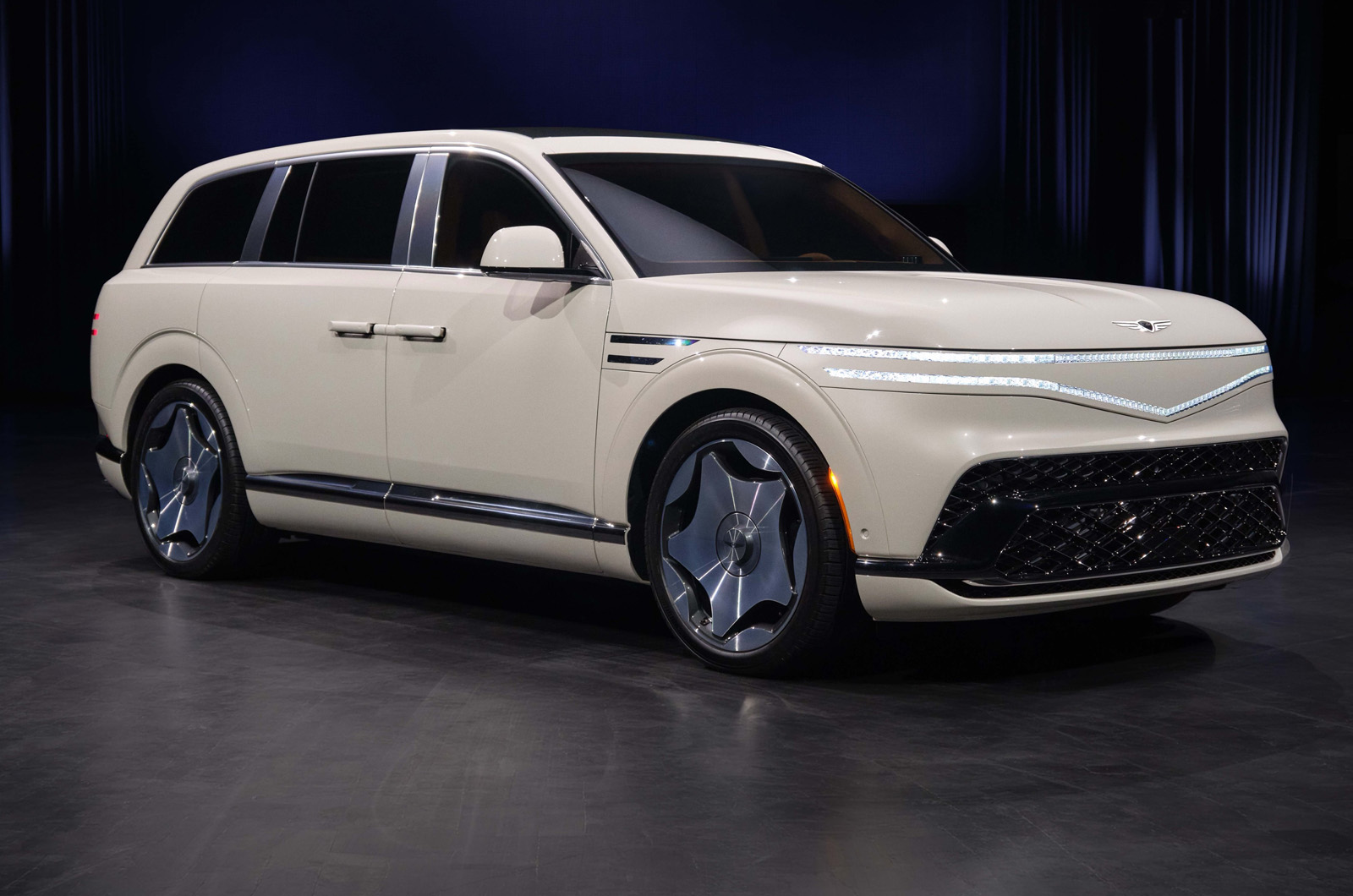
Genesis has officially unveiled the technical and design specifications for its upcoming flagship electric vehicle, the GV90, signaling a paradigm shift in the luxury SUV segment. Positioned as the pinnacle of the brand’s "Athletic Elegance" philosophy, the GV90 transitions the ambitious Neolun concept into a production reality that challenges the traditional engineering boundaries of the automotive industry. As the largest and most expensive model in the Genesis lineup, the GV90 is designed to compete directly with established luxury stalwarts such as the Range Rover EV, the Mercedes-Benz EQS SUV, and the BMW iX, while introducing unique architectural innovations that set it apart from its German and British rivals.
A Breakthrough in Automotive Architecture: The Pillarless Configuration
The most striking feature of the Genesis GV90 is the implementation of a pillarless coach door system on its range-topping Neolun trim. Unlike conventional SUVs that rely on a central B-pillar for structural integrity, the GV90 utilizes an innovative dual-motion, sliding-hinge arrangement. This engineering feat allows the rear doors to open in a reverse-opening (suicide) fashion independently of the front doors. Historically, vehicles with similar door configurations, such as the Mazda RX-8 or the BMW i3, required the front doors to be opened first. Genesis has overcome this limitation, offering a seamless entry and exit experience that emphasizes the vehicle’s "hospitality-focused" design.
SangYup Lee, Head of Genesis Global Design, noted that the absence of a B-pillar presented one of the most significant engineering hurdles in the vehicle’s development. To compensate for the missing vertical support, Genesis engineers integrated advanced reinforcements into the body shell and the doors themselves. The objective was to maintain the aesthetic purity of the Neolun concept while meeting the stringent requirements for a five-star crash safety rating. Lee described the project as "almost an impossible mission," highlighting that while a hidden B-pillar is manageable on a compact vehicle, executing it on a full-sized, heavyweight luxury SUV requires a revolutionary approach to metallurgy and structural bonding.
Interior Craftsmanship and the VIP Experience
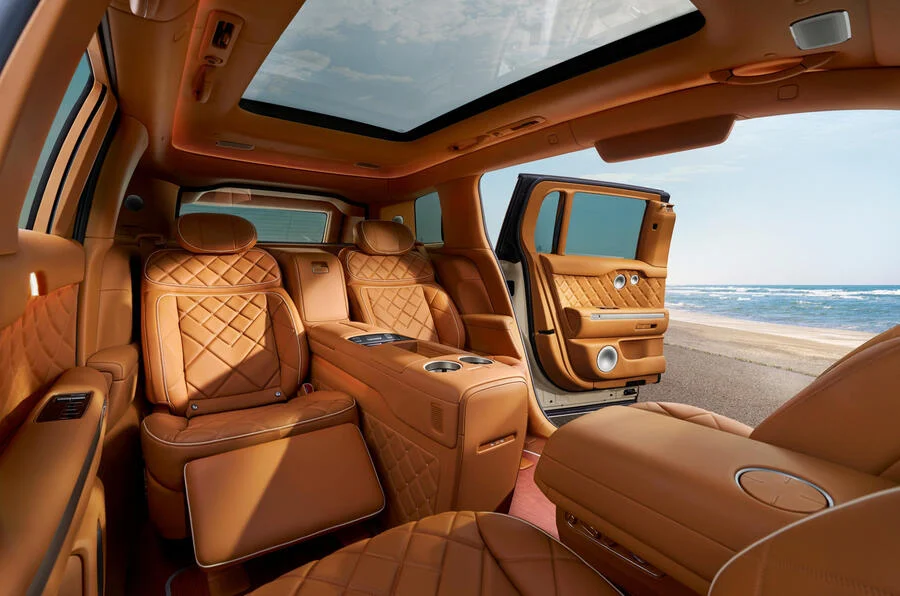
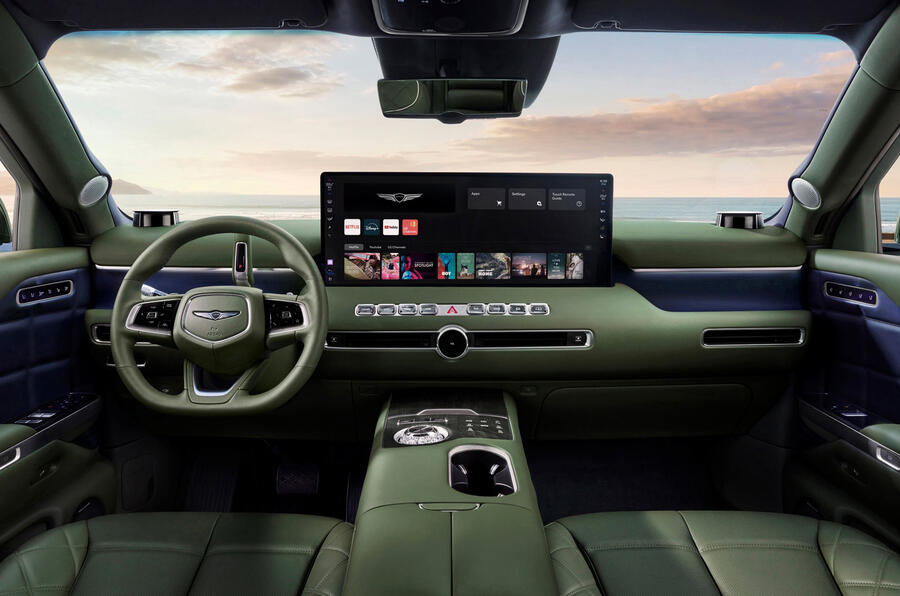
The GV90 will be offered in two primary configurations: a standard seven-seat layout for families and a ultra-luxury four-seat VIP arrangement. The four-seat variant is designed specifically for the chauffeur-driven market, featuring rotating front seats that can turn to face the rear passengers when the vehicle is stationary, creating a mobile lounge environment. This "living room" concept is further enhanced by the inclusion of hardwood flooring equipped with integrated underfloor heating—a feature inspired by traditional Korean ondol heating systems.
The material palette inside the GV90 reflects a commitment to sustainable luxury. Genesis has opted for a combination of genuine stone, cashmere wool, and sustainably sourced wood. This move away from traditional synthetic plastics is intended to provide a tactile experience that aligns with the expectations of high-end flagship buyers. The lighting further complements this atmosphere, utilizing an advanced ambient system that works in tandem with "cold-injection-moulded" crystal jewelry-look strip headlamps and full-width OLED taillights to create a cohesive visual signature both inside and out.
To address the auditory experience, Genesis has partnered with Bang & Olufsen to install a 25-speaker sound system. This system introduces a "Virtual Venue" function, which utilizes complex algorithms to replicate the acoustic signatures of world-renowned locations. Passengers can select settings that mimic the reverb and resonance of the Boston Symphony Hall or the expansive acoustics of Wembley Stadium, providing an immersive entertainment experience that transcends traditional car audio.
Next-Generation Infotainment and Digital Interface
At the heart of the GV90’s cockpit is a massive 23.6-inch wide free-standing touchscreen. This display runs "Pleos," the latest infotainment operating system from the Hyundai Motor Group, designed specifically for high-processing tasks and seamless connectivity. In a unique mechanical twist, the screen can be raised by 90mm when the vehicle is parked, expanding into a 24.6-inch cinema-style display. This allows for the consumption of high-definition multimedia content, effectively turning the cabin into a private theater.
Supplementing the primary display is a 25-inch head-up display (HUD). Genesis emphasizes that this HUD is designed to minimize driver distraction by projecting critical data—including speed, satellite navigation instructions, and Advanced Driver Assistance Systems (ADAS) alerts—directly into the driver’s line of sight. By integrating these systems, Genesis aims to balance the high-tech requirements of modern EVs with a user interface that remains intuitive and safety-conscious.
Powertrain, Battery Technology, and Performance Metrics
The GV90 is built upon a high-capacity electric architecture designed to handle the substantial weight and power demands of a flagship SUV. It features a colossal 123.5kWh battery pack, one of the largest currently available in a production passenger vehicle. This battery provides an estimated driving range of up to 311 miles (500 km) under standard testing cycles.
A key highlight of the GV90’s technical specifications is its 800V electrical hardware. This allows the vehicle to support ultra-fast charging at speeds up to 350kW. According to Genesis, the GV90 can replenish its battery from 10% to 80% in just 22 minutes, significantly reducing the downtime typically associated with large-battery EVs.
In terms of performance, the GV90 is equipped with a dual-motor, all-wheel-drive configuration. The combined output of the front and rear motors is 648bhp and 590lb ft of torque. This makes the GV90 the most powerful vehicle in the Hyundai Motor Group’s current electric portfolio, even surpassing the performance-oriented GV60 Magma. To ensure this power is translated effectively to the road, Genesis has equipped each motor with its own limited-slip differential—a first for the brand. This setup, combined with standard rear-wheel steering, is designed to provide agile handling in high-speed maneuvers and superior stability on low-traction surfaces.
Chronology of Development: From Concept to Production
The development of the GV90 followed an unconventional path. Unlike most vehicles where a concept car is designed years before the production model, Genesis developed the Neolun concept and the production GV90 simultaneously. This parallel development allowed the engineering team to refine features in real-time.
- 2021-2022: Initial design phases for the flagship SUV began under the code name "JG1."
- Early 2024: The Neolun concept was revealed, showcasing the pillarless design and the "hospitality" interior.
- Late 2024: Final production specifications for the GV90 were locked in, with Lee confirming that several features, such as the jewel-like headlamps, were actually improved during the transition from concept to production.
- 2025 (Projected): The GV90 is expected to enter full-scale production, with initial deliveries focused on the South Korean and North American markets.
Market Context and Strategic Implications
The launch of the GV90 is a critical component of the Genesis "Vision 2025" strategy, which dictates that every new model launched by the brand from 2025 onwards will be fully electric. By entering the full-size luxury SUV market, Genesis is targeting a high-margin segment that has traditionally been dominated by European manufacturers.
Industry analysts suggest that the GV90’s focus on "sensorial luxury"—the use of heat, touch, and sound—is a strategic move to differentiate the brand from Tesla’s minimalist approach and the software-centric focus of new Chinese competitors like NIO or Li Auto. Furthermore, the inclusion of the 4-seat VIP trim suggests that Genesis is making a play for the ultra-luxury market currently occupied by the Bentley Bentayga and the Mercedes-Maybach GLS, but at a more competitive price point.
The engineering success of the pillarless B-pillar also serves as a halo for the entire Hyundai Motor Group. It demonstrates a level of manufacturing sophistication that elevates the group’s reputation from a volume producer to a leader in structural innovation. If the GV90 achieves its targeted five-star crash rating without a B-pillar, it will likely set a new industry standard for EV body design.
Technical Summary and Data Points
- Platform: Dedicated EV architecture (likely an evolution of E-GMP or the new IMA).
- Battery Capacity: 123.5 kWh.
- Maximum Charging Rate: 350 kW (800V DC Fast Charging).
- Charging Time (10-80%): 22 minutes.
- Total System Output: 648 bhp / 590 lb-ft.
- Estimated Range: 311 miles (approx. 500 km).
- Wheel Size: 24-inch alloy wheels.
- Audio System: 25-speaker Bang & Olufsen with Virtual Venue technology.
- Key Innovations: Sliding-hinge pillarless doors, underfloor heating, dual-motor LSD, and rising 24.6-inch cinema screen.
The Genesis GV90 represents more than just a new model; it is a statement of intent. By combining high-output performance with radical architectural changes and traditional luxury materials, Genesis is positioning itself as a formidable contender in the next era of automotive mobility. The success of the GV90 will likely determine the brand’s trajectory as it seeks to redefine what a flagship luxury vehicle should be in a zero-emission world.