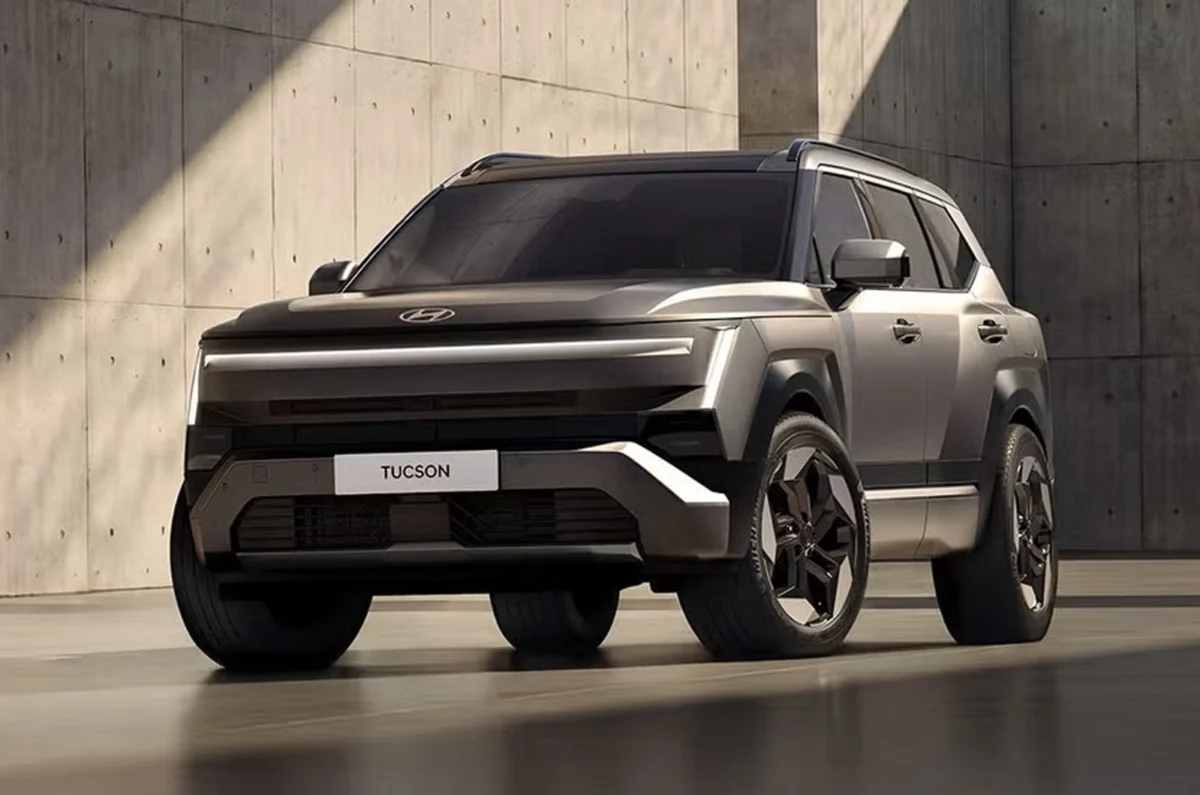
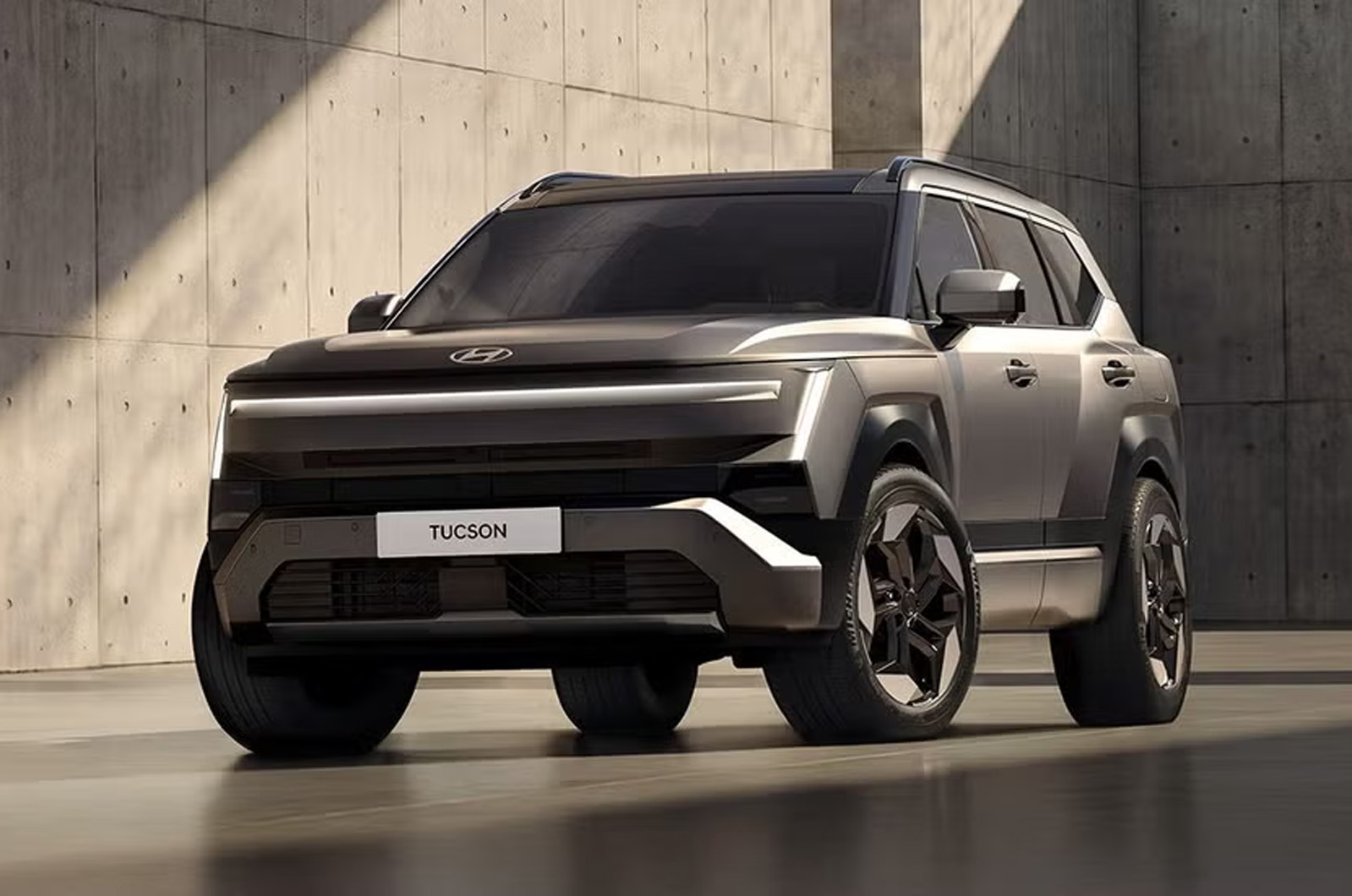
Hyundai Motor Company has officially pulled the wraps off the fifth-generation Tucson, unveiling a radical redesign that signals a strategic shift for its most successful global nameplate. Revealed during a world premiere event in South Korea, the latest iteration of the mid-sized SUV ditches the fluidic, rounded aesthetics of its predecessor in favor of a "bolder and more robust" 4×4-inspired silhouette. This transformation is not merely cosmetic; the new Tucson has undergone a significant physical expansion, effectively moving the vehicle into a higher market segment to compete with larger established rivals.
The Tucson has long served as the cornerstone of Hyundai’s global sales strategy. In the United Kingdom, it has maintained a position within the top 10 best-selling vehicles for four consecutive years. On the global stage, the model’s trajectory has been equally impressive, culminating in its ranking as the world’s seventh-best-selling car in 2025. With the introduction of the fifth generation, Hyundai aims to capitalize on this momentum by blending rugged off-road cues with high-tech interior refinements.
The Evolution of Design: Transitioning to the Art of Steel
The primary catalyst for the Tucson’s new appearance is the "Art of Steel" design language. This philosophy represents a departure from the "Parametric Dynamics" theme that defined the fourth-generation model. Initially previewed on the second-generation Nexo hydrogen fuel-cell vehicle, Art of Steel prioritizes sharp lines, upright surfaces, and a sense of industrial solidity. Hyundai executives have indicated that this aesthetic will become the blueprint for the brand’s entire SUV lineup in the coming years.
The most striking feature of the new design is the two-box silhouette. By adopting a more vertical front end and a flatter roofline, Hyundai has moved away from the crossover-coupe trend, embracing a traditional SUV stance. This is complemented by an entirely new lighting signature. Both the front and rear of the vehicle feature H-shaped motifs, created by a combination of slim, wraparound light bars and vertical daytime-running lights (DRLs). This H-motif serves as a visual bridge to Hyundai’s Ioniq electric sub-brand while maintaining a distinct identity for its internal combustion and hybrid offerings.
Functional design elements have also been emphasized to reinforce the vehicle’s "stable stance." The fifth-generation Tucson features dramatically swollen wheel arches, heavy lower body cladding, and prominent skid plates at the front and rear. While these features provide an "off-road flavoring," they also serve to protect the bodywork during urban and light-trail use, catering to the diverse needs of the modern SUV buyer.
Dimensional Upscaling and Segment Reclassification
Perhaps the most consequential change for the fifth-generation Tucson is its increased physical footprint. Measuring 4700mm in length, the new model is 180mm longer than the outgoing version. This growth spurt is accompanied by a 40mm increase in width and a 100mm extension of the wheelbase, which now stands at 2785mm.
These dimensions represent more than just incremental growth; they signal a fundamental shift in the Tucson’s competitive positioning. Historically a C-segment SUV, the new Tucson now occupies the D-segment. This move places it in direct competition with larger family SUVs such as the Skoda Kodiaq, Honda CR-V, and Renault Austral. By moving upmarket, Hyundai is positioning the Tucson to appeal to growing families who require more utility than a standard compact crossover can provide, without necessarily moving to the brand’s larger Santa Fe.
The engineering team has utilized this extra space to enhance occupant comfort. Hyundai claims the new Tucson offers "best-in-class interior space," a claim supported by a 29mm increase in second-row headroom. This improvement is largely attributed to the revised roofline, which no longer tapers as aggressively toward the rear. Furthermore, the rear door apertures have been widened, facilitating easier entry and exit, as well as simplifying the installation of child seats—a key consideration for the model’s primary demographic.
Interior Revolution: Minimalism and the Digital Cockpit
Inside, the Tucson undergoes a transformation as radical as its exterior. The cabin architecture follows the minimalist direction set by the recently revealed Ioniq 3. The dashboard is dominated by a clean, horizontal layout that emphasizes width and airiness. Central to this new environment is a substantial high-definition touchscreen that houses the majority of the vehicle’s infotainment and climate control functions.
In a move to "minimise driver distraction," Hyundai has implemented a slim digital display positioned above a new, squared-off steering wheel. This setup is designed to keep essential driving data within the driver’s natural line of sight, reducing the need to look away from the road. The removal of traditional physical switchgear in favor of haptic and touch-based interfaces reflects a broader industry trend toward "digital-first" cockpits, though Hyundai maintains that the user interface has been optimized for intuitive operation.
The material quality has also seen an uplift, with a focus on sustainable and premium-feel textures. Soft-touch plastics, recycled textiles, and integrated ambient lighting work together to create a cabin environment that feels more aligned with luxury offerings than previous generations.
Chronology of Development and Market Context
The development of the fifth-generation Tucson comes at a pivotal time for the automotive industry. Since the launch of the original Tucson in 2004, the model has evolved through several distinct phases:
- First Generation (2004–2009): A value-oriented entry into the burgeoning SUV market.
- Second Generation (2009–2015): Marketed as the ix35 in many regions, focusing on "Fluidic Sculpture" design.
- Third Generation (2015–2020): A return to the Tucson name globally, emphasizing European-style handling and safety.
- Fourth Generation (2020–2024): The introduction of bold geometric styling and extensive hybridization.
- Fifth Generation (2025–Present): The shift to "Art of Steel" and D-segment dimensions.
The decision to upscale the Tucson is backed by rigorous market analysis. As the Toyota RAV4—the Tucson’s primary global rival—has moved toward a more rugged, premium positioning, Hyundai has recognized the need to follow suit. Data from the 2024 fiscal year indicated that SUV buyers are increasingly prioritizing interior volume and "road presence" over the compact dimensions that once defined the C-segment.
Powertrain Outlook and Technological Strategy
While Hyundai has remained tight-lipped regarding the specific powertrain configurations for the new Tucson, industry analysts expect a continuation of the brand’s multi-pathway strategy. The current model’s success is rooted in its versatility, offering mild-hybrid (MHEV), full-hybrid (HEV), and plug-in hybrid (PHEV) options, alongside traditional internal combustion engines (ICE).
Given the current regulatory landscape in Europe and North America, it is highly probable that the fifth-generation Tucson will double down on electrification. The PHEV variant is expected to receive an upgraded battery pack to provide a longer electric-only range, potentially exceeding 50 miles to remain competitive with rivals like the Volkswagen Tiguan. Furthermore, the move to a larger platform may allow for more efficient packaging of hybrid components, ensuring that the increase in vehicle size does not come at the expense of fuel efficiency or cargo capacity.
Strategic Implications and Industry Reactions
The reveal of the new Tucson has prompted a flurry of analysis from industry observers. Many view the shift to a more rugged, "Art of Steel" aesthetic as a direct response to the success of brands like Land Rover and Jeep, which have seen a resurgence in demand for boxier, more utilitarian designs.
"Hyundai is no longer playing catch-up," noted one automotive industry analyst following the reveal. "By moving the Tucson into the D-segment, they are effectively squeezing competitors from both above and below. They are offering the space of a larger vehicle with the technological suite of an EV, all while maintaining the brand’s reputation for reliability."
From a corporate perspective, the new Tucson is a vital component of the "Hyundai Way" strategy—a roadmap designed to transition the company into a "smart mobility solution provider." By standardizing the Art of Steel design language, Hyundai is creating a cohesive brand identity that spans across its ICE, hybrid, and hydrogen lineups, ensuring that the brand remains recognizable regardless of the propulsion technology under the hood.
Future Market Trajectory
As the fifth-generation Tucson prepares for its global rollout, starting in South Korea followed by Europe and North America, the stakes could not be higher. The vehicle must maintain its status as a high-volume seller while navigating the complexities of a transitioning market.
The increase in size and the shift in design language suggest that Hyundai is targeting a more affluent demographic than before, moving the Tucson away from its "budget-friendly" roots toward a "value-premium" positioning. If the success of the fourth generation is any indication, the new Tucson’s combination of bold styling and enhanced practicality is likely to resonate with a global audience, potentially solidifying its place as one of the world’s most influential SUVs for the remainder of the decade.
Detailed specifications regarding local pricing, final engine outputs, and regional trim levels are expected to be released in the coming months as the vehicle approaches its official market launch. For now, the fifth-generation Tucson stands as a testament to Hyundai’s willingness to reinvent its most successful products in the pursuit of market leadership.