Researchers at the University of Texas at Dallas (UT Dallas) have unveiled a groundbreaking 3D-printing technology that has the potential to revolutionize dental care by enabling dentists to produce permanent, high-strength zirconia restorations in a single patient visit. This advancement, supported by the National Science Foundation (NSF), addresses a significant bottleneck in dental manufacturing, paving the way for faster, more personalized, and highly durable dental prosthetics like crowns, bridges, and veneers.
The Quest for Durable, Same-Day Dental Solutions
For decades, dentists have sought materials that offer both the aesthetic appeal and the robust performance required for long-term dental restorations. Zirconia has emerged as the undisputed gold standard in this regard. Its exceptional strength, biocompatibility, and resistance to wear and fracture make it an ideal choice for permanent dental work, outperforming traditional ceramic resins in durability. However, the intricate processing required for zirconia has historically made same-day fabrication a formidable challenge, especially with additive manufacturing techniques like 3D printing.
Current same-day dental restorations, while offering convenience, are typically manufactured using ceramic resins. While these resins can be 3D printed with intricate precision and excellent color matching, they lack the inherent strength of zirconia, leading to concerns about longevity and potential failure over time. Alternatively, existing same-day zirconia restorations are produced through subtractive milling processes, where a block of zirconia is carved into the desired shape. This method, while effective, can limit design complexity and carries a risk of microscopic cracks forming during the milling or subsequent sintering stages, potentially compromising the restoration’s integrity.
Breaking the Debinding Bottleneck
The core innovation from the UT Dallas team, detailed in the prestigious journal Ceramics International, lies in their ability to drastically reduce the time required for a crucial post-printing step: debinding. Once a zirconia restoration is 3D printed, it exists as a porous structure held together by a binder material. To achieve the final, dense, and hardened state, this binder must be carefully removed through a process called debinding, followed by sintering – a high-temperature firing process that fuses the zirconia particles.
Traditionally, the debinding stage for zirconia can be an agonizingly slow process, often taking anywhere from 20 to an astonishing 100 hours. This extended duration is necessary to prevent cracking. As Dr. Majid Minary, a professor of mechanical engineering at UT Dallas and lead author of the study, explained, "Debinding has been the bottleneck in the process. It must be done very slowly. If you speed it up, the polymer being burned off turns into gas, and if that gas cannot escape, the crown may crack or fracture." He further elaborated, "A debinding time of 20 to 100 hours is not practical for same-day dental service. As a result, 3D-printed permanent zirconia restorations are not yet commercially available."
The UT Dallas researchers have successfully engineered a system that slashes this critical debinding period to less than 30 minutes. This monumental reduction in processing time is the key to unlocking the potential for same-day permanent 3D-printed zirconia dental restorations.
The Science Behind the Speed
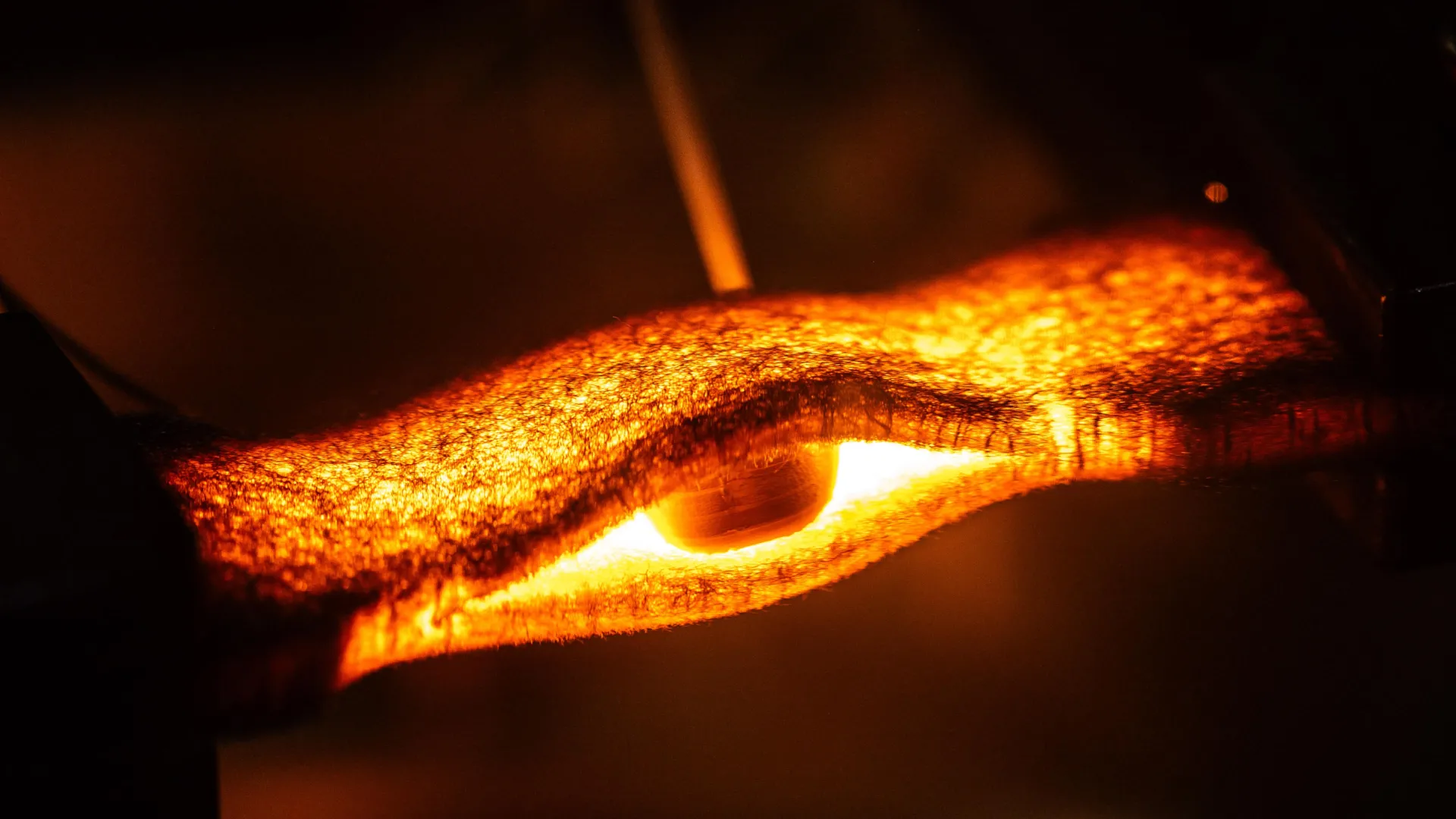
The novel debinding system employs a sophisticated combination of advanced heat transfer mechanisms and a specialized porous graphite felt. This felt material is designed to envelop the 3D-printed zirconia restoration. As the restoration is heated to temperatures exceeding 2,550 degrees Fahrenheit, the binder material vaporizes. The porous nature of the graphite felt provides an unimpeded escape route for these gases, preventing the build-up of pressure that could lead to structural defects. Complementing this, a carefully integrated vacuum system actively removes the released gases from the surrounding environment, further ensuring a clean and controlled debinding process.
"The combination of all of these features is what makes it work," Dr. Minary stated. "With our technology, if a practitioner wants to offer a 3D-printed zirconia crown chair-side, they could provide it to a patient within just a few hours." This efficiency means that a patient could potentially have a damaged tooth prepared, a custom restoration 3D printed, and the permanent restoration bonded, all within a single dental appointment.
Timeline of Innovation and Future Commercialization
The journey to this breakthrough has been marked by dedicated research and development. While the exact inception date of the project is not publicly specified, the publication of their findings in Ceramics International signifies a major milestone. The subsequent phase, focused on commercialization, has already gained significant momentum with crucial support from the National Science Foundation.
A significant step forward in this commercialization effort was the recent award of a $550,000 grant (grant 2431684) through the NSF’s Partnerships for Innovation — Technology Translation project. This funding is a testament to the perceived impact and viability of the UT Dallas technology. The grant supports the team’s collaboration with Pan-AM Dental Laboratory, a key partner in transitioning the laboratory-developed technology into a practical, market-ready solution.
The commercialization pathway also involves other industry players. 3DCeram Sinto Inc., based in Grand Ledge, Michigan, is contributing its expertise, likely in the realm of additive manufacturing equipment or materials. Additionally, the clinical perspective and validation are being provided by Dr. Amirali Zandinejad, a prosthodontist in Arlington, Texas, and a former associate professor at the Texas A&M University College of Dentistry. His involvement ensures that the technology is developed with the practical needs and standards of dental practice firmly in mind.
The core research team at UT Dallas includes several dedicated individuals: Mahdi Mosadegh, the first author of the research paper and a doctoral student in mechanical engineering, played a pivotal role in the experimental development. Other key contributors include Moein Khakzad (PhD’25), Zahra Sepasi (chemistry doctoral student), Kalyan Nandigama (mechanical engineering graduate student), and Dr. Golden Kumar, an associate professor of mechanical engineering who provided significant guidance and expertise.
Beyond the NSF’s support, the research also received crucial backing from the U.S. Air Force Office of Scientific Research, indicating potential applications and interest from defense and aerospace sectors where high-performance materials and rapid manufacturing are paramount.
Broader Implications for Dental Care and Beyond
The implications of this technological leap are far-reaching. For patients, it promises an enhanced dental experience characterized by increased convenience, reduced treatment time, and the assurance of receiving a highly durable, custom-fit restoration in a single visit. This could significantly alleviate the anxiety and inconvenience associated with multiple dental appointments, particularly for individuals with busy schedules or those living in remote areas where access to specialized dental services might be limited.
The ability to produce permanent zirconia restorations chair-side, meaning within the dental practice itself, offers a level of personalization and immediate feedback that is difficult to achieve with traditional laboratory outsourcing. Dentists can achieve more precise color matching and fit adjustments in real-time, leading to better patient outcomes and satisfaction. Furthermore, the potential for reduced material waste associated with 3D printing compared to subtractive manufacturing aligns with growing environmental consciousness in healthcare.
From an economic perspective, while the initial investment in 3D printing technology might be significant, the long-term cost-effectiveness could be substantial. Reduced laboratory fees, fewer patient appointments, and potentially longer-lasting restorations that require less frequent replacement could translate into considerable savings for both dental practices and patients.
Beyond routine dental work, the underlying principles of this rapid debinding technology could potentially be applied to the manufacturing of other complex ceramic components. Industries requiring high-performance ceramics, such as aerospace, electronics, or medical implants, might benefit from similar advancements in accelerated processing times.
The Road Ahead: Clinical Validation and Regulatory Approval
While the technological breakthrough is significant, the path to widespread commercial adoption requires further steps. The researchers acknowledge that before their method can become widely available to dental practitioners, it must undergo rigorous clinical validation. This involves extensive testing in real-world dental settings to confirm its safety, efficacy, and long-term performance.
Furthermore, regulatory approval from bodies such as the U.S. Food and Drug Administration (FDA) will be necessary to ensure that these 3D-printed zirconia restorations meet all established standards for medical devices. This process typically involves submitting comprehensive data on material properties, manufacturing processes, and clinical trial results.
Despite these necessary hurdles, the optimism surrounding this development is palpable. The successful reduction of the debinding time from days to minutes represents a paradigm shift in dental manufacturing. The collaboration between academia, industry, and clinical practitioners, bolstered by crucial government funding, positions this innovation for a successful transition from laboratory concept to everyday dental practice. The era of same-day, permanent, and highly durable 3D-printed zirconia dental restorations appears to be on the horizon, promising a brighter and more efficient future for oral healthcare.