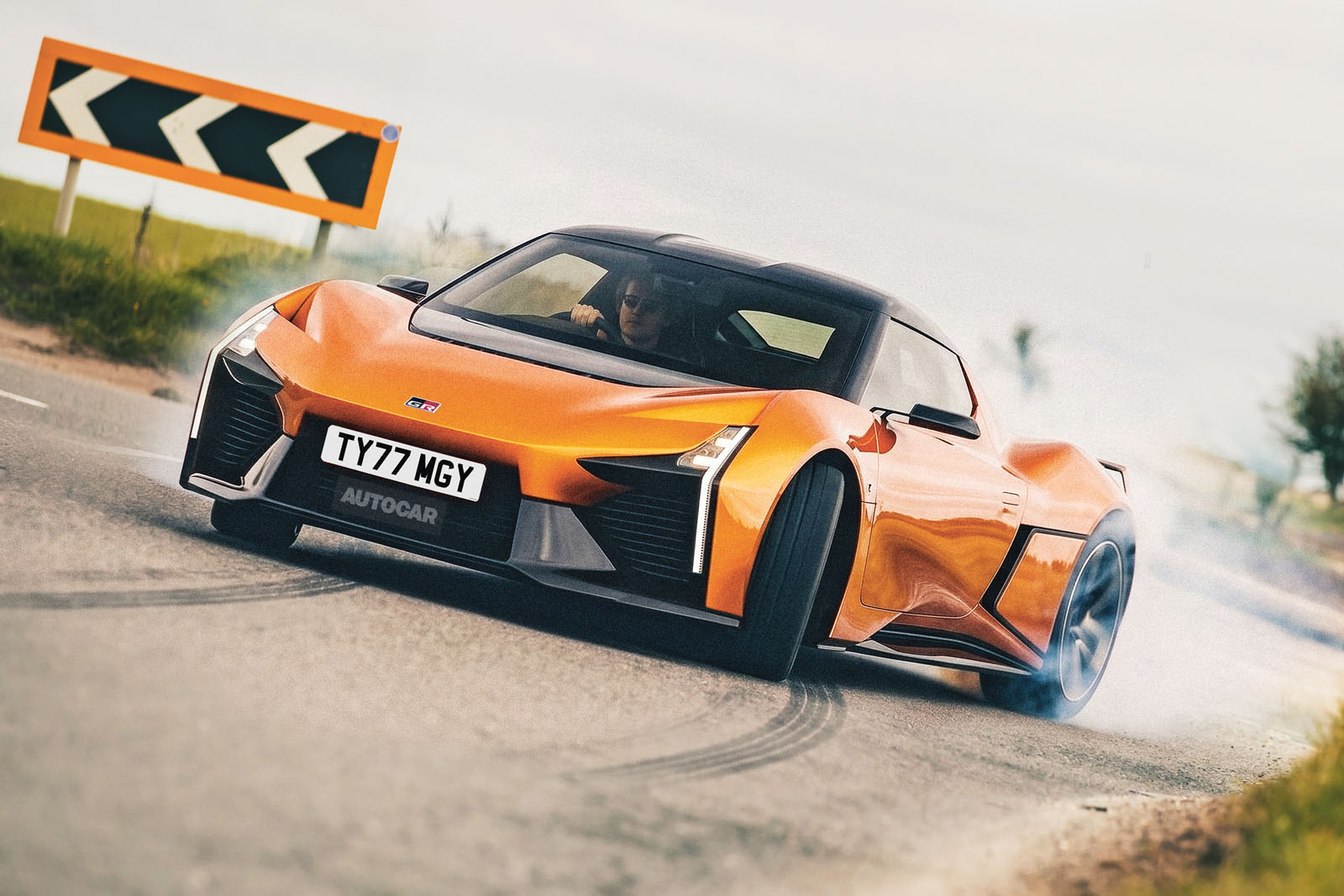
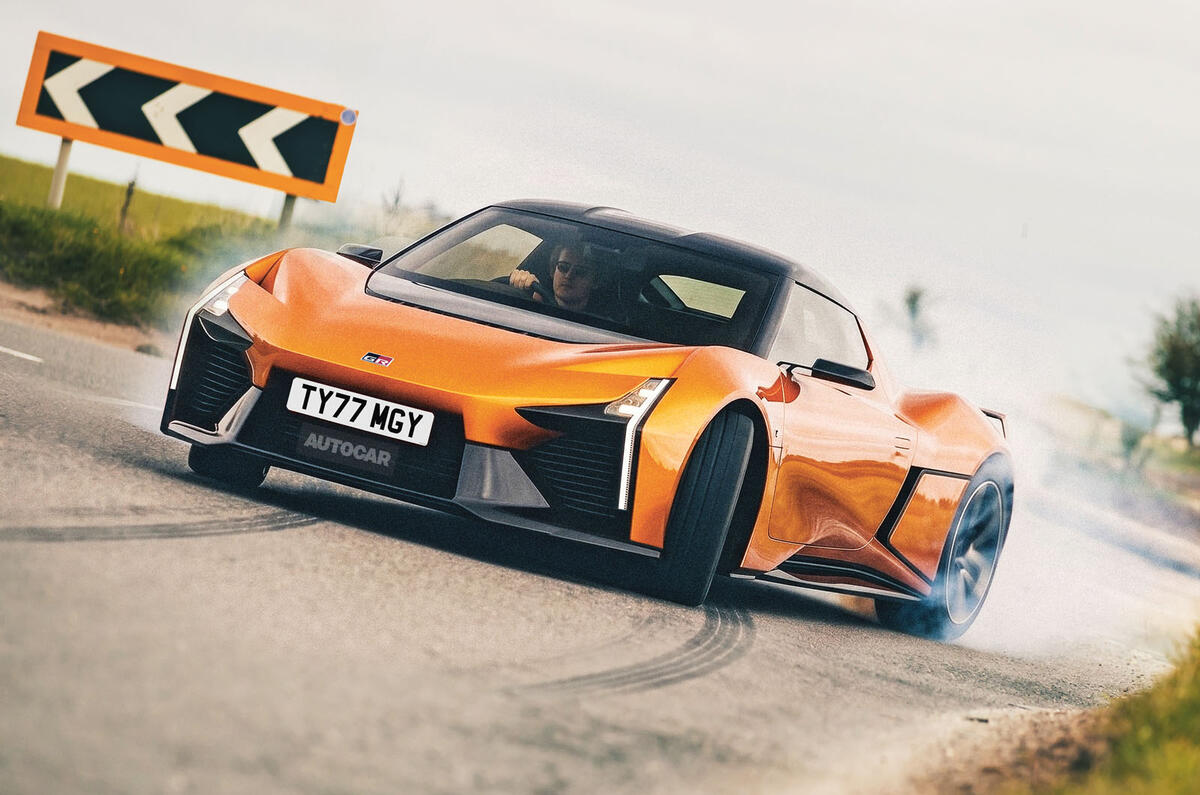
Toyota is orchestrating a significant strategic shift for its high-performance operations, preparing to relaunch the iconic MR2 and Celica nameplates as part of a broader evolution of the Gazoo Racing (GR) division into a fully autonomous performance brand. This move, which mirrors the organizational structures of BMW’s M division and Mercedes-AMG, signals a new era for Toyota’s sporting ambitions. By elevating GR to a standalone marque alongside Lexus, Daihatsu, and the Japan-exclusive Century, Toyota aims to solidify its position as a leading purveyor of enthusiast-focused vehicles in an era where many competitors are abandoning the segment in favor of mass-market electrification.
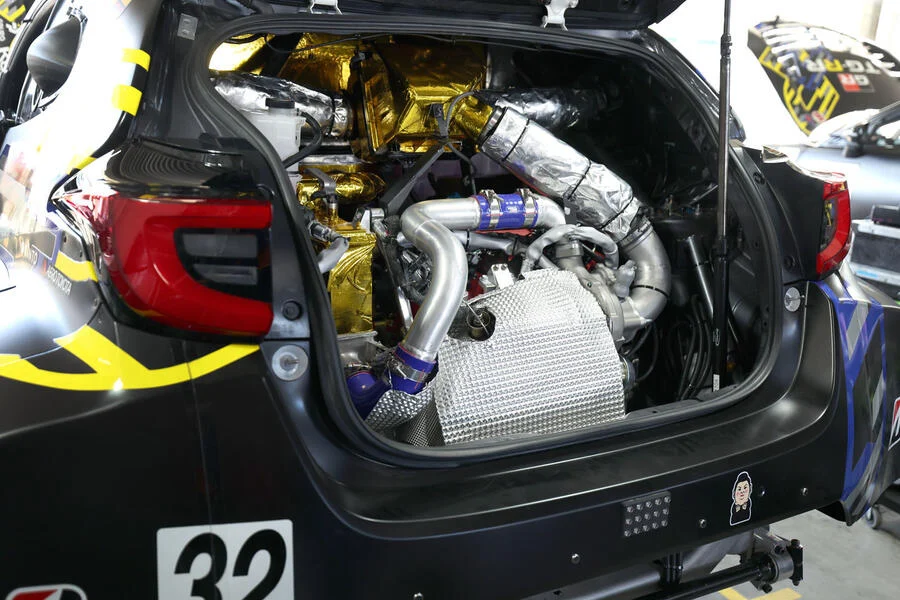
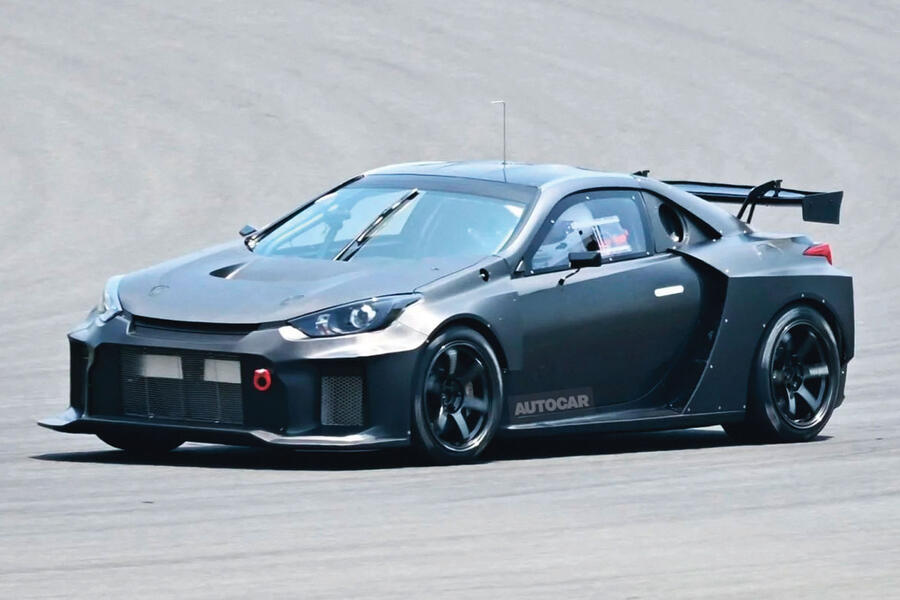
The cornerstone of this revival is the development of a next-generation, mid-engined sports car—the successor to the MR2—which is currently undergoing rigorous testing under the guise of the "GR Yaris M" prototype. Slated for a potential market entry in 2028, this new model represents the technical pinnacle of Toyota’s "multi-pathway" strategy, utilizing advanced internal combustion technology paired with hybrid electrification to deliver performance figures that could rival established supercars.
The Evolution of Gazoo Racing: From Division to Standalone Brand
The transformation of Gazoo Racing into a dedicated brand marks the culmination of a decade-long initiative led by Toyota Chairman Akio Toyoda. Since the launch of the GR Supra in 2019, followed by the GR Yaris and the GR 86, the division has transitioned from a motorsport-focused outfit into a globally recognized performance powerhouse. The upcoming GR GT supercar and its GT3 racing variant will be the first models to bear the GR badge exclusively, eschewing the traditional Toyota "T" logo.
As the current generation of GR models nears the end of their production cycles—with the GR 86 and GR Supra already facing regional withdrawals and the GR Yaris expected to follow—Toyota is looking toward a future lineup built from the ground up by the GR division. The strategy involves creating a "family" of sports cars at various price points, ensuring that the brand remains accessible while also offering halo products that push the boundaries of automotive engineering.
Tomoya Takahashi, President of Toyota’s motorsport division, has indicated that this shift represents a departure from the "Global Master Plan" of the 2000s, which prioritized high-volume, high-profit models at the expense of niche products. Under Toyoda’s leadership, the company has embraced the challenge of building cars that serve as emotional anchors for the brand, regardless of their projected sales volumes.
Engineering the G20E: A New Benchmark for Four-Cylinder Power
At the heart of the reborn MR2 is a revolutionary 2.0-liter turbocharged four-cylinder engine, internally designated as the "G20E." This power unit is a direct evolution of the 1.6-liter G16E-GTS engine found in the GR Yaris and GR Corolla, which is already celebrated as one of the most power-dense three-cylinder engines in production.
Toyota’s engineers are pushing the limits of the G20E, targeting outputs between 400bhp and 450bhp for standard road-going variants. For specialized racing applications, the engine is reportedly capable of producing upwards of 600bhp. To put these figures into perspective, the current record-holder for the most powerful production four-cylinder engine is the Mercedes-AMG M139, which produces 416bhp in the A45 S. If Toyota achieves its targets, the G20E would effectively set a new global benchmark for specific output.
The engine has been designed with a shorter piston stroke to reduce its overall height and footprint, allowing for a lower center of gravity—a critical requirement for a mid-engined layout. Furthermore, the G20E is being developed to be compatible with hybrid and plug-in hybrid (PHEV) systems, as well as carbon-neutral fuels, ensuring its longevity in a tightening regulatory environment.

Technical Chronology and Development Testing
The development of the new MR2 has moved from theoretical design to active track testing. A chronology of the project’s public milestones highlights the pace of development:
- October 2023: Toyota unveils the FT-SE concept at the Tokyo Mobility Show. While presented as an EV, its cab-forward, mid-engine proportions provided the first hint of the MR2’s design direction.
- Early 2024: Reports emerge of a mid-engined GR Yaris prototype—the "M Concept"—being tested at the Fuji Motor Speedway.
- Mid-2024: Toyota enters the G20E-powered prototype into Japan’s Super Taikyu endurance race series. This "rolling laboratory" approach allows engineers to test reliability under extreme thermal and mechanical stress.
- August 2026: Leaked reports and spy footage reveal a two-door test mule featuring a mix of Lexus LC and GR Yaris components, confirming that the mid-engine chassis is in an advanced stage of calibration.
The choice to test the powertrain in the Super Taikyu series is significant. Unlike traditional dyno testing, endurance racing exposes the engine to variable atmospheric conditions and sustained high-RPM operation, providing data that is essential for refining the hybrid integration and cooling systems required for a mid-engined configuration.
Solving the "Prayer Time" Dilemma
A primary motivation for the move to a mid-engined layout is the pursuit of superior dynamic balance. Akio Toyoda has famously used the term "prayer time" to describe the moment a front-engined car suffers from terminal understeer when entering a corner at high speed—a moment where the driver can do little but pray for the car to grip.

In a front-engined, four-wheel-drive car like the GR Yaris, the front tires are responsible for steering, braking, and a significant portion of the acceleration. This concentration of load leads to rapid tire wear and a tendency for the nose to push wide at the limit. By relocating the engine to a central position, Toyota achieves a more equitable weight distribution.
The "M Concept" prototype utilizes a sophisticated four-wheel-drive system capable of variable torque splitting. While the original MR2 was strictly rear-wheel drive—and notorious for "snap oversteer" in its second generation—the new model is expected to use its 4WD system to stabilize the car. Tomoya Takahashi noted that by combining a mid-ship layout with all-wheel drive, the engineers can transform the forces that usually cause a car to spin into forward momentum, allowing for aggressive corner entry and exit speeds.
Design Inspiration and the "Three Brothers" Heritage
Visually, the 2028 MR2 is expected to draw heavily from the FT-SE concept. That vehicle featured a low-slung silhouette, wide haunches, and aggressive aerodynamics designed to optimize airflow to a mid-mounted cooling system. While the concept was electric, the compact nature of the G20E engine allows the production car to retain the concept’s dramatic proportions.
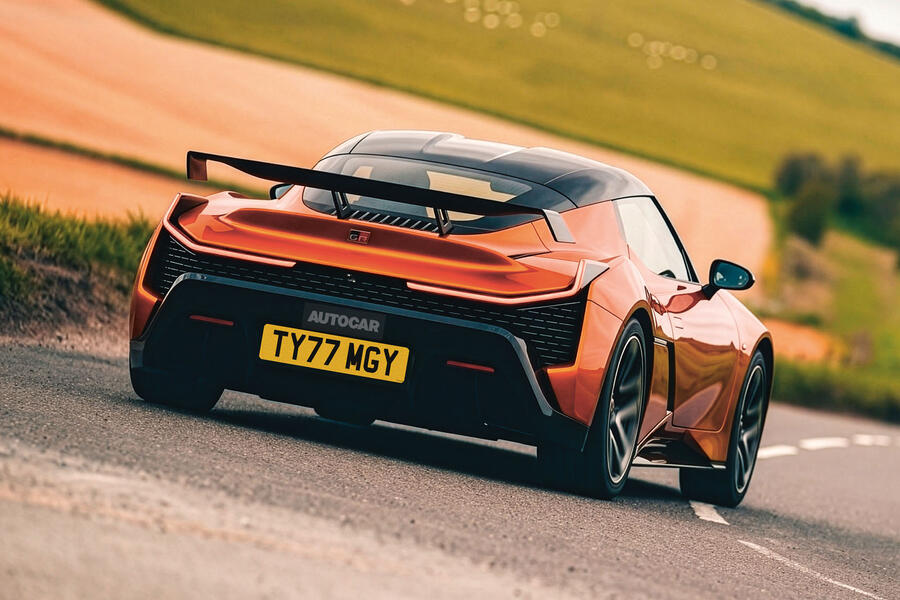
This revival also completes the "Three Brothers" strategy—a reference to the 1990s era when Toyota’s sports car lineup consisted of the Supra, Celica, and MR2. With the Supra already established and the Celica rumored to return as a four-wheel-drive, rally-inspired coupe to anchor Toyota’s WRC efforts, the MR2 will serve as the technical "specialist" of the group.
Market Context and Competitive Landscape
The decision to launch a high-performance combustion-engined sports car in 2028 places Toyota in a unique position. Most of its traditional rivals are pivoting away from internal combustion:
- Lotus: The Emira is the brand’s final petrol-powered car, leaving a vacuum in the mid-engined segment once its production ends.
- Alpine: The successor to the A110 is slated to be fully electric, though the company has hinted at hydrogen combustion possibilities for the future.
- Porsche: The 718 Cayman and Boxster are transitioning to electric platforms for their next generations.
Toyota’s commitment to the "multi-pathway" approach—investing in EVs, hybrids, and advanced internal combustion simultaneously—allows it to capture a market of enthusiasts who remain wary of fully electric performance cars. By branding the car as a GR product rather than a standard Toyota, the company can also command a premium price point, positioning the MR2 as a more attainable alternative to junior supercars from marques like McLaren or Ferrari.
Broader Impact and Industry Implications
The rebirth of the MR2 is more than a nostalgia play; it is a statement of intent regarding the future of the internal combustion engine. Toyota’s development of a 600bhp-capable 2.0-liter engine suggests that the company sees significant untapped potential in thermal efficiency and power density.
Furthermore, the standalone branding of Gazoo Racing indicates a shift in how legacy automakers manage their performance assets. By decoupling GR from the main Toyota brand’s volume and emission targets, the division gains the agility to react to the enthusiast market more effectively.
As the automotive industry faces an uncertain transition toward electrification, Toyota’s strategy with the MR2 suggests that there is still a place for the mid-engined sports car. If the G20E engine delivers on its promise of supercar-level power in a compact, hybrid-assisted package, the 2028 MR2 could become the definitive performance icon of the late-2020s, proving that "no more boring cars" was not just a mantra, but a fundamental redesign of Toyota’s corporate DNA.