The arrival of the Denza Bao 5 in the United Kingdom marks a significant milestone for the Chinese automotive industry’s expansion into European markets while simultaneously reigniting a long-standing dialogue regarding the role of technical badging in automotive marketing. As a plug-in hybrid (PHEV) off-road vehicle produced by Denza—a high-end sub-brand under the BYD (Build Your Dreams) umbrella—the Bao 5 introduces a suite of proprietary technologies that are prominently advertised through exterior badging. Specifically, the inclusion of "DiSus-P" and "DMO" emblems on the vehicle’s tailgate serves as a modern echo of a mid-20th-century trend where manufacturers utilized technical initialisms to signal engineering superiority to the general public.
Technical Specifications and the Resurgence of Engineering Branding
The Denza Bao 5 is positioned as a rugged, body-on-frame 4×4, often compared aesthetically to the Mercedes-Benz G-Class or the Land Rover Defender. However, its primary differentiator lies in its underlying architecture. The "DMO" badge refers to the Dual Mode Off-road platform, a dedicated hybrid architecture developed by BYD. This platform is designed specifically for off-road performance, integrating a longitudinal 1.5-liter turbocharged petrol engine with a high-capacity 31.8 kWh Blade battery and a dual-motor electric drive system. The system produces a combined output of approximately 500 kW (670 hp) and 760 Nm of torque, allowing for a 0-100 km/h acceleration time of 4.8 seconds—figures that place it in direct competition with high-performance European SUVs.
Complementing the DMO platform is the "DiSus-P" system, an acronym for the Disus Intelligent Hydraulic Body Control System. This technology represents one of the most sophisticated active suspension systems currently available in the consumer market. It allows for independent adjustment of each wheel’s height, damping, and stiffness. The system can provide a maximum lift of 140 mm and is capable of leveling the vehicle on uneven terrain or providing "active" damping to mitigate body roll during high-speed cornering. By placing these specific acronyms on the exterior of the vehicle, Denza is betting that modern consumers will value proprietary technological signatures over traditional trim-level designations.
A Historical Chronology of Automotive Technical Badging
The practice of using technical badges to communicate value to consumers has evolved through several distinct eras. To understand the significance of the Bao 5’s "DiSus-P" branding, it is necessary to examine the timeline of automotive nomenclature.
The Era of Mechanical Pride (1960s–1980s)
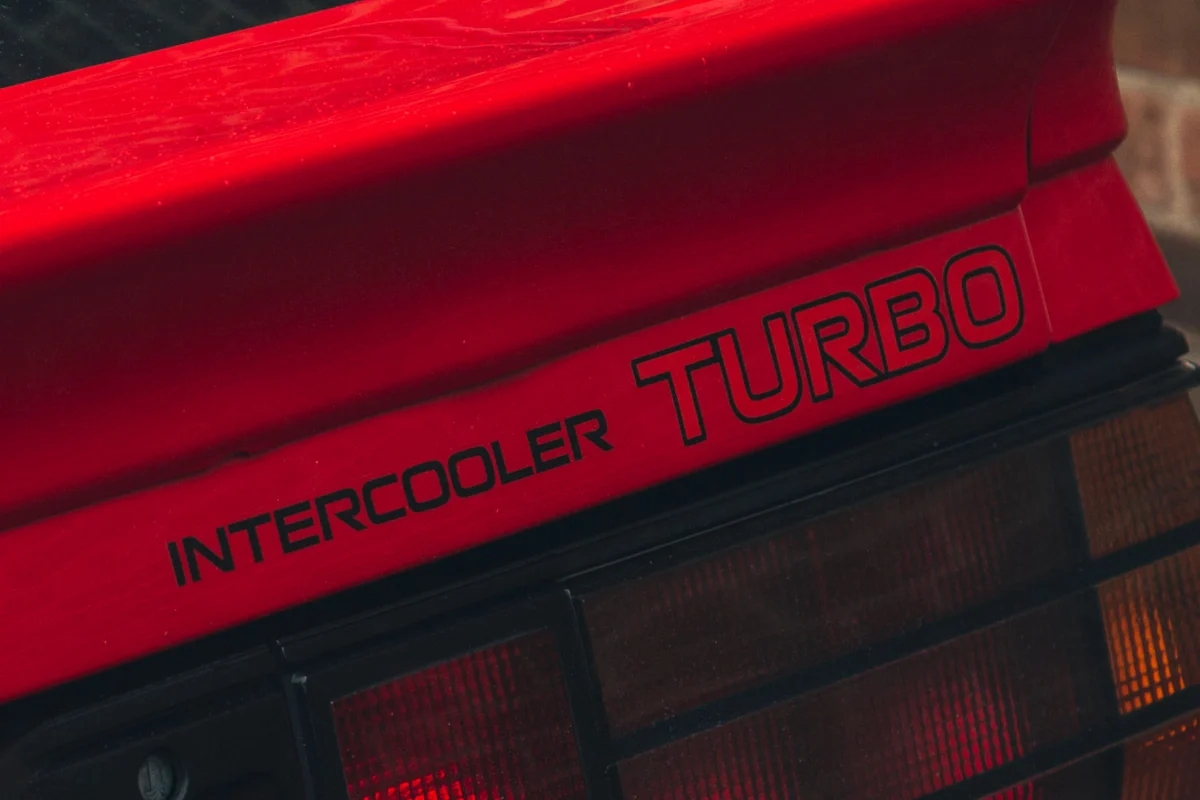
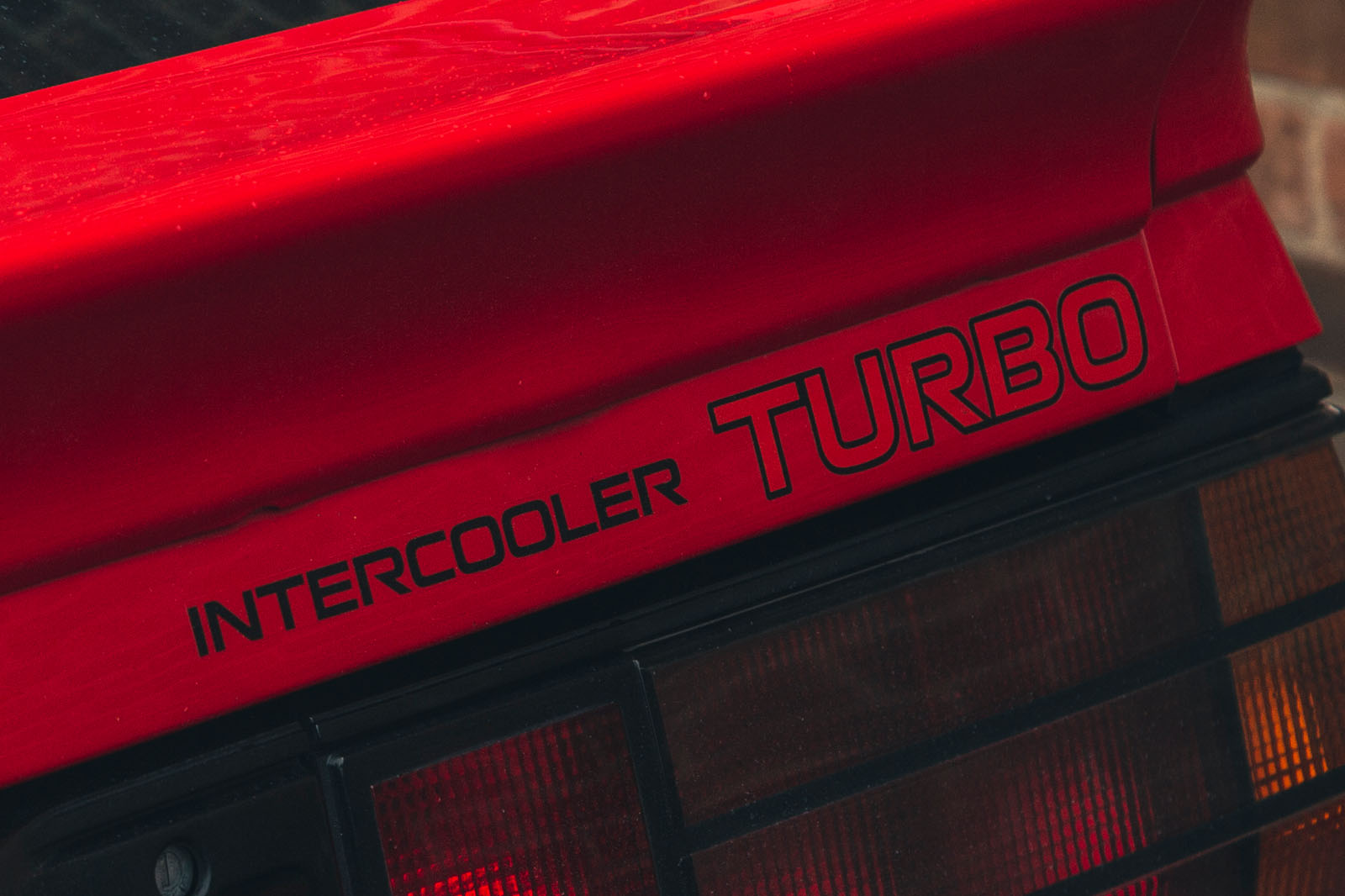
During this period, badging focused on the fundamental mechanics of the internal combustion engine. Terms like "Overdrive," "Automatic," and "Fuel Injection" were common. As technology progressed, manufacturers began to highlight specific valve counts. The "16v" or "24v" badges became status symbols in the 1980s, signifying that a vehicle utilized double overhead cams and four valves per cylinder—a significant upgrade from the standard eight-valve engines of the time. This era also saw the rise of the "Turbo" badge, popularized by brands like Porsche, Saab, and Renault, which transitioned from a technical description to a synonym for speed and modernity.
The Safety and Environmental Shift (1990s)
In the early 1990s, the focus shifted toward safety and environmental consciousness. The "ABS" (Anti-lock Braking System) badge was frequently found on the rear windows or trunk lids of mid-range sedans, signaling a premium safety feature. Similarly, the "Catalyst" or "Catalytic Converter" badge emerged as a response to tightening emissions regulations. In Europe, the transition to unleaded fuel was a major societal shift; manufacturers used these badges to inform owners and fuel station attendants that the vehicle required specific fuel types and met new environmental standards.
The Branding of Comfort and Lifestyle (2000s–2010s)
As technical features like fuel injection and ABS became universal, manufacturers moved toward "lifestyle" branding. The Renault Kadjar Bose Edition serves as a prime example, where the partnership with a third-party audio manufacturer was deemed more marketable than the vehicle’s mechanical specifications. During this time, technical badging became more abstract, with terms like "BlueMotion" (Volkswagen) or "SkyActiv" (Mazda) used to describe a suite of efficiency technologies rather than a single mechanical component.
Data and Market Context: The Rise of Chinese PHEVs
The introduction of the Denza Bao 5 into the UK market occurs at a time of rapid growth for Chinese-made vehicles in Europe. According to data from the Society of Motor Manufacturers and Traders (SMMT), the market share of Chinese brands in the UK has grown from less than 1% in 2019 to nearly 5% in 2023, largely driven by electric and hybrid offerings.
The Bao 5 utilizes a 1.5T engine specifically optimized for high thermal efficiency (45.08%), which is a critical metric for the Chinese "New Energy Vehicle" (NEV) sector. The DMO platform also supports a "6kW External Discharge" (V2L) function, allowing the car to act as a mobile power station for camping equipment or tools. This data highlights why Denza feels compelled to use technical badging: in a crowded market, specific acronyms like "DMO" serve as shorthand for a comprehensive list of high-tech capabilities that traditional "4×4" or "SUV" labels no longer adequately describe.
Official Responses and Industry Positioning
While Denza has not issued a specific statement regarding the linguistic accessibility of its badges for the British public, the company’s marketing strategy suggests a "technology-first" approach. Industry analysts suggest that for new entrants like Denza, using incomprehensible or highly technical badges is a deliberate choice to foster an image of "innovation-led" luxury.
"New brands entering the European market face a significant brand-equity gap compared to established players like Land Rover or Jeep," notes automotive branding consultant Marcus Thorne. "By utilizing technical initialisms like DiSus-P, Denza is attempting to bypass traditional brand loyalty by appealing to the consumer’s interest in ‘gadgetry’ and engineering sophistication. It creates a sense of ‘black box’ technology that feels more advanced because it is proprietary."
Conversely, some critics argue that such badging can alienate the average consumer. Historical precedents suggest that while "Turbo" and "16v" eventually entered the common vernacular, more obscure terms like "GDI" (Gasoline Direct Injection) or "HPi" (High-Pressure Injection) failed to resonate with the public and were eventually phased out in favor of simpler nomenclature.
Broader Impact and Implications for the Automotive Industry
The return to technical badging signifies a broader shift in how cars are sold in the 21st century. As the industry moves toward "Software-Defined Vehicles" (SDVs), the hardware (the engine and chassis) is being rebranded through the lens of the software that controls it. The "DiSus-P" badge is not just a label for a hydraulic pump; it is a label for the algorithm that manages that pump.
The Information Gap
There is a growing disparity between the technical complexity of modern vehicles and the consumer’s understanding of that technology. In the 1990s, a "Catalyst" badge referred to a physical part that most owners could understand. Today, a "DMO" platform involves complex energy management software, regenerative braking curves, and torque vectoring algorithms. The use of these badges assumes a level of "technical vernacular" that may not exist among the general public, potentially leading to a reliance on dealership staff to "decode" the vehicle for the buyer.
Differentiation in the EV Era
As internal combustion engines are phased out, the traditional ways of differentiating cars—such as cylinder count or engine displacement—are disappearing. In the electric era, most motors provide similar torque characteristics. Consequently, manufacturers are turning to proprietary platform names and suspension technologies to create a unique identity. We are likely to see an increase in "alphabet soup" badging as brands compete to prove their electric or hybrid architecture is superior to that of their rivals.
Conclusion
The Denza Bao 5 is more than just a new contender in the off-road segment; it is a rolling case study in the resurgence of technical branding. By reviving the spirit of the "16v" and "Catalyst" badges of the past, Denza is attempting to carve out a niche based on engineering transparency—even if that transparency is delivered through "incomprehensible" initialisms. Whether "DiSus-P" will become a household name like "Quattro" or "VTEC" remains to be seen, but its presence on British roads signals a return to an era where the machine’s inner workings are once again a point of advertised pride. As the automotive landscape continues to transform, the badges on the tailgate will remain the primary interface between the engineer’s ambition and the consumer’s curiosity.