Volvo Car UK has announced a strategic shift in its product roadmap, confirming a renewed focus on long-range plug-in hybrid electric vehicles (PHEVs) to navigate a domestic market where the transition to pure-electric motoring is progressing slower than initial industry forecasts. This decision, articulated by Volvo UK Managing Director Nicole Melillo Shaw, represents a pragmatic adjustment to the Swedish manufacturer’s ambitious electrification goals. By doubling down on hybrid technology, the company aims to provide a viable "stepping stone" for consumers who remain hesitant to commit fully to Battery Electric Vehicles (BEVs) due to concerns over infrastructure, range, and cost.
The shift comes at a critical juncture for the UK automotive industry, which is currently grappling with the implementation of the Zero Emission Vehicle (ZEV) mandate while simultaneously facing a cooling of retail demand for electric cars. Melillo Shaw, speaking in a comprehensive interview with Autocar, emphasized that while Volvo remains committed to an eventual all-electric future, the current market reality necessitates a more flexible approach that includes high-performance hybrids capable of meaningful electric-only operation.
The Stepping Stone Philosophy and the Range Imperative
Central to Volvo’s revised strategy is the recognition that previous generations of plug-in hybrids often failed to deliver on their environmental promises because their limited electric ranges discouraged regular charging. Melillo Shaw noted that for a hybrid to serve as an effective transition tool, it must offer a range that covers the vast majority of daily commutes without the need for the internal combustion engine to engage.
"The important nuance here is not the number of hybrids we sell: it’s whether people are driving them as a hybrid rather than just as a petrol car," Melillo Shaw explained. She highlighted a historical trend where low-range PHEVs—often providing only 20 to 30 miles of electric autonomy—were frequently operated as traditional combustion vehicles, particularly in the corporate fleet sector where tax incentives rather than environmental utility drove adoption.
To rectify this, Volvo has invested heavily in battery density and powertrain efficiency to ensure its next generation of hybrids can function as "true" electric vehicles for most of their service life. By offering ranges that exceed 50 or even 100 miles, the manufacturer believes it can cultivate charging habits in customers, effectively preparing them for the eventual leap to a pure-BEV model.
Market Performance and Sales Data Analysis
The data underlying Volvo’s strategy shift reveals a complex picture of the UK automotive landscape. While Volvo’s pure-electric sales have seen a significant upward trajectory in absolute terms, they continue to be overshadowed by internal combustion engine (ICE) and hybrid counterparts.
In 2022, Volvo sold 4,556 pure-electric vehicles in the UK. By 2024, this figure rose to nearly 18,000 units, reflecting the successful launch of models like the EX30 and the continued popularity of the XC40 Recharge. Data from the first seven months of 2026 indicates that approximately 9,000 EVs were delivered. However, despite this growth, petrol-powered vehicles (including mild hybrids and PHEVs) accounted for approximately 75% of the brand’s total UK sales during the current year, totaling 31,000 units. Of those, nearly 7,000 were plug-in hybrids.
This 75% reliance on combustion-assisted powertrains underscores a persistent consumer preference for the flexibility of liquid fuel, particularly among long-distance drivers and those without access to home charging. Industry-wide data from the Society of Motor Manufacturers and Traders (SMMT) supports this observation, showing that while the fleet sector is rapidly electrifying, the private retail market for EVs has remained relatively stagnant, hampered by the removal of the Plug-in Car Grant and high electricity costs.
Product Roadmap: The Advent of Ultra-Long-Range PHEVs
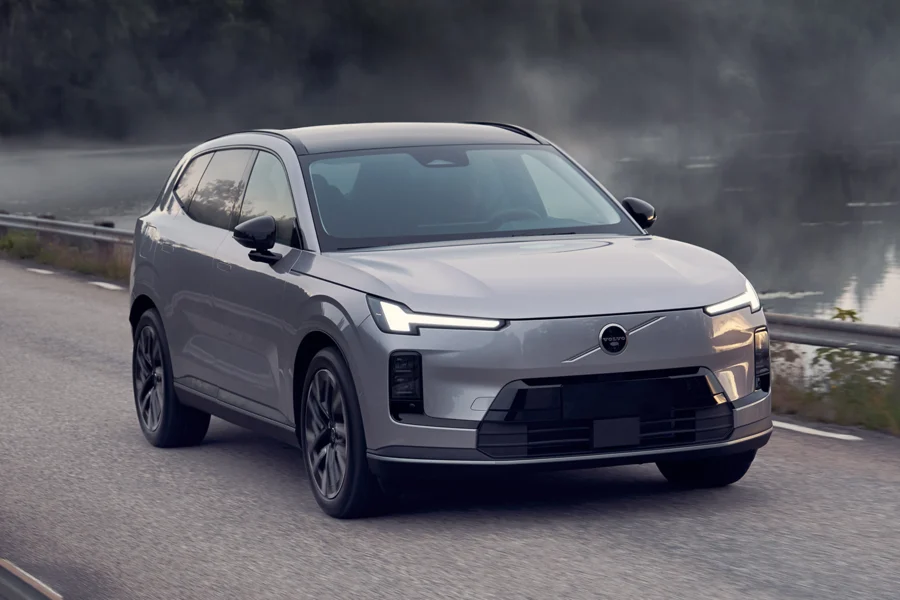
To bridge the gap between current consumer habits and future mandates, Volvo is preparing to launch a new generation of "long-range" PHEVs. Currently, Volvo’s flagship SUVs, the XC60 and XC90, offer a maximum electric-only range of approximately 50 miles under the WLTP (Worldwide Harmonised Light Vehicles Test Procedure) cycle. While class-leading a few years ago, this is now seen as the baseline for modern premium hybrids.
The first major indicator of Volvo’s new direction is the XC70, a model recently unveiled in the Chinese market and slated for European release. The XC70 is designed as a high-utility crossover that prioritizes battery capacity. In its Chinese specification, the vehicle claims an engine-off range of 124 miles. While this figure is based on the more optimistic CLTC (China Light Duty Vehicle Test Cycle), the equivalent WLTP range is expected to comfortably exceed 80 miles, which would make it one of the longest-range PHEVs available in the UK.
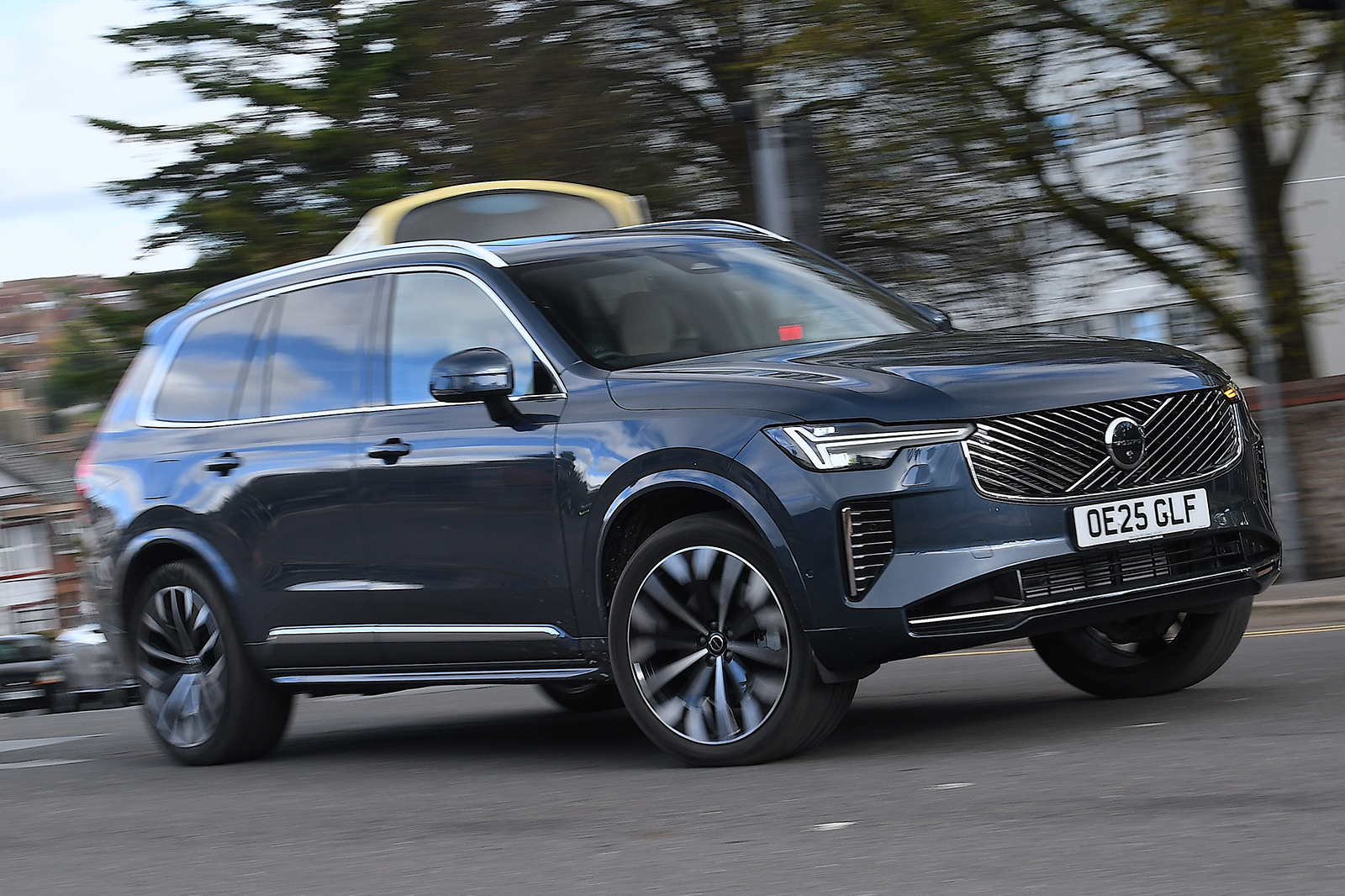
Furthermore, reports from Automotive News suggest that an upcoming refresh for the mid-sized XC60—Volvo’s perennial bestseller—will incorporate a significantly larger battery pack. This upgrade is expected to more than double the current model’s electric range, potentially pushing it toward the 90-to-100-mile mark. Such a range would allow many UK drivers to go an entire week without using a drop of petrol, effectively providing the EV experience with a safety net for longer weekend journeys.
The Regulatory Challenge: Navigating the ZEV Mandate
Volvo’s pivot occurs against the backdrop of the UK government’s ZEV mandate, which requires manufacturers to ensure that a specific percentage of their new car sales are zero-emission (pure EV). For 2024, the target is 22%, rising annually until reaching 80% by 2030 and 100% by 2035.
While Volvo’s EV sales are growing, the pace of the wider market’s adoption has led Melillo Shaw to call for a "reality check" regarding these targets. The mandate includes a system of credits and fines, where manufacturers failing to meet the percentage targets must pay £15,000 per non-compliant vehicle sold or purchase credits from "cleaner" rivals like Tesla.
"If everyone decided to drive an electric car tomorrow, we are set up to support that, so there are no concerns from an innovation standpoint," Melillo Shaw stated. However, she noted that the government and industry must work in tandem to ensure that infrastructure and consumer incentives align with the legislative timeline. The ongoing review of the ZEV mandate by the Department for Transport is a focal point for Volvo and its competitors, as the industry argues that forcing EV supply ahead of consumer demand could lead to market distortions and financial instability for legacy automakers.
Chronology of Volvo’s Electrification Strategy
To understand the significance of this pivot, it is necessary to look at Volvo’s recent history and its stated goals:
- 2017: Volvo becomes the first major traditional automaker to announce that every model launched from 2019 onwards would have an electric motor (mild hybrid, PHEV, or BEV).
- 2021: The company announces a bold ambition to become a fully electric car company by 2030, intending to phase out all internal combustion engines, including hybrids, globally.
- 2022-2023: Launch of the EX30 and EX90. The EX30 becomes a hit in the UK, significantly boosting Volvo’s BEV market share.
- 2024: Market conditions shift. Rising interest rates and the cost-of-living crisis in the UK dampen private EV demand. Volvo begins to emphasize its PHEV lineup as a necessary bridge.
- Late 2024 (Present): Volvo UK confirms it will "double down" on long-range PHEVs, acknowledging that the 2030 all-electric goal may require a more nuanced regional execution depending on infrastructure readiness.
Broader Industry Implications and Analysis
Volvo is not alone in its cautious recalibration. Other premium manufacturers, including Mercedes-Benz and BMW, have also signaled a renewed commitment to hybrid technology. Mercedes-Benz recently walked back its "Electric Only" strategy to "Electric Ready," extending the life of its combustion-powered models into the 2030s.
The logic behind this industry-wide trend is twofold: financial and logistical. Developing pure-EV platforms requires massive capital expenditure. If sales volumes do not meet expectations, the return on investment is delayed, putting pressure on corporate balance sheets. Conversely, PHEVs utilize existing combustion architecture while integrating battery technology, offering a more stable revenue stream during the transition period.
From a sustainability perspective, the "long-range PHEV" strategy is a double-edged sword. Critics argue that hybrids still carry the weight and complexity of two powertrains and that their real-world emissions are often higher than laboratory tests suggest. However, proponents argue that a PHEV with a 100-mile range used correctly is functionally equivalent to an EV for 90% of its life, while requiring a smaller battery (roughly 30-40 kWh) than a long-range BEV (75-100 kWh). This allows manufacturers to spread limited battery minerals across more vehicles, potentially reducing the total carbon footprint of the fleet.
Future Outlook: A Multi-Pathway Transition
As Volvo UK moves forward, its success will depend on its ability to balance the demands of the ZEV mandate with the actual preferences of the British car-buying public. The introduction of the XC70 and the refreshed XC60 with extended ranges will be a litmus test for whether consumers view "ultra-hybrids" as a superior alternative to pure EVs.
The UK government’s stance will also be pivotal. If the government maintains strict ZEV targets without reintroducing retail incentives or accelerating the rollout of public charging, manufacturers like Volvo may find themselves in the difficult position of having the right technology for the consumer but the wrong technology for the regulator.
For now, Volvo’s message is clear: the path to zero emissions is not a straight line. By investing in long-range hybrids, the company is betting that the most effective way to reach an electric future is to meet customers where they are today—providing them with the security of a petrol engine and the efficiency of an electric motor, without the compromises of early-generation hybrid technology. As Nicole Melillo Shaw concludes, the focus remains on ensuring that when customers do choose a hybrid, they are empowered to drive it as the electric vehicle it was designed to be.