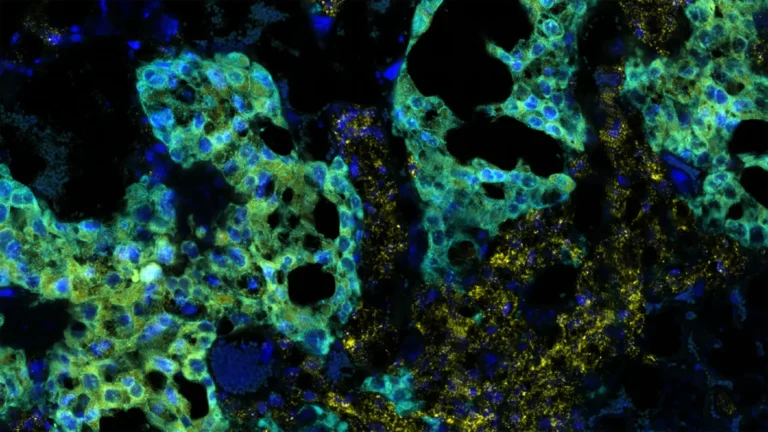




Scientists at King’s College London have unveiled a groundbreaking new strategy for combating Alzheimer’s disease, a neurodegenerative condition that affects millions worldwide. This novel approach centers on an experimental drug, KCL-286, originally developed for spinal cord injuries, which has shown remarkable potential in addressing multiple facets of Alzheimer’s pathology simultaneously. The research, published in a leading scientific journal, indicates that KCL-286 may not only repair damaged DNA but also significantly reduce inflammation in the brain, while directly targeting other key biological changes intrinsically linked to the disease’s progression.
A Multi-Targeted Approach to a Complex Disease
Alzheimer’s disease is characterized by a complex cascade of pathological events that begin years, if not decades, before overt symptoms emerge. The most well-known hallmarks are the abnormal accumulation of amyloid-beta plaques and tau tangles. Amyloid-beta, a protein fragment, aggregates into sticky deposits between neurons, disrupting their communication. Tau, another protein, forms neurofibrillary tangles within neurons, further impairing cellular function and ultimately leading to neuronal death. While considerable research efforts and therapeutic development have focused on clearing these toxic proteins, many experts now believe that a singular focus is insufficient to halt or reverse the disease’s relentless march.
The significance of the King’s College London findings lies in KCL-286’s ability to address processes that are increasingly recognized as critical contributors to Alzheimer’s, even in its earliest stages. Unlike many existing or experimental treatments that primarily target amyloid-beta or tau, KCL-286 intervenes in fundamental cellular repair mechanisms and inflammatory responses, offering a more comprehensive therapeutic avenue.
"Our findings demonstrate that KCL-286 not only targets DNA damage but also reduces inflammation, two processes that occur very early in Alzheimer’s disease progression," stated Dr. Maria Goncalves, who project-managed the drug development. "This highlights its potential as a disease-modifying therapy rather than simply addressing symptoms."
Encouraging Preclinical Results in Alzheimer’s Models
In a series of experiments conducted on a mouse model of Alzheimer’s disease, KCL-286 demonstrated compelling results. The drug effectively promoted the repair of DNA double-strand breaks, a particularly dangerous form of genetic damage that can compromise cellular integrity. Simultaneously, it was observed to significantly reduce neuroinflammation, a chronic inflammatory state in the brain that exacerbates neuronal damage and dysfunction in Alzheimer’s.
These preclinical findings are particularly noteworthy because DNA damage and neuroinflammation are believed to play crucial roles in the initiation and progression of Alzheimer’s disease. DNA damage can disrupt essential cellular processes, leading to the dysfunction and death of neurons. Chronic inflammation, while initially a protective response, becomes detrimental in the context of neurodegenerative diseases, contributing to a vicious cycle of damage.
"DNA double-strand breaks are like a rope snapping completely in two, rather than just fraying at the edges," explained Professor Jonathan Corcoran, Professor of Neuroscience at the Institute of Psychiatry, Psychology & Neuroscience at King’s College London. "We found that KCL-286 promotes repair of these breaks, allowing us to target a key feature of Alzheimer’s disease."
The drug’s ability to intervene in these early-stage processes suggests a potential for slowing disease progression before irreversible neuronal loss occurs, a critical unmet need in Alzheimer’s treatment.
Leveraging Existing Safety Data: A Shorter Path to the Clinic
A significant advantage of KCL-286 is its established safety profile in humans. As part of its original development for spinal cord injuries, the drug successfully completed Phase 1 human safety and tolerability trials. This prior clinical testing is a substantial boon for its potential Alzheimer’s application, as it can significantly expedite the lengthy and costly process of bringing a new drug to market.
"KCL-286 is a first-in-class, orally bioavailable small molecule that has already successfully cleared Phase 1 human safety and tolerability trials," Professor Corcoran elaborated. "This will dramatically cut down the traditional multi-year timeline required for new drug development."
The fact that KCL-286 is an orally bioavailable small molecule is another practical benefit. This means it can be taken by mouth, offering a more convenient and less invasive administration route compared to injectable or intravenous therapies, which can improve patient adherence and quality of life.
The Retinoic Acid Pathway: A Link to Brain Health
The mechanism by which KCL-286 exerts its effects is rooted in its ability to activate a specific protein within the retinoic acid pathway. This biological system is intimately involved in the body’s processing and utilization of vitamin A. While vitamin A is widely recognized for its role in vision, it also plays vital roles in cellular development, gene regulation, and the intricate functioning of the nervous system. Retinoic acid, a derivative of vitamin A, acts as a signaling molecule, influencing the activity of genes involved in numerous essential biological processes, including those critical for brain health and neuronal maintenance.
Previous research has indicated a potential link between disruptions in this retinoic acid pathway and the formation of amyloid-beta deposits in the brain, a hallmark of Alzheimer’s disease. These early observations provided a compelling rationale for investigating KCL-286’s potential therapeutic benefits for Alzheimer’s. By modulating this pathway, KCL-286 offers a way to influence biological processes that are fundamental to maintaining brain health and facilitating cellular repair.
Addressing the Complexity of Alzheimer’s: Beyond Amyloid and Tau
The development of Alzheimer’s treatments has historically been dominated by the pursuit of therapies targeting amyloid-beta and tau. While some medications that reduce amyloid-beta have shown modest clinical benefits, their impact is often limited, and they do not fully encompass the multifaceted nature of the disease. Emerging research increasingly points to the importance of other pathological processes, such as DNA damage and chronic neuroinflammation, which can occur early in the disease trajectory and contribute significantly to neuronal dysfunction and loss.
The parallel development of KCL-286 for spinal cord injuries and its subsequent investigation for Alzheimer’s disease stem from the identification of shared molecular pathways between these seemingly disparate neurological conditions. This interdisciplinary approach highlights a growing understanding that damage and repair mechanisms in the nervous system may have overlapping biological underpinnings.
Natasha Hill, one of the first authors on the King’s College London paper, emphasized this point: "To develop an effective treatment for Alzheimer’s disease, we need to tackle multiple aspects of the disease. KCL-286 was able to target multiple disease-relevant cellular pathways, some of which are initiated very early in the disease course."
Implications for Future Alzheimer’s Research and Treatment
The findings surrounding KCL-286 represent a significant potential shift in the landscape of Alzheimer’s research and therapeutic development. The move towards multi-targeted therapies that address interconnected causes of brain damage, rather than focusing on a single pathological hallmark, is gaining momentum. This broader, more holistic approach holds greater promise for effectively slowing or halting the progression of this complex disease.
The preclinical success of KCL-286 in repairing DNA damage and reducing neuroinflammation, coupled with its prior demonstration of human safety, positions it as a particularly promising candidate for further clinical investigation. However, it is crucial to underscore that these findings remain preclinical. Extensive further studies, including rigorous human clinical trials, will be indispensable to confirm the drug’s safety and efficacy in patients with Alzheimer’s disease. These trials will aim to determine whether KCL-286 can indeed slow disease progression, improve cognitive function, or enhance overall outcomes for individuals living with this devastating condition.
The research team at King’s College London has initiated a new chapter in the quest for an Alzheimer’s cure, offering a beacon of hope grounded in scientific innovation and a deeper understanding of the disease’s intricate biological mechanisms. The journey from laboratory discovery to a widely available treatment is often long and arduous, but the promising characteristics of KCL-286 suggest that this particular path may be a significantly shorter one.