



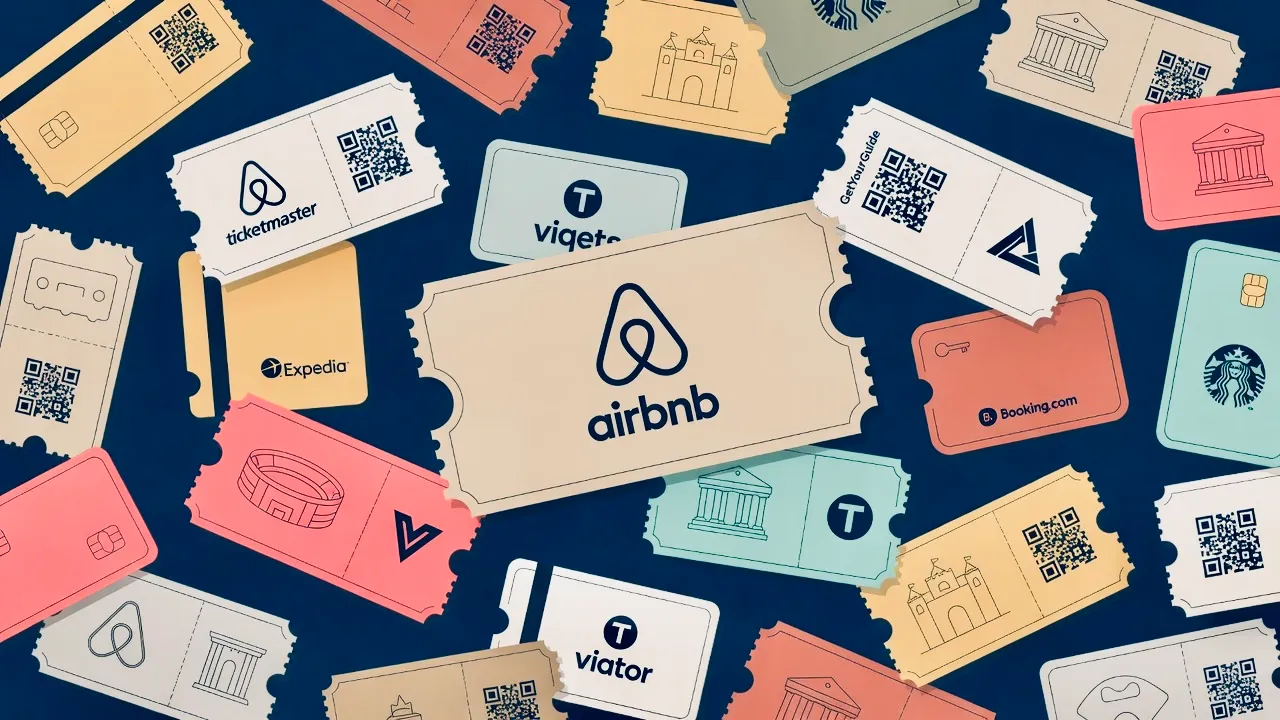
Airbnb is signaling a major expansion of its platform ecosystem through the quiet launch of two significant internal projects: a dedicated standalone ticketing business and a centralized guest financial hub known as Wallet. According to recent job listings posted by the San Francisco-based company in July 2024, Airbnb is actively recruiting senior leadership to spearhead what it describes as a "new and fast-growing business" that will encompass attractions, tours, and live events. This move marks a definitive step beyond the company’s core identity as a short-term rental provider and suggests a renewed ambition to capture a larger share of the total traveler spend.
The job descriptions, which appeared on the company’s careers portal, outline a comprehensive strategy to integrate primary and secondary ticketing into the Airbnb user experience. One specific listing for a Product Marketing and Management leader for the "Tickets" team emphasizes the development of a vertical that spans not just traditional sightseeing attractions, but also high-demand live events. Simultaneously, the company is seeking a Senior Strategy and Operations Lead tasked with scaling supply, managing reservation systems, and overseeing channel managers—the technical infrastructure required to connect Airbnb to the global inventory of museums, theme parks, and concert venues.
A Strategic Shift in Product Philosophy
For years, Airbnb’s approach to activities was defined by "Experiences," a platform launched in 2016 that focused on unique, host-led activities such as cooking classes or guided hikes. While Experiences aimed for authenticity and "belonging," the new Tickets initiative appears to target the mass-market attractions sector currently dominated by industry giants like TripAdvisor’s Viator, GetYourGuide, and Klook.
The inclusion of "live events" and "secondary ticketers" in the job descriptions is particularly noteworthy. It suggests that Airbnb may soon facilitate the purchase of tickets for concerts, sporting events, and theater productions, potentially putting it in competition with platforms like Ticketmaster or StubHub. By integrating these services, Airbnb aims to transform its application into a comprehensive travel planning tool where a user can book a home, a dinner reservation, and a concert ticket in a single ecosystem.
Parallel to the ticketing expansion is the development of "Wallet," described in job listings as "Airbnb’s new financial hub for guests." While the company has not released official details regarding the Wallet’s functionality, industry analysts suggest it will likely serve as a repository for refunds, promotional credits, and perhaps a stored-value account to facilitate seamless cross-border transactions. This move into fintech aligns with broader trends in the travel industry, where companies like Hopper and Booking.com have successfully utilized financial products to increase customer loyalty and reduce transaction friction.
Chronology of Airbnb’s Foray into Attractions
Airbnb’s journey into the attractions space has been characterized by both internal experimentation and external investment. To understand the significance of this new ticketing push, one must look at the company’s decade-long history of attempting to capture the "in-destination" market:
- 2016: Airbnb officially launches "Experiences" in 12 cities, signaling its intent to move beyond accommodations.
- 2017–2019: The company expands Experiences globally and begins exploring "Adventures" (multi-day trips). During this period, Airbnb invests in Tiqets, a Dutch-based ticketing platform for museums and culture, gaining a seat on its board and observing the mechanics of the high-volume attractions market.
- 2020: The COVID-19 pandemic halts global travel. Airbnb pivots to "Online Experiences," which provides a temporary revenue stream but fails to match the scale of in-person activities.
- 2023: In a significant strategic move, Airbnb pauses the submission of new Experiences. CEO Brian Chesky acknowledges that while the product is beloved, it needs to be "more mainstream" and easier for guests to discover.
- Early 2024: Expedia Group acquires a majority stake in Tiqets. Having spent seven years watching the ticketing business from the inside as an investor, Airbnb allows its stake to be absorbed, effectively clearing the path to build its own proprietary infrastructure.
- July 2024: Job listings for the "Tickets" and "Wallet" teams emerge, confirming that Airbnb is building a native solution rather than relying on third-party partnerships.
Supporting Data: The Scale of the Opportunity
The global tours, activities, and attractions market is estimated to be worth approximately $250 billion to $300 billion annually. Despite its size, the sector remains highly fragmented, with a significant portion of bookings still occurring offline or through traditional hotel concierge desks. However, the shift toward digital booking is accelerating. According to data from Arival, a travel research firm, online bookings for attractions grew by double digits in 2023, driven largely by younger travelers who prefer mobile-first solutions.
For Airbnb, the financial incentive is clear. The company currently generates the vast majority of its revenue from a service fee on lodging. By capturing even a small percentage of the attractions market, Airbnb can significantly increase its Gross Booking Value (GBV). In its Q1 2024 earnings report, Airbnb reported a GBV of $22.9 billion, a 12% increase year-over-year. Integrating high-frequency purchases like museum tickets or event entries provides a way to maintain growth as the short-term rental market in major cities faces increasing regulatory pressure.
Furthermore, the "Wallet" initiative addresses a significant pain point in travel: currency conversion and refund management. By keeping guest funds within the Airbnb ecosystem via a digital wallet, the company can reduce merchant processing fees and potentially earn interest on held balances—a strategy successfully employed by Starbucks and various airlines.
Industry Context and Competitive Landscape
Airbnb’s entry into standardized ticketing puts it on a collision course with established Online Travel Agencies (OTAs). Historically, Airbnb and Expedia existed in separate spheres—Airbnb dominated the alternative accommodations space, while Expedia and Booking Holdings dominated hotels and flights. However, those lines have blurred.
Expedia’s recent acquisition of Tiqets and its robust "Things to Do" vertical make it a formidable incumbent. Similarly, TripAdvisor’s Viator has seen explosive growth, often outperforming the company’s core meta-search business. These competitors have spent years building relationships with thousands of individual tour operators and attraction venues.
Airbnb’s advantage lies in its brand loyalty and its "top-of-funnel" position. Millions of travelers start their trip planning on Airbnb. By offering tickets at the moment of lodging confirmation, Airbnb can capture "intent" before the traveler ever visits a competitor’s site. The "Wallet" further cements this advantage by creating a "locked-in" financial environment where it is easier for a guest to spend their remaining balance on a tour than to cash it out.
Logical Analysis of Implications
The dual launch of Tickets and Wallet suggests that Airbnb is pursuing a "Super-App" strategy, similar to WeChat in China or Grab in Southeast Asia. This transition is likely motivated by several factors:
- Regulatory Hedging: Cities like New York, London, and Barcelona have introduced strict limits on short-term rentals. By diversifying into tickets and financial services, Airbnb creates a revenue buffer against the loss of inventory in key urban markets.
- Data Monetization: Knowing that a guest is staying in Paris is valuable; knowing they are also interested in "modern art" and "live jazz" (based on their ticket searches) allows Airbnb to use AI to provide hyper-personalized recommendations, increasing conversion rates.
- Operational Efficiency: Managing thousands of individual "Experience" hosts is operationally expensive and difficult to scale. In contrast, selling tickets to the Louvre or Disney World involves connecting to a single API (Application Programming Interface), allowing for rapid global scaling with minimal human oversight.
Official Responses and Market Reaction
While Airbnb has not issued a formal press release regarding the "Tickets" or "Wallet" divisions, the company’s leadership has dropped hints in recent months. During the 2024 May release, Brian Chesky stated that the company was "embarking on a multi-year journey to make Airbnb much more than a place to stay." He emphasized that the company would spend the next year "expanding the core" and "moving beyond the core."
Market analysts have reacted cautiously but optimistically. Financial firms have noted that Airbnb’s balance sheet, which boasts over $11 billion in cash and short-term investments, provides the necessary "dry powder" to build out these complex technical infrastructures. However, some warn that the ticketing industry is a "low-margin, high-volume" game that requires impeccable customer service and real-time inventory management—areas where Airbnb has occasionally struggled in the past.
The Path Forward
The development of the Tickets and Wallet teams represents the most significant shift in Airbnb’s business model since the launch of Experiences eight years ago. By moving into the standardized attractions and live events space, the company is moving away from the "boutique" feel of its early years and toward a model of global travel dominance.
As the company fills these senior leadership roles, the travel industry will be watching closely to see how Airbnb integrates these new features. If successful, the Airbnb app will no longer be a tool used twice a year to book a summer vacation or a weekend getaway; it will become a daily companion for travelers and locals alike, managing their money, their access to culture, and their entertainment. For now, the job listings serve as the first blueprint for a company that is no longer content with just providing a roof over a traveler’s head.