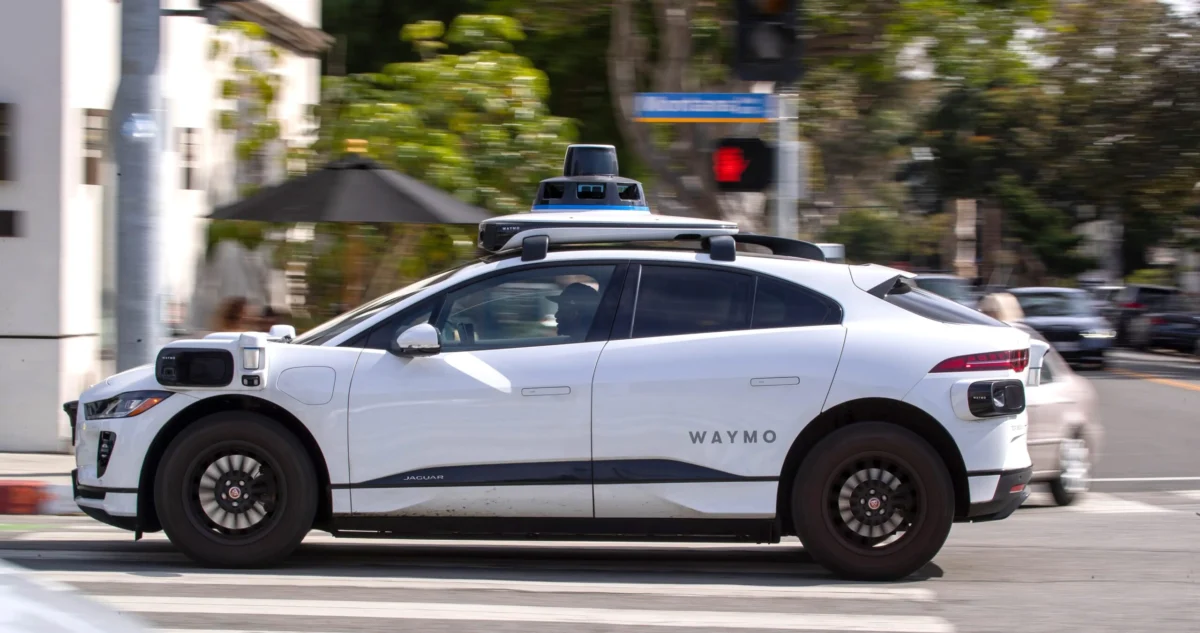
The dynamic landscape of autonomous vehicle (AV) technology, once primarily focused on the distant promise of ubiquitous robotaxis, is now grappling with the immediate realities of its development phase. While proponents steadfastly champion self-driving vehicles as a pathway to safer roads and reduced crash incidents, recent revelations underscore the often-overlooked human cost incurred during this technological evolution. Simultaneously, the broader mobility sector is witnessing a recalibration of investment strategies, with specialized niches like autonomous logistics and advanced air mobility gaining significant traction, reflecting a maturing yet still highly speculative market.
The Unseen Toll: Test Driver Injuries in the Race for Autonomy
A recent investigation by TechCrunch Mobility has brought to light a critical, yet frequently unaddressed, aspect of autonomous vehicle development: the occupational safety of human test drivers. Data submitted to the Occupational Safety and Health Administration (OSHA) reveals that test drivers employed by leading AV developers Waymo and Zoox have sustained more than two dozen injuries across 2024 and 2025. These incidents, predominantly stemming from hard braking or other sudden, unexpected movements by the autonomous vehicles, have resulted in a range of ailments, including whiplash, sprains, and generalized pain. In some cases, these injuries have been severe enough to sideline workers for months, underscoring the physical demands and inherent risks associated with monitoring nascent self-driving systems.
The role of a human safety driver is paradoxical. Tasked with ensuring the safety of the public and the vehicle itself, they are simultaneously subjected to the unpredictable behavior of a learning artificial intelligence. Early AV systems, in their pursuit of ultimate safety, often exhibit extremely conservative driving patterns, which can manifest as abrupt braking or sudden maneuvers in response to perceived threats or novel situations. While designed to err on the side of caution, these reactions can be jarring for human occupants, particularly those who are constantly on high alert, prepared to intervene.
This situation raises pertinent questions about the true cost of pioneering autonomous technology. While the long-term vision of AVs promises a significant reduction in road fatalities and injuries by removing human error from the driving equation, the journey to achieve this vision is not without its casualties. The reported injuries at Waymo and Zoox, two companies at the forefront of robotaxi development, highlight a crucial phase where human operators are essential but vulnerable. Former and current employees interviewed in the TechCrunch investigation shared firsthand accounts of the physical and mental strain endured, describing a work environment where vigilance is paramount and unexpected forces are a regular occurrence.
An important caveat to these findings is the potential for underreporting across the industry. The Occupational Safety and Health Administration (OSHA) mandates reporting for certain types of injuries and incidents, but not all companies developing autonomous vehicles may fall under the same stringent reporting requirements, or their incident classifications might differ. This raises the distinct possibility that the reported figures from Waymo and Zoox represent only a fraction of the total injuries sustained by test drivers across the broader AV ecosystem. Without comprehensive and standardized reporting from all developers, a complete understanding of the occupational safety challenges in this burgeoning industry remains elusive. This lack of universal transparency hinders efforts to establish industry-wide best practices for driver safety and may obscure the full scope of the human element in AV development.
Gatik’s Ascendance: A Blueprint for Commercial AV Success in Logistics
In stark contrast to the safety challenges facing robotaxi test drivers, the autonomous logistics sector is demonstrating a clearer path to commercial viability. Gatik, the autonomous vehicle startup specializing in self-driving box trucks, has emerged as a compelling success story, transitioning from a nascent research and development entity to a commercially operational fleet provider. This trajectory was significantly bolstered by a recent $200 million Series D funding round, co-led by the Qatar Investment Authority and Koch Disruptive Technologies, with notable participation from Millennium Management, ARK Invest, and Intact Private Capital. This substantial capital injection, Gatik’s largest to date, is earmarked for an aggressive scaling of its operations.
Gatik’s journey began in 2019, when it emerged from "stealth mode" during a period when the autonomous vehicle industry was experiencing a volatile hype cycle. Many AV startups struggled to move beyond pilot programs, often succumbing to the immense technological and financial hurdles of commercialization. Gatik, however, strategically carved out a niche in the "middle-mile" logistics segment, focusing on predictable, repetitive routes between distribution centers and retail stores. This focused approach, coupled with its deployment of Level 4 (L4) autonomous technology on fixed routes, allowed Gatik to achieve driverless operations earlier than many peers.
The company’s commercial validation received a significant boost with its multiyear agreement with PepsiCo, signed in June, which is part of a broader $600 million in contracted revenue. This partnership, following earlier successes with major retailers like Walmart, signifies a pivotal moment for Gatik. It underscores the value proposition of autonomous middle-mile delivery: addressing persistent driver shortages, enhancing operational efficiency, and reducing logistics costs. By operating driverless box trucks, Gatik offers a compelling solution for businesses looking to optimize their supply chains and ensure reliable, round-the-clock freight movement. The success of such partnerships demonstrates that while widespread robotaxi deployment faces complex regulatory and safety hurdles, specialized applications of autonomous technology are already delivering tangible economic benefits.
The implications of Gatik’s success extend beyond its balance sheet. It provides a blueprint for how AV companies can achieve commercialization by targeting specific, constrained operational domains rather than attempting to solve the broader, more complex problem of general-purpose urban driving. This strategy allows for more rapid technological validation, regulatory approval, and customer adoption, positioning Gatik as a leader in a segment poised for significant growth. Industry analysts suggest that the autonomous logistics market, particularly the middle-mile segment, could reach tens of billions of dollars globally in the coming decade, driven by e-commerce expansion and the increasing demand for efficient supply chain solutions.

Diversifying the Mobility Investment Landscape: From Drones to Seagliders
Beyond the road-bound autonomous vehicles, the broader future of mobility is attracting substantial investment across diverse and innovative sectors. This reflects a growing understanding that transportation solutions will be multifaceted, addressing various needs across land, air, and sea.
One notable development comes from Airbound, an Indian startup focused on autonomous drones, which secured $37 million in a Series A round. Led by Greenoaks, with participation from DoorDash, Lachy Groom, Lightspeed, and Humba Ventures, this funding highlights the increasing interest in drone logistics as a viable alternative or complement to traditional ground-based transport. Airbound’s ambition to compete with trucks using rocket-like drones underscores the drive for faster, more efficient, and potentially more environmentally friendly delivery methods, particularly in regions with challenging terrestrial infrastructure. The global drone logistics and transportation market is projected to grow significantly, driven by e-commerce, healthcare delivery, and defense applications.
In the traditional logistics sector, Mubadala Capital, the alternative asset management arm of Mubadala Investment Company, announced an agreement to acquire a majority equity interest in Arrive Logistics. Arrive, an Austin-based truckload brokerage, plays a crucial role in connecting shippers with carriers. This acquisition signals confidence in the continued growth and digitization of the logistics industry, even as autonomous trucking solutions emerge. Technology platforms that optimize freight matching, route planning, and supply chain visibility remain essential, regardless of whether the trucks are human-driven or autonomous.
Perhaps one of the most intriguing developments is the significant funding secured by Regent Craft, a Rhode Island electric startup manufacturing electric seagliders. The company raised $120 million in a Series B round co-led by Mare Liberum and AE Ventures, alongside securing approximately $120 million in debt capital from Erebor Bank, launched by Anduril Industries founder Palmer Luckey. Regent’s seagliders are a class of vehicle known as wing-in-ground effect (WIG) vehicles, designed to fly just above the water’s surface, leveraging aerodynamic principles for increased efficiency and speed compared to conventional boats, while offering lower operating costs and emissions than aircraft. This technology promises to transform maritime mobility, particularly for coastal transport, island hopping, and potentially military applications. The mention of Palmer Luckey’s involvement and Regent’s strategic move deeper into the defense sector highlights a broader trend: the convergence of commercial technological innovation with national security interests, where dual-use technologies find accelerated development and deployment pathways.
Finally, the private aviation sector also saw significant activity, with Vista Global Holding, a UAE-based private aviation group, reportedly exploring a European IPO that could raise over $1 billion. This potential public offering reflects the sustained demand for private air travel, driven by convenience, flexibility, and, in recent years, heightened health and safety considerations. The continued growth in this luxury segment indicates a resilient high-net-worth market and a desire for personalized, on-demand transportation solutions.
These diverse investment activities underscore a fundamental shift: while autonomous cars capture public imagination, the immediate and scalable commercial opportunities in mobility often lie in specialized, high-value niches that solve specific logistical or transportation challenges across different domains.
Industry Developments and Emerging Challenges
The journey towards a fully autonomous and electrified future of mobility is fraught with ongoing debates, technological hurdles, and evolving public perceptions. Several recent developments illustrate the multifaceted nature of these challenges.
Public Perception and Surveillance Technology: A recent YouGov survey revealed that more Americans oppose the use of police license plate cameras than support them. This finding highlights a broader societal tension between public safety initiatives and individual privacy concerns. While proponents argue that such cameras are crucial tools for law enforcement, critics express apprehension over pervasive surveillance, data security, and the potential for misuse. The debate underscores the importance of transparency, clear policy frameworks, and public engagement as new surveillance technologies become more integrated into urban environments.
Electric Vehicle Safety and Strategic Shifts: General Motors is facing increased scrutiny from U.S. safety regulators following hundreds of incidents, including over 20 crashes or fires and at least six injuries, linked to brake problems in its electric vehicles (EVs). This development points to the inherent challenges of rapidly scaling new automotive technologies. While EVs promise environmental benefits, their complex electronic systems and new braking architectures (often blending regenerative and friction braking) introduce novel safety considerations. This regulatory attention serves as a reminder that as the industry pivots to electrification, robust testing, continuous improvement, and prompt addressing of safety concerns are paramount to maintaining consumer trust and ensuring public safety.
In a strategic move, Ford has appointed Dave Carroll, formerly of ENGIE North America, as president of its energy business. This hire signals Ford’s commitment to expanding its energy ecosystem beyond just manufacturing EVs, venturing into charging infrastructure, battery storage, and potentially energy management solutions for homes and businesses. As EV adoption accelerates, the seamless integration of vehicles into a broader energy grid becomes critical, and Ford’s focus on this area positions it to capture value from the entire EV lifecycle.

Leadership Transitions at Rivian: Rivian, the electric truck and SUV manufacturer, announced the resignation of its CFO, Claire McDonough, effective at the end of October. McDonough’s tenure coincided with a tumultuous yet transformative period for Rivian, including its highly anticipated IPO and the initial scaling of production. Her departure comes at another critical juncture for the company, as it embarks on ambitious projects such as the development of the more affordable R2 SUV platform and a potential robotaxi deal with Uber. CFO transitions can signal shifts in corporate strategy or the need for new leadership skills to navigate evolving market conditions, and Rivian’s ability to maintain investor confidence and execute its ambitious plans will be closely watched.
Innovation in Urban Mobility and Safety: In the micro-mobility space, Any, a Belgian electric two-wheeler startup, is placing a strategic bet on cargo space. As urban centers grapple with congestion and environmental concerns, electric cargo bikes and scooters are emerging as efficient solutions for last-mile delivery and personal transport. Any’s focus on cargo capacity taps into the growing demand for sustainable and agile urban logistics, contributing to the diversification of electric mobility solutions beyond passenger transport.
Meanwhile, Uber is enhancing safety features for its younger passengers by launching a new live video streaming feature for teen accounts, allowing parents to keep track of their children during rides. This move addresses long-standing parental concerns regarding the safety and supervision of minors using ride-hailing services. By leveraging technology to provide greater transparency and peace of mind, Uber aims to expand its user base while reinforcing its commitment to passenger safety, especially for vulnerable populations.
The Ongoing AV Technology Debate and Global Expansion: Waymo recently shared "10 lessons" learned from over 200 million autonomous miles driven. Among these, the assertion that "multimodal sensors are indispensable" garnered significant attention, as it directly contrasts with Tesla’s camera-only approach to autonomous driving. Waymo’s reliance on a diverse sensor suite (lidar, radar, cameras) is based on the principle of redundancy and complementary data streams, arguing that each sensor type provides unique strengths that compensate for the weaknesses of others. This stands in opposition to Tesla’s vision-centric strategy, which aims to replicate human driving using only cameras and advanced AI. The debate between these two philosophical approaches continues to shape the trajectory of autonomous driving technology.
Beyond technological debates, Waymo is also expanding its global footprint, announcing plans to launch robotaxi services in Munich, Germany. This move signifies the company’s confidence in its technology’s adaptability to diverse urban environments and regulatory frameworks outside of the United States. International expansion is crucial for AV companies to achieve scale, gather more diverse operational data, and ultimately accelerate the deployment of their services worldwide. Munich, a city known for its robust automotive industry and commitment to smart city initiatives, represents a strategic entry point into the European market.
Precision in Autonomy: A Clarification on Waymo’s Custom Silicon
In the highly technical domain of autonomous vehicle development, precision in language and technical specification is paramount. A recent clarification regarding Waymo’s custom silicon chip underscores this importance. Previously, Waymo had shared details about a 5 nm ASIC (Application-Specific Integrated Circuit) chip designed to efficiently process the massive influx of raw sensor data before it reaches the core "brain" of the self-driving system. The company’s blog post stated, "While these ASICs alone deliver over 1,000 TOPS of ML performance dedicated to front-end processing and ML models, we optimize across the full stack to maximize achieved performance, especially in the low-batch regimes we often operate."
This phrasing initially led many, including industry analysts and reporters, to interpret the "1,000 TOPS" (trillions of operations per second) as the performance capability of a single chip. Comparisons were drawn to high-performance automotive processors like Nvidia’s Drive AGX Thor, which offers similar levels of computational power. However, an eagle-eyed reader’s query prompted Waymo to issue a clarification: the 1,000 TOPS figure refers to the system-level performance, not that of a single ASIC chip.
This distinction is crucial. A single chip’s performance versus the aggregate performance of an entire computing system (which may comprise multiple chips, processors, and specialized hardware working in concert) represents a significant difference in raw computational capability and architectural design. Custom silicon is vital for autonomous vehicles because it allows companies to tailor hardware specifically for the unique demands of real-time sensor processing, machine learning inference, and decision-making. These ASICs are designed for extreme efficiency and low latency, handling tasks like object detection, tracking, and prediction at the edge. The "low-batch regimes" Waymo mentions are characteristic of real-time autonomous driving, where decisions often need to be made based on individual data points or small sequences, rather than large batches typical of offline training.
The clarification highlights the complexity of AV hardware architectures and the ongoing "arms race" in custom silicon development. Companies like Waymo and Tesla invest heavily in proprietary chip design to optimize performance, power consumption, and cost for their specific AV stacks. While a single chip delivering 1,000 TOPS would be a monumental achievement, a system designed to achieve that aggregate performance through multiple specialized components is also a testament to advanced engineering. This episode underscores the critical need for clear communication in an industry where technical specifications are often highly scrutinized and can significantly influence public perception and competitive positioning.
In summary, the autonomous vehicle and broader mobility sectors are in a phase of intense evolution. While the promise of safer, more efficient transportation remains a powerful driving force, the industry is simultaneously confronting the immediate challenges of test driver safety, navigating diverse regulatory landscapes, making critical technological choices, and strategically deploying capital in areas with clear commercial pathways. The collective experiences and innovations emerging from this period will ultimately define the future of how we move.