
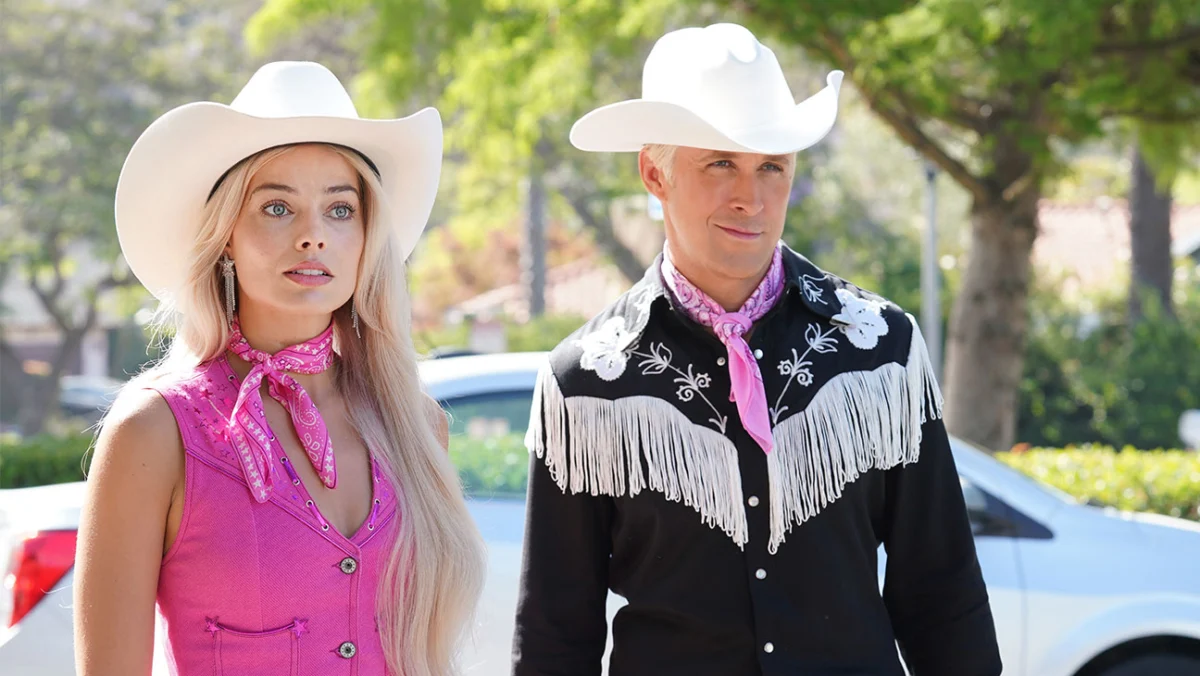
The highly anticipated sequel to the 2023 blockbuster Barbie has encountered substantial obstacles, with Warner Bros. facing a critical deadline in December to finalize agreements with key talent, including stars Margot Robbie and Ryan Gosling, and director-turned-co-writer Greta Gerwig. Failure to secure these deals before the year’s end could result in the film rights reverting to Mattel, the iconic toy company that owns the Barbie intellectual property. This looming deadline injects urgency into ongoing negotiations that have reportedly been underway for months.
The core of the dispute centers on financial compensation for the principal creative forces behind the original film’s unprecedented success. According to a report from The New York Times, Warner Bros. has been attempting to structure deals that would offer Robbie, Gosling, and Gerwig a share of the profits, contingent upon the sequel achieving specific box office benchmarks. However, the negotiations have been complicated by internal considerations within Warner Bros. Discovery, with CEO David Zaslav reportedly declining to approve the proposed terms, deeming them "too generous." This internal disagreement underscores the high stakes involved and the studio’s cautious approach to future investments in the Barbie franchise, despite its phenomenal performance.
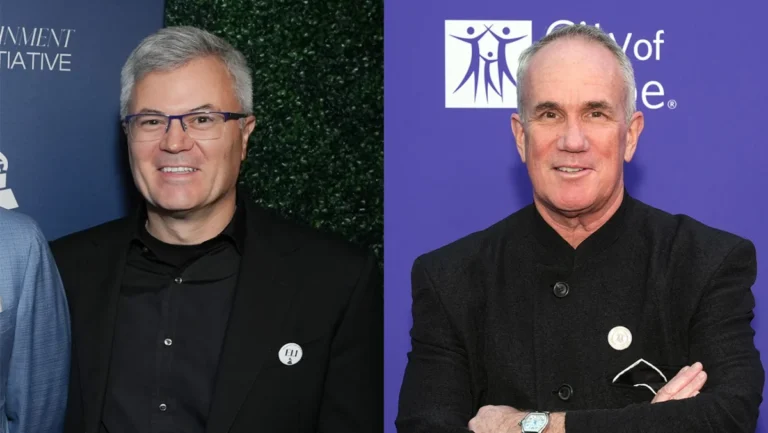
A spokesperson for Warner Bros. has offered a contrasting perspective, challenging the characterization of the studio’s offers. The studio asserts that talent representatives declined an offer presented in May and have yet to submit a counteroffer. This discrepancy in accounts highlights the delicate nature of Hollywood deal-making, where differing interpretations of negotiations can significantly impact progress. In a joint statement, Warner Bros. studio co-chairs Pam Abdy and Michael De Luca confirmed the existence of a rights deal with Mattel and acknowledged their efforts to finalize agreements for the next Barbie installment. "We have a rights deal with Mattel in place and have made a series of big offers to try and finalize deals to make the next Barbie film," the statement read. "Unfortunately, we have been unable to reach an agreement thus far." This official acknowledgment signals the seriousness of the impasse, as the studio publicly admits to the lack of a finalized agreement.
The original Barbie film, released in July 2023, was not merely a commercial success; it became a global cultural phenomenon. Directed by Greta Gerwig and co-written with Noah Baumbach, the film transcended its toy-based origins to become a critical darling and a box office behemoth. It raked in an astonishing $1.5 billion worldwide, making it the highest-grossing film of 2023 and the highest-grossing film ever directed by a solo woman. The film’s critical acclaim was further cemented by eight Academy Award nominations, culminating in a win for Best Original Song for Billie Eilish and Finneas O’Connell’s poignant ballad, "What Was I Made For?" The film’s visual spectacle, characterized by its vibrant pink aesthetic and clever social commentary, resonated deeply with audiences.
The marketing campaign for Barbie was as impactful as the film itself. It masterfully leveraged social media and traditional advertising to create an immersive brand experience, fueling widespread anticipation. The film’s release also coincided with a unique cultural moment, the "Barbenheimer" phenomenon, where its simultaneous debut with Christopher Nolan’s historical drama Oppenheimer sparked a national conversation and a dual-viewing trend that further amplified both films’ commercial success. This confluence of factors positioned Barbie not just as a movie, but as a significant cultural event, setting an exceptionally high bar for any potential sequel.
The Road to a Sequel: A Developing Narrative
The idea for a Barbie sequel has been percolating for some time. Greta Gerwig and Noah Baumbach, the creative duo behind the first film’s success, have reportedly been exploring concepts for a follow-up for the past couple of years. The Hollywood Reporter first reported in 2024 that the couple was in the "early stages" of developing a story for a sequel, indicating that the creative groundwork was already being laid. This suggests that the current contractual and financial disagreements are not due to a lack of creative vision or interest from the principal talent, but rather from the complexities of the business side of filmmaking.
Financial Stakes and Contractual Deadlines
The current negotiations are not just about securing talent for a future project; they are also tied to the contractual stipulations governing the rights to the Barbie IP in a film context. Warner Bros. secured the rights from Mattel to produce films based on the iconic doll. However, these agreements typically include clauses that set deadlines for the commencement of production or the finalization of deals for subsequent installments. If Warner Bros. fails to meet these obligations by December, the rights could indeed revert to Mattel, opening the door for other studios or even Mattel itself to pursue a Barbie film project independently. This scenario would represent a significant loss for Warner Bros., which has invested heavily in the franchise and has seen immense returns from the first film.
Analyzing the "Too Generous" Sticking Point
The reported reason for CEO David Zaslav’s hesitation – that the proposed deals were "too generous" – speaks to a broader trend in the media and entertainment industry. Following a period of aggressive spending and a focus on streaming subscriber growth, many studios are now re-evaluating their financial strategies. Companies are increasingly looking to control costs and ensure profitability, especially for tentpole franchises. The astronomical success of Barbie has undoubtedly set a new valuation for the franchise, and the key players involved are seeking compensation commensurate with their contributions to that success. However, from a corporate perspective, particularly for a CEO tasked with optimizing financial performance, there is a constant pressure to balance creative ambitions with fiscal prudence.
The profit-sharing model proposed is a common practice in Hollywood for major star vehicles and franchise films. It aligns the interests of the talent with those of the studio, incentivizing everyone involved to ensure the film’s financial success. For Robbie, who also produced the film through her company LuckyChap Entertainment, and Gosling, who delivered a standout performance as Ken, a significant payday beyond their upfront salaries is a logical expectation given the film’s unprecedented box office haul. Greta Gerwig’s directorial and co-writing contributions are equally crucial to the film’s identity and success. Their desire for a substantial share of future profits is understandable, especially considering the cultural impact and brand recognition they helped generate.
The Broader Implications for the Franchise and Studio
The ongoing dispute has significant implications for both the future of the Barbie franchise and Warner Bros. itself. A successful sequel would undoubtedly build upon the momentum of the first film, further solidifying Barbie as a major cinematic universe. It could also pave the way for spin-offs and further explorations of the diverse characters within the Barbie world, potentially creating a lucrative multi-film franchise for Warner Bros.
Conversely, if a deal is not reached and the rights revert to Mattel, it could lead to a protracted period of uncertainty for the Barbie brand in cinema. Mattel has been actively expanding its own film division, and Barbie is just one of several toy brands slated for cinematic adaptations. The potential for a rival studio to acquire the rights and develop a Barbie sequel could be a significant blow to Warner Bros.’s intellectual property portfolio.
Furthermore, this situation could set a precedent for future negotiations with talent involved in successful blockbusters. If studios begin to push back aggressively on profit-sharing deals for fear of being "too generous," it could alter the landscape of talent compensation and potentially lead to more frequent disputes. The delicate balance between rewarding creative contributions and managing studio finances is a perpetual challenge in Hollywood, and the Barbie sequel negotiations are a stark illustration of this ongoing tension.
The coming months will be critical as Warner Bros. races against the December deadline. The studio’s ability to navigate these complex negotiations will not only determine the fate of Barbie 2 but could also have ripple effects across the broader industry, influencing how blockbuster films are financed and how creative talent is compensated for their roles in generating cultural and financial triumphs. The world is watching to see if the magic of Barbieland can be recaptured, or if this particular chapter of the Barbie story will remain unfinished.