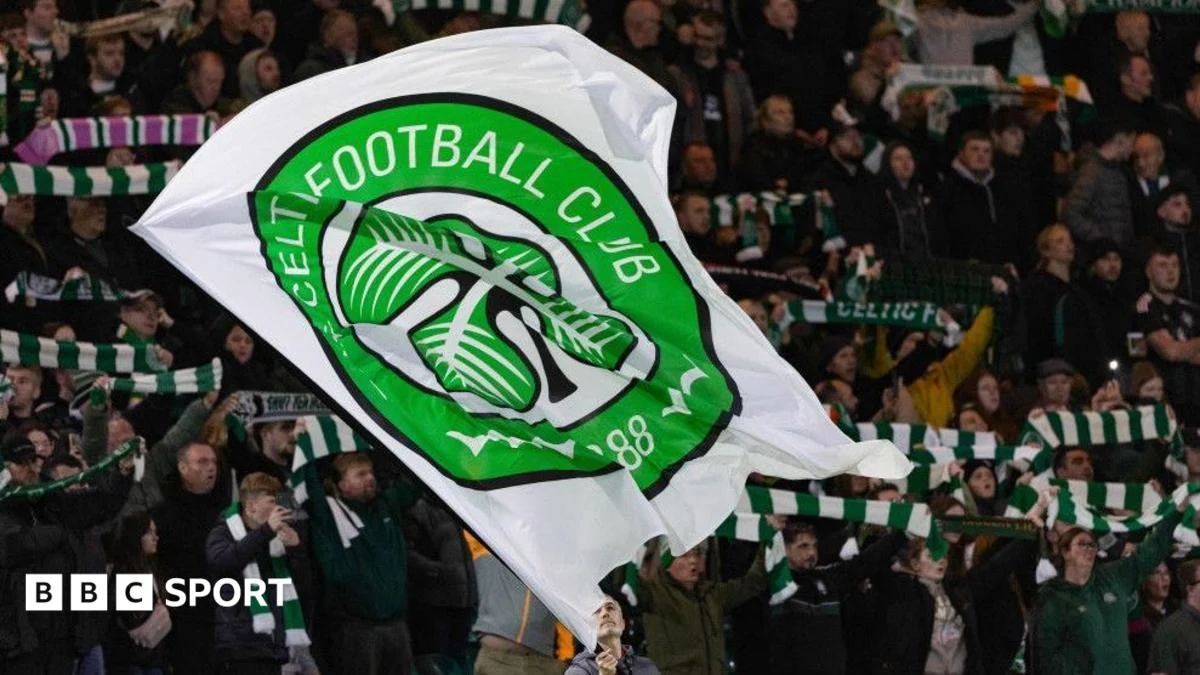
Glasgow, Scotland – Scottish football giants Celtic Football Club have reported a significant financial shift, announcing a loss after tax of £4.8 million for the financial year ending June 30, a stark contrast to the £33.9 million profit recorded in the preceding twelve months. The club attributes this downturn primarily to the failure to qualify for the lucrative UEFA Champions League last season, a pivotal factor in their financial performance.
The financial statements reveal a substantial 22.7% decrease in revenue, which fell to £111 million from £143.6 million in the prior year. Despite this, the Scottish Premiership leaders maintain a healthy cash reserve, ending the financial year with £66.4 million in the bank, though this is a reduction from the £77.3 million held in 2025.
The 2025-26 campaign proved to be a tumultuous period for Celtic, marked by unprecedented managerial upheaval. The club experienced the departures of three different managers, reflecting a period of instability that undoubtedly impacted both on-field performance and financial planning. Brendan Rodgers, who had previously led the club to considerable success, departed during this period, triggering a chain of events that culminated in a significant strategic shift. Following Rodgers’ departure, Wilfried Nancy was appointed, but his tenure was exceptionally brief, lasting only eight games before his dismissal. This managerial merry-go-round was further compounded by the retirement of long-serving chairman Peter Lawwell in December, who cited "abuse and threats" as the reasons for his decision, highlighting a challenging environment within and around the club.
In the interim chairman’s report, Brian Wilson described the past season as "more turbulent than anyone would have wished for." Despite the challenges, Wilson extended congratulations to Martin O’Neill and his staff for their "extraordinary resilience" in steering the club to a domestic league and Scottish Cup double. This triumph, achieved under O’Neill’s second tenure, provided a much-needed silverware success amidst a backdrop of financial and managerial uncertainty.
The club’s financial report also detailed significant investment in the playing squad during the summer transfer window. Celtic spent £31.6 million on permanent signings, bringing in players such as Kasper Hogh, Camilo Duran, Mika Baur, Haissem Hassan, Joel van den Berg, and Jordan Lotomba. Additionally, the club secured several players on loan, including Landon Emenalo, Shumaira Mheuka, Sam Johnstone, and Oliver Sorensen, indicating a strategic effort to bolster the squad’s depth and quality. However, the report did not disclose the exact figures generated from player sales, which included notable departures such as Daizen Maeda, Arne Engels, and Reo Hatate, making a complete picture of net transfer expenditure unavailable in the public statement.
A Season of Unfulfilled European Ambitions
The failure to secure Champions League participation represents a significant blow to Celtic’s financial projections. The Champions League is a cornerstone of European football’s revenue generation, offering substantial participation fees, broadcast income, and commercial opportunities. The club’s absence from this elite competition meant a substantial loss of expected income. This season, Celtic are competing in the UEFA Europa League, having suffered a disappointing exit in the Champions League play-off round away to LASK. This European campaign has further compounded the club’s challenges, with their journey in the Scottish League Cup also ending prematurely. Domestically, their once commanding lead in the Scottish Premiership has been significantly cut, with back-to-back defeats against rivals Rangers narrowing the gap to just two points, intensifying the pressure as the season progresses.
Chronology of a Turbulent Year
The period under review, from July 1, 2025, to June 30, 2026, was marked by a series of critical events that shaped Celtic’s season both on and off the field.
- July 2025: The financial year begins with the club aiming to build on previous successes and secure European qualification.
- September 2025: Celtic’s hopes of Champions League football are dashed following a defeat in the play-off round. This marks the initial significant financial setback.
- October 2025: Reports emerge of managerial dissatisfaction, setting the stage for future changes.
- November 2025: Brendan Rodgers departs the club, creating a leadership vacuum.
- December 2025: Peter Lawwell retires as chairman, citing personal reasons including alleged abuse and threats. Brian Wilson is appointed interim chairman.
- January 2026: Wilfried Nancy is appointed as the new manager, tasked with steadying the ship and achieving domestic and European goals.
- February-March 2026: Nancy’s brief tenure ends with his dismissal after just eight games, amidst mounting pressure and disappointing results. This period is characterized by further instability and uncertainty.
- March 2026: Martin O’Neill returns to the club as manager, bringing a wealth of experience and a proven track record of success. His arrival is met with optimism by the fanbase.
- April-May 2026: Under O’Neill, Celtic secure the Scottish Premiership title and the Scottish Cup, completing a domestic double and providing a significant morale boost.
- June 2026: The financial year concludes, with the club preparing to release its annual report detailing the financial implications of the turbulent season.
- Summer 2026: Celtic undertakes significant recruitment, investing £31.6 million in new permanent signings and securing loan deals to strengthen the squad for the upcoming season.
Financial Performance Analysis: The Impact of European Absence
The £4.8 million loss reported by Celtic is a significant deviation from the £33.9 million profit recorded the previous year. This shift underscores the critical importance of Champions League revenue for top European clubs. According to UEFA’s financial distribution model, participating clubs in the Champions League group stage can earn tens of millions of pounds, with further substantial sums available through prize money for wins and draws, progression through knockout rounds, and associated commercial and broadcast revenues. The absence from this competition directly translates to a loss of this crucial income stream.
Furthermore, the 22.7% drop in revenue to £111 million suggests that other income streams, such as matchday revenue and commercial partnerships, may also have been affected, potentially due to a perceived dip in the club’s on-field performance or a reduced global profile stemming from the lack of Champions League exposure. While the £66.4 million in cash reserves remains a healthy buffer, the trend indicates a need for careful financial management and a strategic focus on returning to Europe’s premier club competition.
Official Statements and Future Outlook
Interim chairman Brian Wilson candidly addressed the challenges faced by the club. "The events of the past 12 months have been dramatic, sometimes joyful and at other points deeply frustrating," Wilson stated. He elaborated on the impact of the managerial changes, noting, "The departure of Brendan Rodgers was an unanticipated event which initiated a period of instability. In other circumstances, the appointment of Wilfried Nancy might have worked but his arrival in mid-season and the changes which followed clearly did not." Wilson acknowledged the difficult decision to part ways with Nancy, stating, "Parting ways with Wilfried was hugely disappointing but decisive action had to be taken." He concluded by praising the successful return of Martin O’Neill, highlighting his role and that of his staff and players in achieving a successful domestic season: "The return of the great Martin O’Neill, supported by his backroom team as well as a fine squad of players, then proved to be a triumphant success."
Looking ahead, Wilson also acknowledged areas requiring improvement. He referenced the need to enhance "communication and supporter engagement," confirming that work in these areas is "ongoing." The search for a permanent chairman also continues, indicating a period of ongoing organizational transition.
Broader Implications for Celtic and Scottish Football
The financial results and the narrative of the past season have several broader implications. For Celtic, the immediate priority will be to regain Champions League status, not only for the prestige but for the financial sustainability and competitive advantage it provides. The significant investment in new players during the summer transfer window suggests a commitment to strengthening the squad with the explicit aim of achieving European qualification and maintaining domestic dominance.
The club’s reliance on European competition revenue highlights a common challenge faced by clubs outside the wealthiest European leagues. While Celtic are a major force in Scottish football, their financial capacity is intrinsically linked to their performance on the continental stage.
The managerial instability, while ultimately resolved with O’Neill’s successful return, also serves as a reminder of the delicate balance required in elite football management. The "abuse and threats" cited by Peter Lawwell also raise important questions about the pressures faced by club officials and the conduct expected within football communities.
For Scottish football as a whole, Celtic’s financial performance often mirrors the broader economic health of the game in the country. A strong Celtic and Rangers financially benefits the Scottish Professional Football League (SPFL) through increased visibility, broadcast deals, and overall interest. The challenge remains for Scottish clubs to consistently punch above their weight in European competitions to maximize financial returns and elevate the profile of the domestic league. The current financial report from Celtic underscores the high stakes involved in European qualification and the club’s determination to navigate these challenges and return to its successful trajectory.