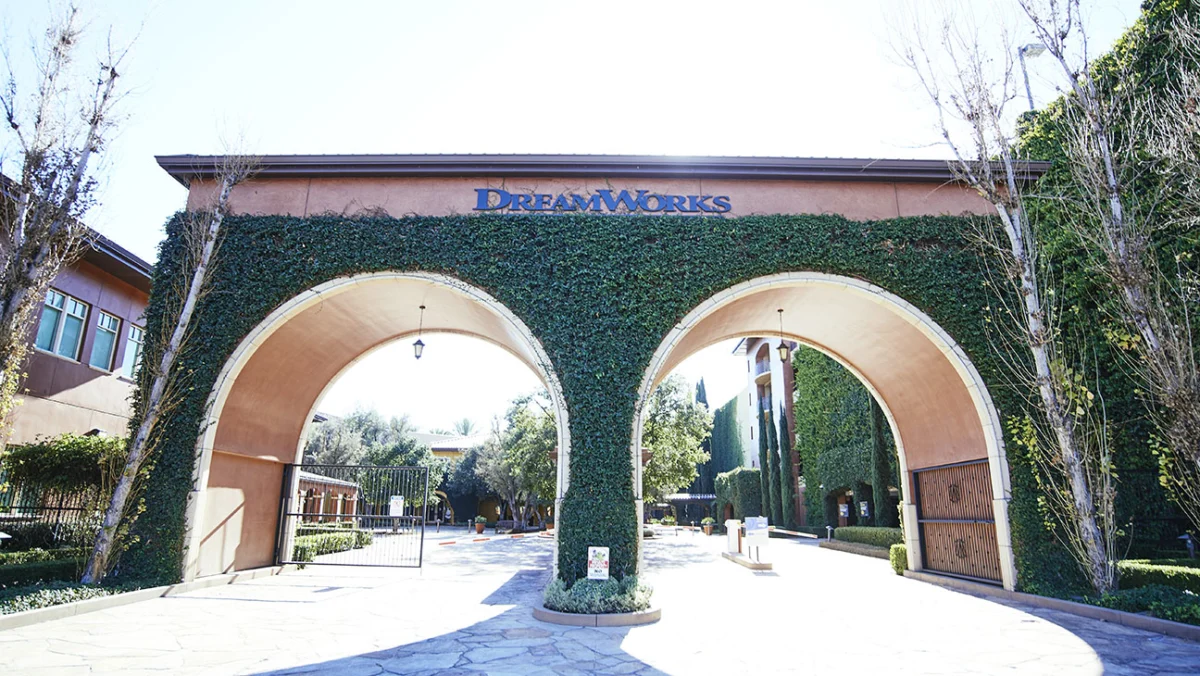
Remote workers at DreamWorks Animation have achieved a significant milestone, successfully ratifying their inaugural union contract with The Animation Guild. The overwhelming 97 percent approval rate among 108 eligible voters, with a robust 83.3 percent turnout, signifies a powerful endorsement of collective bargaining for geographically dispersed animation professionals. This landmark agreement, finalized on August 21, ensures that employees working outside of Southern California will now receive parity in wages, working conditions, health benefits, and retirement plans, aligning them directly with their in-studio counterparts governed by The Animation Guild’s Master Agreement in Los Angeles.
The ratification vote, concluded on August 21, saw an overwhelming majority of 97 percent of the 108 eligible remote workers cast their ballots in favor of the new agreement. This decisive outcome underscores the widespread desire for equitable treatment and benefits within the animation industry, regardless of an employee’s physical location. The high turnout rate of 83.3 percent further emphasizes the engaged and unified stance of these remote animation professionals.
A New Era of Equity for Remote Animation Talent
The newly ratified contract establishes a crucial precedent by extending the same minimum wage rates, workplace protections, and comprehensive health and retirement benefits enjoyed by Los Angeles-based union members to their remote colleagues. This means that as The Animation Guild’s Master Agreement is renegotiated in the future, any improvements or changes secured will automatically be applied to the remote workforce, ensuring their continued alignment with industry standards.
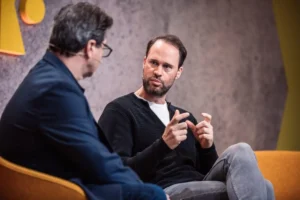
Anthony Holden, a story artist at DreamWorks Animation and a key member of the union’s negotiating committee, hailed the contract as a monumental victory. "This contract is a huge victory for DreamWorks remote artists, but also for the animation industry as a whole," Holden stated in a released statement. He articulated the long-standing disparity faced by remote workers, noting, "Our coworkers who work in-person at studios in L.A. enjoy mobility between employers with guaranteed benefits such as healthcare coverage and a pension plan. Many of us remote DreamWorkers have served for years (and in some cases decades) in the same industry without the same protections. Now we can work under the same terms as our union brothers and sisters." This sentiment highlights the core issue of fairness and the desire to be recognized and compensated equally for their contributions, irrespective of their work location.
The bargaining unit encompasses a diverse range of critical roles within the animation pipeline, including story artists, animators, character effects artists, technical directors, lighters, visual development artists, modelers, and production coordinators. The inclusion of such a broad spectrum of talent signifies a comprehensive approach to union representation for remote workers, addressing the needs of various specialized disciplines.
The Path to Unionization: A Chronology of Advocacy
The journey to this historic contract began in the fall of 2025, when the group of remote workers publicly announced their unionization efforts. At the time, their stated objective was to "regain the same health care, retirement plans, and protections my coworkers enjoy," as articulated by a technical director specialist. Another story artist emphasized the perceived injustice of their situation, stating that while they deeply valued their work, "it is unfair to be treated as a second-class employee." This initial public stance set the stage for a sustained period of advocacy and negotiation.
The formal union election, overseen by the National Labor Relations Board (NLRB) in December 2025, resulted in a decisive victory for union supporters, who garnered 52 votes compared to 10 against. This clear mandate from the workers paved the way for extensive negotiations with DreamWorks Animation, which spanned several months and culminated in the recently ratified agreement.
The prolonged negotiation period, while challenging, ultimately led to a comprehensive contract that addresses the core concerns of the remote workforce. The successful outcome is a testament to the perseverance and collective action of these animation professionals.
Supporting Data and Industry Context
The animation industry, historically concentrated in Los Angeles, has seen a significant shift towards remote work, particularly accelerated by recent global events. This decentralization of talent presents both opportunities and challenges for both employers and employees. While remote work offers flexibility and access to a wider talent pool, it can also create a divide in terms of benefits and job security for those not physically present in established union strongholds.
The Animation Guild, representing a significant portion of animation artists and technicians in Southern California, has long advocated for fair labor practices. Their Master Agreement typically sets a benchmark for wages, benefits, and working conditions within the industry. The extension of these standards to remote workers at DreamWorks Animation is a significant expansion of the Guild’s influence and a powerful endorsement of the principle that all animation professionals deserve equitable treatment.
Industry-wide, the average salary for an animator in the United States can range from $50,000 to $90,000 annually, depending on experience, specialization, and location. However, benefits packages, including comprehensive health insurance and robust retirement plans, can significantly impact an employee’s overall compensation and long-term financial security. The parity achieved by DreamWorks remote workers ensures that these crucial benefits are no longer contingent on their proximity to a physical studio.
Official Responses and Industry Implications
While DreamWorks Animation has not yet released an official public statement regarding the ratification, The Hollywood Reporter has reached out for comment. The company’s willingness to engage in negotiations and ultimately reach an agreement with its remote workforce suggests an acknowledgment of the evolving nature of work in the entertainment industry and a commitment to fostering a more inclusive and equitable environment.
The success of this unionization effort at DreamWorks Animation is likely to have ripple effects throughout the broader animation industry. It sets a strong precedent for remote animation workers at other studios seeking similar protections and benefits. Industry analysts suggest that this development could encourage other unions to organize remote workers and push for similar contractual agreements.
Anthony Holden’s statement further elaborates on the wider implications: "This contract represents an important shift towards broader industry change that values and respects not only artists’ skills but also our right to choose to live in locations around the country that are best for our families and personal circumstances." This highlights the dual impact of the contract: securing better working conditions while also empowering employees to make personal life choices without sacrificing professional equity.
Analysis: A Paradigm Shift in Remote Work Advocacy
The ratification of this contract by DreamWorks Animation remote workers marks a significant paradigm shift in how remote labor is recognized and compensated within the creative industries. It challenges the historical norm where remote employees often received less favorable terms than their in-office counterparts. The overwhelming vote in favor demonstrates a clear consensus among these workers that geographic location should not be a determinant of their rights and benefits.
This development is particularly timely as the animation industry continues to grapple with the long-term implications of remote and hybrid work models. The success of The Animation Guild in securing parity for its remote members at DreamWorks could serve as a powerful catalyst for similar movements across other animation studios and potentially other sectors of the entertainment industry that rely on a distributed workforce. The emphasis on mobility between employers and guaranteed benefits, as highlighted by Holden, is a crucial aspect of this agreement, offering greater stability and career flexibility to animation professionals.
The decision by DreamWorks Animation to negotiate and ratify this contract, even without immediate public comment, suggests a forward-thinking approach to labor relations in the modern era of work. It acknowledges that talented individuals can contribute effectively from anywhere, and their contributions should be valued and rewarded equally. This agreement is not just a win for DreamWorks remote workers; it is a significant step forward for the entire animation industry, promoting a more equitable, flexible, and sustainable future for its creative workforce. The union’s ability to successfully negotiate for parity underscores the growing power and influence of organized labor in adapting to and shaping the evolving landscape of employment.