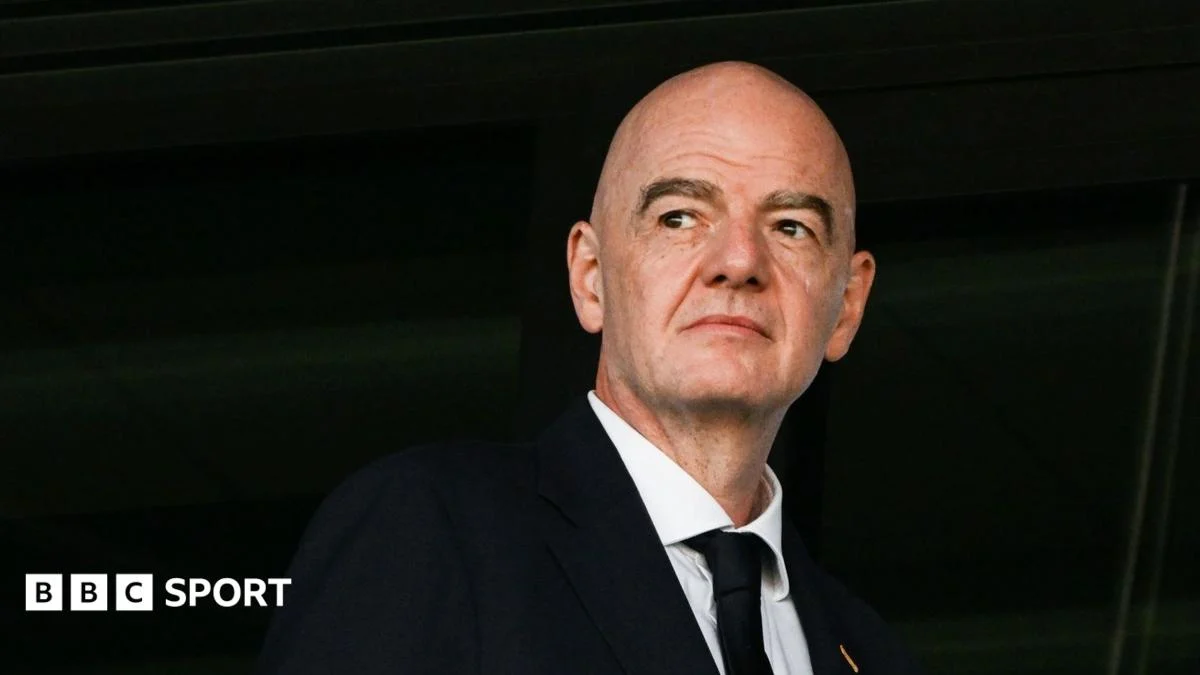
Fifa president Gianni Infantino will stand for re-election in March, football’s world governing body has confirmed, signaling his intent to secure a fourth term despite intense scrutiny and a contentious proposed commercial venture. The announcement from Fifa comes amidst a protracted and increasingly acrimonious dispute with Uefa, Europe’s continental football confederation, over Infantino’s now-scrapped plan to sell stakes in Fifa competitions to private investment firms. This development marks a significant moment in the ongoing power struggle within global football governance, highlighting the deep divisions that have emerged under Infantino’s leadership.
Infantino’s Re-election Bid: A Bold Move Amidst Controversy
The confirmation of Infantino’s re-election bid, first indicated by a Fifa statement in April that he intended to stand in 2027, was reiterated with a definitive "Of course, nothing has changed. Mr Infantino will be standing for re-election." This unambiguous assertion from Fifa is the first official confirmation of his pursuit of a fourth term since the controversy surrounding his ambitious commercial strategy erupted following the most recent summer World Cup.
Infantino, who ascended to the Fifa presidency in 2016, has been a transformative, and often polarizing, figure. His tenure has been characterized by significant commercial reforms, an expansion of the World Cup, and a more assertive approach to global football diplomacy. However, his latest commercial proposal, which involved divesting significant stakes in lucrative Fifa tournaments to private equity, ignited a firestorm of opposition.
The Genesis of the Conflict: A Lucrative Plan and a Global Outcry
The core of the dispute lies in Infantino’s proposed plan to grant minority stakes in Fifa’s commercial rights for its major tournaments, including the World Cup, to private investment groups. While Fifa presented this as a strategic move to inject capital and drive commercial growth, it was met with immediate and widespread condemnation.
Key Concerns Raised by Opponents:
- Erosion of Control: Critics argued that selling stakes in core Fifa assets would dilute the organization’s control over its most valuable intellectual property and future revenue streams.
- Commercialization vs. Football’s Integrity: The prospect of private investors gaining significant influence over the staging and marketing of Fifa events raised fears of an unchecked pursuit of profit at the expense of the sport’s developmental and ethical principles.
- Lack of Transparency: The secrecy surrounding the negotiations and the nature of the proposed deals fueled suspicions and distrust among stakeholders.
Uefa’s Strong Stance:
The European football confederation, Uefa, led the charge against Infantino’s proposal. Under the leadership of its president, Aleksander Čeferin, Uefa expressed grave concerns, threatening to boycott all Fifa competitions, including the prestigious World Cup. This threat underscored the potential leverage Uefa wields, given the participation of European nations in Fifa’s flagship events and the significant commercial value of European football. The potential for a boycott represented a significant existential threat to Fifa’s global appeal and revenue model.
Escalating Tensions: Legal Battles and Accusations
The disagreement has since escalated into a public relations battle and a legal confrontation. Fifa recently accused Uefa of orchestrating a "smear campaign against it and its leadership" in direct response to Uefa’s legal challenges. This accusation highlights the deep animosity and lack of trust that has developed between the two organizations.
Uefa’s Legal Maneuvers:
Last week, Uefa took a significant step by filing legal papers in the United States. This move was aimed at compelling Fifa to disclose evidence and documents pertaining to Infantino’s commercial plan. Uefa signaled its intention to potentially lodge a criminal complaint in Switzerland, a move that could have far-reaching implications for Fifa’s operations and leadership. The request for evidence suggests Uefa is building a case to challenge the legality or ethical standing of the proposed deals.
The Path to Re-election: Challenges and Opportunities
Despite the formidable opposition, Infantino appears determined to secure another term. His re-election campaign will undoubtedly be shaped by the ongoing fallout from the commercial deal controversy and the ensuing legal battles.
The Nomination Process:
For any candidate to challenge Infantino, they must secure the backing of at least 106 of the 211 Fifa member associations. This threshold represents a significant hurdle, as it requires broad consensus across different confederations. Nominations must be submitted by November 18th, leaving a limited window for potential challengers to emerge and rally support.
Uefa’s Strategy Shift:
While Uefa initially explored the possibility of forcing a vote of no confidence, this avenue has been largely abandoned. Such a motion would require a three-quarters majority of Fifa members – 159 votes – to pass, a target considered unrealistic given the current political landscape within Fifa. This strategic shift suggests Uefa is now focusing its efforts on finding a viable candidate to challenge Infantino directly in the election.
Potential Challengers:
While no candidates have been officially named to contest Infantino’s position, speculation has pointed towards figures within the continental confederations. Concacaf president Victor Montagliani is considered a "serious option" by some observers, hinting at the potential for a candidate with established leadership experience within the Fifa ecosystem. The emergence of a strong challenger with broad confederation support will be crucial for Uefa’s efforts to unseat the incumbent.
Broader Implications for Global Football Governance
The current conflict between Fifa and Uefa has profound implications for the future of global football governance. The disagreements highlight fundamental questions about the balance of power, commercial strategies, and the role of confederations within the Fifa structure.
Data on Fifa’s Commercial Landscape:
Fifa’s commercial revenues have seen significant growth under Infantino’s leadership. The 2022 World Cup in Qatar generated an estimated $7.5 billion in revenue for Fifa, a record-breaking figure. This financial success, while impressive, also underscores the immense value of the assets that were at the center of the proposed private investment deals. The projected revenues for the upcoming cycles, including the expanded 48-team World Cup in 2026, are expected to surpass these figures, making the control and commercialization of these events a critical point of contention.
The Role of Confederations:
The power dynamics between Fifa and its six continental confederations have always been a delicate balance. Uefa, as the wealthiest and arguably most influential confederation, often acts as a significant counterweight to Fifa’s centralized authority. The current dispute threatens to further polarize this relationship, potentially leading to a more fragmented global football landscape.
Transparency and Accountability:
The controversy has also intensified calls for greater transparency and accountability in Fifa’s decision-making processes. The secrecy surrounding the commercial deal negotiations and the subsequent legal battles have fueled demands for more open governance structures and robust oversight mechanisms.
The Future of Fifa Competitions:
If Infantino secures re-election, his agenda will likely continue to emphasize commercial growth and global expansion. However, he will face the challenge of rebuilding trust and mending fences with key stakeholders like Uefa. The long-term implications for the integrity and equitable development of football worldwide will depend on how these relationships are managed and whether a more collaborative and transparent approach to governance can be established. The upcoming election in March will be a pivotal moment, determining the direction of global football for years to come.