

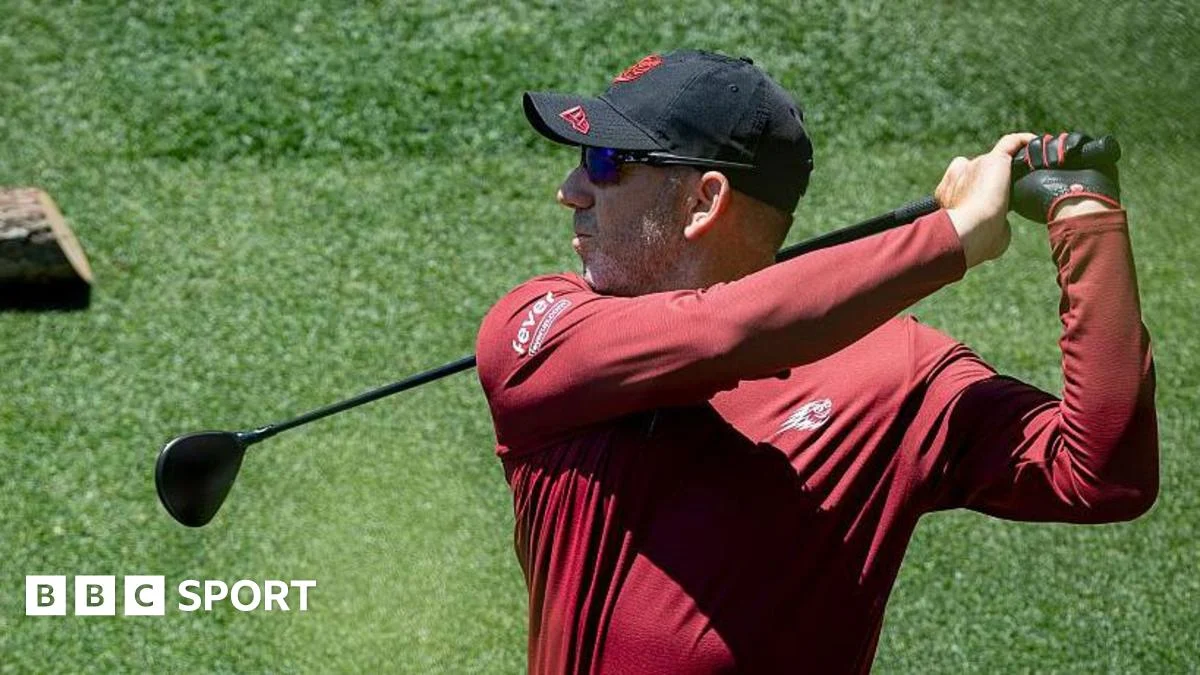
Sergio Garcia, the 2017 Masters champion, has formally apologized for his disruptive behavior during the final round of the prestigious tournament at Augusta National Golf Club on Sunday. The incident, which saw the Spanish golfer visibly express his frustration by damaging his driver, has drawn a significant response from the player and the tournament organizers. Garcia’s actions, occurring on the par-five second hole, led to a code-of-conduct warning and ultimately a difficult conclusion to his week at one of golf’s most revered venues.
The Incident Unfolds on the Second Hole
The dramatic episode unfolded early in Garcia’s final round, as he was paired with fellow Spaniard and then-current Masters champion Jon Rahm. After executing a tee shot that found its way into a greenside bunker, Garcia’s temper flared. In a display of intense frustration, he twice slammed his driver into the turf. The impact of these forceful strikes rendered the club unusable, and in a subsequent act, Garcia reportedly struck a nearby cooler, resulting in the head of his driver snapping off. This uncontrolled outburst not only highlighted Garcia’s personal struggle on the course but also immediately created a practical problem: he was now without his driver for the remainder of the round.
Garcia’s Public Apology and Statement
Following the tournament, Garcia took to social media platform X (formerly Twitter) to issue a comprehensive apology. In a statement posted on his official account, he expressed deep regret for his actions. "I want to apologize for my actions on Sunday at the Masters tournament," Garcia stated. He emphasized his profound respect for the Masters and Augusta National Golf Club, acknowledging their esteemed position within the sport. "I respect and value everything that the Masters and Augusta National Golf Club is to golf," his statement continued.
Garcia further elaborated on his remorse, acknowledging that his behavior was inappropriate for the professional golf environment. "I regret the way I acted and it has no place in our game," he declared. "It doesn’t reflect the respect and appreciation I have for the Masters, the patrons, tournament officials, and golf fans around the world." This public admission signifies a conscious effort by the golfer to address the fallout from his on-course display and to reaffirm his commitment to the traditions and etiquette of professional golf.
Official Response and Code of Conduct
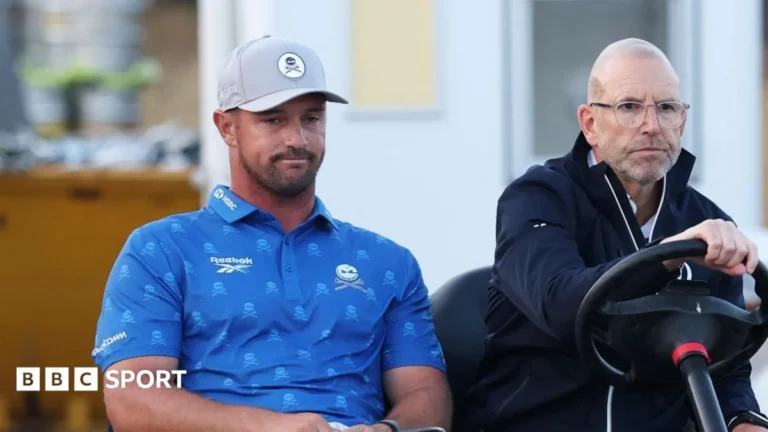
The repercussions of Garcia’s actions were swift. Geoff Yang, chairman of the Masters competitions committee, issued a formal code-of-conduct warning to Garcia. This warning was delivered to the player on the fourth tee, indicating that his behavior had been officially noted and addressed by tournament officials. While the exact nature of the warning was not publicly detailed, it served as a clear indication that Garcia’s conduct was under scrutiny and that further transgressions could lead to more severe penalties. The Masters, known for its strict adherence to tradition and decorum, takes such incidents seriously, especially when they occur on its hallowed grounds.
Performance and Post-Round Remarks
Despite the significant disruption, Garcia completed his final round, posting a score of three-over-par 75. This result brought his total for the week to eight-over-par, placing him third from last among the 54 players who successfully made the cut. His performance marked a disappointing end to his Masters campaign, a tournament he has historically excelled in.
When questioned by reporters after his round about the cause of his struggles, Garcia offered a succinct and candid response: "Bad golf." This brief remark, while understated, hinted at the underlying frustration that had boiled over earlier in the day. It also underscored the immense pressure and expectation that accompanies competing at the Masters, particularly for a past champion.
Broader Context: The Masters and Player Expectations
The Masters Tournament, held annually at Augusta National, is one of the four major championships in professional golf. It is renowned not only for its challenging course and rich history but also for its strict adherence to a certain level of decorum and respect. The patrons, or spectators, at Augusta are known for their knowledgeable appreciation of the game and their quiet demeanor, creating an atmosphere that emphasizes the sport’s elegance and tradition.
For players, competing at the Masters represents a pinnacle of achievement. The pressure to perform well, combined with the emotional weight of the event, can be immense. Past champions, like Sergio Garcia, carry the additional burden of expectation and the desire to relive past glories. This pressure cooker environment can, at times, lead to moments of intense emotion, as witnessed with Garcia’s outburst.
Supporting Data and Historical Precedents
While Garcia’s outburst was a notable moment, it is not entirely unprecedented in professional golf. Frustration and anger have, on occasion, led players to damage equipment or express themselves in ways that fall short of the sport’s ideal image. However, the visibility and prestige of the Masters amplify such incidents.
The year 2023 saw a significant shift in the professional golf landscape with the emergence of LIV Golf, a rival tour that attracted several high-profile players, including Jon Rahm, Garcia’s playing partner. While Garcia has been a participant in LIV Golf, his participation in the Masters indicates that players from the Saudi-backed tour are still eligible to compete in the majors, provided they meet the qualification criteria. This adds another layer of context to the dynamics between players and the traditional golf establishment.
Analysis of Implications
Sergio Garcia’s apology and the subsequent warning from the Masters committee highlight several key aspects of professional golf:
- Player Responsibility: The incident serves as a reminder that even at the highest level, players are expected to maintain a certain standard of conduct. Public apologies and official warnings underscore the accountability that comes with professional athleticism.
- The Enduring Appeal of the Masters: The attention drawn by Garcia’s actions, even negative attention, underscores the global interest and significance of the Masters. The tournament’s ability to command headlines, regardless of the specific circumstances, is a testament to its enduring appeal.
- Emotional Management in Sport: The incident prompts reflection on the emotional challenges faced by athletes under intense pressure. While passion is often lauded, the line between healthy competition and uncontrolled outbursts can be fine. The role of sports psychologists and mental conditioning in managing these emotions remains a critical aspect of athlete development.
- Brand and Reputation Management: For players like Garcia, who have built significant careers and personal brands, such incidents can have a tangible impact on their public image and endorsements. His prompt apology suggests an awareness of this, aiming to mitigate any long-term damage.
Conclusion of the Tournament
The 2023 Masters Tournament concluded with Rory McIlroy of Northern Ireland achieving a historic victory, becoming only the fourth man to win successive Masters titles. This remarkable accomplishment, a testament to McIlroy’s skill and composure, provided a strong narrative to the end of the championship. While Garcia’s on-course behavior cast a shadow over his personal performance, the tournament itself ultimately celebrated another significant chapter in its storied history, with McIlroy etching his name further into the annals of golf. Garcia’s apology, however, signals his intent to move past this incident and continue his career with a renewed focus on sportsmanship and respect for the game.