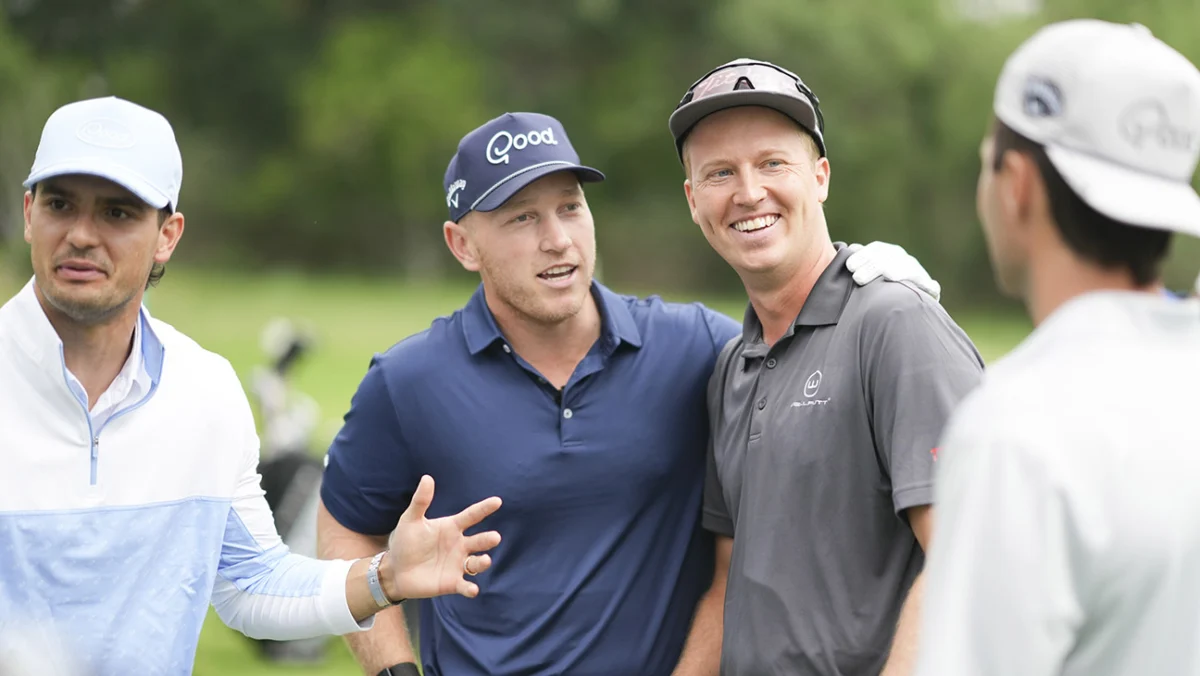
The highly anticipated 2026 season of Golf Channel’s iconic reality competition series, Big Break, has been abruptly canceled, leaving a void for aspiring professional golfers and loyal fans alike. The network, owned by Versant, announced the drastic decision following significant fallout from a controversial advertisement involving the show’s co-presenting sponsor, Good Good, and a subsequent withdrawal of key partnerships. This marks a dramatic turn of events for a series that was poised for a major comeback after a decade-long hiatus.
The Unraveling of a Comeback Season
Big Break x Good Good was set to premiere on Tuesday evening, culminating a season that had already been fully filmed. However, mere hours before its scheduled broadcast, Golf Channel issued a statement revealing a postponement of the premiere by one week. This initial delay was a direct response to Golf Galaxy, a significant presenting sponsor, severing its endorsement ties with the program. The situation escalated rapidly, leading to the ultimate cancellation of the entire season, effectively nullifying the competitive journey and its promised rewards for the twelve participating golfers.
"Following recent developments involving Good Good, and including the fact that the intended outcome of the series can no longer be fulfilled, Golf Channel will not be able to complete this season of Big Break as planned," the channel stated. "While we are disappointed for the 12 competitors, our production team that worked tirelessly on the season, and the show’s passionate fans, we look forward to Big Break’s return to Golf Channel in 2027." This statement, while expressing regret, clearly indicates that the core purpose of the season—to provide a pathway to professional golf—could no longer be achieved due to the cascading sponsorship withdrawals.
The Genesis of the Controversy: An Infamous Advertisement
The root cause of this television production’s demise can be traced back to a provocative advertisement featuring members of the popular YouTube golf collective, Good Good. The ad depicted Good Good golfer Alexis Miestowski reaching for a Callaway driver, co-branded with Good Good, belonging to Good Good co-founder Garrett Clark. In the ad, Clark’s reaction is aggressive; he rushes Miestowski, knocks her down, and stands over her, issuing a stern warning: "Do not touch my new driver."
This depiction was widely criticized for its portrayal of aggression and potentially harmful undertones. The ad quickly ignited a firestorm of negative reactions across social media platforms and within the broader golf community. Critics argued that the advertisement promoted a toxic and unsportsmanlike image, particularly concerning given the wide reach of Good Good’s content, which often appeals to a younger demographic. The incident underscored the increasing scrutiny faced by content creators and brands on digital platforms, where a single misstep can have far-reaching consequences.
Cascading Sponsorship Withdrawals and the PGA Tour’s Involvement
The immediate aftermath of the controversial ad saw a significant erosion of trust and support from key commercial partners. Golf Galaxy’s decision to withdraw its endorsement was a significant blow, but the most impactful development came from the PGA Tour. On Thursday, the PGA Tour took decisive action by removing Good Good as the title sponsor of the mid-November Good Good Championship. This event was particularly significant as the winner of Big Break x Good Good was slated to receive a coveted sponsorship exemption to compete in this sanctioned PGA Tour event.
The PGA Tour’s move signifies a clear message about maintaining brand integrity and upholding the values associated with professional golf. By severing ties with Good Good as a title sponsor, the Tour signaled its unwillingness to be associated with controversies that could tarnish its reputation or alienate its audience. This decision directly impacted the ultimate prize for the Big Break contestants, rendering the competitive outcome hollow and the season’s core objective unattainable.
A Legacy Interrupted: The History of Big Break
The cancellation of Big Break x Good Good is a particularly poignant moment given the show’s storied history on Golf Channel. The series originally aired from 2003 to 2015, becoming a staple for golf enthusiasts and a launchpad for numerous aspiring professionals. Big Break was renowned for its high-stakes challenges, dramatic eliminations, and the raw portrayal of golfers navigating intense pressure. It provided a unique platform for talent that might not have otherwise received mainstream exposure. Notable alumni of the series include PGA Tour winners and respected golf personalities, underscoring the show’s past success in identifying and nurturing talent.
The planned 2026 season was intended to be a grand reintroduction of the beloved series, capitalizing on the enduring popularity of the Big Break format and the burgeoning influence of digital golf content creators like Good Good. The collaboration between Golf Channel and Good Good represented a strategic effort to bridge traditional television broadcasting with the vibrant world of online golf entertainment, aiming to capture a broader and more diverse audience. The failure of this ambitious relaunch highlights the delicate balance required in modern media partnerships, where content, sponsors, and brand image must align seamlessly.
Implications for Aspiring Golfers and the Industry
The cancellation of Big Break x Good Good has profound implications for the 12 competitors who dedicated their time, effort, and talent to the fully filmed season. Their dreams of professional golf careers, potentially bolstered by a PGA Tour exemption, have been abruptly dashed. For these individuals, the lost opportunity represents a significant setback, impacting their career trajectory, financial prospects, and public visibility. The emotional toll on these athletes, having poured their hearts into a competition that will now never be aired, is undoubtedly immense.
Beyond the individual competitors, the incident raises broader questions about brand management, influencer marketing, and the intersection of traditional media and digital content. The rapid escalation from a controversial advertisement to the cancellation of a major television production underscores the heightened stakes in today’s interconnected media landscape. Brands and content creators must exercise extreme caution and due diligence to avoid missteps that can lead to widespread backlash and significant financial and reputational damage.
The decision by Golf Channel to look forward to Big Break‘s return in 2027 suggests a continued commitment to the franchise, albeit with a more cautious approach to partnerships. This future iteration will likely necessitate stringent vetting processes for all involved parties, ensuring that future collaborations align with the network’s brand values and the expectations of the golf community. The industry will be watching closely to see how Golf Channel navigates these challenges and rebuilds trust for the beloved series.
Analysis of the Fallout
The swift and decisive actions taken by both Golf Galaxy and the PGA Tour demonstrate a clear understanding of the potential damage that controversial associations can inflict. In an era where brand perception is paramount, aligning with content or individuals involved in negative publicity can alienate consumers and stakeholders. The PGA Tour’s decision, in particular, signals a commitment to protecting the integrity and reputation of professional golf.
The incident also highlights the evolving dynamics of sponsorship in the digital age. While influencer marketing offers significant reach, it also introduces complexities related to content control and brand messaging. The synergy between Good Good’s online popularity and Golf Channel’s broadcast reach was intended to be a winning combination, but the unforeseen fallout from the advertisement proved to be a critical vulnerability.
The future of Big Break now rests on Golf Channel’s ability to learn from this experience and implement robust risk-management strategies. The promise of a 2027 return, while offering a glimmer of hope, is contingent on rebuilding confidence and ensuring that future seasons are supported by stable and ethically sound partnerships. The saga of Big Break x Good Good serves as a stark reminder of the delicate ecosystem that governs modern media, where one misstep can have profound and far-reaching consequences.