Costa Rican writer-director Neto Villalobos Brenes’s latest cinematic offering, Love Is the Monster (original Amor es el Monstruo), is poised to generate significant buzz and provoke profound introspection with its world premiere at the prestigious Toronto International Film Festival (TIFF). Scheduled to debut in the festival’s Centerpiece strand on September 14, the film marks a stark departure from Brenes’s previous comedic works, All About the Feathers and Helmet Heads, venturing into the chilling landscape of dystopian thrillers. This dramatic shift in genre, coupled with its evocative title, signals an exploration of deeply unsettling themes, promising an experience that will undoubtedly resonate with audiences and critics alike.
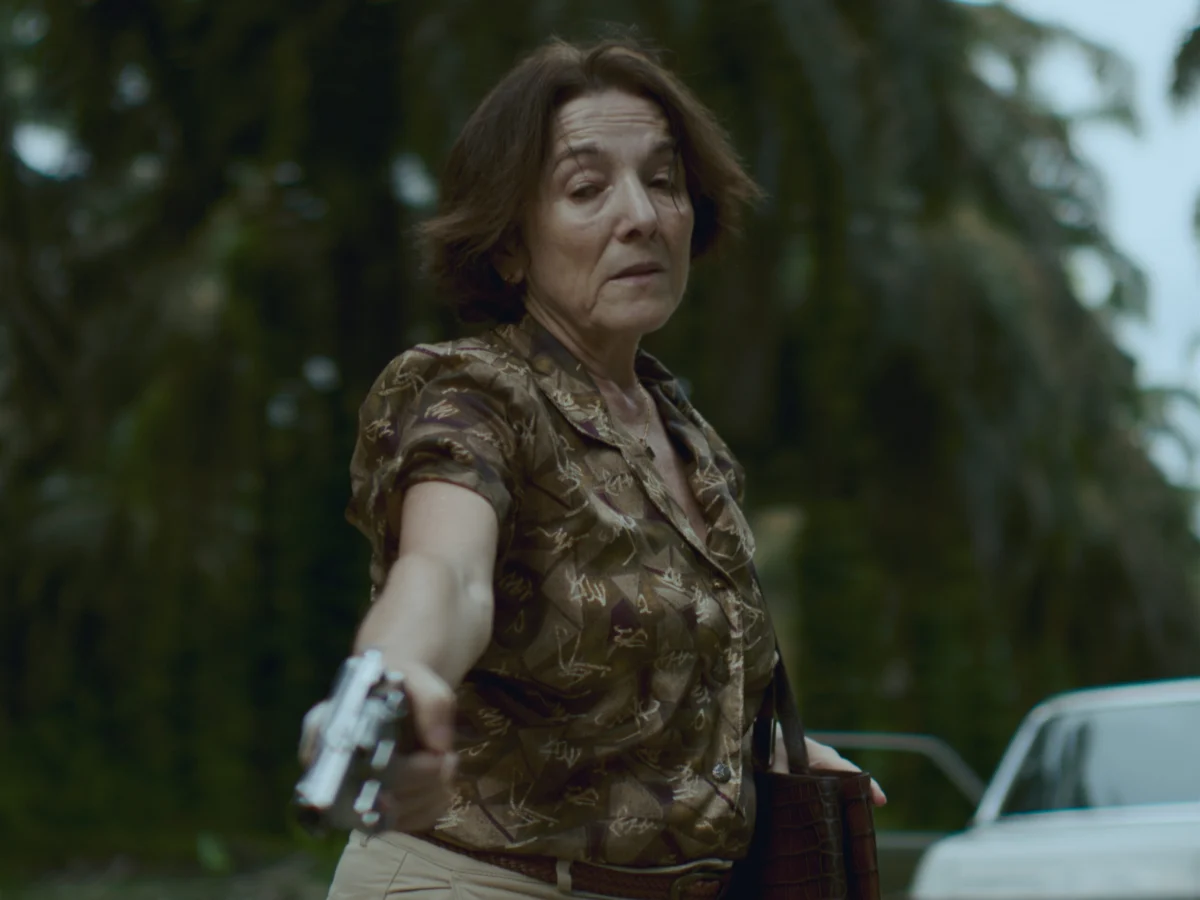
The film, shot in the picturesque South Pacific region of Costa Rica, features a compelling narrative centered on family, love, and the pervasive specter of inequality. At its heart is a grandmother, portrayed by acclaimed Chilean actress Paulina García, known for her Silver Bear-winning performance in Sebastián Lelio’s Gloria. García’s character is depicted as a matriarch determined to cherish the remaining time with her six-year-old granddaughter. The premise takes a dramatic turn when her daughter severs all contact, forcing the grandmother into a complex journey of rebuilding trust, a path that is tragically interrupted. The core of the film’s tension lies in the question posed by its synopsis: "What is the grandmother willing to do to protect the ones she loves?" This central inquiry promises to push the boundaries of love, loyalty, and survival into increasingly precarious and tense territory, as suggested by the film’s synopsis.
Villalobos Brenes’s decision to return to TIFF for the third time underscores the festival’s significance as a launchpad for his work. His previous films also had their premieres at the Canadian festival, establishing a consistent relationship with the event. This familiarity with TIFF’s platform likely contributes to the anticipation surrounding Love Is the Monster. The filmmaker himself has spoken about the personal impetus behind this thematic pivot. "A few years ago, I lost the person I loved most, my mother," Brenes shared, explaining the genesis of his genre-bending project. "As everyday life became more difficult for her, she found in her granddaughter the strength to keep fighting. That experience sparked the question at the heart of this film: how far would you go to protect the person you love most?" This deeply personal connection to the film’s central theme imbues the narrative with an emotional weight that transcends its dystopian setting.
A Narrative Forged in Personal Loss and Societal Echoes
The narrative of Love Is the Monster is not merely an abstract exploration of extreme choices but is rooted in Brenes’s profound personal experience. The loss of his mother and witnessing her resilience through her granddaughter’s presence served as the catalyst for the film’s core philosophical question. This biographical element adds a layer of authenticity and raw emotional depth to the film’s premise. The director’s transition from lighthearted comedies to a dark, genre-infused thriller reflects a maturation of his artistic vision and a desire to tackle more complex and perhaps uncomfortable aspects of the human condition.
The film’s setting in Costa Rica’s South Pacific region is more than just a backdrop; it is integral to the film’s thematic resonance. This region, often characterized by its natural beauty, can also serve as a potent metaphor for underlying societal tensions and vulnerabilities. The juxtaposition of a seemingly idyllic environment with a dystopian narrative highlights the film’s exploration of fear and inequality, suggesting that even in the most picturesque settings, societal fissures can exist and manifest in devastating ways.

Cast and Crew: A Convergence of Talent
The ensemble cast of Love Is the Monster is a significant draw. Paulina García’s presence as the grandmother is a powerful anchor, bringing her celebrated dramatic capabilities to the fore. Her past critical acclaim, including the Silver Bear for Best Actress at the Berlin International Film Festival for her role in Gloria, positions her as a formidable force in conveying the emotional complexities of a character facing extreme circumstances.
Joining García are Natalia Regidor, Gloriana Vargas, and Erika Reikendorf, who round out the principal cast. The screenplay, a collaboration between Villalobos Brenes and Diego van der Laat, promises a tightly woven narrative that explores the multifaceted nature of love. The film’s visual language is entrusted to cinematographer Nicolás Wong Díaz, whose work will likely be crucial in establishing the film’s dystopian atmosphere. The editing, handled by Yibrán Asuad and Villalobos Brenes himself, will be key in shaping the pacing and emotional impact of the narrative.
Bendita Film Sales is managing the worldwide distribution of Love Is the Monster, positioning it for a global release and further festival appearances following its TIFF debut. This strategic partnership ensures that the film will reach a wide international audience, fostering discussions about its themes on a global scale.
Exploring the Extremes of Love and Sacrifice
Paulina García’s perspective on the film’s central themes offers further insight into its depth. "I don’t think love really has limits," she stated. "You only discover that when you’re put to the test and find yourself doing things you never imagined you were capable of. When a child is involved, that feeling becomes even stronger. You’re willing to do absolutely anything to protect them." This statement from García underscores the film’s focus on the primal instinct of protection and the extraordinary measures individuals might take when confronted with dire threats to their loved ones. The film’s exploration of age and class inequality, woven into this narrative of familial devotion, suggests a nuanced portrayal of how societal structures can intersect with personal relationships and drive characters to desperate actions.
Anticipation Builds: Trailer and Poster Premiere
In anticipation of its world premiere, The Hollywood Reporter has provided exclusive access to the film’s poster and a video teaser. The poster, with its striking imagery, hints at the film’s dark and foreboding tone, immediately drawing viewers into its dystopian world. The trailer, released concurrently, offers a glimpse into the film’s suspenseful narrative, showcasing the emotional intensity of the performances and the evocative cinematography. The release of these promotional materials signifies the official ramp-up to the film’s debut, generating excitement and providing a concrete preview of the cinematic experience audiences can expect. The trailer’s directive to "buckle up and take a deep breath!" further emphasizes the film’s intended impact as a thrilling and emotionally charged viewing experience.
Contextualizing the Toronto International Film Festival’s Role
The Toronto International Film Festival, established in 1976, has become one of the world’s largest and most influential public film festivals. It serves as a crucial platform for filmmakers to debut their work, gain international recognition, and secure distribution deals. TIFF’s programming is diverse, encompassing both mainstream blockbusters and independent art-house cinema, making it an ideal venue for a film like Love Is the Monster to find its audience. The festival’s Centerpiece strand, in particular, is known for showcasing films that are artistically significant and have the potential to be major contenders in the awards season. Brenes’s selection for this strand highlights the festival’s belief in the film’s artistic merit and its potential for broad appeal.

The inclusion of Love Is the Monster in the Centerpiece strand places it among a curated selection of films expected to generate significant critical and audience attention. Past Centerpiece selections have gone on to achieve critical acclaim and box office success, suggesting that TIFF is positioning Brenes’s film as a significant discovery for the year. The festival’s ability to attract major industry players, including distributors, producers, and media, provides an unparalleled opportunity for films like Love Is the Monster to gain traction and build momentum.
Broader Implications: Dystopian Themes and Social Commentary
The prevalence of dystopian narratives in contemporary cinema often reflects societal anxieties and serves as a vehicle for social commentary. Love Is the Monster, with its explicit mention of fear and inequality, is likely to tap into these broader cultural conversations. The film’s exploration of how love and loyalty are tested under duress, particularly within a societal framework characterized by disparity, can offer a critical lens through which to examine our own world.
The question of what constitutes "love" when pushed to its absolute limits, especially in the face of systemic hardship, is a universal one. Brenes’s film, by grounding these existential questions in a personal story of a grandmother and granddaughter, makes them relatable and emotionally resonant. The film’s potential impact lies in its ability to provoke thought and dialogue about the sacrifices we make for those we love and the societal conditions that can force such extreme choices.
Furthermore, the film’s Costa Rican origin adds an important layer of cultural representation to the international film festival circuit. Showcasing a narrative from Central America within a genre that often originates from Western filmmaking traditions can broaden perspectives and offer a unique cultural viewpoint on universal themes. This diversification of voices and stories is a hallmark of leading film festivals like TIFF, promoting a more inclusive and representative global cinematic landscape. The success of Love Is the Monster could pave the way for more filmmakers from the region to gain international exposure, further enriching the global film industry.