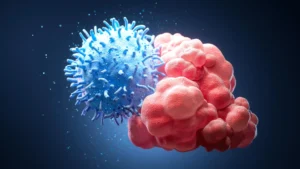


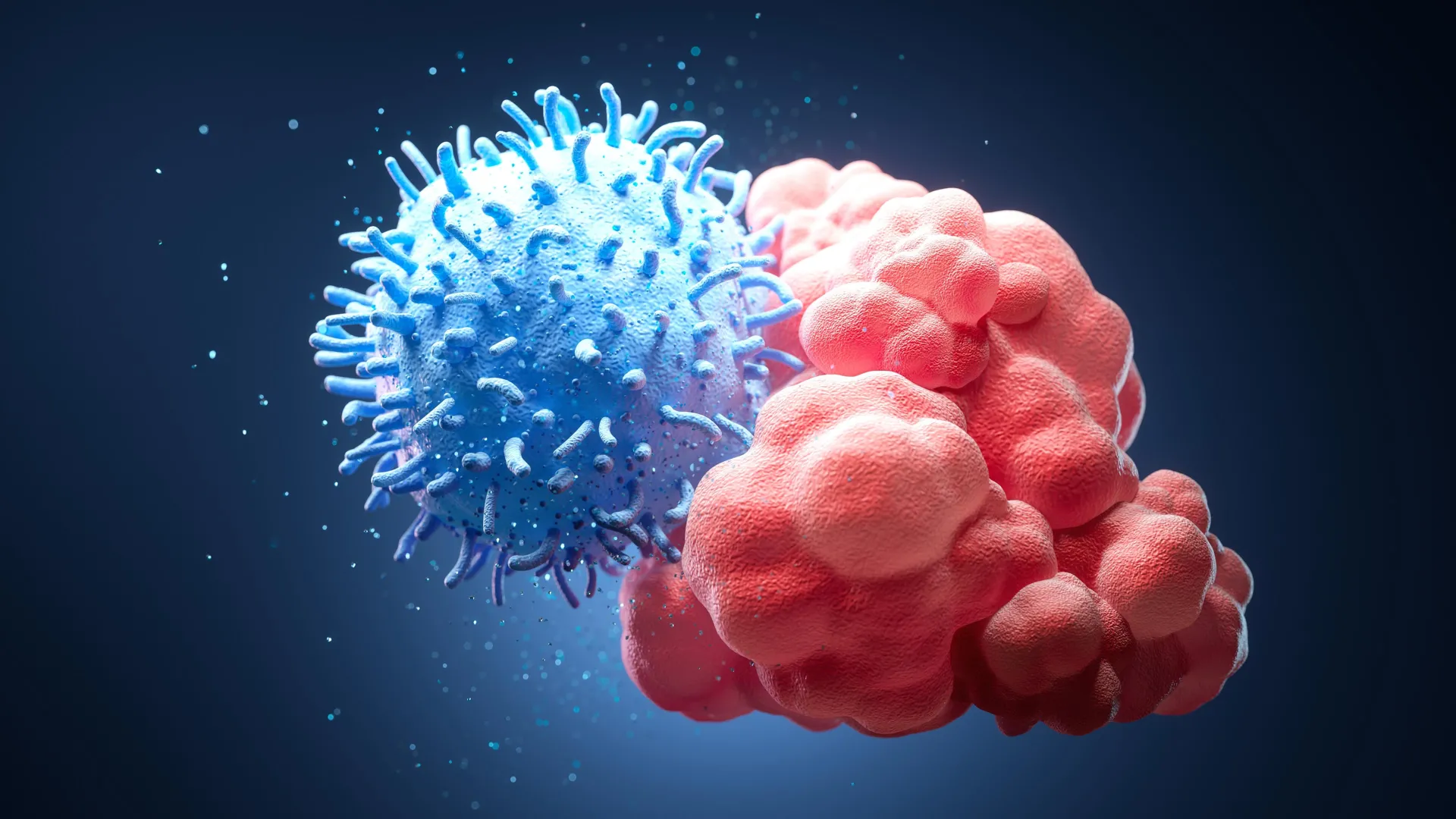
Scientists at McGill University have discovered a surprising ability in immune cells that could reshape our understanding of how the body develops lasting protection against infections. This groundbreaking research, published in the esteemed journal Nature Immunology, reveals that specialized immune cells, known as tissue-resident memory T cells, possess a tactile sense, enabling them to perceive the physical stiffness of their surrounding tissues. This mechanical information, previously overlooked, appears to play a crucial role in determining whether these cells mature into long-lived guardians of immunity.
For decades, the prevailing scientific consensus held that the development and maintenance of tissue-resident memory T cells were primarily dictated by a complex interplay of chemical signals, or cytokines, released by the body in response to an invading pathogen. These chemical cues were believed to orchestrate the transformation of naive T cells into specialized memory cells that could reside within various tissues, providing an immediate and robust defense against subsequent encounters with the same infectious agent. However, the recent findings from McGill University challenge this deeply entrenched paradigm, introducing a new layer of complexity and a novel mechanistic understanding of immune memory formation.
The research team, led by Professor Judith Mandl of McGill’s Department of Physiology, meticulously investigated the influence of the physical environment on T cell behavior. Their study involved a multidisciplinary collaboration, drawing expertise from McGill’s Department of Physiology, the Alan Edwards Centre for Research on Pain, the Department of Bioengineering, and the McGill University Health Centre, alongside international collaborators from institutions in the Netherlands and the United States. This collaborative effort underscores the significance and broad appeal of the research question.
The "Hidden Sense of Touch": Unraveling T Cell Mechanosensing
The core of the discovery lies in the observation that T cells are not merely passive responders to chemical gradients but are actively attuned to the mechanical properties of their surroundings. In a series of elegantly designed experiments, the researchers utilized specially engineered collagen gels. These gels were fabricated to mimic the varying degrees of stiffness found in different biological tissues. Human and mouse immune cells were then cultured within these gels, allowing scientists to observe how their behavior and development were affected by the physical properties of their artificial microenvironment.
The results were striking and consistent. As the stiffness of the collagen gels increased, the T cells cultured within them demonstrated a significantly higher propensity to acquire the hallmarks of tissue-resident memory cells. This suggests a direct correlation between tissue rigidity and the maturation of these crucial immune components. The implication is profound: the physical architecture of our tissues might actively sculpt the very cells responsible for defending us against disease.
Professor Mandl elaborated on the significance of this finding, stating, "This is an exciting fundamental finding that challenges the way we think about immune cells. It suggests T cells can ‘feel’ their surroundings and adapt to them, making the physical environment an active force in shaping their behavior." This ability of T cells to sense and respond to mechanical forces, akin to a rudimentary sense of touch, opens up an entirely new avenue of research into immune regulation and function.
A Shift in Paradigm: Beyond Chemical Signals
The traditional view of immune memory formation has largely focused on the molecular recognition of pathogens and the subsequent signaling cascades that lead to T cell activation and differentiation. While chemical signals remain undeniably important, this new research highlights that the physical context in which these interactions occur is equally, if not more, influential in certain aspects of T cell development.
The development of tissue-resident memory T cells is a critical process for establishing long-term immunity. Unlike circulating immune cells, these memory cells take up residence in specific tissues, such as the skin, lungs, or gut, where they can mount a rapid and localized response if the same pathogen attempts to re-enter the body. The ability of these cells to persist and remain vigilant for extended periods is paramount to preventing recurrent infections.
This new discovery suggests that the physical properties of these resident tissues, such as their inherent stiffness and elasticity, may play a direct role in signaling to T cells that they are in a stable, protective environment, thus promoting their long-term survival and functional readiness. Conversely, tissues with different mechanical properties might signal different developmental fates.
Implications for Disease Treatment: A New Frontier
The potential implications of this discovery extend far beyond the fundamental understanding of immune memory. The ability of T cells to sense and respond to tissue stiffness could have transformative effects on the treatment of a wide range of diseases, particularly those involving the immune system.
Autoimmune Disorders and Allergies
Diseases like rheumatoid arthritis, lupus, and type 1 diabetes, collectively known as autoimmune disorders, arise when the immune system mistakenly attacks the body’s own healthy tissues. Allergies, on the other hand, represent an overreaction of the immune system to harmless environmental substances. In many of these conditions, aberrant T cell behavior contributes significantly to the pathology.
Understanding how the physical environment influences T cell differentiation and function could pave the way for novel therapeutic strategies. For instance, if specific tissue stiffness is found to promote the development of pathogenic T cells in autoimmune diseases, interventions aimed at modulating the mechanical properties of affected tissues or influencing T cell mechanosensing could offer a new therapeutic avenue. Similarly, for allergies, manipulating T cell responses through their interaction with physical cues might help dampen hypersensitivity.
Transplant Rejection
The immune system’s response to transplanted organs is a complex battle against rejection. T cells play a central role in recognizing the transplanted organ as foreign and initiating an immune attack. If the mechanical properties of the transplanted organ or the surrounding recipient tissues can be modulated to influence T cell behavior towards a more tolerant state, this could significantly improve transplant success rates and reduce the reliance on broad immunosuppressive drugs, which carry their own set of risks.
Cancer Immunotherapy: Overcoming Physical Barriers
One of the most exciting implications of this research lies in the field of cancer immunotherapy. Tumors are notoriously dense and physically challenging environments, often characterized by a stiff extracellular matrix and high interstitial pressure. This physical rigidity can act as a formidable barrier, hindering the ability of therapeutic immune cells, such as CAR T cells or cytotoxic T lymphocytes, to infiltrate and effectively attack cancer cells.
Professor Mandl highlighted this point, stating, "Tumors are often dense and physically difficult for immune cells to penetrate. Understanding how T cells adapt to these environments could help researchers design cancer immunotherapies that are better able to reach and attack tumors." By understanding the molecular mechanisms by which T cells sense and respond to tissue stiffness, researchers could potentially develop strategies to "soften" tumor environments or engineer immune cells that are more resilient and capable of penetrating these physically hostile terrains. This could lead to more potent and effective cancer treatments.
The Road Ahead: Identifying Molecular Sensors
While the current findings are revolutionary, the researchers are keenly aware that this is just the beginning. A critical next step is to identify the specific molecular sensors within T cells that are responsible for detecting these physical forces. Once these mechanosensors are identified, scientists can begin to unravel the intricate signaling pathways that translate mechanical input into changes in cell behavior and differentiation.
This pursuit of identifying the molecular machinery involved in T cell mechanosensing is crucial for translating these fundamental discoveries into tangible clinical applications. Understanding how these sensors convert physical forces into biochemical signals will provide precise targets for therapeutic intervention, allowing for the development of drugs or therapies that can specifically modulate T cell responses based on their physical environment.
The study was supported by a consortium of prestigious funding agencies, including the Human Frontier Science Program, the Canadian Institutes of Health Research, the Canadian Foundation for Innovation, the Natural Sciences and Engineering Research Council of Canada, and the U.S. National Institutes of Health. This broad support reflects the recognized importance and potential impact of this research.
A Timeline of Discovery and Future Prospects
The journey leading to this discovery likely involved years of meticulous research, building upon existing knowledge of T cell biology and the emerging field of mechanobiology. While a precise timeline for the experimental phases is not detailed in the provided information, the publication in Nature Immunology signifies a rigorous peer-review process and a culmination of significant experimental work.
The initial hypothesis, challenging the chemical-centric view of T cell memory, would have likely stemmed from observations of T cell behavior in vivo or in vitro that could not be fully explained by existing signaling pathways. This would have prompted the design of experiments specifically aimed at probing the role of the physical environment. The development of the collagen gel system, capable of precisely controlling tissue stiffness, represents a key methodological advancement that enabled the researchers to isolate and study the effect of mechanical forces.
The timeline for translating these findings into clinical applications is inherently long and complex, involving preclinical studies, clinical trials, and regulatory approvals. However, the fundamental nature of this discovery suggests that the path forward, while challenging, is well-defined. The identification of molecular sensors will likely be the next major milestone, followed by the development and testing of therapeutic interventions.
Broader Impact and Scientific Community Response
The scientific community is expected to react with considerable interest and enthusiasm to these findings. This research represents a significant departure from established dogma and opens up entirely new avenues of investigation into immune cell function. It is anticipated that other research groups will rapidly seek to replicate and expand upon these findings, exploring the role of mechanosensing in different types of immune cells and in various physiological and pathological contexts.
The implications for immunology, cell biology, and bioengineering are substantial. This work bridges disciplines, highlighting the interconnectedness of physical forces and biological processes. It reinforces the growing understanding that cells do not exist in a vacuum but are constantly interacting with and responding to their physical surroundings.
In conclusion, the discovery by McGill University scientists of immune cells’ ability to sense tissue stiffness is a landmark achievement that promises to fundamentally alter our understanding of immune memory and its implications for human health. By uncovering this hidden sense of touch within our immune system, researchers have opened a new frontier in the fight against infections, autoimmune diseases, allergies, and cancer, offering hope for the development of more effective and targeted therapies in the years to come.