A routine data quality check by NASA scientist Robert Wagner led to the extraordinary discovery of the largest, newly formed impact crater ever identified in the solar system, named McGetchin. This monumental finding, detailed in a recent publication in Science Advances on Wednesday, September 16, 2026, underscores the Moon’s surprisingly dynamic geological activity and reaffirms the critical value of data collected by NASA’s Lunar Reconnaissance Orbiter (LRO) mission. The discovery provides invaluable insights as NASA advances its ambitious goals for a sustained human presence and expanded scientific and commercial endeavors on the lunar surface.
The serendipitous discovery occurred on October 24, 2025, when Robert Wagner, an image-processing specialist from Intuitive Machines supporting NASA’s LRO team, was meticulously scanning a vast lunar map on his computer screen. His trained eye caught an anomalous feature: an unusually large, bright spot encircled by a distinct dark halo. This signature pattern is indicative of surface material being violently ejected and rearranged by an impact event. "I just stopped, dropped everything, and started looking into what that spot was," Wagner recounted, describing the immediate shift in his focus from routine verification to profound scientific inquiry.
The Birth of McGetchin Crater: A Century-Scale Event
Through a meticulous comparison of "before" and "after" images captured by LRO’s advanced camera systems, Wagner confirmed that the striking feature was, in fact, a fresh impact crater. The celestial body responsible for carving McGetchin crater – officially named after pioneering lunar scientist Tom McGetchin – is estimated to have been a comet or asteroid ranging in size from a three- to six-story building. This significant impact event transpired sometime between April 11 and May 22, 2024, striking the Moon’s eastern limb with immense force.
The resulting crater is a colossal testament to the power of cosmic collisions. Measuring an impressive 728 feet (approximately 222 meters) in width, it spans a length equivalent to two American football fields. Its depth, a staggering 141 feet (about 43 meters), is deep enough to vertically accommodate three standard yellow school buses. Scientists estimate that an impact of this sheer magnitude is a rare occurrence on the Moon, happening approximately once in a century, or even less frequently. Such events offer unique windows into the ongoing processes that shape planetary bodies.
LRO’s Enduring Legacy: A Vigilant Eye on a Dynamic Moon
The discovery of McGetchin crater highlights the indispensable role of the Lunar Reconnaissance Orbiter, which has been diligently circling the Moon for over 17 years. Launched in 2009, LRO’s primary mission has been to map the Moon’s topography, analyze its surface composition, monitor temperature fluctuations, and assess the radiation environment. Equipped with seven sophisticated instruments, LRO has provided an unprecedented wealth of data, revolutionizing our understanding of Earth’s closest celestial neighbor.
Over its extended mission, the LRO team has identified at least 1,000 new impact craters. Beyond these significant formations, the orbiter has documented more than 100,000 other surface changes, ranging from minor shifts caused by smaller impacts to the widespread debris fields generated by larger collisions. The Moon, devoid of a protective atmosphere, is constantly bombarded by space rocks and other objects, making its surface a dynamic canvas of ongoing change. While the impactor that formed McGetchin was unusually large, most incoming objects are considerably smaller.
LRO’s Lunar Reconnaissance Orbiter Camera (LROC) system, comprising two high-resolution black-and-white Narrow-Angle Cameras (NACs) and one moderate-resolution multispectral Wide-Angle Camera (WAC), is central to these discoveries. The NACs capture images with a resolution of about 3 feet per pixel, enabling detailed observations of small surface features. The WAC, conversely, provides broad views where individual pixels can represent areas the size of football fields, ideal for large-scale mapping and change detection. Scientists can distinguish craters as small as 30 feet wide, typically formed by rocks about 43 inches wide (the size of a monster-truck tire). Approximately 140 such new craters are estimated to form across the Moon annually. However, countless microscopic projectiles also strike the surface, leaving holes too minute for orbital imaging.
Thermal Fingerprints: Beyond the Visible Crater
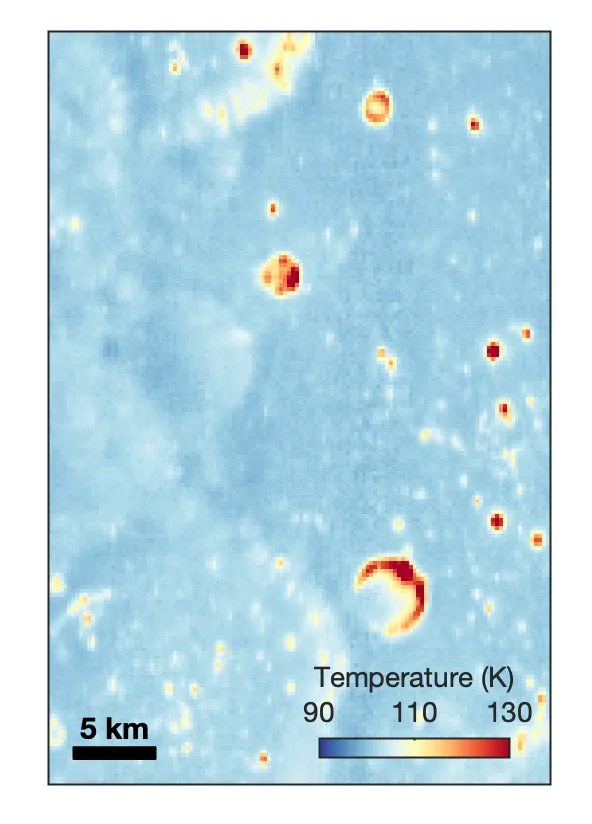
The comprehensive suite of instruments aboard LRO allows scientists to observe changes to the lunar surface that extend beyond what is visible in LROC images alone. Following the initial visual identification of McGetchin crater, scientists utilizing LRO’s Diviner Lunar Radiometer Experiment, a thermal instrument, conducted follow-up observations of the impact site. Their findings, published in a second paper in Science Advances on the same day, revealed a significant thermal anomaly.
The Diviner data indicated a vast, 4-mile-wide area surrounding McGetchin crater that is approximately 16 degrees Fahrenheit (about 9 degrees Celsius) cooler at night compared to its surroundings. This "cold spot" is attributed to the impact’s effect on the lunar regolith – the layer of loose, unconsolidated material covering solid rock. The violent impact "fluffed up" the regolith around the crater, making it less dense. This reduced density diminishes the regolith’s ability to retain heat absorbed during the lunar day, causing it to cool more rapidly during the prolonged lunar night.
The sheer extent of this thermal anomaly is particularly striking to scientists. It conclusively demonstrates that powerful impacts can modify the Moon’s surface far beyond the immediate crater rim, influencing a much broader region. These physical changes to the regolith could have significant implications for future lunar missions, potentially affecting how rover wheels interact with the surface, the stability of landing sites, and even the design of future lunar habitats. Understanding these subsurface thermal properties is crucial for long-duration missions and the establishment of permanent outposts.
The Methodical Hunt for Change: A Blend of Software and Human Insight
The discovery process for McGetchin crater exemplifies the blend of advanced technology and human expertise central to modern space exploration. LROC scientists routinely analyze close-up NAC images to detect changes, typically focusing on features less than 30 feet across. However, every few years, the team undertakes a more ambitious endeavor: searching for large-scale changes, particularly features wider than 150 feet, by constructing global Moon maps and comparing them against older versions.
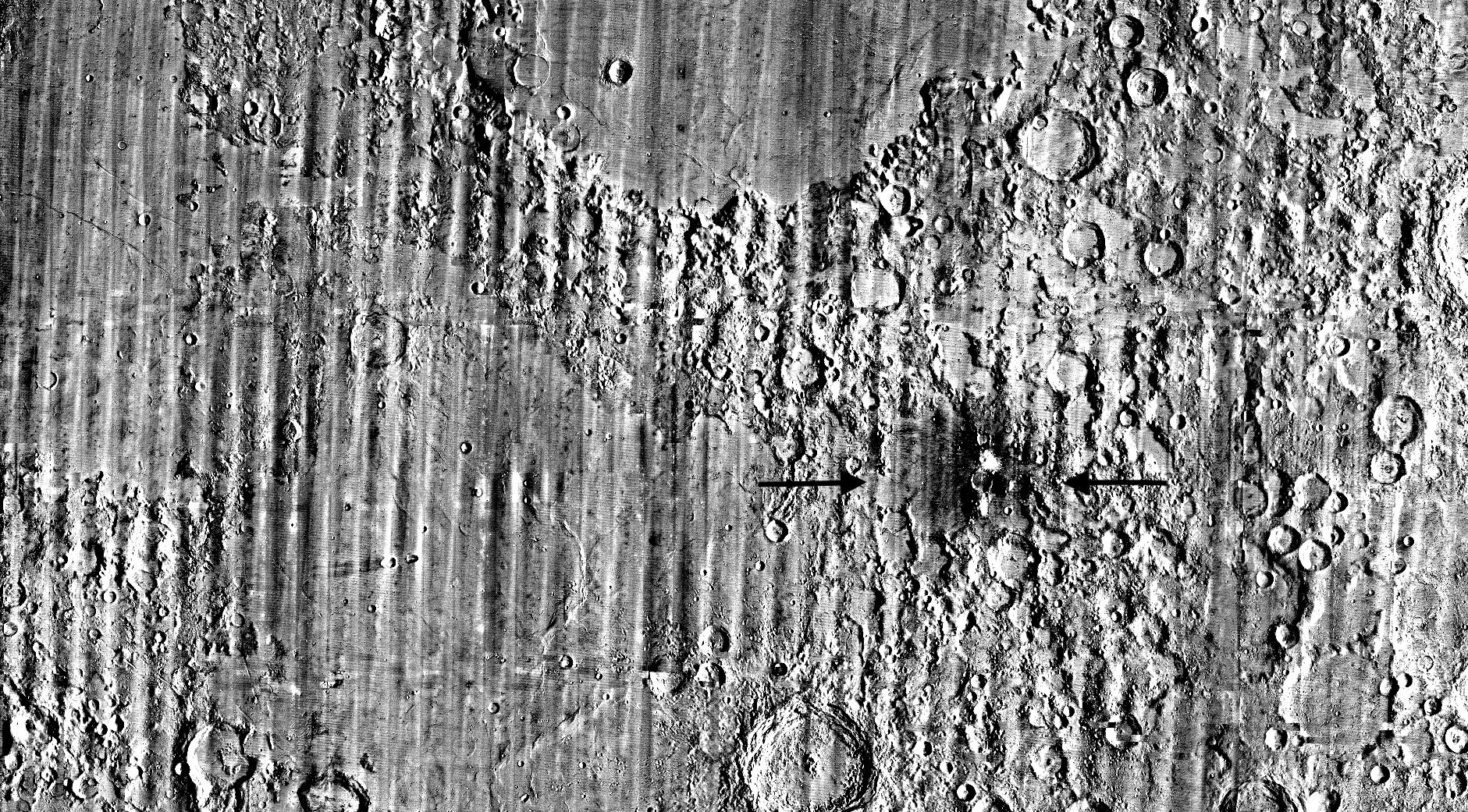
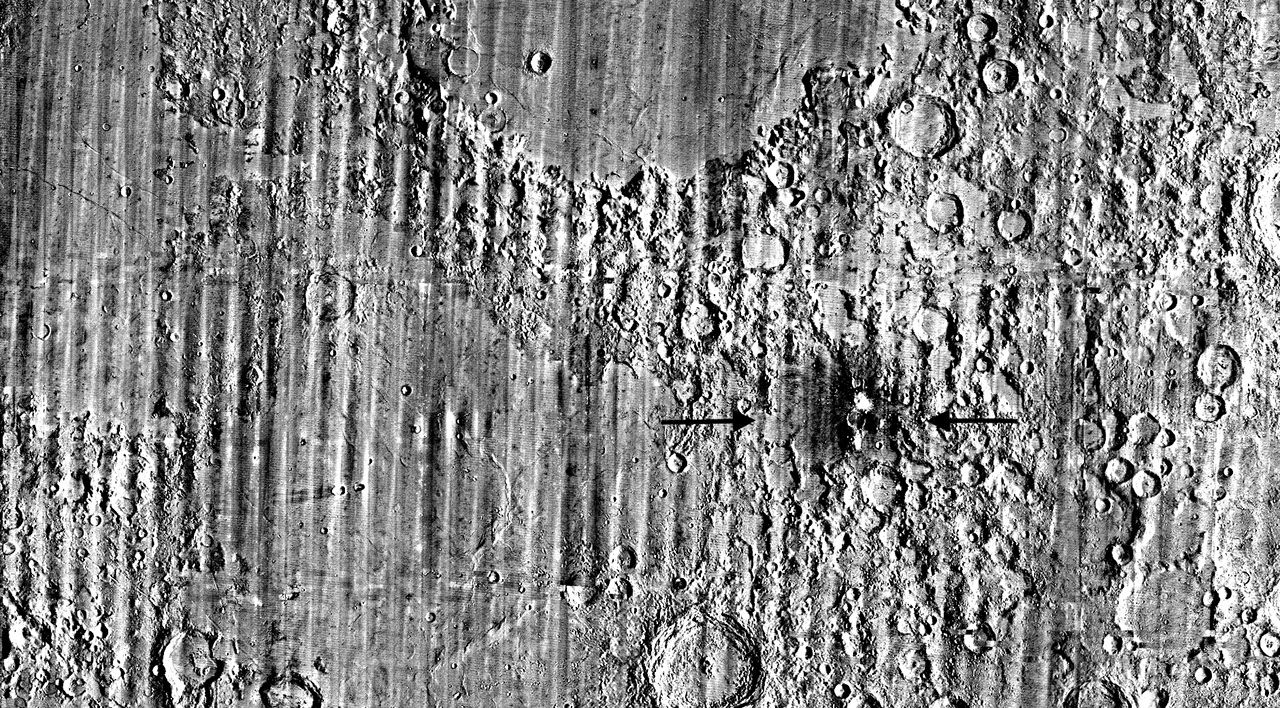
This was precisely the task Robert Wagner was engaged in when he stumbled upon McGetchin. Utilizing images from LROC’s Wide-Angle Camera, he employed specialized software to stack hundreds of "before" and "after" frames of lunar terrain. The software is designed to highlight discrepancies: areas that remained unchanged appeared gray, while any differences manifested as bright or dark patches.
While the process sounds automated, distinguishing genuine craters from false positives requires considerable manual verification. The software, sensitive to even minor shifts in lighting or shadow, often flags hundreds of non-impact-related anomalies. Wagner’s role involved meticulously sifting through these alerts, searching for specific visual cues—small, fuzzy halos surrounding pixel-wide bright points—that signify splashes of regolith indicative of a new crater.
McGetchin crater, however, was an unmistakable anomaly. Spanning hundreds of pixels in the WAC composite, its signature stood out immediately. "It was by far the most obvious impact debris pattern I’ve ever seen in one of these images," Wagner noted, emphasizing the sheer scale and clarity of the impact signature.
Following his initial discovery, the LRO team leveraged the higher-resolution Narrow-Angle Camera. As LRO subsequently flew over the impact site, the NAC captured much sharper, close-up images, revealing intricate details of the crater’s size, precise shape, and the extent of the affected surrounding terrain. These detailed images are crucial for refining estimates of the impactor’s size and the force of the collision, with further findings anticipated in future scientific papers.
Broader Implications for Lunar Exploration and Science
The discovery of McGetchin crater carries significant implications for NASA’s ambitious Artemis program, which aims to return humans to the Moon and establish a sustained presence. A better understanding of the frequency, scale, and effects of lunar impacts is vital for several reasons:
- Astronaut Safety: While the Moon’s surface is generally stable, rare, large impacts like McGetchin highlight the potential hazards. Understanding impact dynamics helps in assessing risks for future lunar habitats and extravehicular activities.
- Landing Site Selection: Knowledge of regolith modification by impacts, as revealed by the Diviner data, can inform the selection of safer and more stable landing zones for human landers and robotic rovers. Areas with "fluffed up" regolith might present different challenges for mobility and construction.
- Resource Utilization (ISRU): Changes in regolith density and thermal properties could influence the extraction and processing of lunar resources, such as water ice or regolith for construction materials.
- Planetary Science: Each new crater provides a fresh window into the Moon’s geological history. Scientists can analyze the freshly exposed material to understand lunar stratigraphy, regolith evolution, and the flux of impactors in the inner solar system over time. The study of McGetchin will contribute to refining models of impact processes across the solar system.
- Technological Advancement: The long-term success of LRO and the sophisticated data analysis techniques employed demonstrate the power of sustained orbital missions in monitoring planetary surfaces and advancing scientific understanding.
Lonnie Shekhtman, Senior Science Writer for NASA, whose work focuses on communicating planetary science, underscored the profound scientific value of such discoveries. "LRO’s longevity and its suite of instruments provide an unparalleled perspective on our Moon’s dynamic environment," Shekhtman conveyed. "Discoveries like McGetchin crater are not just about finding a new hole; they’re about understanding the fundamental processes that shape planetary bodies, informing our future exploration, and ensuring the safety and success of missions like Artemis."
For over a decade and a half, LRO has meticulously mapped the lunar surface, building a comprehensive database detailed enough to identify not only new craters but also landslides, the landing sites of various missions, seismic faults, and even potential lava tubes. This continuous monitoring confirms that the Moon, far from being a static, dead world, is a geologically active body constantly reshaped by external forces. The discovery of McGetchin crater serves as a powerful reminder of this ongoing lunar evolution and the enduring importance of missions like LRO in unraveling the Moon’s many mysteries as humanity prepares for its next giant leap.