The protracted saga surrounding the potential merger of Paramount Global and Warner Bros. Discovery (WBD) has reached a significant, albeit contentious, milestone. Following months of intense negotiation, regulatory scrutiny, and public discourse, California Attorney General Rob Bonta, leading a coalition of twelve state attorneys general, has unveiled a "significant" settlement that allows the proposed union to proceed. This development, while offering a path forward for mogul David Ellison’s Skydance Media and its ambitions for these iconic Hollywood studios, has been met with a complex mix of relief, skepticism, and continued debate about the future of media consolidation.
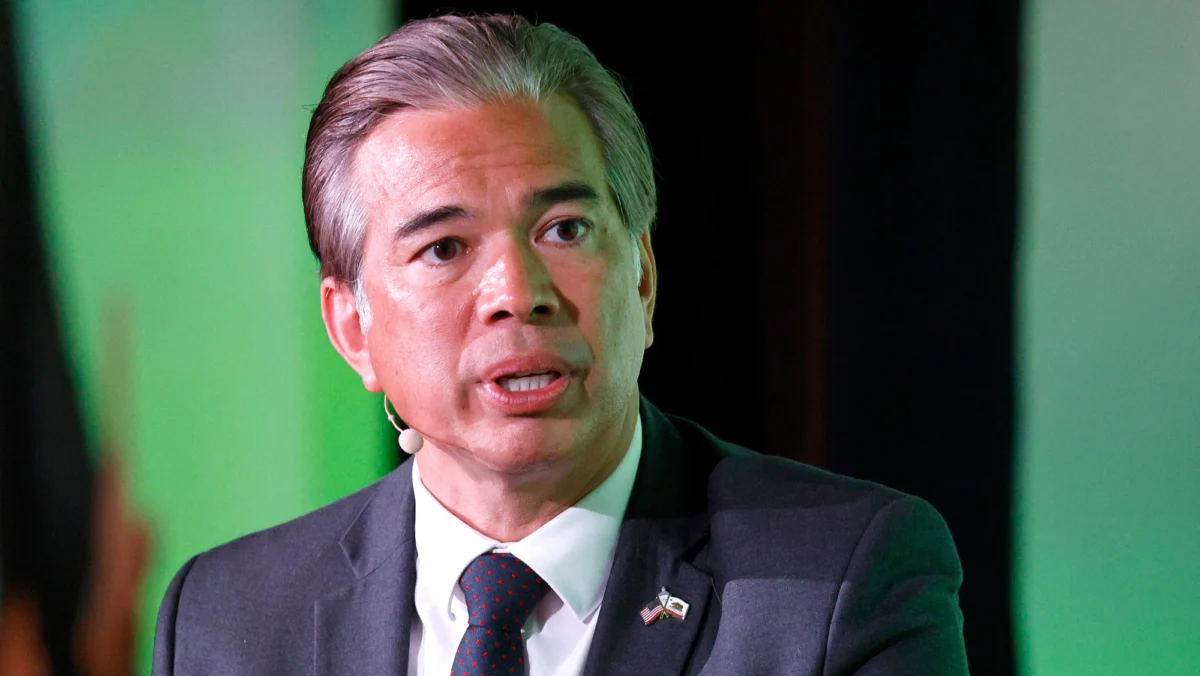
The settlement, announced by Attorney General Bonta, effectively moves past a major antitrust obstacle that had threatened to derail Ellison’s year-long pursuit. Despite Bonta’s explicit personal reservations about the merger, stating multiple times during his press conference that he did not believe the two companies should combine, the agreement outlines a series of concessions designed to address concerns over market concentration and the potential impact on the film and television industry. These concessions, while presented as substantial by the state coalition, have been characterized by some industry observers as more behavioral than truly structural, leading to questions about their long-term efficacy in preventing the very issues they aim to mitigate.
The Terms of the Settlement: A Closer Look
At the core of the agreement are several key commitments from Paramount and Skydance. Paramount is set to invest a substantial $1.5 billion in domestic production over a five-year period. This represents a notable increase from an earlier three-year pledge of 30 films made by Ellison. Should Paramount fail to meet this production threshold, a penalty of $30 million per film under the 30-film limit would be imposed. Bonta highlighted that this $1.5 billion figure equates to an annual investment of $300 million more than the combined studios reportedly spent last year, a statistic intended to underscore the economic stimulus this commitment is expected to generate.
Furthermore, the settlement mandates that both Paramount and Warner Bros. Discovery maintain their existing studio lots in Los Angeles, preserving vital physical infrastructure and employment centers within the region. A critical provision also ensures that there will be no immediate divestitures of cable channels, a point of contention for various stakeholders concerned about the fragmentation of traditional media assets. The agreement also seeks to safeguard the editorial independence of CBS News and CNN by requiring them to establish independent editorial boards, a move aimed at addressing anxieties regarding potential journalistic compromises in a merged entity.
Beyond production and infrastructure, the settlement includes a commitment to invest $9.5 million annually in workforce training and career development programs within film and television production communities. Additionally, a new $5 million annual fund will be established to support independent filmmaking, a gesture intended to foster a more diverse and robust independent cinema landscape.
The accompanying consent decree, a legally binding document detailing the fine print of the agreement, includes provisions for potential divestitures, such as the sale of Miramax Studios, should Paramount fail to uphold its commitments. However, as noted by some analysts, the inherent bar for achieving these commitments may not be excessively high, prompting a degree of debate about the true weight of these "rules of the road."
David Ellison’s Ambitious Pursuit: A Year in the Making
For David Ellison, the 43-year-old scion of Oracle mogul Larry Ellison, this settlement marks the culmination of a year-long strategic campaign. His initial move to acquire Paramount from Shari Redstone’s National Amusements aimed to pair the storied studio with his own Skydance Media. Ellison’s vision, articulated at the time, was to lead Hollywood studios for the next two decades, steering them towards a future shaped by technology and designed to compete effectively in the "attention economy" against major digital platforms.
This overarching ambition was temporarily put on hold as Ellison shifted his focus and considerable resources towards acquiring the entirety of Warner Bros. Discovery, a move that would consolidate two of Hollywood’s most historic powerhouses. His persistence, often against considerable odds and amid numerous competing offers, has been a defining characteristic of this complex transaction.
Ellison’s ability to navigate the intricate landscape of media mergers has not gone unnoticed. He has faced skepticism and setbacks, yet his pursuit has been consistently bolstered by the substantial financial backing of his father, Larry Ellison, whose net worth is estimated to be around $200 billion and who holds significant influence, including control over TikTok’s U.S. subsidiary. This financial bedrock allowed Ellison to maintain his focus on acquiring WBD, even as its CEO, David Zaslav, reportedly explored options for multiple auctions, including the potential sale of individual assets like its cable channels.
A Competitive Bidding War and Global Regulatory Navigation
The path to this settlement was far from straightforward. In December, Netflix, led by Ted Sarandos, was actively engaged, even touring the Warner Bros. lot, signaling a serious intent to acquire the company. However, Ellison ultimately prevailed by increasing his offer, compelling the WBD board to acknowledge Paramount’s superior financial proposal.
Beyond the competitive bidding, Ellison’s strategy involved extensive engagement with regulatory bodies worldwide. He reportedly sought the endorsement of the Trump administration to expedite the U.S. approval process and courted governments in other regions to secure greenlights for his $111 billion merger. These efforts, while often involving minor concessions, were crucial for navigating the labyrinthine global regulatory environment.
Throughout this period of intense global scrutiny, one of Paramount’s more significant international compromises involved exiting a distribution joint venture with Universal to gain approval from the European Union. This particular concession likely posed little strategic disruption to Team Paramount. Meanwhile, the Federal Communications Commission (FCC), under the leadership of Brendan Carr and amid its own ongoing disputes with Disney, had recently approved a significant influx of capital from Middle Eastern sovereign wealth funds supporting the megamerger, indicating a broader acceptance of the deal’s financial underpinnings.
The Antitrust Challenge and California’s Intervention
The most formidable hurdle, however, emerged with the legal challenge mounted by Rob Bonta and his coalition of twelve states. Filing suit in July, their objective was to block the merger, arguing that Paramount’s acquisition of Warner Bros. Discovery would create a monopolistic concern. The Writers Guild, in its own separate lawsuit, echoed these concerns by highlighting "monopsony" issues – a scenario where a single buyer or a limited number of buyers dominate a market, potentially reducing bargaining power for sellers, in this case, content creators.
For a period, it appeared the states held considerable leverage. Their efforts successfully persuaded a court to postpone an antitrust trial concerning the deal until March 2027, a move that significantly extended the sale process and fueled discussions about a potential $7 million per day penalty that Paramount would face starting in October. However, during his Monday press conference, Bonta acknowledged the unpredictable nature of legal battles, stating, "sometimes you win, sometimes you lose in court." He positioned the settlement as a resolution that effectively addresses the antitrust concerns that had been raised.
The "Jane Fonda Wing" and Behavioral vs. Structural Remedies
The outcome of this protracted legal battle has inevitably disappointed segments of the Hollywood community that had actively campaigned against the merger. This group, informally dubbed the "Jane Fonda wing" of the industry, had advocated for robust "structural remedies" to prevent further consolidation. Jane Fonda herself had vocally expressed her concerns, lamenting that "the fewer studios there are, the fewer places that we can take our products. We lose bargaining power. Unions lose their power. There’s a very robust and growing movement to stop the mergers." She added, with a touch of personal sentiment, "It’s sad for me because I like David Ellison very much," referencing Skydance’s prior financing of her Netflix series, Grace and Frankie.
The measured logic presented by Fonda and others, emphasizing the potential for reduced creative outlets and diminished bargaining power, resonated throughout Hollywood since July. Consequently, the remedies outlined in Bonta’s settlement have been viewed by some as more behavioral than truly structural. While Bonta referenced the enhanced monitoring of this deal compared to the Disney-Fox merger during the first Trump administration, the core question remains whether these behavioral guardrails will fundamentally alter Ellison’s post-merger plans.
Implications and Future Outlook
The settlement’s provisions, particularly the commitment to produce 30 films per year, appear to align with the projected output of the individual studios. An economic report published by Los Angeles County in June indicated that Warner Bros. had distributed 11 wide-release movies in 2025, while Paramount had released 10 features. Both studios, prior to the merger discussions, were anticipated to increase their output as the industry shifted away from the COVID-era practice of prioritizing streaming-only releases for major titles. This suggests that the production commitment may not represent a radical departure from existing strategic trajectories.
Similarly, the establishment of independent editorial boards for CBS News and CNN raises questions about their practical impact. The primary goals for these news organizations are often cost savings and synergies, which could potentially lead to a reduction in overall reporting resources. The effectiveness of these boards in preventing such outcomes remains a point of speculation.
While the specific terms of the deal were not solely dictated by Bonta’s personal reputation, the Attorney General was undoubtedly aware that his standing in Hollywood was on the line. The settlement, which is expected to be applauded by pro-deal advocates, including Paramount and WBD shareholders and major theater chains, stands in stark contrast to the forceful stance he adopted just months prior when initiating his legal battle against Paramount.
The resolution of this regulatory hurdle marks a significant moment for David Ellison and his vision for the future of Hollywood. However, the debate over media consolidation, the power dynamics within the industry, and the long-term implications for creators, workers, and audiences will undoubtedly continue. The effectiveness of the behavioral remedies, the actual impact of the independent editorial boards, and the broader landscape of the entertainment industry in the face of increasing consolidation will be closely watched in the years to come. The "sound and fury" may have subsided, but the implications of this merger are still unfolding.