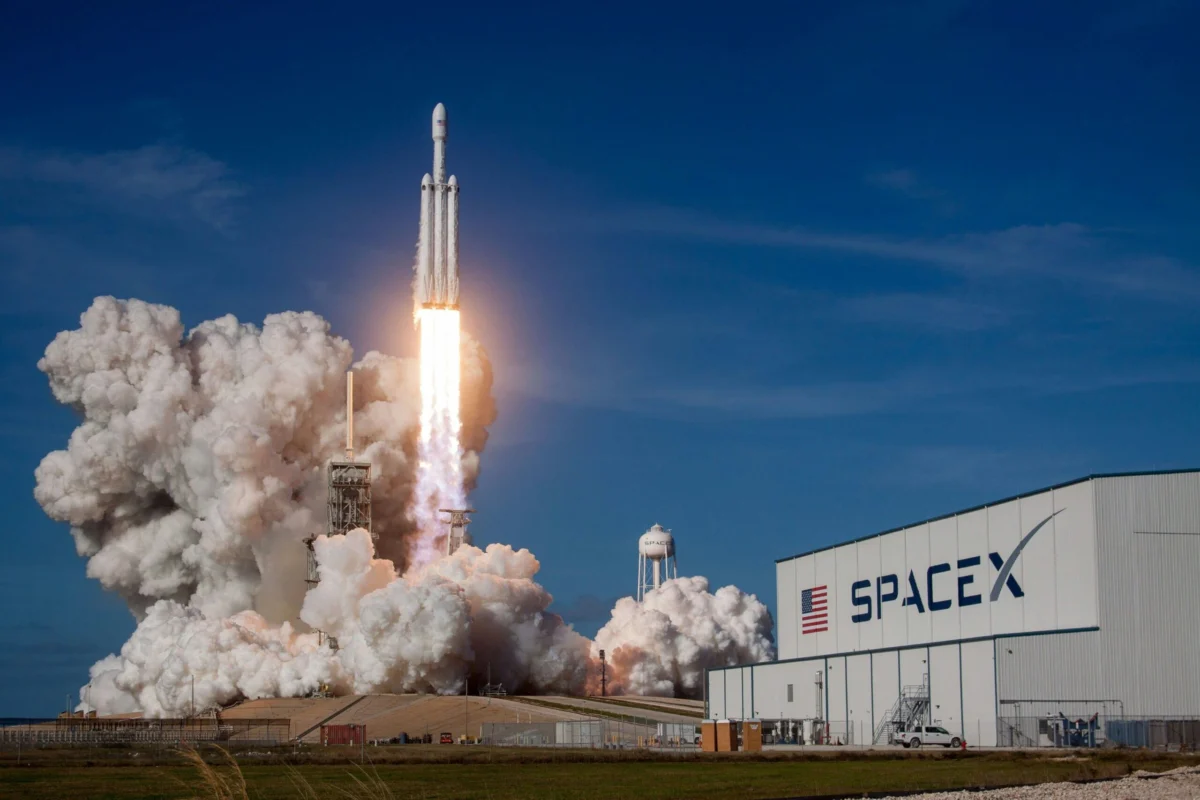
Shares of the aerospace giant SpaceX experienced a sharp 11% decline in pre-market trading on Wednesday, as investors grappled with a complex mixture of robust top-line growth and mounting concerns over the company’s long-term capital intensity. Despite reporting a first-quarter earnings result that significantly outpaced Wall Street’s revenue expectations, the market’s attention shifted toward a massive looming insider-share unlock and a projected surge in infrastructure spending that threatens to strain free cash flow for years to come.
The sell-off underscores the volatility inherent in the company’s transition to the public markets, where the high-risk, high-reward nature of space exploration meets the quarterly scrutiny of institutional investors. While the company’s operational milestones continue to impress, the financial realities of building a multi-planetary infrastructure are beginning to weigh on its valuation.
Strong Revenue Growth Meets Massive Capital Outlay
In its latest quarterly report, SpaceX revealed a staggering 92% year-over-year increase in revenue, reaching $7.8 billion. This performance comfortably exceeded analyst consensus, driven largely by the continued expansion of the Starlink satellite internet constellation and a steady cadence of commercial and government launch contracts. Adjusted EBITDA (earnings before interest, taxes, depreciation, and amortization) nearly tripled to $3.5 billion, signaling that the company’s core launch services are becoming increasingly efficient and profitable.
However, these gains were overshadowed by the sheer scale of the company’s reinvestment strategy. During the quarter, SpaceX deployed $18.4 billion in capital expenditures. This spending was primarily directed toward three pillars of the company’s long-term vision: the rapid expansion of the Starlink network, the iterative development and testing of the Starship heavy-lift rocket, and a newly emphasized focus on artificial intelligence (AI) infrastructure.
While the company narrowed its net loss to $541 million—an improvement over previous periods—the magnitude of its spending has raised questions about when the firm will achieve consistent positive free cash flow. For many investors, the "burn rate" associated with Starship and global satellite coverage remains a primary risk factor, particularly as the global economic environment remains sensitive to interest rate fluctuations and capital availability.
The Bitcoin Factor: Accounting Volatility and Fair-Value Rules
SpaceX’s financial results were further complicated by its significant holdings of Bitcoin. The company confirmed it held all 18,712 BTC on its balance sheet through the second quarter, a position valued at approximately $1.1 billion as of late June. Under current fair-value accounting rules, price fluctuations in the cryptocurrency market must be reflected in the company’s quarterly earnings reports.
During the quarter in question, the value of SpaceX’s Bitcoin stake decreased by roughly $195 million. While this is a non-cash impairment, it directly impacted the reported net loss, adding a layer of "paper volatility" that some traditional aerospace investors find unsettling. This accounting risk was previously flagged by market analysts ahead of the company’s initial public offering, noting that Elon Musk’s corporate entities—including Tesla and SpaceX—have become uniquely exposed to the digital asset market. For SpaceX, the Bitcoin holding represents both a strategic treasury asset and a source of quarterly earnings noise that can obscure underlying operational improvements.
The Lockup Expiration: A Potential 143% Increase in Public Float
Perhaps the most immediate catalyst for Wednesday’s share price decline is the scheduled expiration of the insider lock-up period on Thursday. Lock-up expirations are standard post-IPO events where early investors, employees, and company insiders are finally permitted to sell their shares on the open market.
According to data provided by JPMorgan, approximately 911.5 million shares are set to become eligible for sale. This represents a potential 143% increase in the company’s public float. In the world of equity markets, such a massive influx of potential supply often triggers "front-running" by traders who expect a wave of selling pressure. Even if insiders choose to hold their positions, the mere possibility of nearly a billion shares hitting the market is enough to suppress prices in the short term.
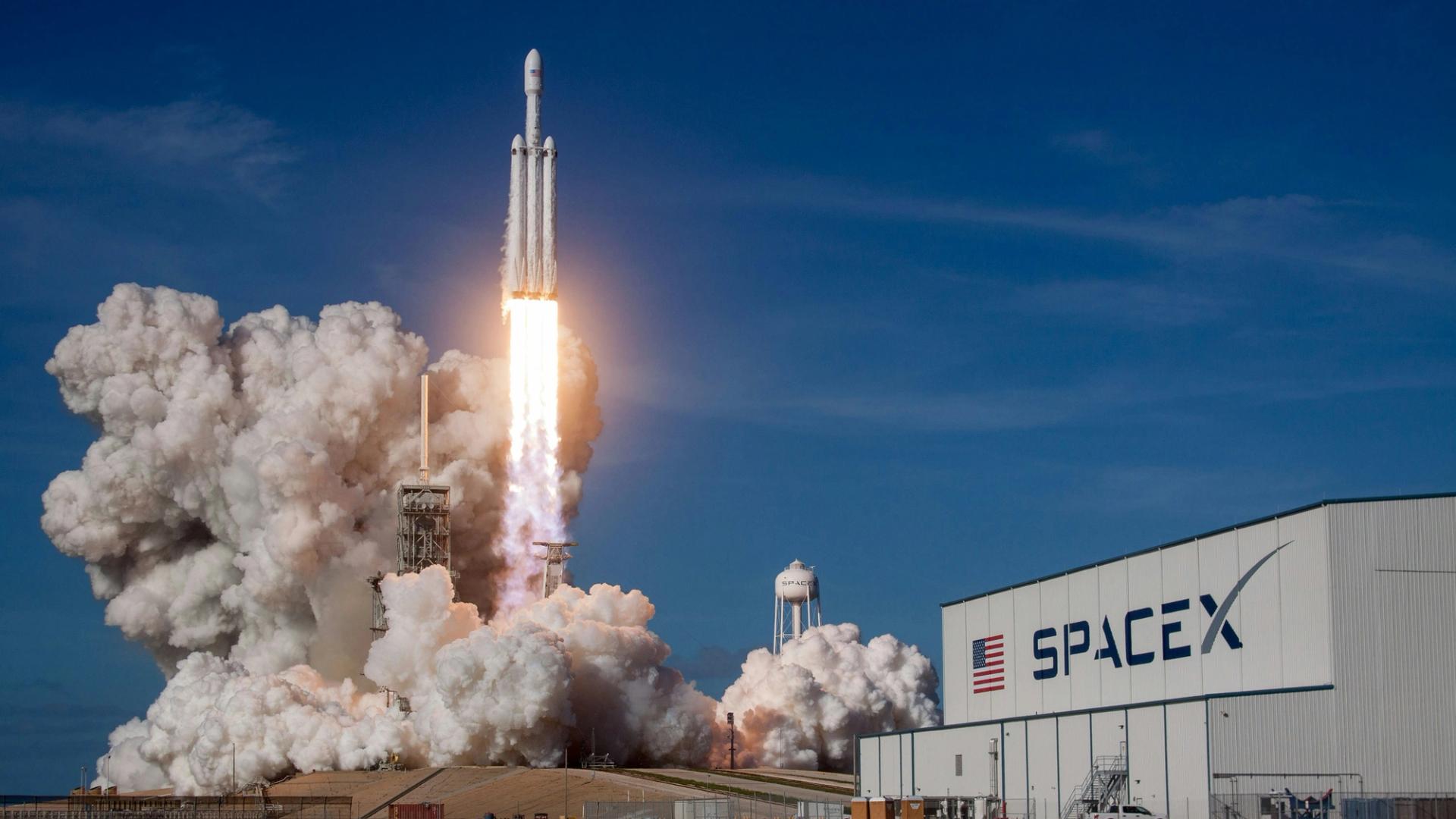
JPMorgan analysts noted that while the event has been known for months and may be partially "priced in," the sheer scale of the unlock is historic. Investors are particularly watchful of whether high-ranking executives or early venture capital backers will liquidate significant portions of their holdings to diversify their portfolios or fund other ventures.
Analyst Divergence: From Caution to High-Conviction Bulls
The investment community remains deeply divided on SpaceX’s valuation, as evidenced by the wildly varying price targets issued by major financial institutions.
JPMorgan, while raising its price target from $225 to $240, maintained a cautious tone regarding the company’s mid-term financial health. The bank’s analysts now project that SpaceX’s capital expenditures could reach nearly $200 billion in both 2027 and 2028. This projection is based on the anticipated costs of maintaining a "hyperscaler" level of infrastructure, similar to the investments made by tech giants like Amazon or Google in data centers, but applied to orbital mechanics and global telecommunications.
"We now project capex of nearly $200 billion in both 2027 and 2028, which further pressures free cash flow in 2027," the JPMorgan analysts wrote. They likened SpaceX to other "hyperscalers" that must spend aggressively to maintain a competitive moat, noting that while the long-term payoff could be massive, the journey there will be capital-intensive and fraught with cash flow pressure.
In stark contrast, Raymond James reiterated a "Street-high" price target of $800 per share. Their analysis focuses on the company’s undisputed dominance in the launch market and the burgeoning monopoly of Starlink in the rural and maritime broadband sectors. From this perspective, the current 11% dip is a temporary consolidation in a larger growth story. Raymond James argues that the company’s operating performance—evidenced by the tripling of adjusted EBITDA—is the true indicator of value, rather than temporary accounting losses or lock-up mechanics.
Strategic Roadmap: Starlink, Starship, and the AI Frontier
To understand SpaceX’s $18.4 billion quarterly spend, one must look at the company’s multi-pronged strategic roadmap.
- Starlink Expansion: Starlink is no longer an experimental project; it is a global utility. The company is currently transitioning to "Version 2" satellites, which are larger and more capable but require the massive payload capacity of Starship to be deployed efficiently. The costs involve not just satellite manufacturing, but also the build-out of ground stations and user terminals.
- Starship Development: Starship is the linchpin of SpaceX’s future. It is designed to be the first fully and rapidly reusable launch system, capable of carrying over 100 tons to orbit. The development of the Starbase facility in Texas and the frequent, high-cost test flights represent a significant portion of the company’s R&D budget.
- AI Infrastructure: In a move that mirrors the broader tech industry, SpaceX has begun investing heavily in AI infrastructure. This includes autonomous flight systems for satellite collision avoidance, sophisticated data processing for Starlink’s global traffic, and AI-driven manufacturing processes. By positioning itself as an AI-enabled aerospace firm, SpaceX is attempting to capture the premium valuations currently afforded to the technology sector.
Broader Market Implications and the Road Ahead
The current share price of $111.80 reflects a market that is attempting to find a "fair value" for a company that defies traditional categorization. Is SpaceX a defense contractor, a telecommunications provider, or a high-growth tech firm? The answer appears to be all three, which complicates the task for analysts trying to model its future.
The decline in SpaceX shares also serves as a barometer for investor appetite for "long-duration" assets—companies whose primary profits are expected far in the future. In an era of higher interest rates, the "cost of waiting" for SpaceX to become a free-cash-flow machine has increased.
As Thursday’s lock-up expiration approaches, the market will be looking for signs of stability. If the stock can absorb the potential influx of shares without a further collapse, it may signal that institutional buyers are waiting on the sidelines to pick up shares at a discount. Conversely, if the sell-off accelerates, it could force a re-evaluation of the company’s near-term valuation.
In the long run, SpaceX’s success will likely depend on its ability to turn its massive capital investments into a sustainable "orbital economy." For now, the company remains a high-stakes bet on the future of humanity in space, managed through the rigorous and often unforgiving lens of the public equity markets. The 11% drop is a reminder that even for a company aimed at the stars, the gravity of financial reality remains a powerful force.