In a testament to the extraordinary resilience of the human spirit and the life-saving power of organ donation, Martyn Jackson, a former semi-professional footballer, has achieved an astonishing feat: winning the Transplant World Cup less than two years after undergoing a life-saving heart transplant. His journey from the brink of death to global sporting glory underscores the profound impact of organ transplantation and highlights the critical importance of organ donation awareness.
From Local Pitches to Global Triumph: A Remarkable Recovery
Martyn Jackson’s life took a dramatic turn in October 2024. While playing for Ramsbottom United in the ninth tier of English football, a routine match against Cheadle Town marked his last outing before a sudden and severe health crisis. Just days after the final whistle, Jackson began experiencing alarming symptoms, leading to a swift hospitalization. A diagnosis of myocarditis, an inflammation of the heart muscle typically caused by infection, brought his promising football career to an abrupt halt.
The condition rapidly deteriorated, placing Jackson on a super-urgent waiting list for a heart transplant. His life hung in the balance, a stark reality for many facing end-stage heart failure. Fortunately, a donor heart became available, and on November 28, 2024, he underwent a successful transplant surgery at Wythenshawe Hospital in Greater Manchester. This date marked not an end, but a profound new beginning.

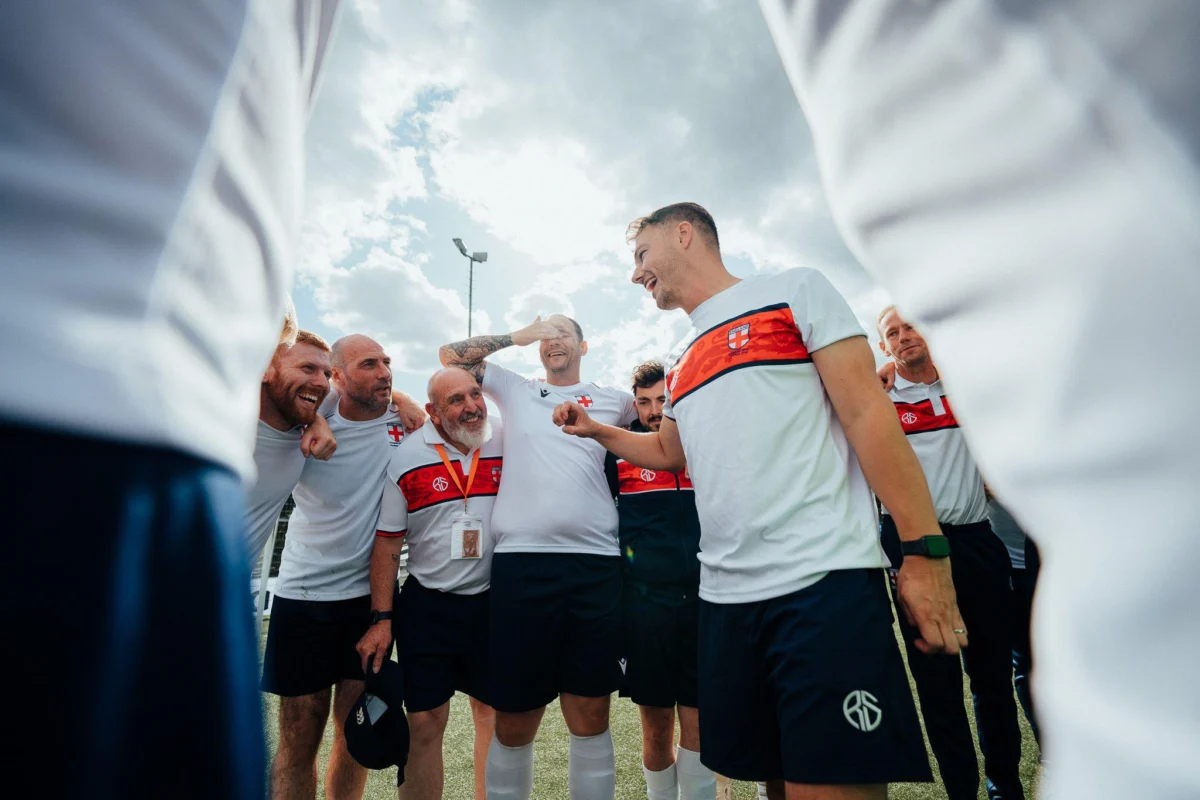
Fast forward to September 2026, and the narrative shifts dramatically. Jackson, now a vital member of the England Transplant team, not only returned to the sport he loved but excelled on the international stage. He scored a crucial goal in the final of the Transplant Football World Cup, helping England secure a resounding 5-1 victory over Spain. This triumph was particularly poignant as all participants, like Jackson, were organ transplant recipients, united by their shared experiences and their renewed lease on life.
The Transplant World Cup: A Celebration of Life and Sport
The Transplant Football World Cup, though distinct from the FIFA World Cup, holds immense significance for its participants. It is a platform that showcases the incredible capabilities of individuals who have undergone life-altering organ transplants. The tournament’s format is adapted to accommodate the unique physiological needs of the players. Matches are played in a seven-a-side format, with each half lasting 20 minutes. The intensity and physicality are adjusted, as Martyn Jackson, who previously played 11-a-side football, noted, "Contact is not as aggressive as I was used to." This modified approach allows players to compete while prioritizing their health and recovery.
The tournament itself serves as a powerful symbol of hope and a testament to medical advancements. It brings together individuals from various countries, all united by the common thread of organ donation. For many, participating in such an event is a dream realized, a chance to reclaim a sense of normalcy and purpose after a life-threatening illness.
A Journey from the Youth Academies to the Transplant Pitch

Martyn Jackson’s footballing pedigree is undeniable. His youth career was spent within the esteemed academy system of Manchester United, a club renowned for nurturing talent. He also had spells at other prominent clubs such as Blackburn Rovers, Preston North End, and Burnley. While his professional aspirations eventually shifted towards the non-league pyramid, where he spent 13 years, his passion for the game remained unwavering.
His wife, Lucy, played a pivotal role in his post-transplant journey. Upon hearing about the England Transplant FC team through social media, she recognized an opportunity to help Martyn find a new avenue for his athletic drive and to support his recovery. "She was just trying to do her best for him and trying to find a way to motivate him," said Daley Cross, the manager of the England Transplant team. Lucy’s intuition proved invaluable, as Martyn’s past connections to elite football quickly caught the attention of the team management.
Daley Cross elaborated on Jackson’s immediate impact: "His wife did drop in the conversation that he used to play at Manchester United as a schoolboy. So that got our ears twitched instantly. You could tell from him being on the pitch, even though he was so fresh into his journey, that he knew the football game and he would be such an incredible asset to us." Cross emphasized the team’s broader mission: "You can be in a dark place, at the time of diagnosis, through your treatment or even post-transplant. So to have us exist to help and inspire people means that we are getting some incredible footballers. And that really is the power of it: to that transplant community or to the world, showing people that when you’ve had organ failure, your life isn’t over. There is a chance for you, and you can go and resume and live your life."
The Lifeline of a Donor Heart and the Importance of Organ Donation
Jackson’s profound gratitude for his donor and their family is palpable. "I’ll be forever grateful to my donor and the family for what they’ve given me," he shared with BBC Sport. "They’ve given me the gift of life and the opportunity to live my life to the fullest." This sentiment is echoed by countless transplant recipients worldwide.

The case of myocarditis, as experienced by Jackson, can be a severe and life-threatening condition. While not as widely discussed as other heart conditions, it affects individuals of all ages and can lead to significant cardiac dysfunction, necessitating a transplant. The severity of Jackson’s condition required doctors to implement a mechanical pump to sustain him while he awaited a suitable donor heart. Reflecting on this critical period, Jackson stated, "Of course it was extremely scary, but at that stage, when you are critically ill, there’s not really much you can do about it. You have to accept it."
The "super urgent" waiting list for a heart transplant is the highest priority tier, reflecting the critical nature of these patients’ conditions. In the UK, this list typically has a very small number of individuals at any given time, often around four or five. Dr. Paul Callan, a consultant cardiologist at Wythenshawe Hospital’s Heart and Lung Centre, who was involved in Jackson’s care, provided crucial context on the transplant waiting list. He noted that the average wait time for patients on the urgent list has increased, now potentially up to 14 days, compared to an earlier average of seven days. Worryingly, he added, "Maybe 10% of patients who are put on the list get too poorly and have to be taken off the list." This statistic highlights the race against time that many transplant candidates face.
Declining Organ Donor Rates: A Growing Concern
Adding a layer of concern to these inspiring stories is the backdrop of declining organ donor rates in the UK. Recent figures indicate a 9% drop in organ donors in 2026 compared to the previous year. This has led to an all-time high of 8,700 people currently on the organ transplant waiting list, according to NHS Blood and Transplant.
In response to this critical situation, Organ Donation Week, running from September 21-28, has seen the NHS launch an urgent response plan aimed at reversing this worrying trend. The campaign emphasizes the vital need for individuals to discuss their organ donation wishes with their families and to register their decision.

Looking Ahead: A Message of Hope and Gratitude
Martyn Jackson has yet to meet the family of his donor but is contemplating reaching out around the two-year anniversary of his surgery. Such meetings can offer profound closure and connection for both donor families and recipients. Dr. Callan described Jackson’s recovery and subsequent World Cup win as "remarkable," underscoring the extraordinary nature of his journey.
The England Transplant team’s victory in Frankfurt was hard-fought, with the team defeating six other nations and scoring an impressive 36 goals throughout the tournament. However, beyond the scorelines and the trophy, the true victory lies in the opportunity for these individuals to simply play the sport they love, a privilege that organ donation has afforded them.
"It is so important to spread that message, have that conversation about organ donation," urged England manager Daley Cross. "Because our team only exists for that reason. I wouldn’t have 16 players to manage if we didn’t have organ donation. And England wouldn’t have just gone and won a World Cup." His words serve as a powerful reminder that every registered donor has the potential to create countless stories of triumph and resilience, transforming lives and inspiring hope for a healthier future. The story of Martyn Jackson is a beacon, illuminating the profound impact of a single decision and the extraordinary power of a second chance at life.