NASA is set to host a pivotal virtual webinar on Friday, October 2, 2026, at 2 p.m. EDT, specifically designed to engage the blind and low-vision community with the intricacies of the RS-25 engine and the ambitious trajectory of the Artemis missions. Titled "The RS-25 Engine and the Future of Artemis Missions: An Accessible Webinar for the Blind and Low-Vision Community," the event underscores the agency’s commitment to fostering inclusive access to space science and exploration. While tailored for a specific audience, the webinar is openly accessible to the general public, aiming to broaden the understanding and appreciation of lunar exploration endeavors across diverse demographics.
Webinar Structure and Engagement Opportunities
The two-hour virtual session, hosted on the Zoom platform, is meticulously structured to provide an enriching and interactive experience. A cornerstone of the event will be an audio-described video showcasing an RS-25 engine test, offering a multi-sensory understanding of the powerful propulsion system. This visual content, made accessible through detailed narration, exemplifies NASA’s dedication to making complex scientific processes comprehensible to individuals with visual impairments. Following the video presentation, attendees will have the unique opportunity to participate in a live Q&A session with an Artemis engineer, allowing for direct engagement with experts shaping the future of lunar exploration. This direct line to NASA specialists facilitates a deeper understanding of the technical challenges and triumphs inherent in such monumental projects. The webinar will conclude with a panel discussion focused on the broader topic of accessibility in space and science, bringing together voices dedicated to breaking down barriers and promoting inclusivity within STEM fields. While specific panel participants were not detailed in the initial announcement, such discussions typically feature experts in accessibility, education, and space exploration, providing valuable insights into ongoing efforts and future directions.
Registration and Contact Information
Prospective attendees are required to RSVP by Friday, September 25, 2026, utilizing a dedicated Google Form provided by NASA. This pre-registration process ensures that participants receive all necessary details and links for accessing the virtual event. Registrants will receive comprehensive webinar information via email in the days leading up to October 2. For any inquiries or further clarification regarding the webinar, individuals are encouraged to contact Thalia K. Patrinos directly via email at [email protected]. This direct line of communication further emphasizes NASA’s commitment to facilitating a smooth and accessible experience for all interested parties.
The RS-25 Engine: A Legacy of Power and Precision
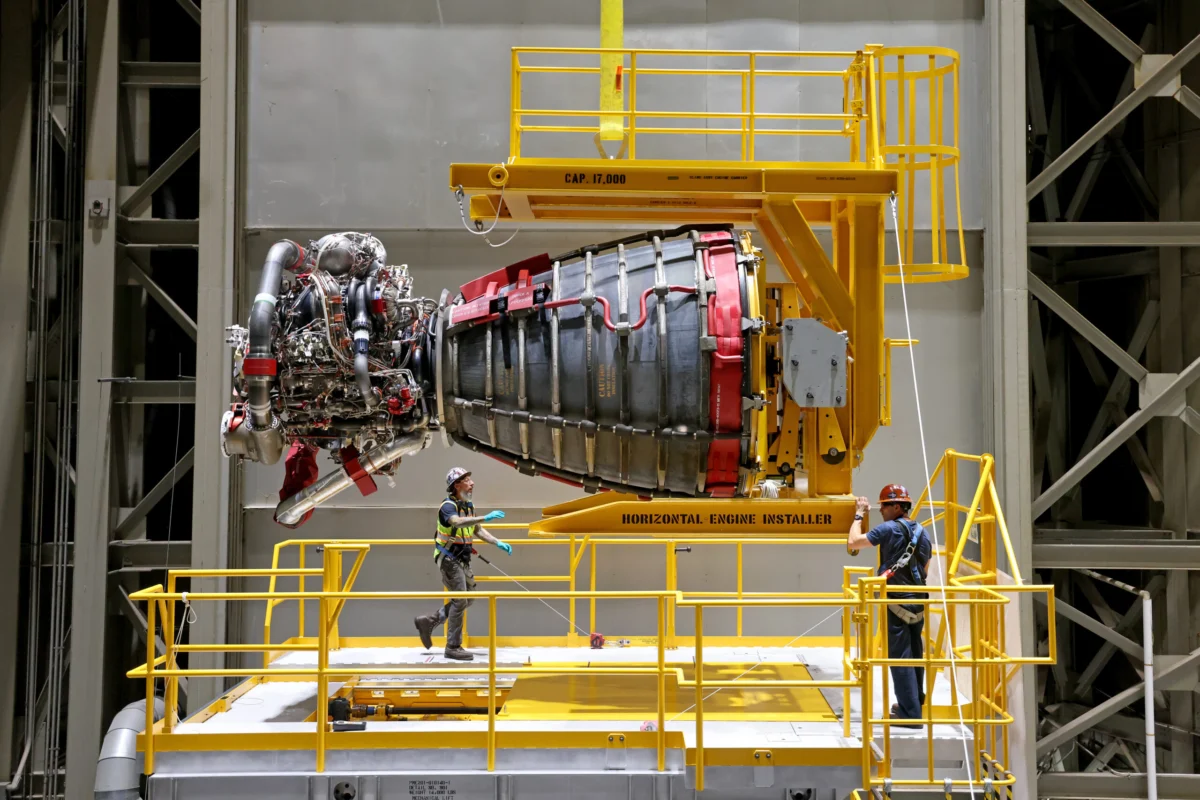
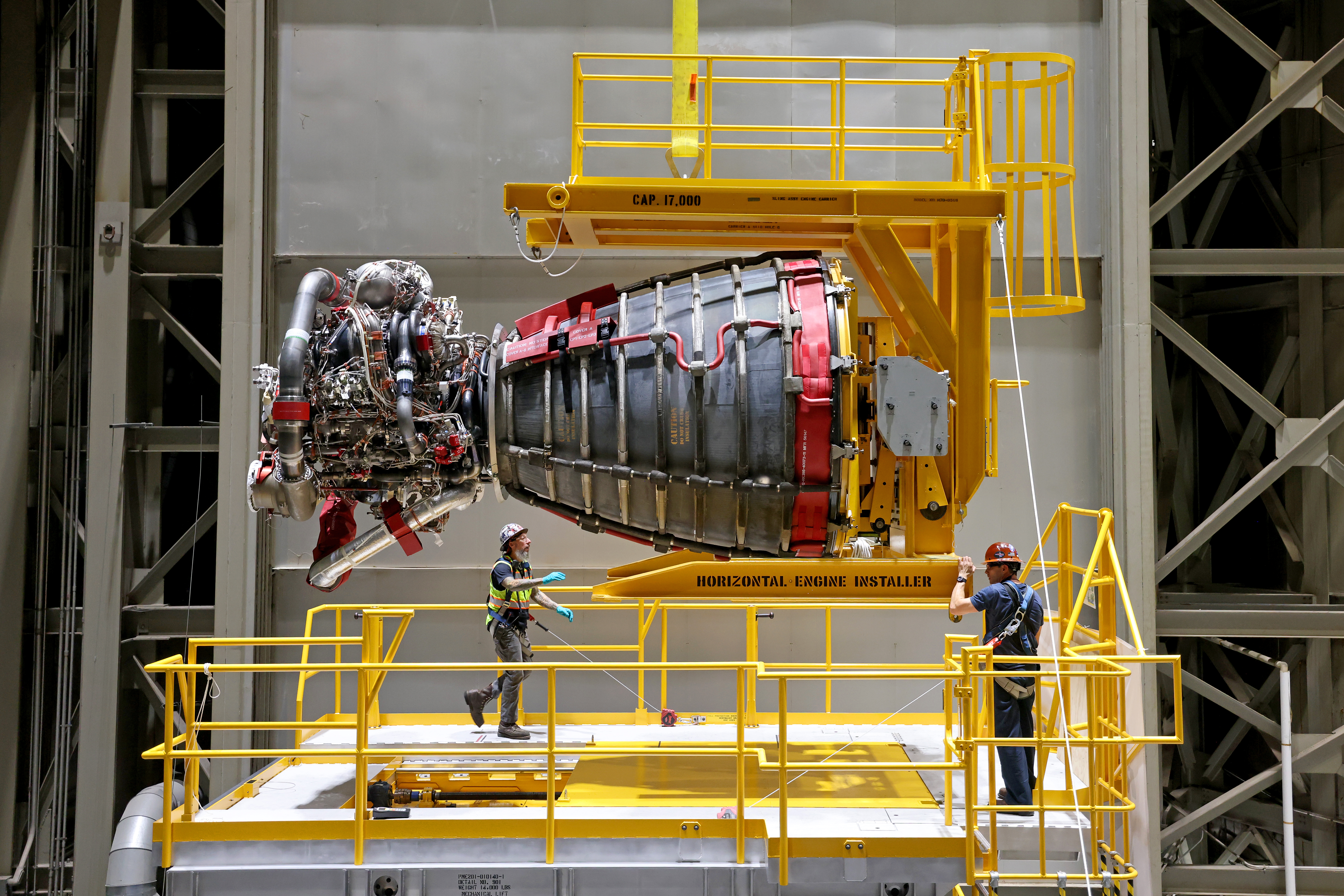
Central to the success of the Artemis missions is the RS-25 engine, a marvel of aerospace engineering with a storied history. Originally developed as the Space Shuttle Main Engine (SSME), these engines powered NASA’s Space Shuttle fleet for three decades, completing 135 missions between 1981 and 2011. Each RS-25 engine is a high-performance, liquid-propellant rocket engine, burning cryogenic liquid hydrogen and liquid oxygen. During the Space Shuttle era, these engines were designed for reusability, undergoing extensive refurbishment between flights. Each SSME delivered approximately 418,000 pounds of thrust at sea level and 512,000 pounds in a vacuum, making them among the most powerful and efficient engines ever built.
For the Space Launch System (SLS), the rocket designed to launch the Orion spacecraft and its crew on Artemis missions, four RS-25 engines are clustered at the base of the core stage. While they retain much of their original design, these engines have undergone significant upgrades for their role in SLS. These modifications include new engine controllers that enhance communication between the engine and the rocket’s flight computers, improving reliability and performance. Unlike their Space Shuttle predecessors, the RS-25 engines used on the initial SLS flights are expendable, meaning they are not recovered after launch. However, future iterations of the SLS might explore different propulsion strategies or recovery methods. Each SLS core stage, powered by these four RS-25 engines alongside two solid rocket boosters, generates a staggering 8.8 million pounds of thrust at liftoff, making it the most powerful rocket ever built by NASA. The selection of the RS-25 for SLS was a strategic decision, leveraging decades of proven performance, reliability, and manufacturing expertise, thereby reducing development risks and costs associated with designing an entirely new engine from scratch. This continuity in engine design also allowed for the utilization of a robust inventory of flight-proven engines and existing infrastructure.
The Artemis Program: Charting Humanity’s Return to the Moon and Beyond
The Artemis program represents NASA’s ambitious initiative to return humans to the Moon, establishing a sustainable presence on the lunar surface, and ultimately using these experiences as a springboard for future human missions to Mars. Named after the twin sister of Apollo in Greek mythology, Artemis symbolizes a new era of lunar exploration, one that seeks to land the first woman and first person of color on the Moon, reflecting a broader commitment to diversity and inclusion in space exploration.
The program is structured in a series of increasingly complex missions:
- Artemis I (completed in late 2022): This uncrewed test flight successfully launched the Orion spacecraft atop the SLS rocket, orbiting the Moon and returning safely to Earth. Its primary objective was to test the integrated systems of SLS and Orion under deep-space conditions, paving the way for future crewed missions.
- Artemis II (projected for 2024): This mission will see a crewed Orion spacecraft fly around the Moon, but without landing. It will validate the spacecraft’s life support systems and demonstrate critical maneuvers with astronauts on board, serving as a crucial dress rehearsal for a lunar landing.
- Artemis III (projected for 2025 or 2026): This is the mission that aims to land astronauts on the lunar South Pole, a region of particular scientific interest due to the potential presence of water ice in permanently shadowed craters. The mission will utilize a Human Landing System (HLS), with SpaceX’s Starship currently contracted for this purpose, to transport astronauts from Orion to the lunar surface and back.
Beyond these initial missions, the Artemis program envisions the establishment of a "Moon Base" or more accurately, a long-term lunar habitat and infrastructure, enabling sustained human presence and scientific research. This includes the development of the Lunar Gateway, a small space station orbiting the Moon that will serve as a multi-purpose outpost for astronauts, scientific research, and as a staging point for lunar surface missions and eventually, deeper space exploration. The scientific objectives of Artemis are vast, ranging from studying lunar geology and potential resources, particularly water ice for propellant and life support, to understanding the Moon’s formation and evolution, and using the lunar environment as a platform for astronomical observations. Economically, Artemis is designed to spur innovation, create jobs, and foster a new space economy, involving commercial partners in crucial roles from cargo delivery to human landing systems. Geopolitically, it reinforces U.S. leadership in space while fostering international partnerships, with countries like Canada, Japan, and European nations already contributing to the program.
NASA’s Commitment to Accessibility and STEM Engagement
The organization of a webinar specifically tailored for the blind and low-vision community is a clear demonstration of NASA’s unwavering commitment to diversity, equity, inclusion, and accessibility (DEIA) principles. NASA recognizes that true progress in scientific exploration requires the engagement and inspiration of all segments of society. By providing accessible content, the agency ensures that individuals with visual impairments are not merely observers but active participants in the unfolding narrative of space exploration.
Inferred statements from NASA officials would likely emphasize this commitment, with a spokesperson perhaps noting, "NASA’s mission of exploration and discovery is for all humanity. Ensuring that our groundbreaking work, from the powerful RS-25 engines to the ambitious Artemis missions, is accessible to everyone, regardless of their physical abilities, is paramount. This webinar is a testament to our belief that diversity in perspective and participation enriches our scientific endeavors and inspires the next generation of explorers and innovators from every background."
Such initiatives are part of a broader strategy to democratize access to STEM (Science, Technology, Engineering, and Mathematics) education and careers. NASA has consistently invested in various accessibility programs, including creating tactile models of celestial bodies, offering American Sign Language (ASL) interpretation for significant events, and developing digital resources compliant with accessibility standards. The use of audio description for videos, as planned for this webinar, is a crucial tool for conveying visual information to those who cannot see it, ensuring a comprehensive understanding of complex processes like rocket engine tests. Virtual platforms like Zoom have played a transformative role in enhancing accessibility, allowing individuals to participate from anywhere, overcoming geographical and logistical barriers that might otherwise prevent attendance at in-person events.
The Broader Impact of Inclusive Outreach in STEM
The implications of accessible outreach extend far beyond the immediate engagement of specific communities. By actively including individuals with disabilities, NASA helps to dismantle systemic barriers that have historically limited participation in STEM fields. This proactive approach inspires a new generation of scientists, engineers, and astronauts from all walks of life, demonstrating that careers in space and science are within reach for everyone. It fosters a more inclusive culture within STEM, promoting the understanding that diverse perspectives lead to more innovative solutions and richer scientific discoveries.
The "Space for All" ethos championed by NASA signifies a fundamental shift in how space exploration is perceived and executed. It acknowledges that the challenges of venturing into the cosmos require a collective human effort, drawing on the talents and insights of every individual. Accessible webinars, like the one focused on the RS-25 and Artemis, serve as powerful symbols of this ethos, sending a clear message that the marvels of space exploration belong to everyone and that the opportunity to contribute to humanity’s future in space is universally offered. This not only enriches the lives of those directly engaged but also cultivates a more scientifically literate and engaged public, which is crucial for continued support of ambitious government-funded research and exploration programs.
The Future Trajectory of Artemis and Human Spaceflight
The Artemis program is not merely a return to the Moon; it is a foundational step toward an enduring human presence beyond Earth. The experiences gained in developing lunar habitats, utilizing in-situ resources (like lunar ice), and operating in a deep-space environment will be invaluable for future missions to Mars. Establishing a sustainable Moon Base is envisioned as a "proving ground" where technologies, operational procedures, and human endurance can be tested and refined before undertaking the far more challenging multi-year journey to the Red Planet.
International collaboration is a hallmark of the Artemis program, building on the successful model of the International Space Station (ISS). Partner nations are contributing modules for the Lunar Gateway, scientific instruments, and expertise, reinforcing global cooperation in space exploration. This collaborative spirit ensures that the benefits of space exploration are shared, and the burdens of its immense challenges are distributed.
Ultimately, the human element of Artemis is perhaps its most profound aspect. Returning to the Moon after half a century is not just about scientific discovery or technological prowess; it is about rekindling humanity’s innate drive to explore, to push boundaries, and to inspire wonder. It reinforces our capacity for grand endeavors and reminds us of our place in the cosmos. The accessible webinar on the RS-25 engine and Artemis missions serves as a vital bridge, ensuring that this inspiration and knowledge are shared broadly, empowering all individuals to dream of the stars and potentially contribute to reaching them. Through such inclusive initiatives, NASA reinforces that the future of space exploration is a shared journey, open to every mind and every perspective.