

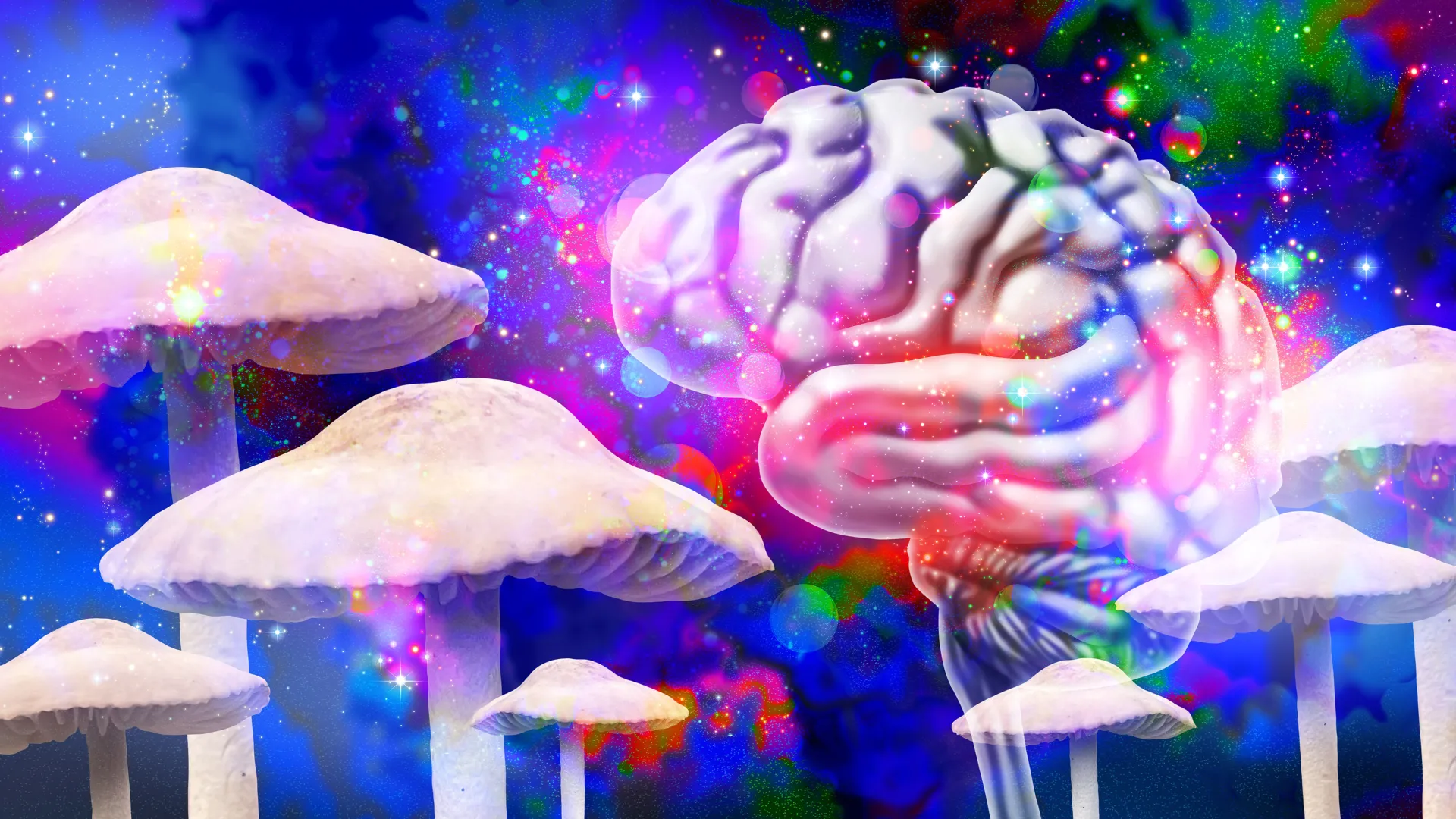
A single dose of psilocybin, the naturally occurring psychedelic compound found in magic mushrooms, can induce detectable physical changes in the brain that persist for up to a month, according to groundbreaking research conducted by scientists at the University of California, San Francisco (UCSF) and Imperial College London. This discovery, published in the esteemed journal Nature Communications, sheds significant light on the neurobiological underpinnings of psilocybin’s observed therapeutic benefits for conditions such as depression, anxiety, and addiction, even in individuals with no prior psychedelic experience or diagnosed mental health conditions.
The Entropic Brain: A New Frontier in Psychedelic Research
The core of this investigation centered on a phenomenon termed "brain entropy," a measure of the variety and unpredictability of neural activity. Researchers observed that psilocybin temporarily increases brain entropy, suggesting a more flexible and diverse pattern of brain communication. This enhanced neural dynamism, the study posits, may be directly linked to the profound psychological insights reported by participants, and that the subjective psychedelic experience itself plays a crucial role in initiating longer-lasting positive changes in mental well-being.
A significant finding within the study was the correlation between the magnitude of entropy increase in the hours following a high dose of psilocybin and the degree of emotional insight experienced by participants the subsequent day. Crucially, individuals who reported greater insight were demonstrably more likely to experience sustained improvements in their overall well-being one month later, underscoring a clear pathway from acute brain changes to lasting psychological benefits.
"The term ‘psychedelic’ itself means ‘psyche-revealing,’ or making the psyche visible," explained senior author Robin Carhart-Harris, PhD, the Ralph Metzner Distinguished Professor of Neurology at UCSF. "Our data provides compelling evidence that these experiences of psychological insight are intimately connected to an entropic quality of brain activity. Furthermore, we see how both of these elements contribute to subsequent improvements in mental health. This strongly suggests that the psychedelic ‘trip’ – and its corresponding neural correlates – is a fundamental component of how psychedelic therapy exerts its beneficial effects."
Illuminating Neural Pathways: A Rigorous Experimental Design
To meticulously investigate psilocybin’s impact, the research team employed a sophisticated multi-modal approach, assessing brain activity, connectivity, and structure. Measurements were taken at three key junctures: prior to psychedelic administration, during the peak of the acute experience, and again at a one-month follow-up. This comprehensive timeline allowed for the observation of both immediate and enduring effects.
The study involved 28 healthy adult volunteers who had no prior history of psychedelic use and no diagnosed mental health conditions. This careful selection enabled the researchers to perform a broader range of assessments than might have been feasible in a clinical population, providing a cleaner baseline understanding of psilocybin’s fundamental neurobiological effects.
The experimental protocol was designed in two phases. Initially, participants received a low dose of psilocybin, 1 mg, which served as a placebo. During this phase, their brain activity was monitored using electroencephalography (EEG), a non-invasive technique that records electrical signals from the scalp. Following this initial phase, participants underwent a series of psychological evaluations to assess insight, well-being, and cognitive performance over the subsequent weeks. Concurrently, functional magnetic resonance imaging (fMRI) was utilized to study brain activity patterns, and diffusion tensor imaging (DTI) was employed to examine the structural integrity and connectivity of neural pathways.
Several weeks later, the same participants were administered a higher, 25 mg dose of psilocybin, sufficient to induce a powerful psychedelic experience. Brain activity was again recorded via EEG during the acute effects of this dose. The psychological and neuroimaging assessments were then repeated over the following weeks, mirroring the procedures from the first phase. This controlled, within-subject design was critical for directly comparing the effects of a full psychedelic dose against the more subtle effects observed after the placebo administration.
Psilocybin’s Tangible Impact: Increased Brain Entropy and Neural Integrity
Within just 60 minutes of ingesting the 25 mg dose of psilocybin, EEG recordings unequivocally demonstrated a significant increase in brain entropy. This finding strongly indicates that the brain, under the influence of psilocybin, was operating in a more dynamic and information-rich state, capable of generating and processing a wider spectrum of neural signals.
Further investigation at the one-month follow-up using DTI revealed compelling structural changes. The researchers observed that neural tracts, the communication highways of the brain, appeared to be denser and exhibited greater integrity. DTI functions by tracking the diffusion of water molecules along these neural pathways, providing a measure of their structure and organization. This observed pattern of increased neural density and integrity was noteworthy as it represented the opposite of changes typically associated with aging, where neural tracts often become more diffuse and less connected.
While the precise functional implications of these structural findings require further elucidation, the researchers highlighted their significance as a novel indication that psychedelics may induce lasting physical alterations in brain architecture. This opens up new avenues for understanding how these compounds can facilitate enduring therapeutic benefits.
Lasting Gains: Enhanced Insight, Well-being, and Cognitive Flexibility
The psychological impact of the high-dose psilocybin experience was profound. Within 24 hours, 27 out of the 28 participants described the experience as the most unusual state of consciousness they had ever encountered, with the remaining participant ranking it among their top five most extraordinary experiences.
Beyond the subjective intensity, participants reported substantially greater psychological insight following the 25 mg dose compared to the 1 mg placebo. This insight was not fleeting; measures of well-being showed marked improvement two and four weeks after the high-dose psilocybin administration. These improvements were assessed through self-report questionnaires, including statements related to optimism about the future and effective coping mechanisms for daily challenges.
Moreover, one month post-experiment, participants demonstrated enhanced performance on a test of cognitive flexibility, a key indicator of the brain’s ability to adapt thinking and respond to evolving information. This finding suggests that psilocybin can facilitate a more adaptable and less rigid cognitive style.
"Psilocybin appears to loosen up stereotyped patterns of brain activity, effectively giving individuals the capacity to revise entrenched patterns of thought," stated Taylor Lyons, PhD, a research associate at Imperial College London and the first author of the paper. "The fact that these observed neural changes correlate with reported insight and improved well-being is particularly exciting and provides a strong biological basis for its therapeutic potential."
The Psychedelic Experience as a Catalyst for Change
The study further elucidated the mechanism by which the psychedelic experience may drive these therapeutic outcomes. Participants who exhibited the most significant increases in brain entropy during the acute phase following psilocybin administration were also those who reported the greatest psychological insight the following day. This enhanced insight, in turn, was strongly associated with more substantial improvements in overall well-being at the one-month mark. This chain of events – increased brain entropy leading to psychological insight, which then drives lasting well-being – offers a compelling model for understanding psychedelic therapy.
These findings hold significant implications for the refinement of psilocybin-assisted therapies for individuals grappling with mental health conditions. The ability to correlate dose with specific neural and psychological outcomes could enable clinicians to tailor treatments more precisely, optimizing the dose to foster meaningful insight and therapeutic change without inducing unnecessarily overwhelming experiences.
"We already possessed a strong understanding that psilocybin could be a valuable tool for treating mental illness," Dr. Carhart-Harris remarked. "However, this research has significantly deepened our comprehension of the underlying mechanisms, providing concrete neurobiological evidence for how these benefits are achieved."
Broader Implications and Future Directions
The research team’s work contributes to a growing body of evidence suggesting that psychedelics, when administered in controlled therapeutic settings, can offer profound and lasting benefits. The identification of specific neural changes, such as increased brain entropy and enhanced neural integrity, provides a scientific framework for these observed psychological improvements.
Future research will likely focus on further dissecting the precise molecular and cellular mechanisms underlying these observed structural changes. Understanding how psilocybin influences neuroplasticity, the brain’s ability to reorganize itself by forming new neural connections, will be crucial. Furthermore, larger-scale clinical trials with diverse patient populations are essential to confirm and expand upon these findings, paving the way for regulatory approval and wider clinical integration of psilocybin-assisted therapy.
The philanthropic support from organizations such as the Centre for Psychedelic Research at Imperial College London, the Alex Mosley Charitable Trust, and the Beckley Foundation, alongside dedicated professorships and departmental funding at UCSF, has been instrumental in advancing this cutting-edge field of research. The collaborative efforts of scientists across institutions are crucial for unlocking the full therapeutic potential of psychedelic substances and offering new hope for individuals struggling with mental health challenges.
The implications extend beyond individual treatment. This research contributes to a paradigm shift in how mental health is understood and treated, moving towards interventions that facilitate profound shifts in consciousness and perception to promote healing. The "trip," once relegated to recreational use, is now being scientifically validated as a potent therapeutic tool, mediated by tangible, measurable changes in the very fabric of the brain.