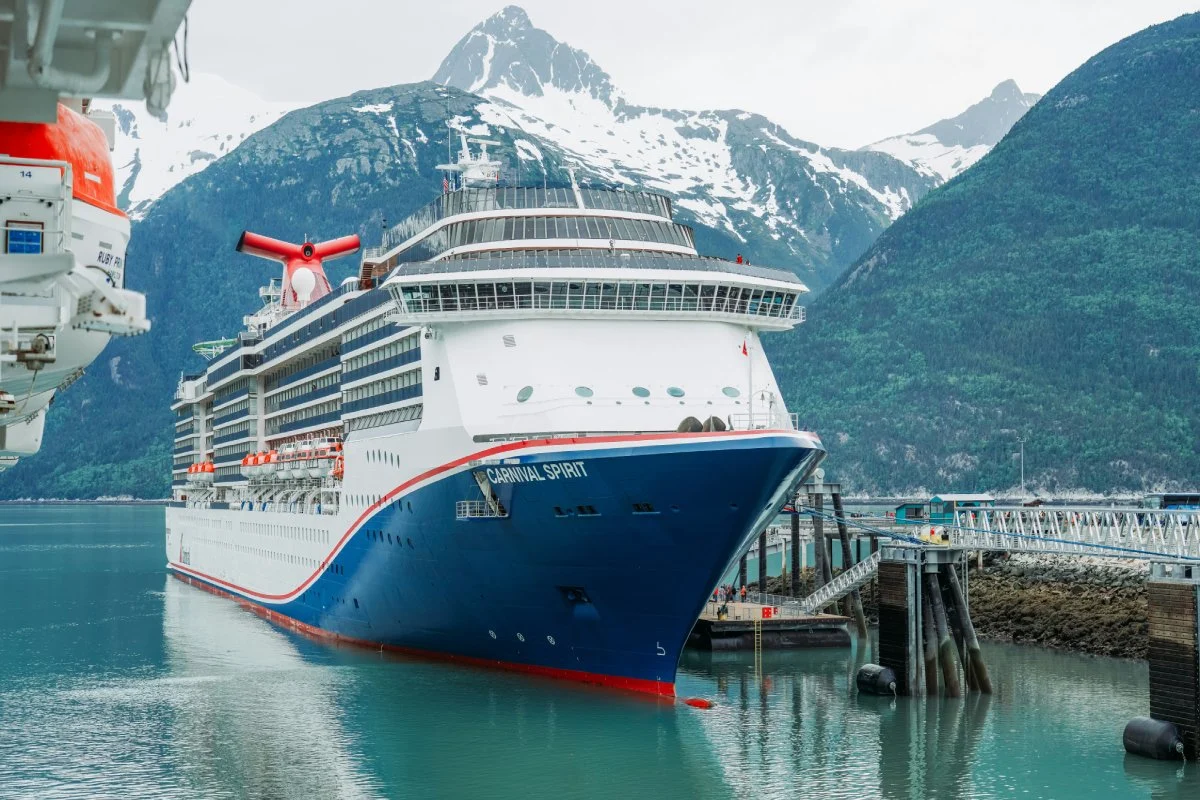
The American travel industry is bracing for a robust conclusion to the summer season as new data from AAA and Bank of America indicates a significant uptick in domestic and international bookings for the Labor Day holiday weekend. Despite a summer characterized by fluctuating economic indicators and a "resilient but uneven" travel landscape, the latest research suggests that the appetite for exploration remains a primary driver of consumer spending. According to AAA’s holiday forecast, many Americans are finalizing plans for one last seasonal excursion, with a notable preference for cruise-related destinations and gateway cities to the national park system.
The surge in activity marks a critical pivot point for the travel sector, which has navigated a complex post-pandemic environment. While the early months of the year were defined by high-income "revenge travel" and a preference for long-haul international flights, the Labor Day period highlights a return to classic domestic staples, bolstered by a burgeoning cruise market. Destinations such as Seattle, Washington; Anchorage, Alaska; and Vancouver, British Columbia, have emerged as top-tier locations, primarily due to their status as essential hubs for the Alaska cruise season. Simultaneously, inland destinations like Las Vegas, Nevada, and Denver, Colorado, continue to draw crowds as travelers seek proximity to the expansive national parks of the American West.
The Cruise Resurgence and Regional Hubs
The prominence of Pacific Northwest and Alaskan gateways in this year’s Labor Day data underscores the extraordinary recovery and growth of the cruise industry. For many travelers, the end of summer represents the final opportunity to experience the glaciers and wilderness of the north before the seasonal transition. Seattle and Vancouver have seen their port facilities operate at near-peak capacity, reflecting a broader trend where travelers are opting for "all-inclusive" experiences to mitigate the impact of inflation on individual meal and entertainment costs.
In the Intermountain West, the popularity of Denver and Las Vegas suggests that the "Great Outdoors" trend, which peaked during the pandemic, has established a permanent foothold in the American travel psyche. Denver serves as the primary entry point for Rocky Mountain National Park, while Las Vegas provides a convenient base for excursions to the Grand Canyon, Zion, and Bryce Canyon. This trend indicates that travelers are increasingly looking for a hybrid experience—combining the amenities of major metropolitan areas with the restorative benefits of nature.
Analyzing the 2024 Summer Travel Trajectory
To understand the current Labor Day surge, it is necessary to examine the broader context of the 2024 summer season. Research from Bank of America recently revealed that approximately 77% of Americans planned to travel this summer, a measurable increase from the 74% recorded during the same period in the previous year. This growth occurred despite persistent concerns regarding inflation, high interest rates, and the overall cost of living.
The summer of 2024 was marked by a "K-shaped" spending pattern, a term economists use to describe a divergence in consumer behavior based on income levels. Throughout the early summer months, travel spending was heavily weighted toward high-income households, who remained relatively insulated from the pressures of rising costs. These consumers prioritized luxury accommodations and international itineraries, particularly in Europe and Japan. Conversely, lower-income households showed more restraint, often opting for shorter, more localized trips or delaying travel altogether.
However, Bank of America’s August findings suggest a shift in this dynamic. The gap between high-income and lower-income travel spending has begun to narrow. This contraction suggests that lower-income households, while still price-sensitive, have adjusted their budgets to accommodate travel as a "non-negotiable" lifestyle component. The stabilization of gas prices in certain regions and a slight cooling in domestic airfare costs have provided the necessary breathing room for a broader segment of the population to participate in the Labor Day exodus.
A Chronology of the 2024 Summer Season
The path to the Labor Day peak has been defined by several distinct phases throughout the year:
- The Memorial Day Kickoff (May): The season began with record-breaking TSA throughput numbers, signaling that the demand for travel had not yet reached its ceiling. Early bookings were dominated by domestic theme parks and beach destinations.
- The International Pivot (June–July): As temperatures rose, a significant portion of the American traveling public headed overseas. This period saw record-breaking crowds in major European capitals, driven by a strong U.S. dollar and a desire for cultural experiences.
- The Mid-Summer Cooling and Economic Reassessment (Late July): Mid-summer data showed a slight softening in hotel occupancy rates in some domestic markets, as the initial "revenge travel" wave began to normalize. This period was characterized by more last-minute bookings and a heightened focus on value.
- The Labor Day Surge (August–September): The current phase represents a consolidation of demand. With the school year beginning in many states, the Labor Day weekend has become the definitive "last hurrah," with a focus on efficiency, proximity, and pre-packaged experiences like cruises.
Supporting Data and Economic Indicators
The resilience of the travel sector is further supported by broader economic indicators. While the Consumer Price Index (CPI) has shown fluctuations, the "Experience Economy" continues to outperform the goods-producing sector. According to industry analysts, consumers are increasingly prioritizing "memories over materials," a psychological shift that has benefited airlines, hotels, and tour operators.
Data from the Transportation Security Administration (TSA) consistently shows passenger volumes exceeding 2019 levels, often surpassing 2.5 million screenings per day during peak periods. Additionally, AAA reports that gas prices, while higher than historical averages, have remained stable enough to encourage road trips. For the Labor Day weekend, the average road trip distance is expected to remain within a 300-to-500-mile radius for the majority of travelers, highlighting the importance of regional tourism.
The cruise industry, in particular, has seen a record-breaking year. Major carriers have reported that booking windows are extending further into the future, with many ships reaching 100% occupancy months in advance. The appeal of the cruise is multifaceted: it offers a controlled cost environment, multiple destinations without the need for repetitive packing, and a variety of activities that appeal to multi-generational family groups—a demographic that is particularly active during the Labor Day holiday.
Official Responses and Industry Sentiment
Industry leaders have expressed cautious optimism regarding the end-of-season performance. In recent earnings calls, executives from major airlines and hotel chains have noted that while the "frenzy" of post-pandemic travel has subsided, it has been replaced by a more stable and predictable demand.
"We are seeing a normalization of the market," stated one senior analyst at a major travel brokerage. "The extreme peaks and valleys we saw in 2022 and 2023 are smoothing out. What we are seeing now is a consumer who is savvy, who looks for value, but who is ultimately committed to traveling. Labor Day is the perfect example of this—it’s a calculated, intentional period of spending."
Public officials have also weighed in on the logistics of the holiday. The Department of Transportation (DOT) has issued reminders to airlines regarding passenger rights and the necessity of maintaining staffing levels to avoid the systemic delays that plagued previous holiday weekends. Similarly, the National Park Service (NPS) has encouraged visitors to utilize reservation systems where applicable, as the influx of travelers to sites like Zion and the Rocky Mountains is expected to reach capacity.
Broader Impact and Future Implications
The trends observed during this Labor Day weekend have significant implications for the fourth quarter of 2024 and the beginning of 2025. The narrowing of the K-shaped spending gap suggests that the travel industry may see a more egalitarian distribution of demand during the Thanksgiving and Christmas periods. If lower-income households continue to re-enter the travel market, it could provide a secondary boost to mid-tier hotel brands and regional attractions that do not typically cater to the ultra-luxury segment.
Furthermore, the continued strength of the cruise and national park sectors indicates a long-term shift in consumer preferences. Travelers are increasingly seeking "effortless" travel—experiences where the logistics are managed by a third party or where the primary draw is the natural environment rather than a man-made attraction. This shift may force urban destinations to rethink their value propositions to remain competitive.
As the sun sets on the 2024 summer season, the Labor Day surge stands as a testament to the enduring importance of travel in American life. Despite economic headwinds and the evolving nature of consumer spending, the desire to explore, relax, and connect with others remains a powerful force. The industry’s ability to adapt to these shifting patterns—moving from the high-income luxury of early summer to the broader, cruise-and-park-centric demand of late August—will be the defining story of the year’s financial performance. For now, the roads are packed, the ports are full, and the American traveler is, once again, on the move.