The British automotive industry is currently navigating one of the most tumultuous periods in its century-long history, as the pressure to transition to electric propulsion clashes with the harsh realities of consumer demand and global economic headwinds. The launch of a formal government consultation on the Zero Emission Vehicle (ZEV) mandate marks a pivotal moment for the sector, following months of intense lobbying from manufacturers who warn that the current trajectory is not only unsustainable but potentially catastrophic for the UK’s industrial base. While the government remains committed to its net-zero ambitions, the evidence suggesting a need for a tactical retreat on short-term targets has become increasingly difficult to ignore.
At the heart of the debate is the ZEV mandate, a legislative framework introduced to ensure a steady increase in the proportion of electric vehicles sold by manufacturers. However, the disconnect between legislative ambition and market readiness has created a multi-billion-pound deficit for car makers, who are forced to choose between paying exorbitant fines or heavily subsidizing vehicles to meet arbitrary quotas. As the consultation begins, the industry is calling for a "pragmatic recalibration" that balances environmental goals with the economic survival of a sector that employs hundreds of thousands of people across the country.
The Mechanics of the ZEV Mandate and the Compliance Gap
The ZEV mandate, which became law in early 2024, established a sliding scale of requirements for car manufacturers. In its inaugural year, 22% of all new cars sold by a manufacturer were required to be zero-emission. This figure was designed to rise annually, reaching 28% in 2025, 33% in 2026, and eventually 80% by 2030, culminating in a 100% requirement by 2035. For every vehicle sold outside of these proportions, manufacturers face a staggering fine of £15,000.
While the framework was intended to provide "certainty" for investors and infrastructure providers, the actual market performance has lagged behind these legislative milestones. Data from the Society of Motor Manufacturers and Traders (SMMT) indicates that while the fleet market—supported by generous benefit-in-kind tax incentives—has embraced EVs, the private retail market has stagnated. High interest rates, concerns over residual values, and a public perception of an inadequate charging infrastructure have left private buyers hesitant.
To bridge this "compliance gap," manufacturers have been forced to engage in aggressive discounting. Industry insiders report that some brands are offering incentives worth upwards of £5,000 to £8,000 per vehicle just to move electric stock and avoid the £15,000 penalty. This practice, while helpful for short-term compliance, is eroding profit margins and draining capital that would otherwise be invested in future research and development or the upgrading of UK manufacturing facilities.
A Chronology of UK Electric Vehicle Policy
The current crisis is the result of a shifting policy landscape that has seen multiple changes in direction over the last five years. Understanding how the UK arrived at this juncture is essential for contextualizing the current consultation.
- November 2020: The government under Boris Johnson announced a "Green Industrial Revolution," which included a ban on the sale of new petrol and diesel cars by 2030, with hybrids allowed until 2035. This was one of the most ambitious targets in the world.
- January 2024: The ZEV mandate officially came into force. This provided the legal mechanism to enforce the transition, moving away from voluntary targets to a strict credit-based system.
- September 2023: In a significant policy pivot, then-Prime Minister Rishi Sunak pushed back the ban on new internal combustion engine (ICE) sales from 2030 to 2035, aligning the UK with the European Union. However, the ZEV mandate percentages remained largely unchanged, creating a confusing "mixed signal" for the industry.
- July 2024: Following the General Election, the new Labour government reaffirmed its commitment to the 2030 deadline for the end of pure ICE sales, though it suggested that certain highly efficient hybrids might still be permitted until 2035.
- August 2026: The current consultation is launched. After two years of mandate operation, the financial strain on legacy manufacturers has reached a breaking point, leading to urgent calls for the softening of interim targets to prevent plant closures and job losses.
The Financial Toll on Manufacturers and the UK Economy
The financial implications of the current mandate are profound. For a major manufacturer selling 100,000 cars a year in the UK, a 5% shortfall in ZEV targets translates to a £75 million fine. When aggregated across the entire industry, the potential liability runs into the billions.
Furthermore, the mandate has created an uneven playing field. Pure-EV manufacturers, such as Tesla and various emerging Chinese brands, generate a surplus of credits which they can sell to legacy manufacturers like Ford, Volkswagen, or Stellantis. This effectively results in a wealth transfer from established manufacturers with large UK footprints to overseas competitors who often have lower overheads and do not support the same level of domestic employment.
The "billions in pain" cited by car makers and importers refer not just to fines, but to the total cost of compliance. This includes the cost of "forced" marketing, the devaluation of used EV stock which impacts finance providers, and the opportunity cost of lost investment. There is a growing fear that if the UK remains an outlier with targets that are significantly more aggressive than the organic market demand, global headquarters will divert production away from British plants toward regions with more flexible regulatory environments.
Official Responses and Stakeholder Perspectives
The consultation has drawn a wide array of responses from across the automotive and environmental spectrum. The SMMT, representing the UK automotive industry, has been vocal about the need for consumer-led transitions rather than mandate-led ones.
"We are fully committed to a zero-emission future, but you cannot mandate consumer demand," an SMMT spokesperson stated. "The industry has invested billions in the technology, but the government must now do its part by providing the right incentives for private buyers and ensuring the charging network is ahead of the curve, not playing catch-up. Without a softening of the interim targets, we risk permanent damage to the UK’s industrial capacity."
Conversely, environmental groups and some infrastructure providers argue that easing the targets would be a regressive step. Organizations like Transport & Environment (T&E) argue that the mandate is the only tool effective enough to force manufacturers to bring lower-priced EVs to the market. They contend that any dilution of the ZEV mandate would signal a lack of climate leadership and discourage investment in the UK’s charging network.
Government officials, meanwhile, are walking a tightrope. A Department for Transport spokesperson noted: "The government is listening to the concerns of the automotive sector. Our goal is to ensure the UK remains a world leader in EV manufacturing while meeting our legally binding net-zero targets. This consultation is about finding the most effective path forward that supports both the environment and the economy."
Broader Implications for the UK Manufacturing Base
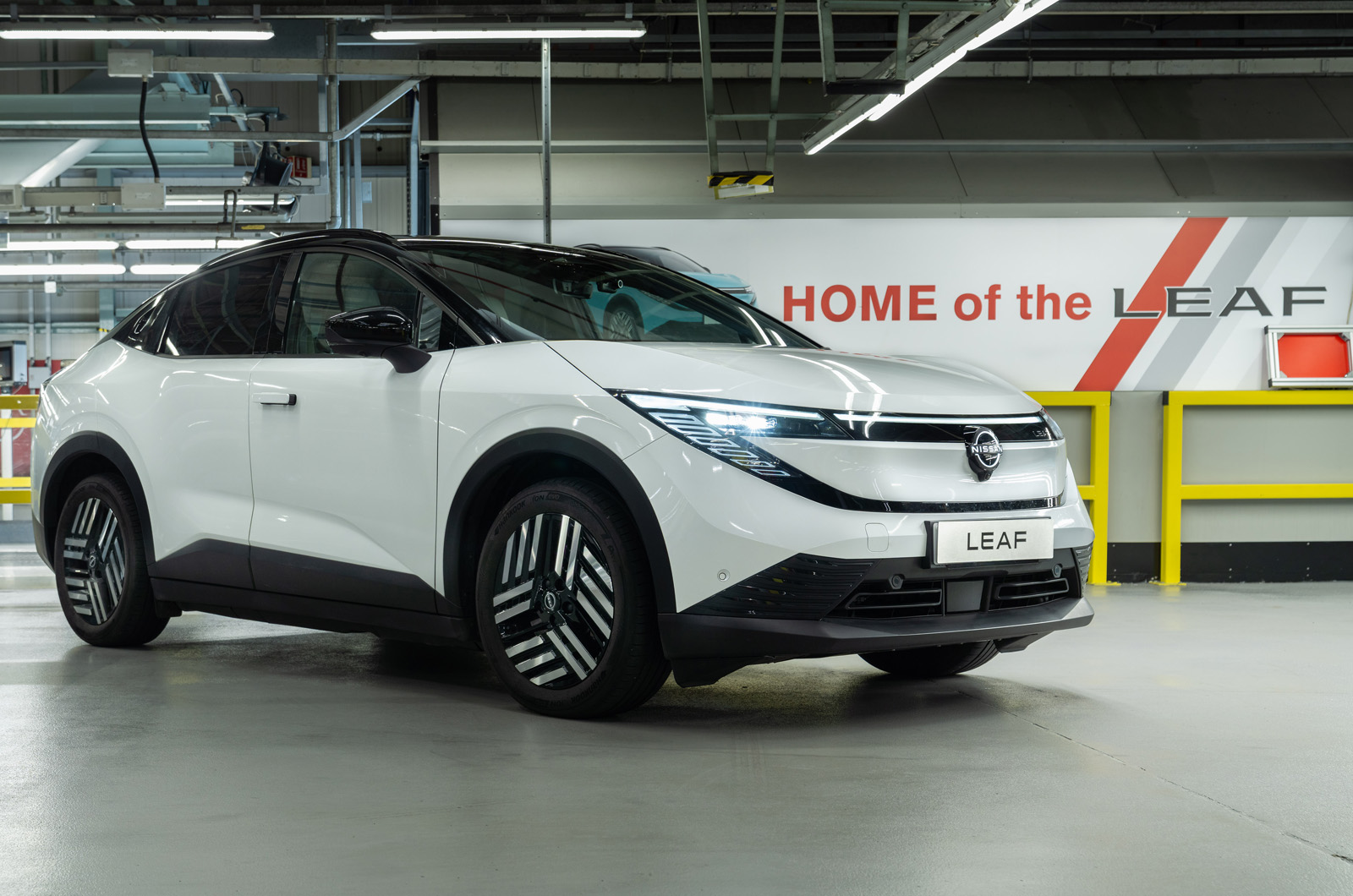
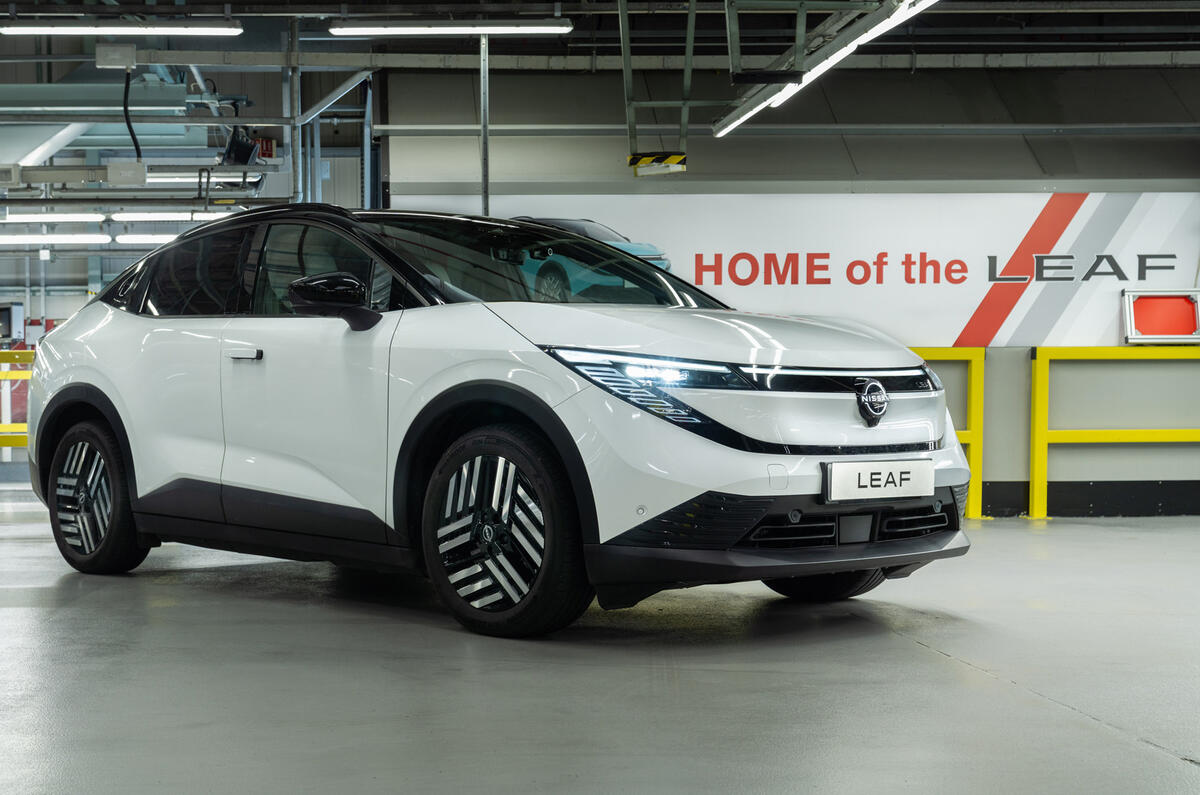
The stakes of this consultation extend far beyond the showroom floor. The UK is home to several major vehicle and component manufacturing sites, including Nissan in Sunderland, Toyota in Burnaston, and Stellantis plants in Ellesmere Port and Luton. These facilities are integral to their local economies and the national export balance.
If manufacturers are forced to pay heavy fines for selling ICE or hybrid vehicles that the public still wants to buy, their ability to sustain UK operations is compromised. In 2025, Stellantis leadership hinted that the future of its UK plants could be at risk if the ZEV mandate was not made more flexible, citing the "hostile" regulatory environment.
There is also the issue of the "Electric Divide." Current EV adoption is heavily skewed toward wealthier households and corporate fleets. For the average "working person," an EV remains significantly more expensive than a comparable petrol or hybrid car. By forcing the market to move faster than the technology’s natural cost-reduction curve, the government risks making car ownership an elite privilege, which has significant political and social ramifications.
Analysis of Potential Solutions and the Path Forward
The consultation is expected to explore several "middle ground" options that could provide relief to the industry without abandoning the 2030/2035 goals. These include:
- Credit Flexibility: Allowing manufacturers to "borrow" credits from future years or carry over surpluses for longer periods to smooth out the transition.
- Fine Reduction: Lowering the £15,000 per-car penalty to a more manageable level that encourages compliance without threatening insolvency.
- Hybrid Inclusion: Re-evaluating the role of Plug-in Hybrids (PHEVs). If PHEVs were given more weight within the mandate, manufacturers could meet targets using technology that is currently more palatable to the general public.
- Consumer Incentives: Reintroducing grants for private buyers, specifically targeted at entry-level EVs, to stimulate the "organic" demand that the mandate currently lacks.
As the consultation progresses, the government must weigh the risk of missing environmental milestones against the risk of an industrial exodus. The UK automotive industry is a jewel in the nation’s manufacturing crown, but it is a jewel that requires a stable and realistic policy environment to shine. The "clear and urgent" need for change cited by industry experts suggests that the ZEV mandate, in its current form, may be an example of policy outrunning reality.
In conclusion, the outcome of this consultation will determine the shape of the British roads for decades to come. While the destination of a zero-emission transport network remains the ultimate goal, the speed of the journey must be calibrated to ensure that the UK’s automotive industry—and the consumers it serves—actually makes it to the finish line in one piece. The coming months will reveal whether the government is prepared to embrace the pragmatism required to protect one of its most vital economic sectors.