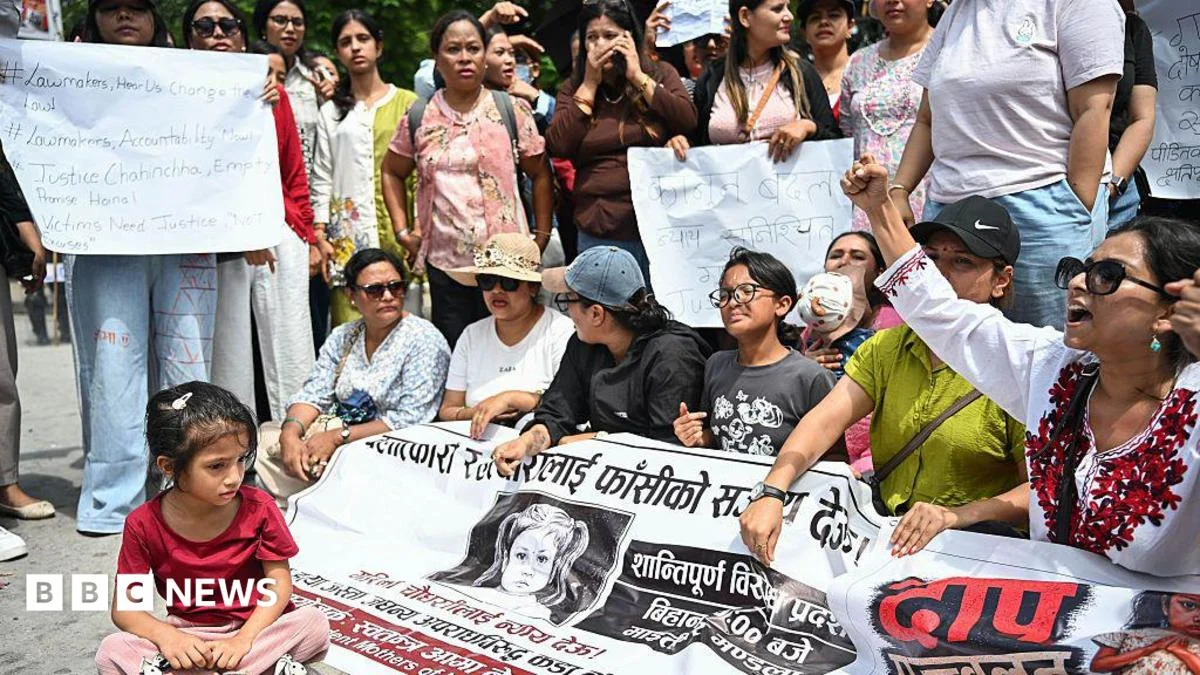
Activists and politicians across Nepal have issued an urgent call to the government, demanding the enactment of tougher laws and comprehensive reforms in the wake of the alleged rape and murder of a three-year-old girl, an incident that has ignited widespread outrage and sustained protests throughout the country. The tragic discovery of the child’s body last week, three days after her disappearance from Madhesh province, has triggered a national reckoning over child safety, judicial processes, and police accountability. The case, which has seen nine arrests, has not only exposed critical shortcomings in the justice system but has also prompted a heated debate on the appropriateness of harsher penalties for minors involved in serious crimes, alongside scrutiny of police conduct after footage of a teenage suspect was controversially leaked online.
The Tragic Incident and Immediate Aftermath
The ordeal began when the three-year-old girl, whose identity has been withheld out of respect for her family, went missing from her home in Madhesh province in the early part of last week. A frantic search by family members and local communities ensued, but hope quickly turned to despair when her lifeless body was discovered three days later. The grim discovery sent shockwaves through the local community and rapidly escalated into a national tragedy, sparking an immediate outpouring of grief and anger. Initial reports indicated signs of sexual assault and brutal violence, which further intensified public fury.
The incident quickly galvanized public opinion, leading to spontaneous demonstrations that began in the city of Simara, where the victim’s family resides. These initial protests, characterized by candlelight vigils and peaceful marches, soon transformed into more vocal and widespread demonstrations as the full horror of the crime became apparent. Citizens demanded immediate justice for the young victim and accountability for those responsible, underscoring a deep-seated frustration with perceived impunity and the slow pace of justice in similar cases.
Chronology of Events and Investigation
Following the girl’s disappearance, local police in Madhesh province initiated a search operation, though the effectiveness of these initial efforts would later come under scrutiny. The discovery of her body triggered a formal murder investigation, leading to the swift apprehension of nine individuals suspected of involvement in the heinous crime. A local police spokesman confirmed the arrests to the BBC, indicating significant progress in identifying potential perpetrators. However, the investigation was marred by accusations of negligence in its initial stages, particularly concerning the handling of evidence and coordination with the community.
The public’s trust in the investigative process was further eroded by the leakage of a video onto social media platforms. The footage, reportedly showing a teenage suspect giving a statement while in police custody, sparked outrage and raised serious questions about police ethics, procedural fairness, and the protection of individuals, particularly minors, under investigation. This breach of protocol fueled existing public discontent, shifting some of the focus from the crime itself to the conduct of law enforcement agencies.
In response to escalating protests and growing public pressure, the victim’s family, supported by community leaders and activists, held a crucial meeting with government ministers over the weekend. This meeting culminated in a written agreement, a significant step towards addressing the immediate demands for justice and acknowledging the severity of the incident. This development marked a pivotal moment, signaling the government’s recognition of the national gravity of the situation and its commitment to take concrete action.
A Nation’s Outcry: Protests and Demands for Justice
The protests, initially localized to Simara, rapidly spread to other major cities and towns across Nepal, reflecting a collective national grief and an insistent demand for systemic change. Thousands took to the streets, carrying placards calling for "Justice for [Victim’s Name]" and "End Violence Against Children." Demonstrators, comprising students, women’s rights organizations, human rights activists, and concerned citizens, chanted slogans demanding swift and exemplary punishment for the culprits, greater police accountability, and the immediate enactment of stronger legislative measures to protect children.
The demonstrations highlighted a widespread belief that existing laws are insufficient or inadequately enforced to deter such heinous crimes. Calls for reform extended beyond simply increasing penalties, encompassing demands for faster judicial processes, improved forensic capabilities, better victim support services, and comprehensive awareness campaigns to address the root causes of violence against women and children. Civil society organizations played a crucial role in mobilizing public sentiment and articulating specific policy recommendations, transforming raw anger into a focused movement for justice.
Government’s Response and Commitments
The meeting between the victim’s family and government ministers represented a critical juncture. The written agreement secured over the weekend outlined specific commitments from the government. Foremost among these was a promise to conduct a thorough review of existing laws pertaining to serious offences, with a view to strengthening legal provisions and ensuring more stringent penalties for crimes such as rape and murder, particularly when committed against minors. This commitment addresses a core demand from the protesting public and reflects an acknowledgment that current legal frameworks may not be adequate to prevent or appropriately punish such atrocities.
Furthermore, the government pledged to establish a memorial in honour of the deceased child, a symbolic gesture intended to recognize the profound loss and to serve as a perpetual reminder of the need for child protection. While the full details of the agreement have not been publicly disclosed, it is understood to include provisions aimed at expediting the judicial process for this specific case and ensuring transparency in the ongoing investigation. Government officials have emphasized their commitment to upholding the rule of law and restoring public trust in the justice system, recognizing the widespread disillusionment that has emerged from the incident.
The Legislative Landscape and Calls for Reform
The incident has opened a broader and more urgent debate over Nepal’s existing legal framework, particularly concerning sexual offences and the treatment of young offenders. Currently, Nepal operates under a civil law system, with a focus on rehabilitation for juvenile offenders. While the age of criminal responsibility is generally set at 10 years, the justice system traditionally applies more lenient approaches for minors, emphasizing correctional measures over punitive ones. This approach, while aligned with international juvenile justice standards, has come under intense scrutiny in the context of grave crimes like rape and murder involving minors as perpetrators.
Campaigners are now advocating for a re-evaluation of these provisions, pushing for harsher punishments for minors convicted of rape or murder, arguing that the severity of the crime should override traditional considerations for juvenile offenders. This push for tougher penalties, however, is met with nuanced perspectives from human rights advocates. Prominent human rights activist Gauri Pradhan, while unequivocally condemning the attack as a "very painful incident" and urging the government to "punish anyone involved in such atrocious act" and pursue "serious efforts for wider reforms," cautioned against the introduction of the death penalty. Pradhan’s stance reflects a broader human rights perspective that emphasizes due process, rehabilitation where appropriate, and systemic reform over extreme punitive measures that may violate international human rights norms. The debate highlights the complex balance between societal demand for retribution and adherence to established legal and ethical principles regarding juvenile justice.
Systemic Challenges: Police Conduct and Public Trust
The investigation into the alleged rape and murder has been marred by significant challenges, not least the accusations of negligence against the police in the initial stages. Critics argue that the delay in the search operation or insufficient immediate action contributed to the tragic outcome. However, the most damaging blow to public trust came with the leakage of a video featuring a teenage suspect. The video, widely circulated on social media, showed the individual reportedly giving a statement about the suspected murder while under police custody. This incident immediately sparked outrage and raised serious questions about how such sensitive footage could be released from police control.
Chief District Officer of Bara district, Dharmendra Kumar Mishra, addressed the controversy, confirming that an internal investigation had identified "one police personnel directly involved in the [leak]" and that "action against him" had been initiated. Mishra further stated, "If more officers are found, they will also be punished. We have zero tolerance against such practice." This firm stance aims to restore confidence in the police force and reassure the public that procedural breaches will not be tolerated. However, the incident has inevitably damaged public perception of police integrity and professionalism, underscoring the urgent need for enhanced training in evidence handling, media protocols, and ethical conduct within law enforcement agencies. The leakage not only compromises the integrity of the investigation but also violates the privacy and rights of the individual concerned, regardless of their alleged involvement in the crime.
Alarming Statistics: The Broader Context of Sexual Violence
The tragic incident has also brought into sharp focus the alarming prevalence of sexual violence in Nepal. Data from the Nepalese Police reveals a disturbing trend: between July 2017 and July 2025 (a period spanning eight fiscal years), more than 25,500 accusations of rape and sexual abuse were filed across the country. These figures, while shocking, are likely to represent only a fraction of the actual incidents, given the significant underreporting of sexual crimes due to social stigma, fear of reprisal, and lack of faith in the justice system.
Even more distressing is the breakdown of these statistics by age. Of the more than 25,500 cases, over 3,200 female victims were under the age of 10. This statistic starkly illustrates the extreme vulnerability of young children to sexual predators and underscores a profound societal failure to protect its most innocent members. The high number of child victims points to a deep-rooted problem that goes beyond individual criminal acts, suggesting systemic issues such as lack of awareness, inadequate child protection mechanisms, and potentially, cultural factors that perpetuate cycles of violence and silence. The concentration of such crimes against young girls demands targeted interventions, including comprehensive sex education, robust child protection policies, accessible reporting mechanisms, and specialized support services for child victims.
Implications and The Path Forward
The alleged rape and murder of the three-year-old girl has cast a long shadow over Nepal, forcing a national introspection into its legal, social, and law enforcement systems. The immediate implications include an intensified push for legislative reform, potentially leading to amendments in the Penal Code and the Juvenile Justice Act to address the severity of crimes against children. Such reforms will need to be carefully crafted to balance the public’s demand for justice with international human rights standards and the principles of juvenile justice.
Beyond legislation, the incident highlights the critical need for significant investment in strengthening the entire justice delivery chain. This includes enhancing the capacity of law enforcement agencies through better training in forensic investigation, sensitive handling of victims, and strict adherence to ethical protocols. The judiciary also faces pressure to expedite trials for sexual offenses, ensuring timely justice for victims and deterring potential perpetrators. Furthermore, there is an urgent call for improved victim support services, including psychological counseling, legal aid, and safe shelters, particularly for child survivors.
On a broader societal level, the tragedy underscores the imperative for public awareness campaigns aimed at changing deeply ingrained attitudes towards gender-based violence and child protection. Education initiatives targeting parents, communities, and children themselves are essential to foster a culture of safety, respect, and zero tolerance for abuse. Civil society organizations will continue to play a vital role in advocacy, monitoring government commitments, and providing grassroots support to affected communities. The incident serves as a stark reminder that the protection of children is a collective responsibility, demanding concerted efforts from the government, law enforcement, civil society, and every individual citizen to ensure that such a tragedy is never repeated.
The nation now stands at a crossroads, with the opportunity to translate collective grief and anger into meaningful, lasting change. The path forward demands not just tougher laws, but a fundamental shift in societal attitudes, robust institutional reforms, and an unwavering commitment to safeguarding the rights and safety of every child in Nepal. The memory of the three-year-old victim now serves as a poignant symbol of this ongoing struggle for justice and protection.