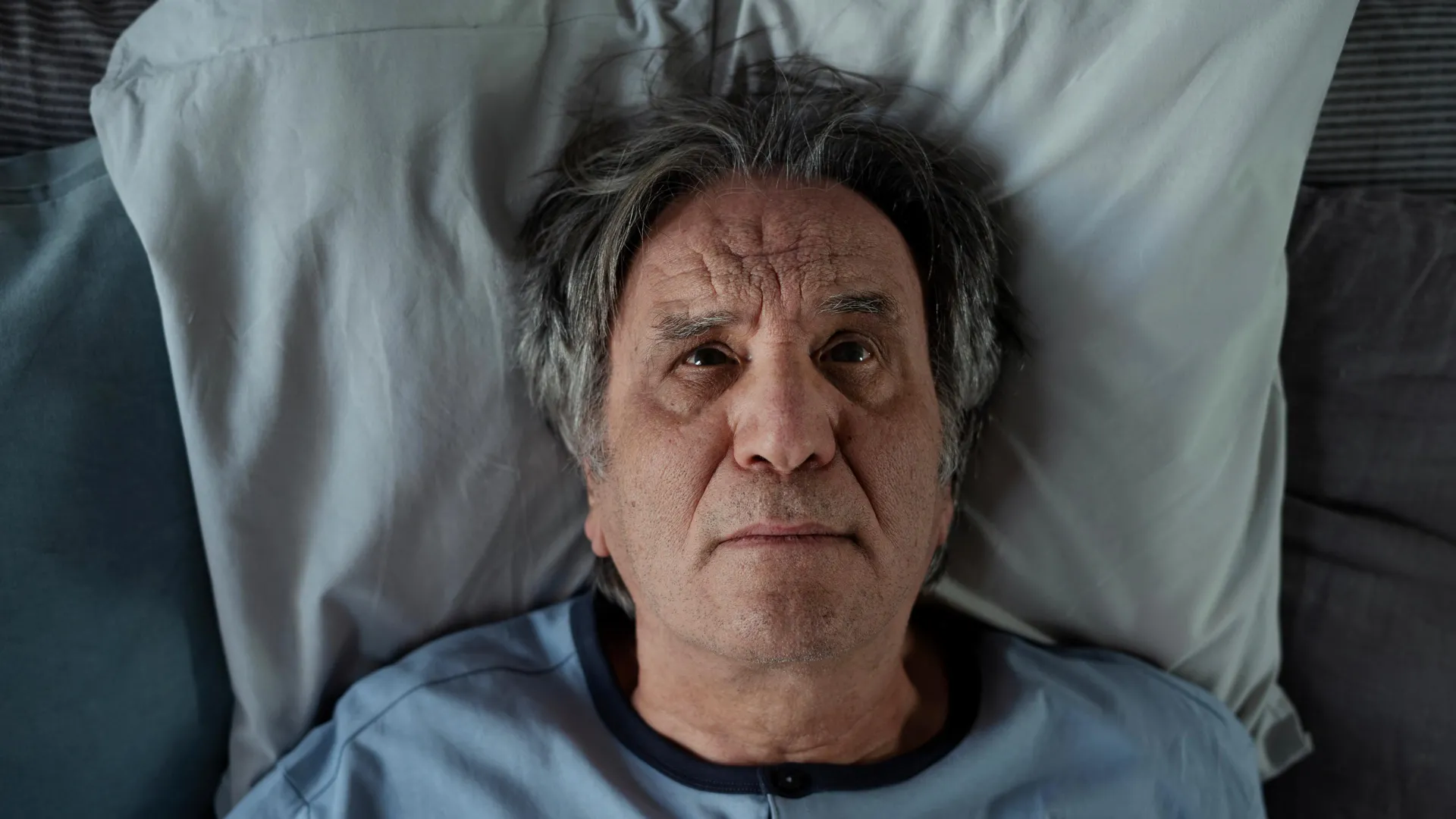
A groundbreaking new analysis of biological aging across the human body has revealed a striking U-shaped relationship between sleep duration and the aging process, suggesting that both insufficient and excessive sleep are associated with accelerated biological aging in nearly every organ system. The comprehensive study, published in the prestigious journal Nature, utilized sophisticated organ-specific aging clocks to demonstrate that deviating from an optimal sleep window can impact the brain, heart, lungs, immune system, and beyond, and is further linked to a wide spectrum of diseases.
This research significantly expands upon previous findings that primarily focused on the brain’s aging and its pathological burden in relation to sleep. "Our study goes further and shows that too little and too much sleep are associated with faster aging in nearly every organ, supporting the idea that sleep is important in maintaining organ health within a coordinated brain-body network, including metabolic balance and a healthy immune system," stated study leader Junhao Wen, an assistant professor of radiology at Columbia University Vagelos College of Physicians and Surgeons. The implications of this work are profound, suggesting that sleep duration may be a modifiable lifestyle factor with far-reaching consequences for overall health and longevity.
Unveiling Biological Clocks: A New Lens on Organ Aging
The scientific community’s understanding of aging has been revolutionized by the development of "aging clocks." These sophisticated tools, often leveraging machine learning algorithms, analyze various biological markers—ranging from proteins detected in minimally invasive blood tests to structural data from medical imaging—to estimate an individual’s biological age. This biological age can then be compared to their chronological age, offering insights into whether they are aging at an accelerated or decelerated rate.
While many existing aging clocks provide a single, holistic measure of bodily aging, this new research highlights a critical nuance: different organs can age at disparate rates. A readily observable example of this phenomenon is the natural decline in ovarian function, which directly influences the biological clock associated with female fertility. Recognizing this organ-specific variability, Wen and his team have been at the forefront of developing aging clocks that are tailored to individual organs. This granular approach promises to deliver more precise and potentially personalized health assessments.
"Everyone is excited by these aging clocks and their ability to predict disease and mortality risk," Wen commented. "But to me, the more exciting question is, can we link aging clocks to a lifestyle factor that can be modified in time to slow aging?" This question served as the impetus for the current investigation, with sleep emerging as a prime candidate for exploration due to its established and multifaceted role in maintaining overall health. Wen’s personal experience as a light sleeper also added a layer of individual motivation to the research endeavor.
The Genesis of Organ-Specific Aging Clocks and the Sleep Inquiry
The development of the organ-specific aging clocks employed in this study was a meticulous process. Researchers harnessed data from approximately half a million participants enrolled in the UK Biobank, a massive biomedical database containing genetic, lifestyle, and health information. Using advanced machine learning techniques, the team identified distinct biological signatures associated with aging within various organs.
To construct these clocks, a diverse array of biological information was integrated. This included structural measurements derived from medical imaging, specific proteins known to be indicative of organ health, and a range of molecules detectable in blood samples. The multi-layered approach allowed for a more comprehensive assessment of aging within each organ system. "In the liver, for example, we have an aging clock built with protein data, an aging clock of metabolic data, and an aging clock of imaging data," Wen explained. "This allows us to see whether sleep is distinctively associated with aging clocks derived from multiple omics and molecular layers."
Once these robust, organ-specific aging clocks were established for 17 distinct organ systems, the researchers turned their attention to sleep. They meticulously compared the self-reported sleep durations of the UK Biobank participants with the biological age estimates generated by the 23 developed aging clocks. This comparative analysis was designed to uncover any potential correlations between how much individuals slept and the biological age of their various organs.
The U-Shaped Curve: Optimal Sleep Window Revealed
The analysis yielded a consistent and compelling pattern across the studied organ systems: a distinct U-shaped curve emerged when correlating sleep duration with biological aging. Individuals who reported consistently sleeping for fewer than six hours per night, as well as those who slept for more than eight hours per night, tended to exhibit faster rates of biological aging across multiple organs.
Conversely, the study identified an optimal sleep window. Participants who reported sleeping between 6.4 and 7.8 hours each day demonstrated the lowest levels of biological aging. This finding suggests that a moderate, consistent sleep duration is most conducive to maintaining youthful biological function across the body.
It is crucial to note that the researchers emphasize that these findings do not definitively establish causality. The study does not assert that sleeping too little or too much directly causes organs to age faster. Instead, the observed associations suggest that these sleep patterns may serve as indicators or markers of underlying poorer health, which in turn could contribute to accelerated biological aging. This distinction is vital for understanding the complex interplay between lifestyle, health status, and the aging process.
Sleep Duration and its Widespread Disease Associations
Beyond its direct impact on biological aging, the study also illuminated a broad and significant connection between sleep duration and the prevalence of a wide array of diseases. These associations underscore the pervasive influence of sleep on physiological well-being.
Mental Health: Short sleep durations were found to be significantly associated with depressive episodes and anxiety disorders. This finding aligns with a substantial body of existing research that has consistently linked insufficient sleep to compromised mental health. The disruption of sleep can profoundly impact mood regulation, cognitive function, and emotional resilience, making individuals more vulnerable to these conditions.
Metabolic and Cardiovascular Health: For short sleepers, the study identified strong links to obesity, type 2 diabetes, and hypertension. These chronic conditions are often intertwined, forming a cluster of metabolic dysfunctions that significantly increase the risk of cardiovascular disease. Furthermore, short sleep was also associated with ischemic heart disease and heart arrhythmias, highlighting the detrimental effects of sleep deprivation on the heart’s structure and function.
Respiratory and Digestive Health: Both short and long sleep durations were linked to chronic obstructive pulmonary disease (COPD) and asthma. These respiratory conditions can be exacerbated by sleep disturbances, and conversely, impaired breathing during sleep can worsen sleep quality, creating a vicious cycle. The study also revealed associations between sleep duration and several digestive disorders, including gastritis and gastroesophageal reflux disease (GERD). Sleep plays a role in regulating digestive processes, and disruptions can lead to increased inflammation and discomfort.
"The broad brain-body pattern is important because it tells us that sleep duration is a deeply embedded part of our entire physiology, with far-reaching implications across the body," Wen emphasized. This holistic perspective reinforces the notion that sleep is not an isolated bodily function but rather an integral component of a complex, interconnected physiological network.
Exploring the Link to Late-Life Depression: Mediation Analysis
The development of organ-specific aging clocks also opened new avenues for understanding the intricate relationship between sleep and individual diseases. The researchers specifically explored how sleep duration might be connected to late-life depression, a condition that can significantly impair quality of life in older adults.
Initially, the study faced the common challenge of establishing causality: it was unclear whether differences in sleep duration led to late-life depression or if depression itself altered sleep patterns. To disentangle this complex relationship, the team employed "mediation analysis." This statistical technique allows researchers to examine whether biological aging acts as an intermediary factor explaining the observed association between sleep duration and depression.
The results of this advanced analysis offered nuanced insights. Short sleep appeared to be more directly linked to the burden of late-life depression. In contrast, long sleep’s influence on depression seemed to operate through pathways reflected in the aging clocks for the brain and adipose (fat) tissue. This suggests that different biological mechanisms may underlie the association between varying sleep durations and the development of depression in later life.
"This has a strong implication for future sleep management and future therapeutics," Wen stated. "Our study suggests there may be different biological pathways between long and short sleepers that lead to the same outcome, late-life depression, and we shouldn’t treat them the same way." This finding has significant implications for clinical practice, suggesting that personalized interventions tailored to the specific sleep patterns and underlying biological mechanisms of individuals may be more effective in preventing and treating late-life depression.
Broader Implications and Future Directions
The findings of this comprehensive study carry substantial weight for public health recommendations and individual lifestyle choices. The clear identification of an optimal sleep window, coupled with the documented risks associated with both insufficient and excessive sleep, provides compelling evidence for prioritizing healthy sleep habits.
Public Health Messaging: This research provides a strong scientific basis for public health campaigns aimed at promoting adequate sleep. Moving beyond simple recommendations to "get enough sleep," the findings suggest that a more nuanced message emphasizing a target sleep duration of approximately 6.4 to 7.8 hours per night could be beneficial.
Personalized Medicine: The development of organ-specific aging clocks, and their application to lifestyle factors like sleep, paves the way for more personalized health interventions. Future research could leverage these clocks to identify individuals at higher risk for age-related diseases based on their sleep patterns and biological aging profiles, allowing for proactive and targeted preventive strategies.
Therapeutic Development: The discovery of potentially distinct biological pathways linking long and short sleep to depression has significant implications for the development of novel therapeutic approaches. Future treatments for late-life depression may need to consider these differing underlying mechanisms, leading to more effective and individualized care.
Further Research: While this study represents a significant leap forward, further research is warranted to fully elucidate the causal relationships and biological mechanisms involved. Longitudinal studies that track individuals over extended periods, incorporating detailed sleep monitoring and biological assessments, will be crucial for confirming these findings and deepening our understanding of how sleep influences the aging process. Investigations into the specific molecular and cellular changes that occur with different sleep durations, and how these relate to organ health, are also essential next steps.
In conclusion, the Columbia University-led research published in Nature offers a powerful testament to the fundamental role of sleep in maintaining biological youthfulness and overall health. By meticulously dissecting the relationship between sleep duration and organ-specific aging, the study provides valuable insights that can inform public health strategies, guide individual health decisions, and spur the development of more effective medical interventions. The quest for the optimal sleep sweet spot is not merely about feeling rested; it is about safeguarding the long-term health and vitality of our bodies.