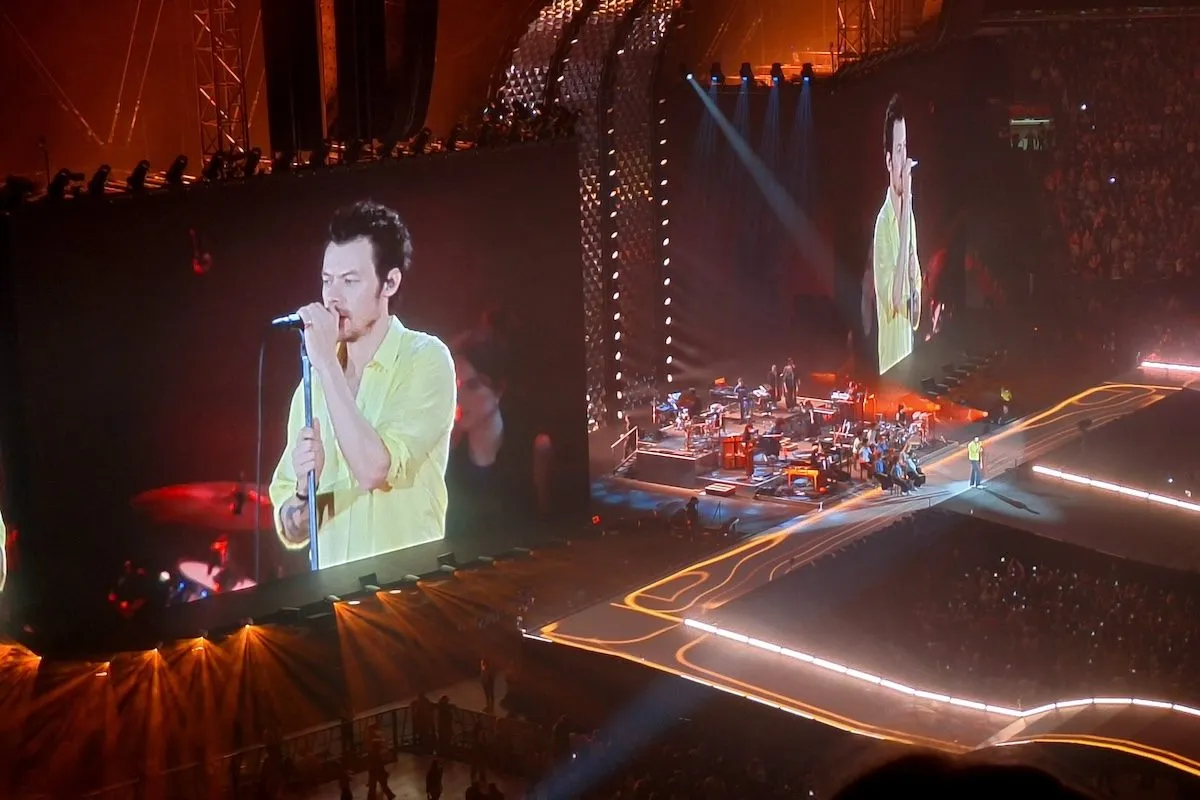
The hospitality and tourism landscape of New York City is preparing for a significant economic infusion as global pop icon Harry Styles prepares to launch a high-profile, 30-show residency at Madison Square Garden. This extended engagement, part of the "Together, Together" world tour, is scheduled to commence on August 26, marking a pivotal moment in what has already been an extraordinary year for the city’s post-pandemic economic recovery. Following a summer defined by the FIFA World Cup, a historic championship run by the New York Knicks, and the cultural phenomenon of Taylor Swift’s wedding, the Styles residency is positioned to provide a sustained boost to the city’s hotels, short-term rentals, and local retail sectors.
While the "Together, Together" tour may not match the sheer geographic scale of Taylor Swift’s Eras Tour, its concentrated format in Manhattan presents a unique set of opportunities for the local economy. By anchoring the production in a single venue for two months, the residency model encourages "event tourism," where fans from across the globe travel to a specific destination, often staying for multiple days and contributing significantly to the local hospitality infrastructure.
The Residency Model and New York’s Summer Momentum
The 30-show New York City leg follows a string of successful international appearances in major hubs, including Amsterdam, London, São Paulo, and Mexico City. However, the decision to host a 60-day residency in a single venue reflects a growing trend in the music industry: the "hub-and-spoke" tour model. For New York City, this means a predictable, high-volume influx of visitors over a sustained period, rather than a brief, two-night spike in demand.
According to Didio Pequeno, CoStar’s director of hospitality market analytics, the residency is entering a market that is already performing at peak levels. "New York’s had a very strong year anyway," Pequeno noted. "Occupancy is pretty high. ADR [average daily rate] is pretty high. RevPAR [revenue per available room] is really high. So I think this could just potentially add to that."
The timing of the residency is particularly fortuitous. Traditionally, the late summer and early autumn periods see a transition from leisure travel to business travel. By securing a major cultural event that spans August and September, the city effectively bridges the gap, ensuring that hotel occupancy remains at near-capacity levels throughout the seasonal shift.
Hospitality Metrics: Analyzing ADR and RevPAR Trends
To understand the impact of the Styles residency, it is essential to examine the current state of the New York City hotel market. Throughout the current fiscal year, the city has seen a robust recovery in its key performance indicators (KPIs).
- Occupancy Rates: NYC has consistently outperformed other major U.S. markets, with occupancy frequently exceeding 85% during peak event windows. The "Together, Together" residency is expected to push these figures toward the 90-95% range on concert nights, particularly during weekends.
- Average Daily Rate (ADR): The surge in demand driven by back-to-back major events has allowed hotel operators to maintain pricing power. Analysts predict that the Harry Styles residency could drive ADR in Midtown Manhattan up by an additional 10-15% compared to the same period in the previous year.
- Revenue Per Available Room (RevPAR): As the ultimate measure of hotel health, RevPAR has reached historic highs in the city. The compounding effect of high occupancy and elevated ADR suggests that the third and fourth quarters of the year will see record-breaking revenue for the hospitality sector.
Short-term rental operators are also expected to see a significant windfall. Despite New York City’s stringent regulations on short-term rentals (Local Law 18), the demand for "group travel" accommodations—often preferred by younger fans traveling in cohorts—remains high. This has led to a premium on legal hotel suites and multi-room accommodations, further driving up the city’s overall hospitality revenue.
Comparing the Economic Footprint: Styles vs. The Eras Tour
Any discussion of modern concert economics must inevitably reference Taylor Swift’s Eras Tour. With 149 shows across 51 cities, the Eras Tour generated an estimated $5 billion in total economic impact globally. While the Styles residency is more localized, its impact on New York City specifically could be more concentrated.
Unlike a traditional tour where a performer spends 48 hours in a city, the Styles residency creates a "seasonal home" for the artist’s fan base. This leads to the "Harry Styles Effect," characterized by:
- Extended Stays: Fans traveling from the West Coast, Europe, or Asia are more likely to book 3-to-5-night stays to explore the city alongside the concert experience.
- Repeat Attendance: A significant portion of the "Together, Together" audience consists of "super-fans" who attend multiple shows within the same residency, further extending their economic contribution to the city.
- Ancillary Spending: Beyond tickets and lodging, the economic "multiplier effect" includes spending at restaurants, bars, and retail establishments. Fans often engage in "themed" shopping, seeking out specific apparel and accessories (such as boas and sequins) that have become synonymous with the Styles concert experience.
Chronology of the "Together, Together" Tour
The road to Madison Square Garden has been paved by a series of high-energy performances across the globe. The tour’s timeline illustrates the momentum building toward the New York City finale:
- Spring Phase: The tour launched in Europe, with multi-night stands in Amsterdam and London. These dates served as a proof-of-concept for the residency format, showing that fans were willing to travel across borders for the event.
- Latin American Leg: Performances in São Paulo and Mexico City saw record-breaking merchandise sales and high social media engagement, further elevating the global profile of the "Together, Together" brand.
- The NYC Announcement: The decision to dedicate 30 nights to Madison Square Garden was met with immediate sell-outs, prompting secondary market prices to soar and signaling to the hospitality industry that a massive influx of visitors was imminent.
- August 26 Launch: The residency kicks off, coinciding with the tail end of the summer tourist season and the beginning of the U.S. Open tennis tournament, creating a "perfect storm" of high-value tourism.
Official Responses and Sector Readiness
City officials and business leaders have expressed optimism regarding the residency’s ability to sustain the city’s economic momentum. While the Mayor’s Office has not issued a formal statement specifically on the concert series, the broader "City of Yes" initiative and efforts to revitalize the Midtown business district align with the influx of visitors expected for the shows.
Madison Square Garden Entertainment Corp. has historically leveraged residencies—most notably with Billy Joel—to maintain consistent revenue streams. The Styles residency, however, targets a younger, more digitally active demographic, which translates into increased visibility for the venue and the surrounding Penn Station area on platforms like TikTok and Instagram. This digital footprint acts as a form of "organic marketing" for New York City tourism.
Local business owners in the Chelsea and Hudson Yards neighborhoods have also reported increased bookings for pre-concert events. "We are seeing a surge in reservations for the late-August through October period," says one Midtown restaurateur. "The residency provides a level of predictability that a standard tour does not. We can staff up and stock up knowing that every Tuesday, Wednesday, and Friday night, the neighborhood will be flooded with thousands of people looking for a place to eat and celebrate."
Broader Implications for Urban Tourism
The success of the Harry Styles residency may signal a shift in how major cities approach cultural programming. As urban centers look for ways to revitalize their downtown cores in the era of remote work, multi-week residencies by "A-list" talent offer a reliable solution for driving foot traffic and tax revenue.
The economic implications extend beyond the immediate revenue generated during the 30-night run. The residency reinforces New York City’s status as the "entertainment capital of the world," a reputation that was tested during the pandemic. By successfully hosting the World Cup, a Knicks championship, and a massive musical residency in a single year, the city demonstrates its logistical capacity to handle multiple high-capacity events simultaneously.
Furthermore, the data collected during this period will be invaluable for hospitality analysts. The ability to track consumer behavior over a two-month span will provide insights into how "mega-events" influence long-term travel trends. For hotel operators, the lesson is clear: the integration of entertainment and hospitality is no longer a luxury, but a core component of urban economic strategy.
Conclusion: A Sustainable Economic Boost
As August 26 approaches, the focus remains on the logistical execution of the "Together, Together" tour’s New York leg. With 30 shows on the calendar, the impact will be felt far beyond the walls of Madison Square Garden. From the housekeeping staff at Midtown hotels to the transit workers managing the crowds at Penn Station, the residency represents a collective effort to showcase the best of New York City.
While the Eras Tour may have set the gold standard for global economic impact, the Harry Styles residency at Madison Square Garden offers a blueprint for localized, sustainable growth. In a year that has already seen the city reach new heights of cultural and athletic achievement, the arrival of the "Together, Together" tour serves as the final, resounding chord in New York City’s summer of success. With record-high ADR and RevPAR figures already in the books, the hospitality industry is poised to close the season on a high note, proving that when it comes to major marquee events, New York City remains in a league of its own.