The transition from internal combustion engines to electric propulsion represents the most significant shift in personal mobility since the advent of the mass-produced automobile. While electric vehicles (EVs) have successfully integrated into the daily routines of urban commuters, the "Grand Tour"—the long-distance family holiday—remains the ultimate litmus test for the technology. A recent 1,400-mile round trip from the United Kingdom to South-Western France in a BMW iX3 provides a comprehensive look at the current state of long-range electric travel, highlighting the intersection of vehicle engineering, international charging infrastructure, and the logistical realities of traveling with a family and a pet.
The Test Subject: BMW iX3 Technical Specifications
The vehicle selected for this endurance test, the BMW iX3, serves as a bridge between traditional luxury SUV design and modern electrification. Unlike many purpose-built EVs, the iX3 is based on the existing G01 X3 platform, utilizing BMW’s fifth-generation eDrive technology. It features an 80kWh lithium-ion battery pack, of which 74kWh is usable, powering a rear-mounted synchronous motor that produces 282bhp and 295lb-ft of torque.
Crucially for long-distance travel, the iX3 is rated with a WLTP (Worldwide Harmonised Light Vehicles Test Procedure) range of approximately 285 miles (460 kilometers). In real-world conditions, particularly when factoring in the aerodynamic drag of highway speeds and the added weight of a family of four and a dog, this range typically adjusts to between 200 and 240 miles. The vehicle’s charging architecture supports DC fast charging at rates of up to 150kW, which theoretically allows the battery to replenish from 10% to 80% in approximately 32 minutes—a vital metric for minimizing downtime during a cross-continental journey.
Logistical Preparation and the Maritime Factor
Planning a 1,400-mile journey in an EV requires a departure from the "fill-and-go" mentality associated with diesel or petrol vehicles. The itinerary for this trek involved a departure from the UK, a crossing via Brittany Ferries from Portsmouth to St Malo, and a subsequent drive through the heart of France to the southwestern coast.
The initial leg to the Portsmouth International Port demonstrated the efficiency of the iX3’s regenerative braking and energy management. Despite the initial intention to "top up" before boarding, the vehicle’s onboard computer indicated sufficient reserves, showcasing the confidence that modern EV range estimates can provide to seasoned drivers.
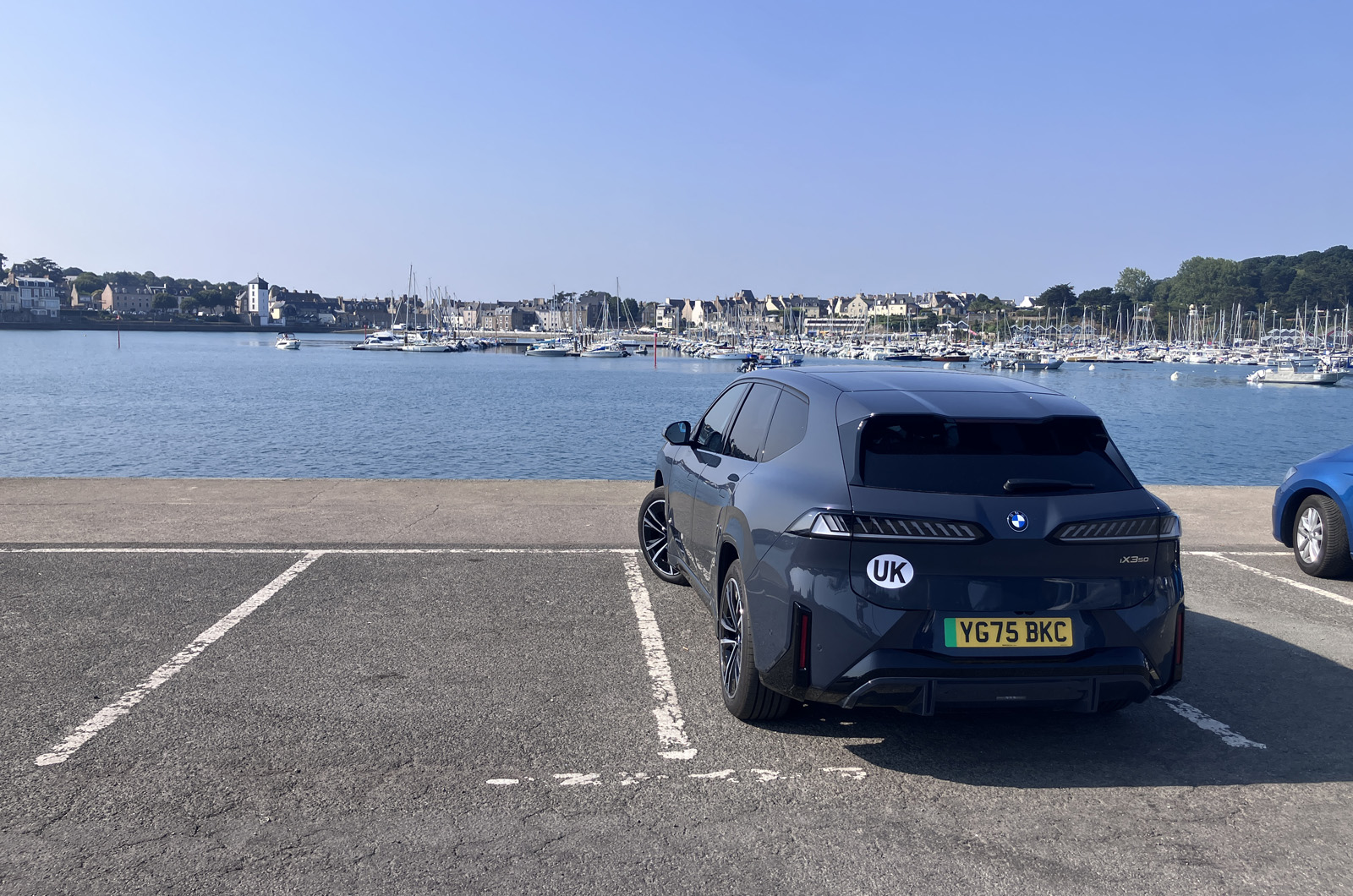
A notable observation during the boarding process was the specific protocol for electric vehicles on maritime vessels. Port authorities and ferry operators, such as Brittany Ferries, have implemented distinct safety and logistical markers for EVs. Upon check-in, the iX3 was identified with a specific sticker. This is a standard safety procedure to assist crew members in the event of an emergency, as EV battery fires require different suppression techniques than internal combustion fires. Furthermore, the placement of EVs on the car deck is often restricted; for instance, they are typically not parked alongside heavy goods vehicles (HGVs) to ensure easier access and ventilation.
The French Infrastructure: A Case Study in Electrification
Upon arrival in St Malo, the journey shifted to the French "Autoroute" system. France has invested heavily in its charging network as part of the "Advenir" program, aiming to alleviate the "range anxiety" that has historically hindered EV adoption. As of late 2023, France had surpassed the milestone of 110,000 public charging points, with a specific focus on high-power charging (HPC) hubs along major motorways.
The 1,400-mile journey relied heavily on the Ionity network—a joint venture between BMW, Ford, Hyundai, Mercedes-Benz, and the Volkswagen Group—and the growing presence of TotalEnergies charging hubs. These stations are strategically located at "Aires" (rest areas) every 30 to 50 miles. Unlike the early days of electrification, where a single broken charger could derail a trip, modern French hubs often feature between 6 and 20 high-speed stalls, significantly reducing the risk of "charging queues."
Data Analysis: Energy Consumption and Efficiency
Over the course of the 1,400-mile excursion, the BMW iX3 maintained an average efficiency of approximately 3.1 to 3.4 miles per kWh. Several factors influenced this data:
- Aerodynamics and Speed: Sustained speeds of 130 km/h (81 mph) on French toll roads increased energy consumption by approximately 20% compared to UK motorway speeds of 70 mph.
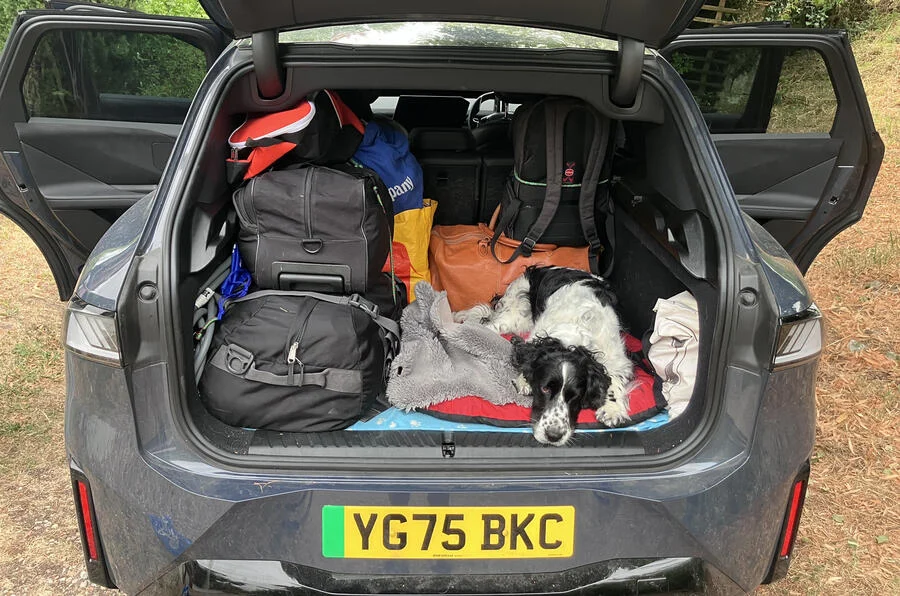
- Payload: The inclusion of two adults, two children, a dog, and a full luggage compartment pushed the vehicle closer to its Gross Vehicle Weight (GVW), impacting hill-climb efficiency.
- Climate Control: The use of the iX3’s heat pump-assisted air conditioning to combat the summer heat in South-Western France drew a consistent but manageable 1-2kW of power.
The total cost of electricity for the trip, utilizing a mix of home charging (pre-departure), Ionity high-speed charging, and destination charging at the holiday site, was estimated to be roughly 40% lower than the equivalent fuel cost for a diesel X3. This calculation factors in the BMW Charging card rates, which offer discounted per-kWh pricing for iX3 owners at Ionity stations.
The Human Element: Traveling with Family and Pets
One of the most profound "truths" revealed by this 1,400-mile test is the shift in travel rhythm. In a traditional internal combustion vehicle, drivers often push for four or five hours without a break to "make good time." In an EV like the iX3, the natural cadence of the journey is dictated by 2.5 to 3-hour stints followed by 30-minute charging intervals.
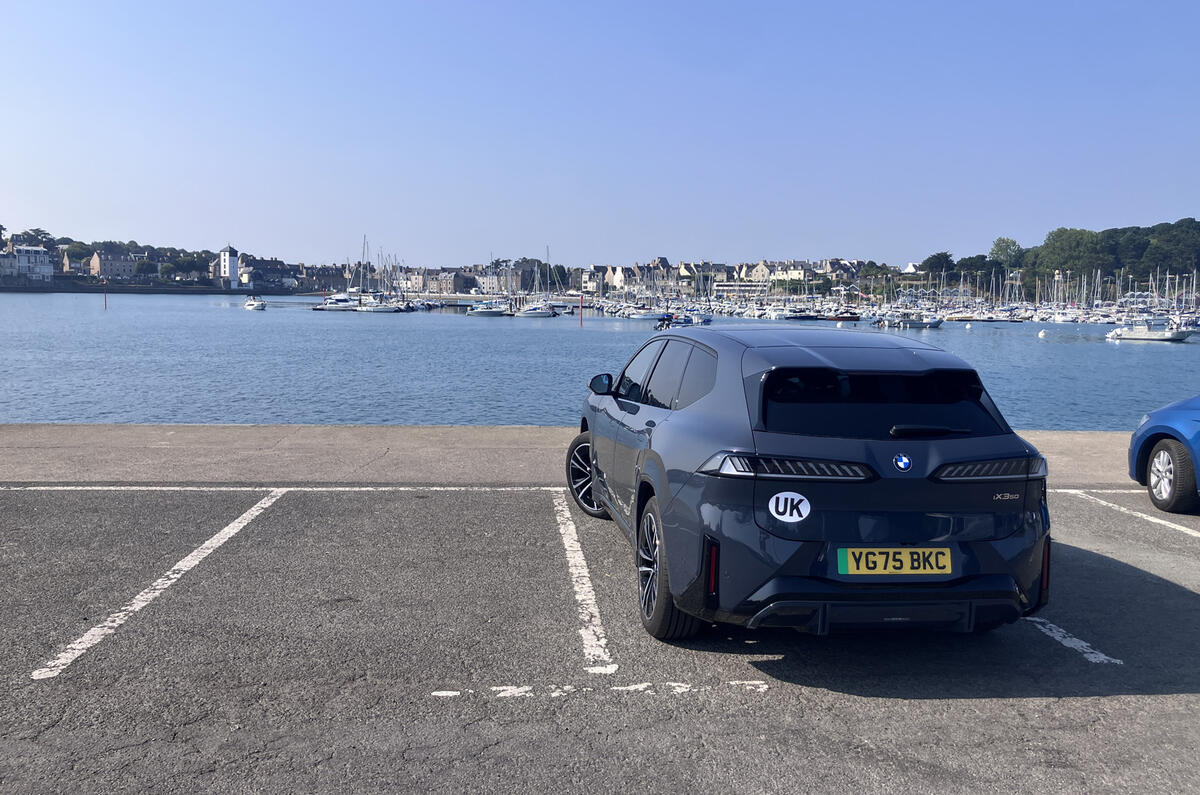
For a family with children and a dog, this "enforced" stopping schedule proved to be a psychological benefit rather than a logistical burden. The 30-minute window required to charge from 20% to 80% aligns almost perfectly with the time needed for a bathroom break, a stretch of the legs for the dog, and a light meal. The result is a less fatigued driver and more relaxed passengers.
Broader Implications for the Automotive Industry
The success of a 1,400-mile holiday in a non-bespoke EV platform like the iX3 suggests that the "range anxiety" narrative is rapidly being replaced by "charging infrastructure confidence." However, several challenges remain for the broader market:
- Interoperability: While the BMW Charging card simplified payments, the need for multiple apps or RFID cards for different networks (such as Tesla Superchargers, which are now open to other brands in France) remains a point of friction for less tech-savvy users.
- Towing Capacity: While the iX3 handled the family load well, its towing capacity is limited compared to its diesel counterparts, which remains a hurdle for caravanners.
- Peak Demand: During peak holiday weekends (such as the "Black Saturday" in France), even the expanded charging networks can face significant pressure, leading to potential wait times.
Official Responses and Market Trends
Industry analysts point to this specific type of long-distance usage as evidence that the "second generation" of EV adopters is moving beyond early enthusiasts. A spokesperson for the European Automobile Manufacturers’ Association (ACEA) recently noted that "the availability of high-power charging every 60km along the Trans-European Transport Network (TEN-T) is essential to ensure that the transition to electric mobility is inclusive of all travel patterns, including the traditional summer holiday."
BMW has responded to this trend by refining its "Route Optimized Charging" software. The iX3’s navigation system now pre-conditions the battery temperature as the vehicle approaches a high-speed charger, ensuring the maximum possible intake rate from the moment the plug is connected. This reduces the variance in charging times and provides the driver with a more predictable arrival time.
Conclusion: The Viability of the Electric Holiday
The 1,400-mile trek in the BMW iX3 confirms that the electric car holiday is no longer a feat of extreme endurance or meticulous hypermiling. It is a viable, comfortable, and economically sensible alternative to traditional travel. The combination of the iX3’s refined Gen 5 eDrive system and the robust expansion of the European charging network has mitigated the primary risks associated with long-distance EV travel.
While the "truth" about electric car holidays involves more planning than a petrol-fueled trip, the trade-off is a quieter, smoother driving experience and a significant reduction in the carbon footprint of the family vacation. As battery technology continues to evolve and the density of 350kW "ultra-fast" chargers increases, the 1,400-mile EV journey will likely shift from being a notable "test" to becoming the standard operating procedure for the modern traveler.