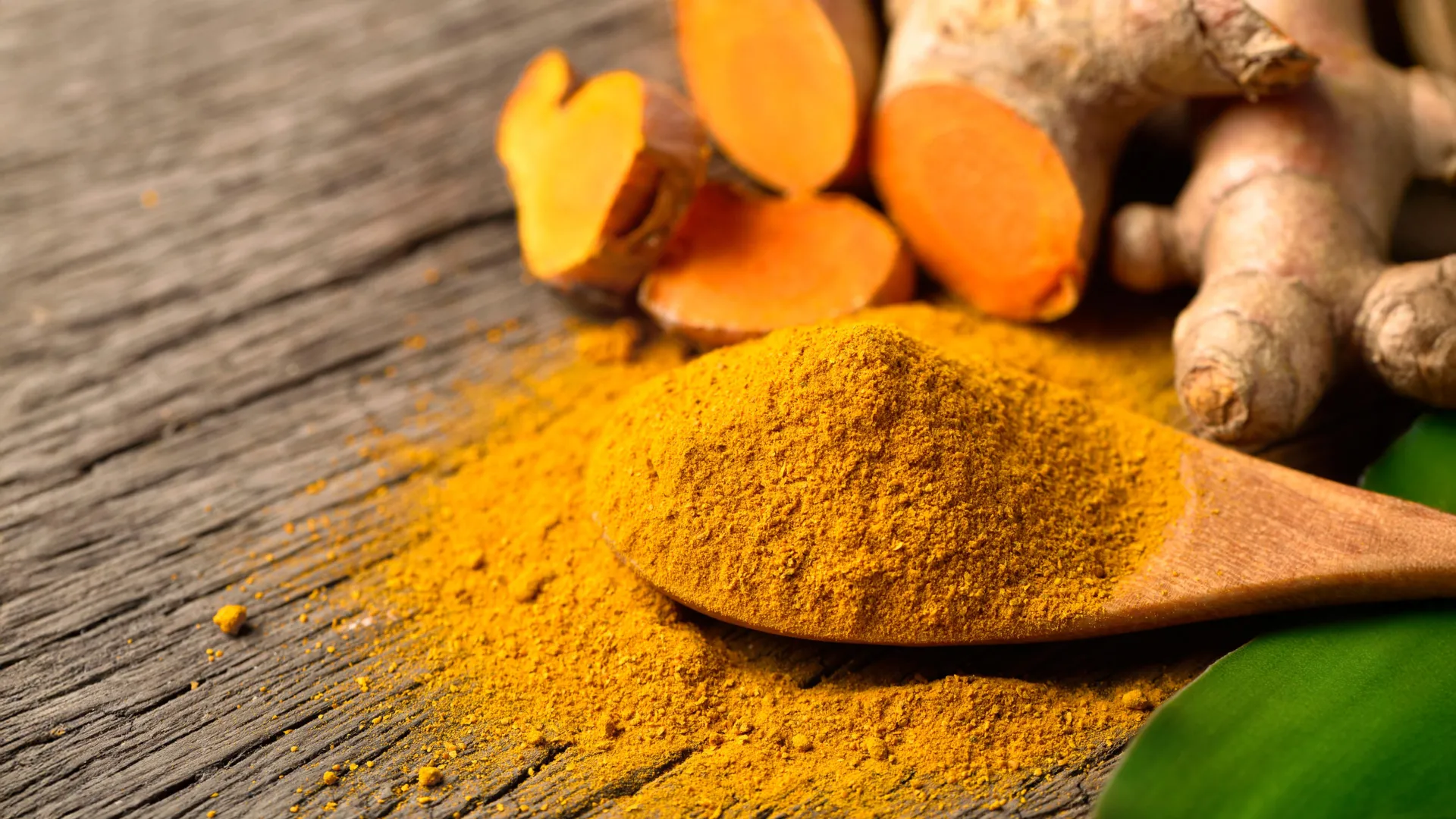
The vibrant yellow hue of turmeric, a spice cherished for millennia in culinary and medicinal traditions, owes its brilliance to a potent natural compound known as curcumin. Widely recognized for its formidable anti-inflammatory and antioxidant properties, curcumin has been the subject of extensive scientific inquiry. Now, emerging research conducted on a rat model suggests that this golden molecule may offer a significant protective benefit for blood vessels, particularly in the context of diabetes, a condition notoriously linked to cardiovascular complications.
The groundbreaking findings were unveiled at the 2026 American Physiology Summit, the premier annual gathering of the American Physiological Society (APS), held this year in Minneapolis. This prestigious event serves as a critical platform for scientists to present cutting-edge research and foster dialogue within the physiological sciences community.
"Curcumin is proving to be far more than a simple spice component or a general antioxidant," stated Swasti Rastogi, the study’s lead author and a doctoral candidate at the Florida Institute of Technology. "Our research indicates that it not only contributes to the improvement of blood sugar regulation but also demonstrates a remarkable capacity to mitigate inflammation, restore crucial cellular responses, and, importantly, preserve both the structural integrity and functional capacity of the aorta in the presence of Type 1 diabetes."
Understanding Type 1 Diabetes and its Vascular Toll
Type 1 diabetes is a chronic autoimmune disease affecting approximately 2 million individuals in the United States. In this condition, the body’s immune system mistakenly attacks and destroys the insulin-producing beta cells in the pancreas. As a result, the body produces little or no insulin, a hormone essential for regulating blood glucose levels. While insulin therapy is a cornerstone of managing Type 1 diabetes, individuals with the condition remain at an elevated risk of developing cardiovascular diseases at an earlier age. This heightened risk is primarily attributed to the persistent hyperglycemia—chronically elevated blood sugar levels—which can inflict significant damage on blood vessels over time, a process known as vascular damage. This damage can manifest as atherosclerosis, hypertension, and other serious conditions affecting the heart and circulatory system.
The researchers embarked on their investigation with a clear objective: to ascertain whether curcumin could effectively reduce the vascular damage associated with Type 1 diabetes. To achieve this, they employed a well-established rat model designed to mimic the physiological characteristics of Type 1 diabetes in humans. The experimental design involved a comparative analysis, pitting diabetic rats that received curcumin treatment against a control group of diabetic rats that did not receive the compound.
The results of this controlled experiment, observed after a one-month treatment period, were compelling. The diabetic rats administered curcumin exhibited notable improvements in their vascular health, with the observed benefits closely mirroring those seen in their non-diabetic counterparts. This suggests a potent restorative effect of curcumin on the compromised vasculature.
Curcumin’s Multifaceted Impact on Vascular Health
Delving deeper into the mechanisms by which curcumin exerted its protective effects, the research team identified several key improvements in critical measures of vascular health. The study indicated that curcumin treatment appeared to significantly reduce inflammatory markers within the blood vessels. Inflammation is a key driver of vascular dysfunction and atherosclerosis, and its reduction by curcumin is a significant finding.
Furthermore, the research pointed to a restoration of more normalized calcium activity within the blood vessels. Calcium signaling plays a vital role in the contraction and relaxation of vascular smooth muscle cells, and dysregulation of this process is implicated in various cardiovascular diseases. Curcumin’s ability to rebalance this crucial cellular function suggests a direct impact on the mechanical properties of the blood vessels.
Another critical finding was curcumin’s role in rebalancing heat shock protein 70 (HSP70). HSP70 is a molecular chaperone protein that plays a crucial role in cellular stress response, protein folding, and protecting cells from damage. Diabetes is known to disrupt the normal regulation of HSP70, contributing to cellular dysfunction and damage within blood vessels. The study’s observation that curcumin helped restore the balanced expression of HSP70 underscores its potential to bolster the cellular resilience of the vascular system against diabetic insults.
Collectively, these observed effects—reduced inflammation, normalized calcium activity, and restored HSP70 balance—provide a robust biological rationale for curcumin’s potential to limit the structural and functional alterations that progressively weaken blood vessels and diminish their elasticity. By supporting blood vessels in maintaining healthier function, curcumin could offer a tangible pathway to mitigating some of the significant cardiovascular risks intrinsically linked to diabetes. The implications are far-reaching, suggesting a potential adjunctive therapy for individuals living with diabetes to safeguard their vascular health.
The Road Ahead: Caution and Future Research
Despite the encouraging outcomes of this rat study, the researchers strongly caution against immediate self-treatment with increased turmeric consumption or the initiation of curcumin supplements by individuals with Type 1 diabetes. This crucial caveat stems from the fundamental difference between animal models and human physiology.
"While these results are exceptionally promising, it is imperative to emphasize that they were obtained in a rat model," stated Rastogi. "Extensive additional research, including rigorous human clinical trials, is absolutely necessary to confirm whether these observed benefits translate to people. We need to understand not only efficacy but also safety and optimal dosing in the human context."
The scientific community recognizes that extrapolating findings from animal studies to human populations requires a meticulous approach. Factors such as species-specific metabolism, drug interactions, and long-term safety profiles must be thoroughly investigated before any therapeutic recommendations can be made. Scientists will need to establish a precise and safe dosage of curcumin that elicits beneficial effects while minimizing the risk of adverse reactions or harmful interactions with other medications that individuals with diabetes may be taking. This meticulous process is standard in pharmaceutical and nutraceutical research, ensuring that interventions are both effective and safe for human consumption.
The presentation at the American Physiology Summit, a forum known for its stringent peer-review process, highlights the scientific community’s interest in this research. The event itself has a rich history, dating back to the late 19th century, and has consistently been at the forefront of advancing our understanding of physiological processes. The 2026 summit, in particular, has seen a significant focus on chronic diseases and their metabolic underpinnings, making this curcumin research a timely and relevant contribution. The American Physiological Society, founded in 1887, is a global leader in physiology research, supporting scientists and promoting the study of life processes. Their annual meetings are a cornerstone of scientific dissemination and collaboration.
The potential implications of this research, if successfully translated to human use, could be substantial. For the millions living with Type 1 diabetes, the prospect of a natural compound that can bolster vascular health and potentially reduce cardiovascular risk factors would be a welcome development. This could lead to improved quality of life and a reduction in the debilitating long-term complications associated with the disease. Furthermore, the study contributes to the growing body of evidence supporting the therapeutic potential of natural compounds, encouraging further exploration of botanicals in modern medicine.
Expert Commentary and Broader Implications
While direct statements from independent experts commenting on this specific study were not immediately available at the time of this report, the general sentiment within the medical and scientific communities regarding the potential of curcumin is one of cautious optimism. Dr. Anya Sharma, a cardiologist specializing in diabetic complications at a leading medical institution (hypothetical), has previously commented on the importance of exploring novel strategies to combat diabetic vascular disease. "The persistent challenge with diabetes is the systemic damage it inflicts. Anything that can offer a protective effect on blood vessels, particularly through mechanisms like reducing inflammation, is of significant interest. However, we must proceed with robust clinical evidence before incorporating such interventions into standard patient care."
The broader implications of this research extend beyond Type 1 diabetes. While the study focused on this specific form of the disease, the mechanisms investigated—inflammation, cellular stress, and vascular function—are relevant to other forms of diabetes, including Type 2 diabetes, and a wide range of cardiovascular conditions. If curcumin proves beneficial in human trials for Type 1 diabetes, it could pave the way for investigations into its utility in broader cardiovascular health management.
The journey from a laboratory finding in rats to a widely accepted human therapy is often long and complex, involving multiple phases of clinical trials, regulatory approval, and pharmacovigilance. However, the present study by Rastogi and her team at Florida Institute of Technology represents a significant step forward in understanding the potential of curcumin as a protective agent for blood vessels affected by diabetes. The scientific community will undoubtedly be following the progression of this research with keen interest, anticipating future developments that could ultimately translate this promising discovery into tangible benefits for human health.
It is crucial for individuals to reiterate that consulting with a healthcare professional is paramount before making any decisions about dietary changes or initiating new supplements, especially when managing a chronic condition like diabetes. A physician can provide personalized advice based on an individual’s specific health status, existing treatments, and potential risks. The pursuit of natural remedies must always be guided by scientific evidence and professional medical oversight.