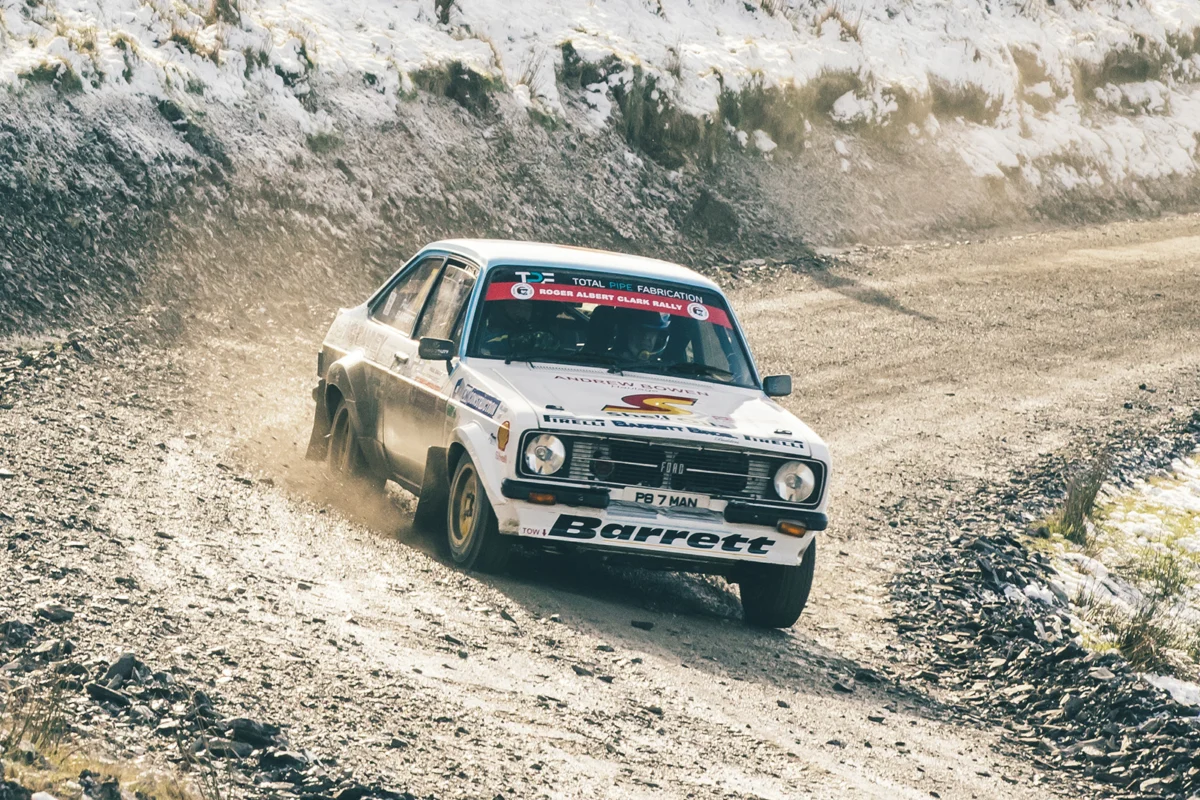
The Cambrian Mountains of mid-Wales represent one of the most unforgiving landscapes in the British Isles, particularly when the sun dips below the horizon and the damp Atlantic air turns to ice. Near the town of Llanidloes, at an elevation of approximately 500 metres above sea level, the environment becomes a test of endurance not only for the machinery and drivers competing in high-level rallying but also for the thousands of spectators who congregate in the darkness. Despite sub-zero temperatures and the logistical challenges of reaching remote vantage points, the discipline of stage rallying remains a pinnacle of spectator engagement, offering a visceral experience that traditional circuit racing cannot replicate.
The appeal of rallying lies in its raw proximity to the elements. While Formula 1 fans watch from grandstands and Le Mans spectators enjoy the amenities of a permanent circuit, the rally enthusiast must often trek several miles through boggy terrain and dense forestry to secure a viewing spot. On a recent winter evening, the silence of the Welsh wilderness was broken only by the distant whistle of a turbocharger, a sound that signals the approach of a vehicle capable of navigating narrow, unlit gravel tracks at speeds exceeding 100 mph.
The Historical Context of Welsh Rallying
Wales has long been considered the spiritual home of British rallying. The region’s topography, characterized by steep valleys and expansive forestry commissions like Myherin and Hafren, provides the ideal canvas for world-class competition. Historically, the RAC Rally—later known as Wales Rally GB—served as the traditional season finale for the World Rally Championship (WRC). These events were famous for their grueling "night stages," where drivers relied entirely on high-intensity LED light bars and the precise pacing notes of their co-drivers to navigate through fog and sleet.
The legacy of these events has fostered a dedicated subculture. Spectators are not merely passive observers; they are participants in a logistical exercise that requires specialized gear, thermal clothing, and a profound knowledge of the local geography. The draw is the "full tilt" performance of the cars—modern Rally1 and Rally2 machines that utilize sophisticated all-wheel-drive systems and anti-lag technology to maintain momentum through corners that would be impassable for standard vehicles.
Technical Demands and Spectator Safety
From a technical perspective, rallying in freezing conditions presents a unique set of variables for teams. As temperatures drop below zero, the moisture in the gravel tracks freezes, creating a "glassy" surface that offers minimal grip. In these conditions, tire choice becomes the most critical factor in a team’s strategy. While studded tires are common in the snow-covered stages of Rally Sweden, the Welsh forests often demand a delicate balance between soft-compound winter tires and gravel-tread patterns designed to bite into the frozen mud.
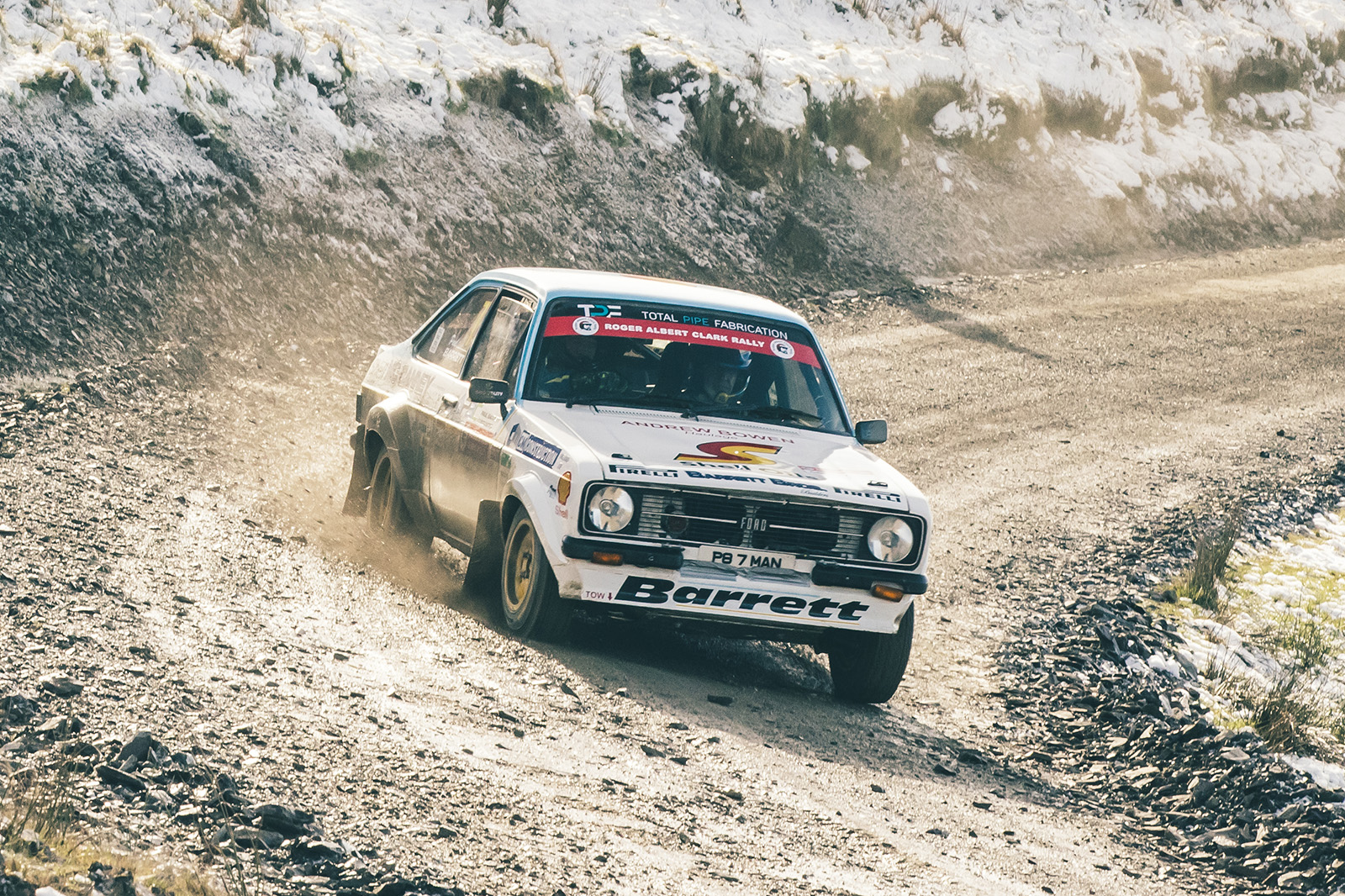
For the spectator, the danger and the thrill are inextricably linked. The FIA (Fédération Internationale de l’Automobile) and local organizing bodies like Motorsport UK have implemented stringent safety protocols to manage crowds in these remote areas. Spectator zones are strategically placed to provide the best views while ensuring fans remain behind "no-go" lines. Despite these restrictions, the sense of intimacy remains. Standing just meters away from a 500-horsepower hybrid rally car as it navigates a hairpin turn in total darkness is an experience that defines the sport’s enduring popularity.
The Economic Impact on Rural Communities
The influx of spectators into regions like Powys and Gwynedd provides a significant seasonal boost to the local economy. According to historical data from the Welsh Government, major international rallying events have previously contributed over £9 million annually to the regional economy. This revenue is distributed across the hospitality sector, from local bed-and-breakfasts in Llanidloes to pubs and petrol stations that see a surge in demand during the "rally week."
Local business owners often report that the rally crowd is uniquely resilient. Unlike fair-weather tourists, rally fans are accustomed to the harsh Welsh winters. "They come prepared for the mud and the cold," noted one local guesthouse owner during a recent event. "It’s a vital injection of cash at a time of year when tourism is usually at its lowest point."
The Evolution of the Sport: Hybridization and Sustainability
As the automotive industry shifts toward electrification, rallying has evolved to remain relevant. The introduction of hybrid power units in the top-tier Rally1 category has changed the auditory and visual experience for spectators. These cars now feature a 100kW electric motor alongside the traditional 1.6-litre turbocharged internal combustion engine, providing bursts of instant torque that allow for even more aggressive acceleration out of slow corners.
Furthermore, the shift toward sustainable, fossil-free fuels has ensured that the sport can continue to operate in environmentally sensitive areas like the Cambrian Mountains. Organizers are increasingly focused on the "leave no trace" philosophy, encouraging spectators to respect the forestry land and participate in carbon-offsetting initiatives. This modernization is seen as essential for the sport’s survival in a more environmentally conscious era.
The Spectator Experience: A Timeline of a Night Stage
To understand why thousands of people willingly subject themselves to freezing conditions, one must look at the chronology of a typical night stage:
- The Approach (16:00 – 18:00): Spectators arrive at designated parking areas, often miles from the actual stage. The trek begins as the sun sets, with fans carrying rucksacks filled with stoves, hot food, and extra layers of clothing.
- The Vigil (18:00 – 20:00): As the temperature drops, small groups huddle together. The darkness in the forest is absolute, broken only by the occasional glow of a headlamp. The anticipation builds as the "Zero Cars" (safety vehicles) pass through to check track conditions.
- The Main Event (20:00 – 22:00): The first competitive cars arrive. The experience is sensory: the smell of high-octane fuel and hot brakes, the blinding flash of light bars, and the physical vibration of the ground as the cars roar past.
- The Descent (22:00 – 00:00): Once the final car has passed, the long walk back to civilization begins. Despite the cold, the atmosphere among the departing fans is typically one of shared adrenaline and camaraderie.
Official Perspectives and Future Outlook
Organizers and drivers alike acknowledge that the fans are the lifeblood of the sport. Elfyn Evans, a leading WRC driver hailing from Dolgellau, has frequently commented on the impact of seeing fans in the forests. "When you’re in the car, concentrated on the notes and the road, seeing the camera flashes and the fires in the woods at night gives you a massive lift," Evans stated in a post-race interview. "The Welsh fans are some of the toughest in the world; their support in those conditions is incredible."
However, the future of large-scale rallying in the UK faces challenges. Logistical costs, insurance premiums, and the need for government backing are constant hurdles for event organizers. There is a growing movement to bring the World Rally Championship back to the UK on a permanent basis, with proponents arguing that the infrastructure and fan base are already firmly established.
Conclusion: Why the Cold Doesn’t Matter
The enduring appeal of rallying, particularly in the freezing heights of the Cambrian Mountains, suggests that the sport’s "spectator problem"—the sheer difficulty of watching it—is actually its greatest strength. It is a sport that demands effort from its audience, creating a community of enthusiasts who value grit and authenticity over comfort.
As the cars disappear into the Welsh mist, leaving only the scent of scorched earth and the fading echo of an engine, the spectators begin their cold march back to their vehicles. They are tired, damp, and shivering, yet they remain convinced of a singular truth: there is no better way to witness the limits of human and mechanical endurance than from the side of a frozen mountain in the middle of the night. The harshness of the environment does not detract from the spectacle; it defines it. In the world of motorsport, rallying remains the ultimate test, and for those standing in the dark at 500 metres above sea level, it is worth every freezing second.