Researchers at the University of Texas at Dallas have unveiled a groundbreaking 3D printing technology poised to revolutionize dental care, enabling dentists to produce permanent zirconia restorations, such as crowns and bridges, within a single appointment. This advancement addresses a significant bottleneck in dental manufacturing, potentially transforming patient experience by offering unparalleled speed, personalization, and convenience. Zirconia, renowned for its exceptional strength, durability, and biocompatibility, is widely regarded as the gold standard for long-term dental prosthetics.
The innovation, developed with crucial support from the National Science Foundation (NSF), is currently undergoing a concerted push toward commercialization. The ultimate goal is to make this advanced technology accessible for routine use in dental practices, allowing for the on-demand fabrication of a wide array of dental restorations including crowns, bridges, and veneers.
"We are thrilled to be at the forefront of commercializing chair-side 3D-printed, all-ceramic zirconia permanent dental restorations," stated Dr. Majid Minary, a distinguished professor of mechanical engineering at the Erik Jonsson School of Engineering and Computer Science. "The ability to custom-print crowns for each patient on the same day heralds a new era of personalized dental treatment. This approach not only expedites the entire treatment process but also provides the immense convenience of receiving a permanent, high-quality restoration in a single visit, eliminating the need for multiple appointments and temporary solutions."
The Challenge of Rapid Zirconia 3D Printing
Dental crowns serve as protective caps meticulously fitted over teeth compromised by decay, damage, or extensive procedures. They are also integral components in supporting dental bridges, prosthetic devices designed to replace one or more missing teeth.
The allure of 3D printing in dentistry has been growing steadily. This additive manufacturing process offers unprecedented precision in customization, allowing for restorations that perfectly match a patient’s natural tooth color and anatomy. Furthermore, 3D printing processes can be inherently more efficient, leading to potential reductions in manufacturing costs and a significant decrease in material waste compared to traditional subtractive methods. However, current same-day 3D-printed dental solutions are predominantly fabricated from ceramic resins. While these materials offer aesthetic advantages and ease of printing, they fall short of the robust mechanical properties characteristic of zirconia.
While some dental practices currently offer same-day zirconia crowns, these are typically produced using subtractive manufacturing, specifically milling. This process involves carving the desired restoration from a solid block of zirconia. This method, while effective, can impose limitations on the complexity of achievable designs. Moreover, the intense mechanical forces involved in milling, as well as the subsequent high-temperature sintering process, carry an inherent risk of introducing micro-cracks within the material, potentially compromising the long-term integrity of the restoration.
The breakthrough achieved by the UT Dallas researchers and their collaborators directly addresses one of the most formidable obstacles hindering the rapid 3D printing of zirconia restorations. Their innovative technique drastically curtails the post-printing processing time, a critical factor for enabling same-day chair-side fabrication.
The detailed methodology behind this innovation has been published in the esteemed scientific journal Ceramics International. Before the technology can be widely adopted, it must undergo rigorous clinical validation and secure regulatory approval from relevant health authorities.
Overcoming the Debinding Bottleneck: From Hours to Minutes
The transformation of a 3D-printed zirconia object into a permanent, functional dental restoration involves two crucial post-printing stages: debinding and sintering.
Debinding is a carefully controlled thermal process designed to meticulously remove the binder material – typically a polymer – that holds the fine zirconia particles together during the 3D printing phase. In conventional methods, this debinding process is notoriously slow, often requiring an extended period ranging from 20 to 100 hours. Following successful debinding, the restoration enters the sintering phase. This involves high-temperature firing, akin to firing clay in a kiln, which causes the individual zirconia particles to fuse together, consolidating into a dense, exceptionally strong, and hardened ceramic material.
"Debinding has historically been the Achilles’ heel of rapid zirconia 3D printing," explained Dr. Minary, who also served as the corresponding author of the research paper. "This step necessitates a slow and gradual heating rate. If the process is accelerated, the polymer being combusted transforms into gas. If this gas cannot escape the porous structure of the nascent ceramic, it can lead to internal pressure, resulting in cracks or fractures within the restoration. A debinding time of 20 to 100 hours is simply incompatible with the demands of same-day dental service. Consequently, the widespread commercial availability of 3D-printed permanent zirconia restorations has been significantly hampered."
The novel technology developed at UT Dallas dramatically slashes the debinding stage to less than 30 minutes. This remarkable reduction effectively removes a primary impediment to realizing same-day permanent 3D-printed dental restorations.
The Science Behind the Accelerated Process
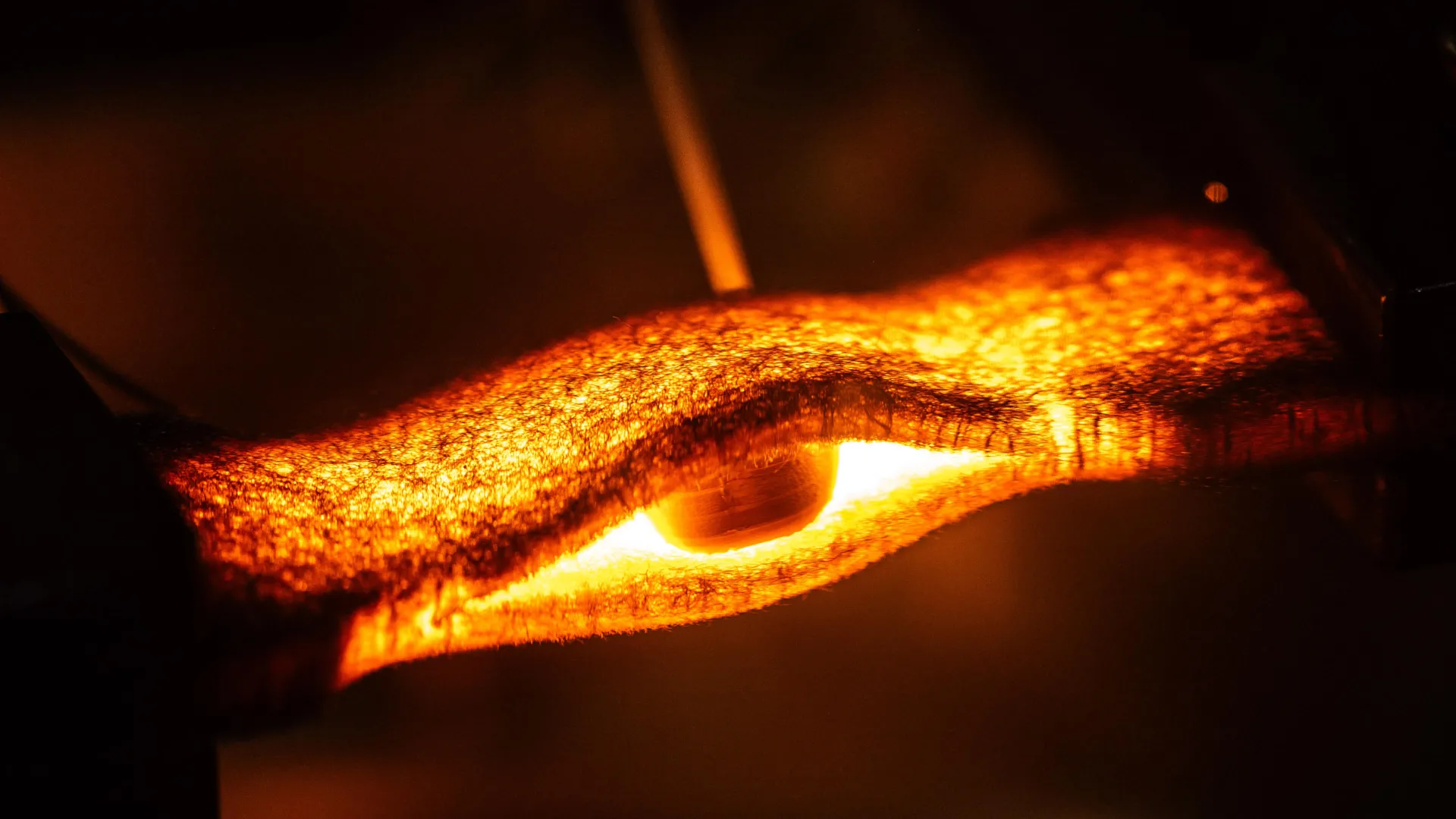
The innovative system integrates several key advancements to achieve this unprecedented speed. It combines enhanced heat transfer mechanisms with a specially engineered porous graphite felt. This specialized felt envelops the 3D-printed restoration and is capable of reaching temperatures exceeding 2,550 degrees Fahrenheit. Crucially, the porous nature of the felt provides a facile escape route for the gases generated as the binder resin is vaporized. Simultaneously, an integrated vacuum system efficiently removes these released gases from the surrounding environment, preventing their accumulation and potential to cause damage.
"The synergistic combination of these elements is what makes this process so effective," Dr. Minary elaborated. "Our technology empowers dental practitioners to offer a 3D-printed zirconia crown chair-side, delivering it to a patient in a matter of just a few hours. This is a paradigm shift in dental prosthetics delivery."
Charting a Course for Commercialization and Future Impact
The UT Dallas research team, spearheaded by Dr. Minary, is actively collaborating with Pan-AM Dental Laboratory to propel the technology from the laboratory to the marketplace. This vital commercialization effort has recently received a significant boost in the form of a $550,000 award (grant 2431684) through the NSF’s Partnerships for Innovation — Technology Translation project. This funding underscores the NSF’s commitment to accelerating the transition of promising scientific discoveries into tangible technological applications that benefit society.
The commercialization initiative also involves key industry partners. 3DCeram Sinto Inc., based in Grand Ledge, Michigan, is contributing its expertise in additive manufacturing technologies. Additionally, Dr. Amirali Zandinejad, a distinguished prosthodontist practicing in Arlington, Texas, and a former associate professor at the Texas A&M University College of Dentistry, is providing invaluable clinical insights and expertise.
The research team at UT Dallas comprises several talented individuals. Mahdi Mosadegh, the first author of the Ceramics International paper, is a doctoral student in mechanical engineering. Other significant contributors include Moein Khakzad, a PhD candidate; Zahra Sepasi, a chemistry doctoral student; Kalyan Nandigama, a mechanical engineering graduate student; and Dr. Golden Kumar, an associate professor of mechanical engineering.
Beyond the generous support from the NSF, the foundational research underpinning this innovation also received critical funding from the U.S. Air Force Office of Scientific Research, highlighting the potential military applications and broader national interest in advanced manufacturing technologies.
Broader Implications for Dental Practice and Patient Care
The advent of same-day 3D-printed zirconia restorations carries profound implications for the dental industry and patient experience. For dentists, it offers the potential for increased practice efficiency, reduced chair time, and enhanced patient satisfaction. The ability to complete complex restorative work in a single visit can streamline practice operations and free up appointment slots.
For patients, the benefits are equally significant. The elimination of multiple appointments, temporary crowns, and the anxiety associated with prolonged treatment can lead to a more positive and less disruptive healthcare journey. The enhanced precision and customization offered by 3D printing also promise aesthetically superior and functionally optimized restorations.
The broader impact extends to the economics of dental care. By reducing material waste and optimizing manufacturing processes, 3D printing can potentially lead to more affordable restorative options for patients. Furthermore, the development of advanced materials and manufacturing techniques like this fosters innovation and drives economic growth within the healthcare technology sector.
While the path to widespread adoption involves further validation and regulatory hurdles, the research emerging from UT Dallas represents a pivotal moment in dental technology. It signals a future where high-quality, durable, and aesthetically pleasing permanent dental restorations can be created on demand, transforming the practice of dentistry and profoundly improving the lives of patients worldwide. The timeline for commercial availability is still being determined, but the progress made thus far suggests that the era of same-day permanent zirconia dental restorations is drawing nearer.