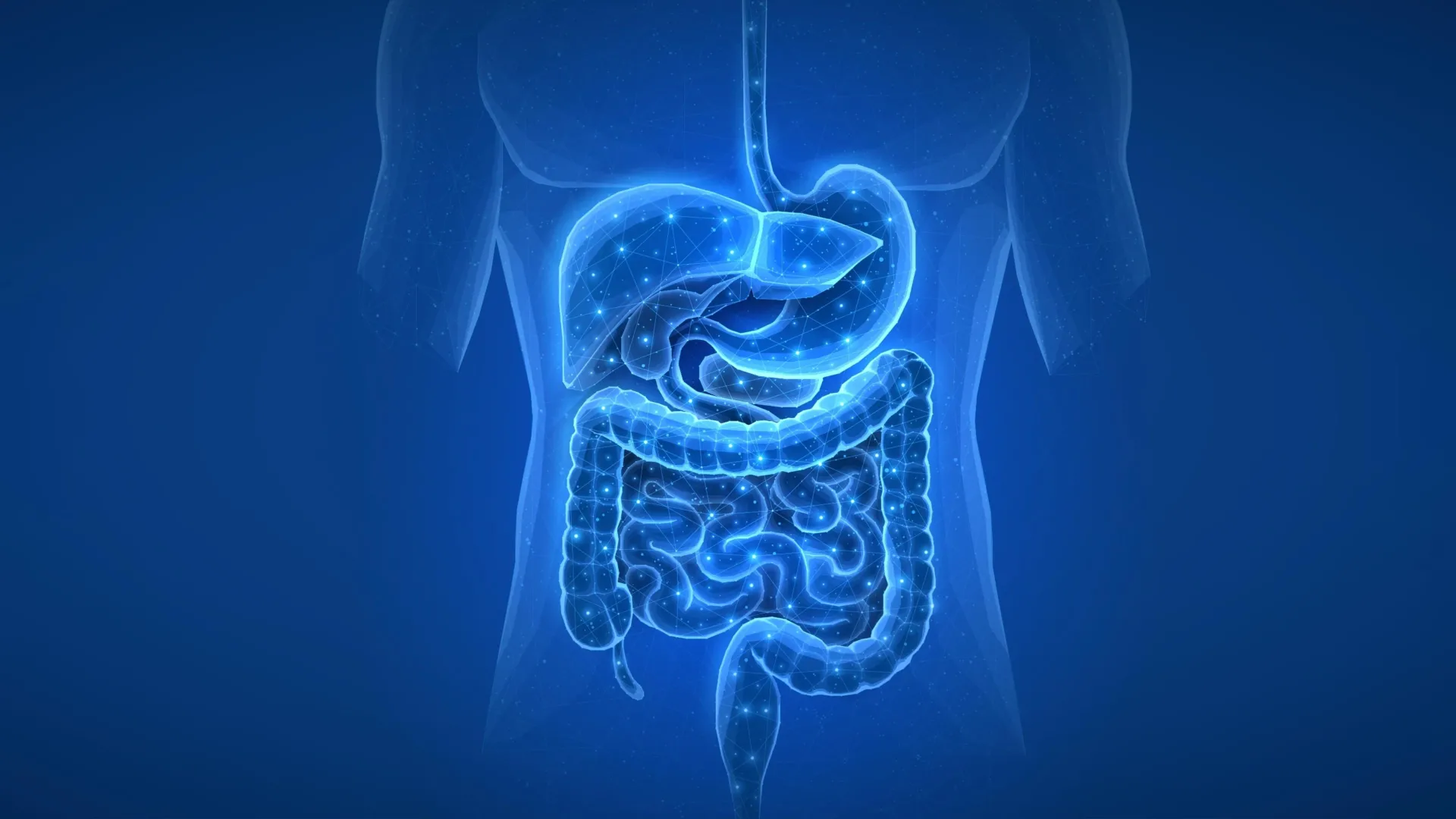
A groundbreaking study led by researchers at the University of Tartu Institute of Genomics has revealed a profound and enduring impact of medications on the human gut microbiome, extending far beyond the duration of treatment. The findings, published in a leading scientific journal, indicate that a person’s historical prescription record can significantly influence the composition and function of their gut microbial community for years after they have stopped taking specific drugs. This discovery challenges the conventional approach to microbiome research, which often focuses solely on current medication use, and suggests that a more comprehensive understanding of past pharmaceutical interventions is crucial for accurately interpreting an individual’s microbial landscape and its potential links to health and disease.
The gut microbiome, a complex ecosystem of trillions of bacteria, viruses, fungi, and other microorganisms residing within the digestive tract, plays a pivotal role in numerous bodily functions. It aids in nutrient absorption, synthesizes essential vitamins, trains the immune system, and even influences mood and cognitive processes. Disruptions to this delicate balance, known as dysbiosis, have been implicated in a wide array of chronic conditions, including inflammatory bowel disease, obesity, diabetes, allergies, and certain neurological disorders.
A Deep Dive into the Estonian Biobank: Unveiling Long-Term Drug Effects
The extensive research, which analyzed stool samples and detailed prescription records from over 2,500 participants in the Estonian Biobank, a rich repository of genetic and health data, represents one of the most comprehensive investigations to date into the long-term effects of pharmaceuticals on the gut microbiome. The Estonian Microbiome cohort, a subset of the Biobank, provided the critical link between individual health histories and their microbial profiles.
The research team meticulously examined the association between a wide spectrum of medications and the diversity and abundance of microbial species within the participants’ guts. Their analysis revealed that a substantial proportion of the medications studied were linked to discernible alterations in the gut microbiome. Crucially, these alterations were not transient; for a significant number of drugs, the distinct microbial "fingerprints" left by these medications persisted for years after the participants had discontinued their use.
Beyond Antibiotics: A Wider Spectrum of Persistent Impact
While the disruptive effects of antibiotics on gut bacteria are well-documented and widely recognized, this study has illuminated that the influence of other drug classes can be equally profound and long-lasting. Medications commonly prescribed for chronic conditions, such as beta-blockers for hypertension and heart disease, proton pump inhibitors (PPIs) for acid reflux, and benzodiazepines for anxiety and related disorders, were all found to be associated with unique and persistent changes in the gut microbial composition.
Beta-blockers, for instance, are a cornerstone in managing cardiovascular health, working by blocking the effects of adrenaline and noradrenaline. Proton pump inhibitors, on the other hand, are designed to reduce the production of stomach acid, offering relief from conditions like gastroesophageal reflux disease (GERD) and peptic ulcers. Benzodiazepines, often prescribed for their anxiolytic, sedative, and muscle-relaxant properties, target the central nervous system. The study’s findings suggest that these widely used therapeutic agents are not merely transient visitors to the gut’s microbial ecosystem but can leave a lasting imprint on its intricate balance.
Dr. Oliver Aasmets, the lead author of the study and a researcher at the University of Tartu Institute of Genomics, emphasized the significance of these findings. "Most microbiome studies only consider current medications," Dr. Aasmets stated. "However, our results demonstrate that past drug use can be just as important, as it is a surprisingly strong factor in explaining individual microbiome differences." This assertion underscores a critical paradigm shift needed in how researchers approach microbiome analysis, urging a broader historical perspective.
The implications of this are far-reaching for researchers investigating the intricate links between the microbiome and various diseases. It suggests that deviations observed in an individual’s gut microbial patterns might not solely be attributable to their current diet, lifestyle, or ongoing medical treatments. Medications taken months or even years prior could still be subtly shaping the microbial landscape, potentially confounding studies that do not account for this historical drug exposure.
Anxiety Medications Show Surprisingly Strong and Persistent Effects
One of the most striking revelations from the study pertained to benzodiazepines. These medications, commonly prescribed for anxiety disorders, demonstrated an association with the gut microbiome that was remarkably comparable in strength to that observed with broad-spectrum antibiotics. Broad-spectrum antibiotics are known for their potent ability to eliminate a wide range of bacteria, thereby causing significant and often long-lasting shifts in the gut microbial community. The parallel observed with benzodiazepines suggests that these psychoactive drugs, while acting primarily on the brain, exert a similarly powerful influence on the gut’s microbial inhabitants.
This finding is particularly noteworthy given the widespread use of benzodiazepines globally. The long-term persistence of these microbial changes raises important questions about the potential downstream health consequences of such alterations, especially in individuals with prolonged or repeated exposure to these medications.
Nuances Within Drug Classes: Individual Drugs Matter
Further complicating the picture, the study revealed that not all medications within the same drug class exert identical effects on the gut microbiome. Drugs prescribed for similar conditions, such as diazepam and alprazolam, both benzodiazepines, exhibited differing degrees of disruption to gut microbes. This distinction is critically important because, in many microbiome research endeavors, medications are often categorized and analyzed based on their drug class.
The new results strongly suggest that such broad categorization might oversimplify the complex interactions between pharmaceuticals and the microbiome. The distinct microbial signatures left by individual drugs, even within the same pharmacological category, imply that a more granular approach is necessary. Future research aiming to understand the impact of drug classes on the microbiome may need to consider the unique properties and effects of each specific compound within that class. This could lead to more precise interpretations of microbiome data and potentially inform more personalized therapeutic strategies.
Observing Changes Over Time: Predictable Microbial Shifts
To further validate their findings and establish causality, the researchers also analyzed follow-up stool samples from a smaller subgroup of participants. This longitudinal analysis allowed them to observe the dynamic changes in the gut microbiome as individuals initiated or ceased taking certain medications.
The study observed predictable shifts in gut microbial populations that coincided with these medication changes. These findings provide compelling evidence that the medications themselves are indeed responsible for at least some of the observed alterations in the microbiome. The consistency of these shifts, even in a smaller sample, lends significant weight to the conclusion that drug exposure directly influences microbial composition.
The time-point analysis, although involving a more limited number of participants, was successful in confirming the persistent effects linked to several common drug categories. These included proton pump inhibitors, selective serotonin reuptake inhibitors (SSRIs) – a widely used class of antidepressants – and specific types of antibiotics, such as combinations of penicillins and macrolides. Macrolides, a group of antibiotics frequently used to treat various bacterial infections, were also found to leave a detectable microbial residue.
The Broader Implications for Health and Research
The cumulative evidence from this extensive study adds substantial weight to the growing understanding that the gut microbiome is a dynamic reflection of an individual’s entire health journey, not just their current state. It is influenced by a complex interplay of diet, lifestyle, genetics, and, as this research powerfully demonstrates, past medical interventions. The "biological traces" left by medications can remain detectable long after the prescription has been fulfilled, acting as a subtle but persistent modulator of gut microbial ecosystems.
Professor Elin Org, the corresponding author of the study and a prominent figure in the field, highlighted the significance of this research in a statement. "This is a comprehensive systematic evaluation of long-term medication effects on the microbiome using real-world medical health records," Professor Org remarked. "We hope this encourages researchers and clinicians to factor in medication history when interpreting microbiome data."
The practical implications for microbiome research are profound. By accounting for a patient’s historical medication use, scientists can potentially achieve greater accuracy in distinguishing microbiome changes that are genuinely associated with underlying diseases from those that are a consequence of past pharmaceutical treatments. This could lead to more robust diagnostic tools, more effective therapeutic targets, and a deeper understanding of the complex mechanisms linking gut health to overall well-being.
Future Directions and Clinical Relevance
The findings from the University of Tartu Institute of Genomics study are likely to spur further investigation into the specific mechanisms by which different drugs interact with the gut microbiome. Future research may focus on identifying the precise bacterial species or metabolic pathways affected by various medications and exploring whether these changes can be modulated or reversed.
Furthermore, this research has the potential to influence clinical practice. Clinicians may increasingly consider a patient’s medication history when evaluating gut-related symptoms or interpreting microbiome analysis results. This could lead to more tailored treatment plans and a more holistic approach to patient care, recognizing that the body’s internal ecosystem is shaped by a lifetime of interventions. The long-lasting footprint of medications on our gut microbes serves as a powerful reminder of the intricate and interconnected nature of human health.