The release of "Spider-Man: Brand New Day" has once again ignited discussions about the iconic web-slinger’s formidable adversaries. As Peter Parker and Miles Morales continue to protect New York City from a kaleidoscope of super-villains, The Hollywood Reporter has undertaken the monumental task of ranking these cinematic antagonists. This comprehensive analysis spans decades of film adaptations, from the early 2000s blockbusters to the latest installments in the Marvel Cinematic Universe, evaluating their impact, menace, and overall effectiveness as foils to Spider-Man’s heroic endeavors. The ranking considers not only their on-screen portrayal but also their lasting cultural resonance and their contribution to the rich tapestry of Spider-Man lore.

A Legacy of Villainy: The Evolution of Spider-Man’s Foes
Spider-Man’s cinematic journey began in earnest with Sam Raimi’s 2002 film, "Spider-Man," introducing audiences to the chilling Green Goblin. This marked the beginning of a trend where the villains were not merely obstacles but often complex characters grappling with their own internal demons, mirroring Spider-Man’s own struggles with responsibility and identity. The subsequent films in Raimi’s trilogy, as well as the "Amazing Spider-Man" series and the MCU iterations, have consistently delivered a diverse range of antagonists, each with unique motivations, powers, and visual designs.
The impact of these villains extends beyond the narrative of the films themselves. They have become cultural touchstones, their catchphrases and iconic looks permeating popular culture. The success of these cinematic adaptations has directly influenced the perception and popularity of these characters, solidifying their place in the pantheon of comic book villains. The introduction of new villains in each iteration of the Spider-Man saga also serves to propel the narrative forward, often forcing the hero to confront new challenges and evolve as a protector.

The Impact of "Spider-Man: Brand New Day" on the Villain Roster
The recent release of "Spider-Man: Brand New Day" has added a fresh batch of adversaries to Spider-Man’s already extensive list. While the specifics of these new villains are still being absorbed by audiences, their introduction signifies a continued commitment from filmmakers to explore the depth and breadth of Spider-Man’s criminal underworld. Each new villain presents an opportunity to test the hero in novel ways, pushing their physical and emotional limits and often forcing them to make difficult choices that have far-reaching consequences.
The evolution of Spider-Man’s villains reflects broader trends in filmmaking and storytelling. Early portrayals often focused on clear-cut good versus evil narratives. However, as cinematic universes have become more sophisticated, so too have the villains. Modern antagonists are frequently given more nuanced backstories and motivations, blurring the lines between hero and villain and prompting audiences to question their own perceptions of morality. This complexity adds a layer of depth to the films, making them more engaging and thought-provoking.

Ranking the Cinematic Crooks and Creeps: A Deep Dive
To provide a definitive ranking, The Hollywood Reporter has analyzed the most memorable and impactful Spider-Man villains across all live-action and animated film adaptations. This assessment considers factors such as the villain’s effectiveness in challenging Spider-Man, the quality of their portrayal, their visual design, and their overall contribution to the narrative and cultural impact of their respective films.
The Top Tier: Villains Who Defined an Era

At the pinnacle of this ranking are villains whose presence transcended their individual films, leaving an indelible mark on cinematic history and the Spider-Man mythos.
-
The Green Goblin (Norman Osborn): First introduced in "Spider-Man" (2002) and later revisited in other iterations, Norman Osborn’s Green Goblin is arguably the most iconic and impactful villain in Spider-Man’s cinematic history. Willem Dafoe’s terrifying performance as the unhinged industrialist turned super-villain established a benchmark for all subsequent antagonists. The Goblin’s personal connection to Peter Parker, his sheer brutality, and his iconic glider and pumpkin bombs made him a formidable and unforgettable foe. His reign of terror in the first Raimi film set a high bar for the series, demonstrating the potential for deeply personal and psychologically complex villains. The lingering threat of the Goblin’s influence, even after his apparent demise, has resonated through subsequent films, highlighting his enduring menace.

-
Doctor Octopus (Otto Octavius): Alfred Molina’s portrayal of Doctor Octopus in "Spider-Man 2" (2004) is widely regarded as one of the finest villain performances in superhero cinema. Molina brought a tragic depth to the brilliant scientist whose mechanical arms, fused to his body after a catastrophic experiment, become an extension of his fractured psyche. His internal struggle between his inherent goodness and the corrupting influence of his technology made him a compelling and sympathetic antagonist. The film masterfully depicted the struggle for control between Octavius and his powerful limbs, culminating in a heroic sacrifice that solidified his place as a complex and memorable character. The visual spectacle of his mechanical arms and his intellectual prowess made him a truly formidable opponent for the web-slinger.
-
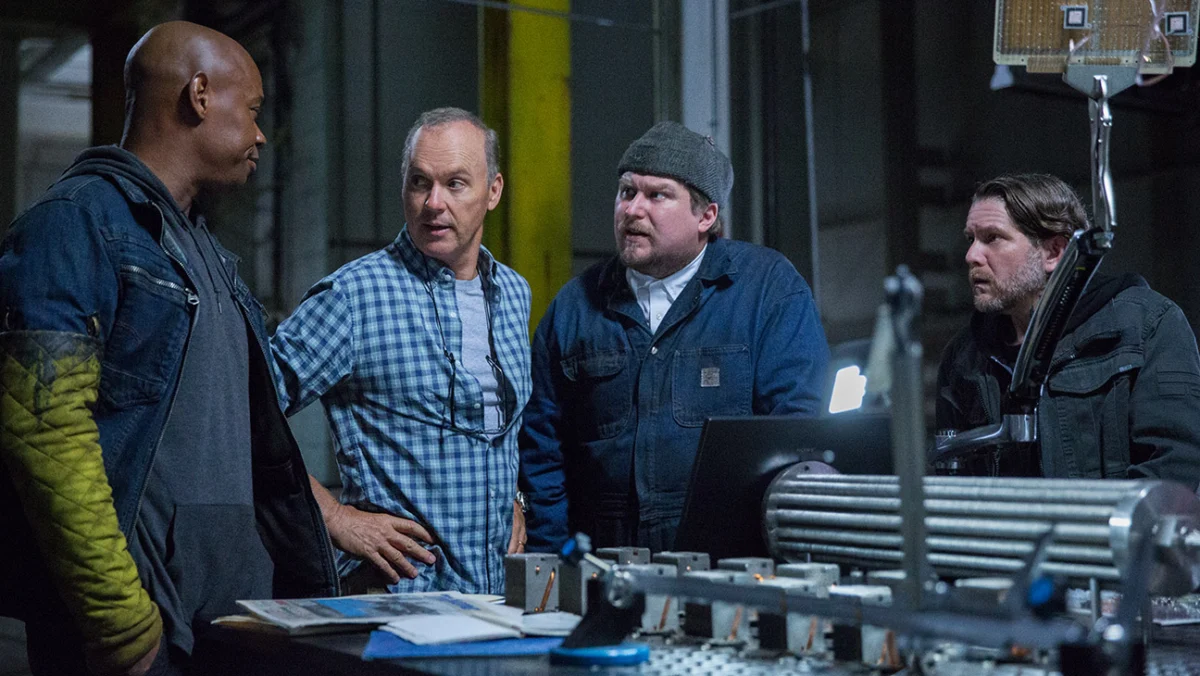
Vulture (Adrian Toomes): Michael Keaton’s Vulture in "Spider-Man: Homecoming" (2017) breathed new life into a classic villain. Keaton delivered a performance that was both menacing and grounded, portraying Toomes as a blue-collar criminal driven by a desire to provide for his family. This relatable motivation, combined with his technologically advanced suit and aerial combat skills, made him a more nuanced and complex antagonist than many of his predecessors. The Vulture’s confrontation with Spider-Man in the climactic plane sequence remains a standout moment, showcasing his resourcefulness and unwavering determination. His role as a more street-level threat also provided a fresh perspective on Spider-Man’s challenges in the MCU.

The Strong Contenders: Villains Who Made a Significant Impact
These villains, while perhaps not reaching the same iconic status as the top tier, have left a significant impression on audiences and the Spider-Man narrative.

-
Venom (Eddie Brock): While the cinematic interpretations of Venom have been met with mixed reactions, the character’s raw power, symbiotic nature, and dark mirror to Spider-Man’s abilities make him a consistently compelling foe. Topher Grace’s portrayal in "Spider-Man 3" (2007) offered an early, albeit flawed, cinematic take, while the standalone "Venom" films have explored the anti-hero aspect of Eddie Brock. The inherent menace of the Venom symbiote, its ability to mimic Spider-Man’s powers, and its insatiable hunger for chaos have always made for visually striking and action-packed encounters. The potential for a truly terrifying and complex Venom remains a tantalizing prospect for future cinematic endeavors.
-
Electro (Max Dillon): Jamie Foxx’s portrayal of Electro in "The Amazing Spider-Man 2" (2014) presented a visually stunning and potentially compelling villain. While the film itself faced criticism, Foxx’s performance as the power-mad scientist, consumed by his newfound abilities, was a highlight. The visual effects depicting his electrical powers were groundbreaking, and the character’s descent into madness offered a glimpse into the tragic origins of many of Spider-Man’s foes. The character’s tragic backstory and his overwhelming, uncontrollable power offered a unique challenge for Spider-Man.

-
Sandman (Flint Marko): Thomas Haden Church’s Sandman in "Spider-Man 3" (2007) was a standout performance in an often-maligned film. Church brought a sense of pathos to the character, portraying Flint Marko as a desperate criminal whose transformation into a shape-shifting sand elemental was a result of circumstance. His struggle with his powers and his eventual redemption arc offered a more sympathetic take on a classic villain. The visual effects for Sandman’s metamorphic abilities were impressive for their time, and his power to manipulate his form made him a versatile and challenging opponent.
The Mid-Tier: Memorable Moments and Missed Potential

This category includes villains who, despite some notable moments, may have suffered from underdevelopment, uneven portrayals, or films that didn’t fully capitalize on their potential.
-
Rhino (Aleksei Sytsevich): Paul Giamatti’s brief but memorable turn as the Rhino in "The Amazing Spider-Man 2" (2014) offered a glimpse of a brutish, unstoppable force. While his screen time was limited, Giamatti’s physicality and the sheer destructive power of the Rhino suit made for an impactful, albeit short-lived, confrontation. The character’s raw, unadulterated aggression made him a physical threat that required Spider-Man to utilize his full range of abilities.

-
Mysterio (Quentin Beck): Jake Gyllenhaal’s portrayal of Mysterio in "Spider-Man: Far From Home" (2019) provided a fascinating and unexpected twist on the classic illusionist villain. Initially presented as an ally, Mysterio’s true intentions were revealed to be far more sinister. His mastery of advanced holographic technology and drone warfare made him a unique and formidable threat, capable of manipulating perception and creating elaborate deceptions. The film cleverly utilized Mysterio’s abilities to challenge Spider-Man’s understanding of reality and his own heroic identity.
-
Green Goblin (Dane DeHaan): Dane DeHaan’s portrayal of Harry Osborn’s descent into the Green Goblin persona in "The Amazing Spider-Man 2" (2014) offered a different take on the iconic villain, focusing on the inherited madness and the emotional toll it takes. While the performance was compelling, the film’s narrative struggles and its abrupt ending left this interpretation feeling somewhat underdeveloped. The personal connection between Harry and Peter provided a strong emotional core, but the execution fell short of its potential.

The Lower Tier: Villains Who Didn’t Quite Stick the Landing
These villains, while appearing on screen, failed to resonate with audiences or make a lasting impact, often due to weak writing, uninspired performances, or poor execution.

-
Lizard (Dr. Curt Connors): Rhys Ifans’ portrayal of Dr. Curt Connors as the Lizard in "The Amazing Spider-Man" (2012) had potential, but the character’s transformation and motivations felt somewhat rushed and underdeveloped. The visual effects for the Lizard were impressive, but the narrative failed to fully explore the tragic duality of the character, leaving him as a somewhat generic monster. His struggle with his own experiment and his desire to become human again was a compelling premise that could have been further explored.
-
Kraven the Hunter: While Kraven has been a formidable foe in the comics, his cinematic appearances have been limited and largely forgettable, often relegated to supporting roles or brief cameos without a full exploration of his character and hunting prowess. The potential for a compelling adaptation of this iconic hunter remains largely untapped.

-
Shocker (Herman Schultz): Bokeem Woodbine’s portrayal of Shocker in "Spider-Man: Homecoming" (2017) served primarily as a henchman to the Vulture, lacking significant character development or a compelling arc of his own. While Woodbine is a talented actor, the character was underutilized and did not present a substantial threat on his own.
Broader Impact and Future Implications
The ranking of Spider-Man’s cinematic villains is more than just an exercise in fan engagement; it reflects the evolving landscape of superhero storytelling. The increasing complexity and nuance afforded to these antagonists have elevated them from simple plot devices to integral components of the narrative. This trend suggests a future where audiences will continue to demand more than just superficial good versus evil battles.

The success of films like "Spider-Man: Brand New Day" hinges on the ability to craft compelling villains that challenge Spider-Man not just physically, but also ideologically and emotionally. As the Marvel Cinematic Universe continues to expand, and as new iterations of Spider-Man emerge, the quality of the villains will undoubtedly remain a critical factor in their success. The ongoing exploration of these characters ensures that the Spider-Man saga will continue to captivate audiences for generations to come, with each new villain adding another layer to the rich tapestry of his heroic journey. The studios’ commitment to developing these characters, often drawing from decades of comic book history, underscores the enduring appeal of these iconic antagonists and their vital role in defining the hero.