London witnessed a poignant moment in contemporary music history on Tuesday night as global pop sensation Ariana Grande concluded her acclaimed "Eternal Sunshine" tour residency at the O2 Arena, signaling a significant, albeit temporary, retreat from public life. The final performance was a tapestry of artistic brilliance, emotional vulnerability, and a stark reminder of the intense pressures faced by modern celebrities. Grande’s departure from the stage, ascending into the rafters as is her signature finale, left a legion of devoted fans pondering the uncertain timeline of her return.
The London Farewell: A Decade of Devotion Culminates
The ten-show residency at London’s O2 Arena was more than just a series of concerts; it was framed as "one last hurrah" by Grande herself, an opportunity for fans to experience her unparalleled vocal prowess and magnetic stage presence before an indefinite hiatus. These dates served as the culmination of her "Eternal Sunshine" tour, which had commenced in the United States in June, celebrating her critically acclaimed seventh studio album. The demand was immense, drawing an estimated 200,000 attendees to the London dates alone, with fans traversing continents – from China and Australia to myriad European cities – underscoring her truly global appeal.
Throughout the residency, Grande delivered performances that consistently garnered critical praise. Her vocal delivery, known for its astounding range and clarity, was frequently highlighted. On the second night, a special moment unfolded when Grande surprised the audience by inviting her "Wicked" co-star, Cynthia Erivo, to join her for a moving rendition of their movie duet, "For Good," a song intrinsically tied to the themes of lasting impact and farewells. This collaboration added another layer of emotional resonance to an already charged atmosphere, further cementing the London shows as memorable milestones in her career.
A Night of Tears and Triumph
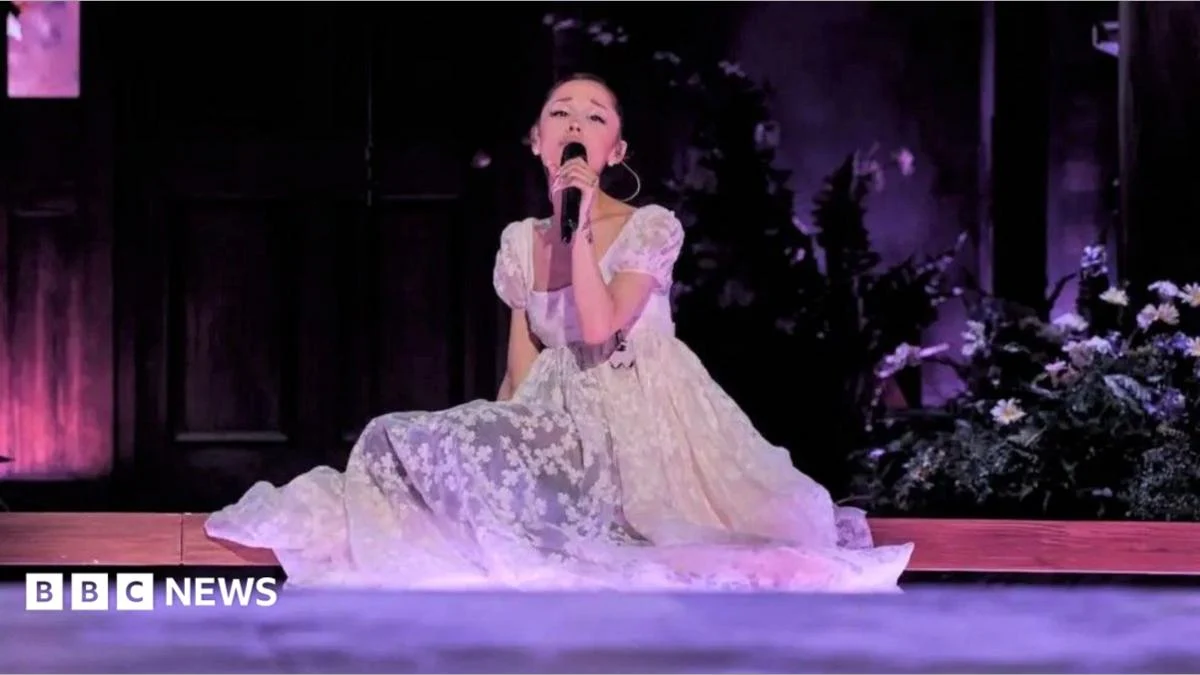
The final performance was particularly charged, punctuated by moments where Grande appeared visibly emotional, occasionally close to tears. One such instance occurred during her rendition of "One Last Time," a song that has held profound significance for her and her fanbase since it became an anthem of resilience for survivors and victims of the 2017 Manchester terror attack. Addressing the crowd, Grande confessed, "London, I’m going to need you to help me on this one," before kneeling down to foster a more intimate connection with the audience during the performance. This gesture underscored the deep, shared history she holds with her British fans, particularly in the wake of such a tragic event. The collective emotion in the arena was palpable, a testament to the enduring power of music to heal and unite.
Despite the emotional weight, Grande’s professionalism shone through. Earlier in the tour, she had sustained a "deep cut" on her foot, an injury she had lightheartedly detailed on Instagram, assuring fans she was "on the mend" and would complete her final shows "even if I am a few inches shorter than usual." This injury necessitated a temporary departure from her trademark stilettos, replaced instead by a succession of knee-high platform boots. However, this adjustment did little to impede her dynamic stage presence. She navigated the stage with remarkable agility, often springing across it in sync with her dancers, frequently on tip-toe to compensate for the lost height, embodying the very essence of a seasoned performer overcoming physical challenges.
However, a brief but noticeable falter in her voice occurred during the song "Nowhere, Nobody," as she sang the poignant line: "Hard to believe in a perfect ending." This fleeting moment of vulnerability, while quickly overcome, offered a rare glimpse into the internal struggles that may have been at play. Yet, professional to the core, Grande swiftly regained her composure, maintaining her magnetic stage presence throughout the remainder of the show, delivering powerhouse vocals on tracks like "Dangerous Woman" and energetically sprinting across the stage during "Break Free," among other up-tempo highlights. Her ability to channel her emotions into her art, while maintaining such a high level of performance, speaks volumes about her dedication and resilience.
A Career Crossroads: The Road to Hiatus
Grande’s decision to step back from public life, announced last month, follows a period of intense public speculation surrounding her health and appearance. This scrutiny, often fueled by social media, has become an unfortunate byproduct of immense fame, placing immense pressure on public figures. Her announcement detailed a comprehensive break from all future public-facing appearances, a decision that extends beyond touring and recording.
A notable casualty of this hiatus is Grande’s withdrawal from a planned production of Stephen Sondheim’s "Sunday in the Park with George" at London’s Barbican next summer. She was slated to appear alongside her "Wicked" co-star, Jonathan Bailey, who, coincidentally, also pulled out of the production on the same day. This development sent ripples through the theatre community, as the pairing of two high-profile stars in a prestigious Sondheim revival had generated considerable excitement. While details regarding Bailey’s withdrawal remain separate from Grande’s, the timing underscores a period of significant change for both artists. The Barbican Centre and the production team will now face the challenge of recasting these pivotal roles, a task made complex by the original star power attached.
The "Eternal Sunshine" tour itself was initially conceived as a "one last hurrah" even before the official announcement of her broader break. Grande had publicly expressed a desire to pivot towards more acting roles, a natural progression following her widely acclaimed performance in the upcoming film adaptation of "Wicked." Her role as Glinda the Good Witch in the highly anticipated two-part musical, with the first installment due for release in late 2024, has already garnered significant industry buzz, including early Oscar nomination considerations for her performance. This shift reflects a strategic career move, allowing her to explore different creative avenues and potentially alleviate some of the relentless pressures associated with being a top-tier pop star.
Critical Acclaim Amidst Underlying Concern
Reviews for the London residency were overwhelmingly positive, yet a common thread of underlying concern for Grande’s well-being was also evident. Rolling Stone magazine unequivocally declared, "There’s no question about it – Ariana Grande is one of the best singers of her generation," specifically noting that "there were no signs" of the singer "struggling or not wanting to be there." This sentiment of professional excellence was echoed by The Telegraph, which lauded the show as "flawless," praising its "Hollywood-indebted" staging and Grande’s "genuine affection for Britain." The BBC’s review highlighted the intimacy achieved even in a large venue, describing quieter songs like "Imperfect For You" as "delicate and gorgeous and strangely intimate in a room of 20,000 people."
However, not all critics focused solely on the spectacle. Kate Solomon, writing for The Guardian, admitted to being "gripped by genuine concern" for Grande, even while enjoying the show, adding a cautionary note: "I really hope this tour does not go down in history for the wrong reasons." This reflects a broader societal conversation about the mental health of celebrities and the ethical implications of intense public scrutiny. Conversely, NME focused on her remarkable physical prowess, with Nick Levine marveling, "Throughout the show, she skips across the stage in skyscraper heels that most drag performers would baulk at." This observation, though made before her foot injury necessitated the boot change, underscores the sheer physical demands of her performances.
The dichotomy of critical reception – celebrating her artistry while simultaneously expressing concern for her person – encapsulates the complex relationship between audience, artist, and media in the modern age. It highlights a growing awareness that behind the dazzling performances are human beings navigating extraordinary pressures.
Fan Perspectives: Understanding and Empathy
The announcement of Grande’s hiatus resonated deeply with her dedicated fanbase, eliciting a mix of sadness, understanding, and unwavering support. Rachid, a London fan, articulated the sentiment shared by many, stating he was "devastated" by her withdrawal from touring. "That’s why I really, really wanted to come to the last show because I was like, ‘What if she never comes back?’" he explained. "So that’s why I was here – to enjoy everything she has to give us, and hopefully she gets a nice break now." This perspective highlights the inherent fear of scarcity that can grip fans when an artist steps away, especially one with such a devoted following.
Other fans expressed empathy and a pragmatic understanding of the demands placed on global superstars. Nadine, a fan from Manchester, jokingly but pointedly remarked, "I’m not gonna lie, I’d do the same thing. Like, I made my money, got on stage, sang my heart out… I’d bugger off, too! Straight to Hawaii, or somewhere else where nobody knows who I am, you know what I mean?" Her candidness speaks to the perceived allure of anonymity for those constantly in the public eye. Lukas, who traveled from France for the concert, commended Grande’s agency in her decision: "She’s said goodbye and now she’s gonna rest for her safety. If she needs the break, she takes it and we, the real fans, understand."
Alejandro Grande (no relation, he insisted), a Polish fan, voiced a more critical view of the societal factors at play. "It’s sad that people are speculating about someone else’s health," he stated. "And it’s sad that she has to make a decision for herself just to reclaim her power and her energy." This sentiment was echoed by Bella Hopkins from Bronsgrove, who asserted, "Yeah, it’s completely up to her. I think people should respect how she feels and what she needs." These fan reactions collectively paint a picture of a fanbase that, while deeply invested in her music, prioritizes the artist’s well-being and autonomy.
Broader Implications: Celebrity Wellness in the Spotlight
Ariana Grande’s decision to step back from public life is not an isolated incident but rather indicative of a growing trend among high-profile artists who are increasingly prioritizing mental and physical health over the relentless demands of constant visibility and performance. In an era dominated by social media, where every aspect of a celebrity’s life is subject to immediate scrutiny, speculation, and often, harsh judgment, the toll on mental health can be immense.
The pressure to maintain a certain image, to constantly produce new content, and to endure relentless public commentary on appearance, relationships, and professional choices creates an environment ripe for burnout and distress. Grande’s experience, marked by "months of intense speculation about her health and appearance," serves as a stark example of this pervasive issue. Her hiatus, therefore, becomes a powerful statement, contributing to a broader cultural conversation about the responsibilities of media and audiences towards public figures. It underscores the need for greater empathy and respect for personal boundaries, even for those who live their lives in the spotlight.
From a music industry perspective, such breaks, while initially disruptive, can often lead to a renewed artistic vision and a more sustainable career trajectory. Artists like Adele, Justin Bieber, and Selena Gomez have all taken significant time away from the public eye for similar reasons, often returning with reinvigorated passion and deeper, more mature artistic output. Grande’s pivot towards acting, particularly with a high-profile role in "Wicked," also signals a diversification of her career, offering new creative outlets and potentially a different kind of public engagement that might be less taxing than the constant churn of the pop music cycle.
The Future Unwritten
As Ariana Grande disappeared into the rafters of the O2 Arena, she left behind not only the echoes of her extraordinary voice but also a profound sense of anticipation and uncertainty. Her "Eternal Sunshine" tour, culminating in London, marked the end of a chapter defined by relentless creativity, global stardom, and intense public scrutiny. Her retreat from public life, while driven by personal necessity, resonates with a broader cultural shift towards prioritizing well-being, even for the most famous among us.
The timeline for her return remains unknown, and the nature of her future engagements, whether musical, theatrical, or otherwise, is yet to be fully defined. What is certain, however, is that Ariana Grande has cemented her status as one of the most significant musical artists of her generation. Her temporary absence will undoubtedly create a void in the pop landscape, but it also offers a valuable moment for reflection – for the artist herself to recharge, and for the industry and audience alike to consider the true cost of celebrity in the 21st century. Fans will wait, with patience and understanding, for the day she chooses to re-emerge, confident that whenever she does, it will be on her own terms, and with her unique radiance undiminished.